Rifle-Rodeo-food-poisoning-report

On the morning of Tuesday, June 6th, 2017 calls began coming into the Garfield County Public Health (GCPH) Rifle Office (970-625-5200) from people reporting illness involving symptoms of diarrhea and nausea. A total of 17people called or walked in.

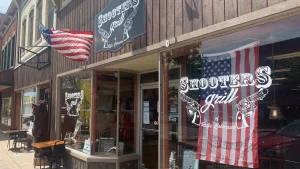
The common denominator was people who had attended the Rifle Rodeo, a privately organized event which rented at the Garfield County fairgrounds indoor arena on the evening of the June 5th , 2017 and consumed food that was provided. The only temporary food vendor reported present at the rodeo was an unlicensed temporary retail food establishment associated with Shooter’s Grill, a retail food establishment located in downtown Rifle, Colorado.

Following Colorado Department of Public Health and Environment (CDPHE) and the Center For Disease Control and Prevention (CDC) guidelines for the investigation of a potential food borne illness outbreak , GCPH began to investigate the claims made by the people who had reported illness, began a dialogue with partners at the CDPHE and Mesa County ·Regional Epidemiology Team (MCRET) for investigation assistance in the matter, and alerted the
public information officer, as well as the public health director of the situation. GCPH began an environmental health investigation. MCRET created a Line List, an epidemiological tool used to collect reported data, and shared between investigation partner agencies using Google Spreadsheets. By about 1600 hours on June 6th, the reported ill had increased to 30 and there were reports of additional symptoms; cramps, bloody st~ol. Average symptom onset was determined to be 6 to 8 hours. Based on reported symptoms, the number of people reporting illness and eating food at the rodeo, and short interval between the rodeo and symptom onset, MCERT suspected that food poisoning as the cause of the outbreak. GCPH also contacted local hospitals, Valley View and Grand River and their Infectious Disease Control and Emergency Departments and alerted them to be aware of the outbreak so that stool samples could be collected from any patient arriving at the hospital presenting the reported symptoms.

On the morning of June 7th, the collaborating investigation partners held a conference call at 1000 hours. The environmental investigation conducted by GCPH on the afternoon of June 6th revealed that the pork served at the rodeo was smoked at Smokehouse 1776, a retail food establishment located in downtown Rifle, Colorado across the street from Shooter’s Grill and owned by the same person as Shooter’s Grill. Also, one of the employees serving food at the temporary event also became symptomatic. GCPH collected food samples from the establishments, but the owner and staff informed GCPH that there was no food product left that had been served at the rodeo on the night of June 5th. An employee stated that the food available for sampling had been prepared at the same time as the food that was served at the rodeo. GCPH collected the food samples made available by the owner and staff and packaged and shipped the samples to the CDPHE laboratory in Denver, Colorado via courier service on the afternoon of June 6th.

GCPH reviewed both implicated retail food establishments, Shooter’s Grill and Smokehouse 1776 (owned by Lauren Boebert), where the suspect food was prepared . Food safety practices at the temporary event (Rifle Rodeo) were discussed with owner and employees. Food safety
concerns and violations were revealed during this discussion and included no cold holding, no hot holding, the facility does not maintain temperature logs so there was no way of showing that food was kept at proper temperatures , bare hand contact with ready to eat foods, no handwashing station, no barrier protection from insects, only one pair of tongs on site, no event coordinator paperwork completed prior to the event occurrence, and no temporary retail food establishment license was applied for or obtained by the persons serving food at the rodeo. GCPH attempted to contact the Rifle Rodeo event coordinator for questioning, with no success. The time of food service at the rodeo was approximately 1700 hours until 2000 hours and occurred within the indoor arena located on the Garfield County Fairgrounds. All partners involved.agreed that a press release was needed to ask attendees of the Rifle Rodeo on June 5th, ill or not, to contact GCPH for interviewing .

Agencies participating in the investigation held another conference call on the morning of June 8th, 2017 at I000 hours. The Garfield County Commun ications Team drafted a press release and it was approved by both partner agencies and county administration for release on June 8th, 2017 at approximately 1530 hours . GCPH
also monitored social media sites such as Facebook, YELP, and Twitter for chatter regarding the outbreak. MCRET and GCPH also drafted a Health Alert Network (HAN) and sent it out to Garfield County health care providers, and to Eagle, Moffat, and Mesa Counties because attendees at the rodeo may have been presenting to health care providers in surrounding counties . As of the time of the conference call, the Rifle Rodeo event coordinator had not returned GCPH calls. Additional calls to GCPH had increased, an additional 38 people reported illness. Call logs of the reported ill now approximately 80 individuals, however GCPH had been able to directl y contact and conduct full interviews for 17 of those reporting. MCRE T conducted analysis on the reported data from the Line List tool. Partner Investigative Agencies scheduled another conference call for the morning of June 9th, 2017.

The conference call was held on the morning of June 9th at approximately l000 hours. The Rifle Rodeo organizer was reported as still unavailable. It has been verified that there was no petting zoo at the rodeo and the fairgrounds uses municipal water. The BBQ sauce was Sweet Baby Ray’s, the bread rolls were Harvest Moon Bread , and the supplier was Shamrock Foods. Additional foods have been elicited by interviewers including baked potato and butter in two forms ; these were not initially reported by the food provider . Billy Harkins, EI S III committed to conduct another onsite full inspection at both facilities the afternoon of June 9th. Lauren Boebert applied for a temporary retail food establishment license on June 8th, 2017, but has not yet been approved as of yet by GCPH pending completion of the Rifle Rodeo Outbreak investigation. GCPH staff also committed to be onsite for the Monday, June 12th Rifle Rodeo to assess the situation and try to establish direct contact with the Rifle Rodeo event coordinator. GCPH staff was able to collect one human sample and it was shipped to CDPHE on June 8th. GCPHE continue to contact local hospitals daily for additional case finding and to communica te updates. Well and additional ill people have contacted GCPH , and have been added to the spreadsheet, some have been interviewed. Interviewers added names in the appropriate columns in the Line
List to communicate with other investigators who has been contacted and by whom. MCRET stated that as of the morning of June 9th, 2017 , preliminary data collected showed the median age was 42.5 years , with an age range of 7-66 years, 25% under the age of 18. Also, I00% of those interviewed with diarrhea ate pork sliders. MCRET created 2 x 2 tables , an epidemiological data analysis tool , for major food items. MCRET created graphs that depicted exposure time to onset (also known as the incubation period). The median incubation period was approximately 8 hours . MCRET shared a PDF with GCPH to aid in discussion with GCPH administration, and sent updates the afternoon of June 9th, and as information changed. Inquiries to GCPH increased since the press release at approximately 1600 hours on June 8th. GCPH continued monitoring Facebook for any information regarding the June 5th Rifle Rodeo.

GCPH continued to take calls about the Rifle Rodeo outbreak, perform call backs, and direct contact interviews through the week of June 12th. Total reported ill was 80 individuals. GCPH was able to contact and directly interview 67 individuals developed and shared a Google-based spreadsheet that GCPH staff modified and completed as they conducted interviews. MCRET used Excel, Epilnfo, and Tableau software to analyze data from 37 persons who attended the rodeo and reported any illness, and 30 persons who attended the event but did not have any symptoms. From preliminary data, a case definition was defined as anyone who ate at the rodeo and experienced, diarrhea and/or abdominal cramping within 27 hours of the meal. The results of those analyses are summarized below.

The menu provided at the event was limited, and included: coleslaw, potato salad, pulled pork sliders, barbecue sauce, and beverages. MCRET utilized two by two (2×2) tables to evaluate the association between each possible risk factor (exposure) and an outcome (ill or well).  36 of 38 who reported eating sliders became ill; all 36 of those ill reported eating sliders, suggesting the sliders as the most likely culprit.

On June 14th, Alicia Cronquist, CDPHE laboratory reported that the two samples of the people that ate and got sick showed positive for Clostridium perfringens. The samples tested positive for the toxin that the germ produces. C, perfringens is a leading cause of foodbome illness. Illness happens when a person swallows large
Garfield County Public Health Department -working to promote health and prevent disease amounts of the bacteria, which then makes a toxin in the intestines that causes abdominal cramps and diarrhea. The illness usually resolves within a about 24 hours. Illness with C.pe,fringens occurs when food is left at an unsafe temperature, bacteria multiply in the food, and the food is consumed. When food is left at unsafe temperatures , the number of bacteria present in the food can double every fifteen minutes.

The positive lab test results led the CDPHE lab to decide to next also test the food samples for C.perfringens. The results for the food samples came back negative for the bacteria toxin. According to Alicia Cronquist, CDPHE, food testing takes time, sometimes longer than planned. Food testing is not l00% sensitive; this means even when a particular food caused an outbreak it does not always test positive; put another way, a negative lab result does not exonerate a particular food item. GCPH collected food samples from the vendor’s brick and mortar location, but it could not be determined if the food items submitted to the lab for testing was the same as that at the Rifle Rodeo and served to the public. After analyzing discussions had with the proprietor and staff, we do not believe that it was the same food that was served at the rodeo.

After the initial calls in to the health department on the morning of June 6th, Billy Harkins, EHS Ill contacted the owner of Shooter’s Grill and Smokehouse 1776, Lauren Boebert. He began gathering information on their operations at the Rifle Rodeo. GCPH learned that Lauren Boebert did not obtain approval or licensing to serve food at the Rodeo. Approval would have required them to obtain a Temporary Retail Food Establishment License. Mr. Harkins visited Shooters Grill, discussed the situation with them, and conducted interviews of the employees and an environmental analysis. Mr. Harkins obtained samples of the food as directed by the CDPHE lab. He obtained the samples in a timely manner, packaged, and gave them to Kangaroo Courier services for transport to the CDPHE lab at approx. 1600 hours on June 6th, 2017. On the afternoon of July 9th, Mr. Harkins conducted full onsite inspections of Shooter’s Grill and of Smokehouse 1776, both licensed Retail Food Establishments where the food provided at the June 5th, 2017 Rifle Rodeo was prepared.

The Investigative Team determined the outbreak to be the result of food poisoning by the bacterium Clostridium perfringens due to consumption of the pork sliders provided to the public by an unlicensed temporary retail food establishment at the Rifle Rodeo on the night of June 5th, 2017. The evidence supports the conclusion that bacterial contamination was due to improper food safety practices of the unlicensed food providers. According to the CDC, Clostridium perfringens (C. perfringens) is one of the most common causes of food poisoning in the United States. The CDC estimates C.perfringens causes nearly I million cases of foodbome illness each year. People with C. perfringens food poisoning develop diarrhea and abdominal cramps within 6 to 24 hours (typically 8 to 12). The illness usually begins suddenly and lasts for less than 24 hours. To prevent illness from C. perfringens, food should be cooked to a safe temperature, and then kept at 140°F (60°C) or warmer, or at 40°F (4.4°C) or cooler. These temperatures prevent the growth of bacteria that might have survived cooking. Meat dishes should be served hot, within 2 hours after cooking. Leftover foods should be refrigerated at 40°F or colder as soon as possible and no more than 2 hours after preparation. It is acceptable to put hot foods directly into the refrigerator. Large pots of food, such as soups, stews, and large cuts of meats, such as roasts, should be divided into small quantities for refrigeration so they will cool quickly enough to prevent bacteria from growing. Leftovers should be reheated to at least 165°F (74°C) before serving.

The 14 in Washington State are considered “primary” infections and the 3 in Arizona State are considered “secondary” cases.

On May 12, 2021, The Washington State Department of Health (DOH) announced a multi-county outbreak of E. coli O157:H7 that began as a Public Health-Seattle & King County investigation involving several children with E. coli. The outbreak is linked to Pure Eire Dairy yogurt also sold as PCC Community Market brand yogurt.

Update 6/23/21: One new case from Arizona has been identified who was infected with the outbreak strain of E. coli O157:H7. This brings the total number of outbreak-associated cases to 17. All three of the Arizona cases are considered secondary infections.

Update 6/17/21: One new child case has been identified who was infected with the outbreak strain of E. coli O157:H7 and was hospitalized for their illness. This brings the total number of outbreak-associated cases to 16.

The two Arizona cases infected by the outbreak strain of E. coli O157 did not consume PCC or Pure Eire brand yogurt.

  • The first Arizona case is considered a secondary infection. This person was infected after having close contact with a Washington state resident who regularly ate Pure Eire yogurt and developed diarrhea (but was not tested) shortly before traveling to Arizona.
  • The newest Arizona case added on 6/17/2021 is also considered a secondary infection.

 Public health message

  • If you have PCC Community Market brand yogurt or Pure Eire yogurt at home, do not eat it and throw it away.
  • E. coli infections can cause serious complications. Symptoms include diarrhea, stomach cramps and blood in the stool.
  • If you notice symptoms, especially bloody diarrhea, contact your health care provider right away.

Case information

DOH is reporting confirmed cases infected with bacteria that have been genetically linked. Local health jurisdictions may report higher numbers for their counties that include cases still under investigation and may provide additional detail on their cases.

Case information will be updated twice a week, as new information is available.

Last updated 6/23/21 at 7:07 p.m.

Summary

Statewide total

Cases

Confirmed cases – updated 6/23/21

17

Hospitalized – updated 6/17/21

10

Developed hemolytic uremic syndrome (HUS)

4

Died

0

Cases by county of residence

County

Cases

Benton

1

Clark

1

King

9

Snohomish

2

Walla Walla

1

Yavapai (AZ) – updated 6/23/21

3

Cases by age

Age range

Cases

0-9 years old – updated 6/17/21

10

10-19 years old – updated 6/23/21

3

20-29 years old

1

30-39 years old

1

40-49 years old

1

50-59 years old

0

60-69 years old

0

70-79 years old

1

80+ years old

0

Public health action

DOH works closely with local health jurisdictions to collect data from interviews of sick individuals to help identify common exposures between, the Washington State Department of Agriculture (WSDA) and other partner agencies on this type of outbreak investigation.

DOH’s role includes:

  • Coordinating with local health and Washington State Public Health Laboratories to identify cases related to the outbreak using genetic testing of the bacteria
  • Collecting data from in-depth interviews conducted by local health jurisdictions with patients about the food they’ve eaten
  • Identifying foods in common between cases and working with partner agencies to trace back foods that may have caused the illness
  • Working with partners to notify food manufacturers and retailers whose products may be linked to the outbreak
  • Supporting partners working to test product samples for presence of bacteria

The investigation process can be long and complex. Only those who are severely ill tend to visit a healthcare provider and get tested, and each step of the process takes time.

Sometimes people don’t get sick until several days after they eat food containing E. colibacteria. It can take a lot of time and effort to test samples from people who are ill, interview them for a detailed history of foods they’ve eaten and look for commonalities between cases.

Linked product information

On May 15, DOH announced a link to PCC Community Market brand yogurt produced by Pure Eire Dairy. Pure Eire Dairy issued a voluntary recall of affected products and PCC removed the products from shelves. Anyone who has PCC Community Market or Pure Eire brand yogurt at home should not eat it and should throw it away.

The investigation is ongoing, and we may identify additional links to products as we continue to gather information from new cases. DOH will provide updates as the investigation progresses.

E. coli: Marler Clark, The Food Safety Law Firm, is the nation’s leading law firm representing victims of E. coli outbreaks and hemolytic uremic syndrome (HUS). The E. coli lawyers of Marler Clark have represented thousands of victims of E. coli and other foodborne illness infections and have recovered over $800 million for clients. Marler Clark is the only law firm in the nation with a practice focused exclusively on foodborne illness litigation. Our E. coli lawyers have litigated E. coli and HUS cases stemming from outbreaks traced to ground beef, raw milk, lettuce, spinach, sprouts, and other food products.  The law firm has brought E. coli lawsuits against such companies as Jack in the Box, Dole, ConAgra, Cargill, and Jimmy John’s.  We have proudly represented such victims as Brianne Kiner, Stephanie Smith and Linda Rivera.

If you or a family member became ill with an E. coli infection or HUS after consuming food and you’re interested in pursuing a legal claim, contact the Marler Clark E. coli attorneys for a free case evaluation.

I have been and am so proud of the work that Dan, Coral, Joe, Jonan and Cookson do to make this online paper devoted to all things food safety.  It shows in the nearly 50,000 subscribers and now shows in the increasing page views from 2009 (the beginning) to the present.

Thanks so much to the team.  Your tireless work makes things better.

Please take the time to subscribe by going to https://www.foodsafetynews.com.  Also, consider doing an Op-ed on a topic of interest to you.  See the list of past contributors here https://www.foodsafetynews.com/fsn-writers-contributors/

Hepatitis A viruses, illustration. Hepatitis A is transmitted through infected food or drink. Symptoms include influenza-like symptoms of fever and sickness, along with jaundice.

Canadian health authorities report that the strawberries were imported, but no additional details.  The FDA says the strawberries were branded FreshKampo and HEB, but again give no indication where the strawberries were grown.

Total United States Illnesses: 17 – Canada 10

United States Hospitalizations: 12 – Canada 4

Illness onset dates range from March 28 – April 30, 2022

States with Cases: California (15), Minnesota (1), North Dakota (1)

Provinces with Cases: Alberta (4) and Saskatchewan (6)

Product Distribution: United State and Canada

The FDA, along with CDC, the Public Health Agency of Canada and the Canadian Food Inspection Agency, state, and local partners are investigating a multistate outbreak of hepatitis A infections in the United States and Canada potentially linked to fresh organic strawberries branded as FreshKampo and HEB, purchased between March 5, 2022, and April 25, 2022.

Currently, the potentially affected FreshKampo and HEB products are past shelf life. People who purchased FreshKampo and HEB fresh organic strawberries between March 5, 2022, and April 25, 2022, and then froze those strawberries for later consumption should not eat them. These products were sold at the following retailers, including, but not limited to:

  • Aldi
  • HEB
  • Kroger
  • Safeway
  • Sprouts Farmers Market
  • Trader Joe’s
  • Walmart
  • Weis Markets
  • WinCo Foods
  • Canadian Co-op

If you are unsure of what brand you purchased, when you purchased your strawberries, or where you purchased them from prior to freezing them, the strawberries should be thrown away.

Epidemiologic and traceback data show that fresh organic strawberries  sold as FreshKampo and HEB brands that were purchased between March 5, 2022, and April 25, 2022, are a likely cause of illness in this outbreak. The traceback investigations show that cases in California, Minnesota, and Canada report having purchased fresh organic strawberries branded as FreshKampo or HEB prior to becoming ill. Illness onset dates range from March 28 – April 30, 2022.

Mexico-based FreshKampo, which grew the strawberries, said in a statement Sunday that it is working with regulators to determine how the problem occurred. FreshKampo said the label on the containers of potentially affected strawberries would have said “Product of Mexico” or “Distributed by Meridien Foods.”

According to the FDA and CDC, Whole Genome Sequencing (WGS) analysis shows that samples from sick people in this investigation are closely related genetically to a sample collected in 2010 from the environment at J.M. Smucker Company’s facility in Lexington, Kentucky, where Jif brand peanut butter is produced.  However, NCBI data seems to indicate that this problem has been long ongoing.  What happened in 2014?

Since the last update on May 21, 2022, two more illnesses have been reported. As of May 25, 2022, a total of 16 people infected with the outbreak strain of Salmonella Senftenberg have been reported from 12 states:  Arkansas (1), Georgia (2), Illinois (1), Massachusetts (1), Missouri (2), Ohio (1), North Carolina (2), New York (1), South Carolina (1), Texas (2), Virginia (1), and Washington (1).

According to the CDC, for every one person who is a stool-culture confirmed positive victim of Salmonella in the United States, there is a multiple of 38.5 who are also sick but remain uncounted. (See, AC Voetsch, “FoodNet estimate of the burden of illness caused by nontyphoidal Salmonella infections in the United States,” Clinical Infectious Diseases 2004; 38 (Suppl 3): S127-34).

Illnesses started on dates ranging from February 19, 2022, through May 2, 2022. Sick people range in age from less than one to 85 years, with a median age of 51, and 73% are female. Of nine people with information available, two have been hospitalized. No deaths have been reported.

The true number of sick people in an outbreak is likely much higher than the number reported, and the outbreak may not be limited to the states with known illnesses. This is because many people recover without medical care and are not tested for Salmonella. In addition, recent illnesses may not yet be reported as it usually takes 2 to 4 weeks to determine if a sick person is part of an outbreak.

State and local public health officials are interviewing people about the foods they ate in the week before they got sick. Of the 10 people interviewed, 10 (100%) reported eating peanut butter. Of the nine sick people with brand information, all nine (100%) reported eating Jif brand peanut butter.

On May 20, 2022, J.M. Smucker Company recalled multiple Jif brand peanut butter types. Additional companies have recalled food items made with Jif brand peanut butter. Do not eat, sell, or serve recalled foods.

Here is the most current recall list thanks to eFoodAlert:

Canadian health authorities report that the strawberries were imported, but no additional details.  The FDA says the strawberries were branded FreshKampo and HEB, but again give no indication were the strawberries were grown.

Total United States Illnesses: 17 – Canada 10

United States Hospitalizations: 12 – Canada 4

Illness onset dates range from March 28 – April 30, 2022.

States with Cases: California (15), Minnesota (1), North Dakota (1)

Provinces with Cases: Alberta (4) and Saskatchewan (6)

Product Distribution: United State and Canada

The FDA, along with CDC, the Public Health Agency of Canada and the Canadian Food Inspection Agency, state, and local partners are investigating a multistate outbreak of hepatitis A infections in the United States and Canada potentially linked to fresh organic strawberries branded as FreshKampo and HEB, purchased between March 5, 2022, and April 25, 2022.

Currently, the potentially affected FreshKampo and HEB products are past shelf life. People who purchased FreshKampo and HEB fresh organic strawberries between March 5, 2022, and April 25, 2022, and then froze those strawberries for later consumption should not eat them. These products were sold at the following retailers, including, but not limited to:

  • Aldi
  • HEB
  • Kroger
  • Safeway
  • Sprouts Farmers Market
  • Trader Joe’s
  • Walmart
  • Weis Markets
  • WinCo Foods
  • Canadian Co-op

If you are unsure of what brand you purchased, when you purchased your strawberries, or where you purchased them from prior to freezing them, the strawberries should be thrown away.

Epidemiologic and traceback data show that fresh organic strawberries  sold as FreshKampo and HEB brands that were purchased between March 5, 2022, and April 25, 2022, are a likely cause of illness in this outbreak. The traceback investigations show that cases in California, Minnesota, and Canada report having purchased fresh organic strawberries branded as FreshKampo or HEB prior to becoming ill. Illness onset dates range from March 28 – April 30, 2022.

What is Hepatitis A? Hepatitis A is the only common vaccine-preventable foodborne disease in the United States. It is one of five human hepatitis viruses that primarily infect the human liver and cause human illness. Unlike hepatitis B and C, hepatitis A doesn’t develop into chronic hepatitis or cirrhosis, but in rare cases infection with hepatitis A virus can lead to a more rapid onset of liver failure and death.

How do you contract Hepatitis A? Hepatitis A is a contagious disease that is transmitted by the “fecal – oral route,” either through person-to-person contact or contaminated food or water. Food-related outbreaks are usually traced to food that has been contaminated by an infected food handler. Fresh produce contaminated during cultivation, harvesting, processing, and distribution has also been a source of hepatitis A.

What are the signs and symptoms of Hepatitis A? Symptoms typically begin about 28 days after infection but can begin as early as 15 days or as late as 50 days after exposure. Symptoms may include headache, loss of appetite, nausea, vomiting, abdominal discomfort, fatigue, joint pain, dark urine, clay colored bowel movements, and fever. Jaundice, a yellowish discoloration of the skin and whites of the eyes, occurs in most cases. Hepatitis A may cause no symptoms at all when it is contracted, especially in children. Those infected usually recover fully within 2 to 6 months.

Hepatitis A:  Marler Clark, The Food Safety Law Firm, is the nation’s leading law firm representing victims of Hepatitis A outbreaks. The Hepatitis A lawyers of Marler Clark have represented thousands of victims of Hepatitis A and other foodborne illness outbreaks and have recovered over $800 million for clients.  Marler Clark is the only law firm in the nation with a practice focused exclusively on foodborne illness litigation.  Our Hepatitis A lawyers have litigated Hepatitis A cases stemming from outbreaks traced to a variety of sources, such as green onions, lettuce and restaurant food.  The law firm has brought Hepatitis A lawsuits against such companies as Costco, Subway, McDonald’s, Red Robin, Chipotle, Quiznos and Carl’s Jr.  We proudly represented the family of Donald Rockwell, who died after consuming Hepatitis A tainted food and Richard Miller, who required a liver transplant after eating food at a Chi-Chi’s restaurant.

If you or a family member became ill with a Hepatitis A infection after consuming food and you’re interested in pursuing a legal claim, contact the Marler Clark Hepatitis A attorneys for a free case evaluation.

Additional Resources:

Total United States Illnesses: 17 – Canada 10
United States Hospitalizations: 12 – Canada 4
Illness onset dates range from March 28 – April 30, 2022.
States with Cases: California (15), Minnesota (1), North Dakota (1) – Provinces with Cases: Alberta (4) and Saskatchewan (6)
Product Distribution: United State and Canada

The FDA, along with CDC, the Public Health Agency of Canada and the Canadian Food Inspection Agency, state, and local partners are investigating a multistate outbreak of hepatitis A infections in the United States and Canada potentially linked to fresh organic strawberries branded as FreshKampo and HEB, purchased between March 5, 2022, and April 25, 2022.

Currently, the potentially affected FreshKampo and HEB products are past shelf life. People who purchased FreshKampo and HEB fresh organic strawberries between March 5, 2022, and April 25, 2022, and then froze those strawberries for later consumption should not eat them. These products were sold at the following retailers, including, but not limited to:

Aldi

HEB

Kroger

Safeway

Sprouts Farmers Market

Trader Joe’s

Walmart

Weis Markets

WinCo Foods

Canadian Co-op stores

What is Hepatitis A?

Hepatitis A is the only common vaccine-preventable foodborne disease in the United States. It is one of five human hepatitis viruses that primarily infect the human liver and cause human illness. Unlike hepatitis B and C, hepatitis A doesn’t develop into chronic hepatitis or cirrhosis, but in rare cases infection with hepatitis A virus can lead to a more rapid onset of liver failure and death.

How do you contract Hepatitis A?

Hepatitis A is a contagious disease that is transmitted by the “fecal – oral route,” either through person-to-person contact or contaminated food or water. Food-related outbreaks are usually traced to food that has been contaminated by an infected food handler. Fresh produce contaminated during cultivation, harvesting, processing, and distribution has also been a source of hepatitis A.

What are the signs and symptoms of Hepatitis A?

Symptoms typically begin about 28 days after infection but can begin as early as 15 days or as late as 50 days after exposure. Symptoms may include headache, loss of appetite, nausea, vomiting, abdominal discomfort, fatigue, joint pain, dark urine, clay colored bowel movements, and fever. Jaundice, a yellowish discoloration of the skin and whites of the eyes, occurs in most cases. Hepatitis A may cause no symptoms at all when it is contracted, especially in children. Those infected usually recover fully within 2 to 6 months.

What to do if you become infected with Hepatitis A:

Infection is determined by a blood test. If you know you have been exposed to hepatitis A, immune globulin shots or a hepatitis A vaccine can reduce your chance of infection by up to 90%.

How to Prevent a Hepatitis A Infection:

Ask your health care provider about vaccination – there are many reasons to seriously consider it, including working with food or ill persons, travel, or an impaired immune system. Children who contract hepatitis A but have no symptoms can also pass the virus through ordinary play to their parents. Make sure your childcare providers are vaccinated and be aware of friends and relatives who may have traveled to countries with high rates of infection. Stay alert to notices of outbreaks to determine if your family has been exposed.

The Food Safety Law Firm:

Marler Clark, The Food Safety Law Firm, is the nation’s leading law firm representing victims of Hepatitis A outbreaks. The Hepatitis A lawyers of Marler Clark have represented thousands of victims of Hepatitis A and other foodborne illness outbreaks and have recovered over $800 million for clients. Marler Clark is the only law firm in the nation with a practice focused exclusively on foodborne illness litigation.

Additional Resources:

STOP petitions government to add Cronobacter to Nationally Notifiable Disease List

This week there were three hearings in Washington D.C. addressing the infant formula shortage and the reasons behind it. FDA officials were pressed about the failure of leadership and disorganization of the recall by Abbott Nutrition. The FDA refused to take food safety seriously and now the most vulnerable are at risk.

Abbott received 17 consumer complaints between 2019 and 2021. This included 15 complaints of infants testing positive for another pathogen and one complaint related to Cronobacter. The company also found Cronobacter in two batches of formula. The first just one day after an FDA inspection in 2019 in addition to five other environmental samples between 2019 and 2021.

The Abbott recall could have been prevented. The agency had reports of safety failures months before the contaminated formula sickened babies and caused two deaths. Now, infants are going hungry due to the delay and lack of urgency.

Sign the petition now to help us add Cronobacter Sakazakii to the Nationally Notifiable Disease List to prevent this from happening again.

Here is what the head of the FDA said in testimony to congress just last week:

The CDC receives reports on foodborne disease outbreaks from state, local, and territorial health departments. On average, CDC receives two to four Cronobacter case reports annually; however, because Cronobacter infection is not reportable in most states, the total number of cases that occur in the United States each year is not known.

Here is a bit of history about why having bacterial infections reportable make a difference.

California – 34 ill: From mid-December to mid-January, 9 cases of E coli O157:H7-associated bloody diarrhea and the hemolytic-uremic syndrome had been reported in San Diego County, California and 1 child died. A total of 34 persons had bloody diarrhea, the hemolytic-uremic syndrome, or E coli O157:H7 organisms isolated from stool during the period November 15, 1992, through January 31, 1993. Organisms of E coli O157:H7 ultimately identified from 6 persons were indistinguishable from those of the Washington outbreak strain linked to Jack in the Box restaurants in Washington, Idaho, Nevada and California.  All the pre-formed frozen hamburgers were produced by Von’s in California and shipped to those restaurants in those states.

According to public health officials:

Improved surveillance by mandating laboratory – and physician – based reporting of cases of E coli O157:H7 infection and the hemolytic uremic syndrome might have alerted health officials to this outbreak sooner, which could have resulted in earlier investigation and the institution of measures to prevent more cases.

Clearly, had E. coli O157:H7 been reportable, public health officials in California would have caught the illnesses and most likely prevented the hamburgers from being shipped to other states.  Hundreds of people – specifically children – would not have been sickened and three would likely not have died.

The final after – outbreak report by the CDC found that nearly all illnesses in states other than California occurred AFTER the cluster of 34 cases that went unreported in California.

Washington – 602: On January 13, 1993, a physician reported to the Washington Department of Health a cluster of children with hemolytic uremic syndrome (HUS) and an increase in emergency room visits for bloody diarrhea. During January-February 1993, 602 patients with bloody diarrhea or HUS were reported to the state health department. 144 were hospitalized, 30 developed HUS and three died.

Idaho – 14: Following the outbreak report from Washington, the Division of Health, Idaho Department of Health and Welfare, identified 14 persons with culture-confirmed E. coli O157:H7 infection. 1 developed hemolytic uremic syndrome (HUS).

Nevada – 58: On January 22, after receiving a report of a child with HUS who had eaten at a local chain A restaurant, the Clark County (Las Vegas) Health District issued a press release requesting that persons with recent bloody diarrhea contact the health department. Of 58 persons whose illnesses met the case definition 9 were hospitalized and 3 developed hemolytic uremic syndrome (HUS).

Do something to prevent the next Cronobacter Sakazakii outbreak from being larger than necessary.

  1. Will J.M. Smucker Company and/or the FDA release immediately all inspection reports on this Jif plant from 2010 (see below) to the present?
  2. Will J.M. Smucker Company and/or the FDA answer if other WGS Salmonella Senftenberg samples found on the public database NCBI from 2010 to the present (notably 2014) are or are not linked to the J.M. Smucker Company Jif Peanut Butter plant?

A little transparency would be nice.

Since the last update on May 21, 2022, two more illnesses have been reported. As of May 25, 2022, a total of 16 people infected with the outbreak strain of Salmonella Senftenberg have been reported from 12 states:  Arkansas (1), Georgia (2), Illinois (1), Massachusetts (1), Missouri (2), Ohio (1), North Carolina (2), New York (1), South Carolina (1), Texas (2), Virginia (1), and Washington (1).

Interesting fact, according to the CDC, for every one person who is a stool-culture confirmed positive victim of Salmonella in the United States, there is a multiple of 38.5 who are also sick but remain uncounted. (See, AC Voetsch, “FoodNet estimate of the burden of illness caused by nontyphoidal Salmonella infections in the United States,” Clinical Infectious Diseases 2004; 38 (Suppl 3): S127-34).

Illnesses started on dates ranging from February 19, 2022, through May 2, 2022. Sick people range in age from less than one to 85 years, with a median age of 51, and 73% are female. Of nine people with information available, two have been hospitalized. No deaths have been reported.

The true number of sick people in an outbreak is likely much higher than the number reported, and the outbreak may not be limited to the states with known illnesses. This is because many people recover without medical care and are not tested for Salmonella. In addition, recent illnesses may not yet be reported as it usually takes 2 to 4 weeks to determine if a sick person is part of an outbreak.

State and local public health officials are interviewing people about the foods they ate in the week before they got sick. Of the 10 people interviewed, 10 (100%) reported eating peanut butter. Of the nine sick people with brand information, all nine (100%) reported eating Jif brand peanut butter.

Whole Genome Sequencing (WGS) analysis shows that samples from sick people in this investigation are closely related genetically to a sample collected in 2010 from the environment at J.M. Smucker Company’s facility in Lexington, KY, where some Jif brand peanut butter is produced.  We have sent a Freedom of Information Act request to the FDA for the release of all inspection reports of this plant from 2010 to the present.

On May 20, 2022, J.M. Smucker Company recalled multiple Jif brand peanut butter types. Additional companies have recalled food items made with Jif brand peanut butter. Do not eat, sell, or serve recalled foods.

Here is the most current recall list thanks to eFoodAlert:

This is a crime.

We are now beyond four years from the date that the NICD announced the association between Tiger Brands’ polony products and the outbreak, and the work done by all parties has only generated more evidence that the NICD’s and Tiger Brands’ conclusions are accurate. There is no evidence to the contrary.

In 2017 and 2018, the world’s largest and deadliest outbreak of listeriosis occurred in multiple provinces of South Africa (Figure 1). The outbreak was caused by contaminated polony, a ready-to-eat, processed meat product. Ready-to-eat, processed meats are a well-known vehicle for listeriosis outbreaks (Thomas et al., 2020). The Minister of Health declared that there was an outbreak of listeriosis on December 5, 2017, and, on March 4, 2018, further identified Tiger Brands’ polony products as the cause of the outbreak. The Minister of Health instructed Tiger Brands to recall all polony products the same day. See generally, Minister of Health September 3, 2018, Media Statement. The Ministry of Health based its conclusions on the investigative findings of the Joint Public Health Emergency Co-ordinating Committee, which was established for the specific purpose of identifying the cause of the outbreak and developing measures to prevent further illnesses and other outbreaks associated with processed meat products generally. Id. The relevant epidemiologic findings are set forth in the paragraphs that follow.

Figure 1. Incidence of Laboratory-Confirmed Listeriosis Cases during the Outbreak Period, According to South African Districts (Thomas et al., 2020).

Cases were reported from across the country, with most cases reported from Gauteng Province (58%). Women accounted for 55% of total cases. The ages of cases ranged from birth to 93 years. Neonates (aged £ 28 days) were the most affected age group, accounting for 43% of cases. This was followed by adults of 15 to 49 years of age, accounting for 32% of cases. The disease outcome was known for 806/1,060 (76%) of cases; 27% (216/806) had the known outcome “died” (Smith et al., 2019).

Listeriosis is a serious foodborne infection with a case-fatality rate (“death rate”) of 20-30% (Thomas et al., 2020). People primarily affected by listeriosis have impaired cell-mediated immunity. This includes those who are pregnant, elderly, or immunocompromised from conditions such as HIV, chronic disease, or immunosuppressive therapy (Thomas et al., 2020). The specific outbreak strain associated with the outbreak was Lm ST6. There are two ways that listeriosis can manifest: febrile gastroenteritis and invasive listeriosis (Coulombier). Invasive listeriosis is characterized by bacteraemia, meningitis, pneumonia, endocarditis, and sepsis (Smith et al., 2019).

A total of 1,060 cases were reported during the period of January 11, 2017, to July 17, 2018 (Figure 2)[1]. The outbreak period was defined as a duration of time during which case numbers exceeded and remained above a weekly threshold of five cases per epidemiological week (Thomas et al., 2020). At the peak of the outbreak (mid-November 2017), 41 listeriosis cases were reported in a single week. Prior to this outbreak, listeriosis was not a reportable disease in South Africa; therefore, information is not available on the prevalence, epidemiology, and description of clusters/outbreaks on listeriosis. Due to the lack of surveillance data, the baseline number of listeriosis cases was estimated from counts of listeriosis cases in 2016.

It is known that in 2015 and 2016, clusters of listeriosis occurred in South Africa. The 2015 listeriosis cluster involved 7 cases total, and the predominant strain was Lm ST6. However, researchers did not have sufficient epidemiologic evidence to connect the 2015 cluster to any specific food product (Shuping et al., 2015). For the 2016 cluster, retrospective analysis of Lm cases from the years 2012-2016 was used to calculate the expected case numbers for years 2013, 2014, 2015, and 2016 in the Gauteng province (Mathebula et al., 2016)[2]. Because there were only 3 cases in the 2016 cluster, researchers needed to estimate the baseline number of cases.

When determining if a cluster of diseases is classified as an outbreak or epidemic, it is essential to know what the baseline number of illnesses is in the population of interest. An epidemic refers to an increase in the number of cases of a disease, above what is normally expected in that population in that area, and an outbreak is defined the same but is often used for a more limited geographic area (Centers for Disease Control and Prevention [CDC], 2012).

Figure 2. Distribution of Laboratory-Confirmed Cases of Listeriosis, According to Outbreak Week and Major Events (January 1, 2017 to August 21, 2018) (Thomas et al., 2020).

Case definitions are used in outbreak investigations to help identify cases who are associated with the outbreak. A case definition includes criteria such as the subject population, implicated location, time, clinical features, and/or laboratory test results if available (CDC, 2012). The initial case definition for the primary listeriosis outbreak included all cases of listeriosis that occurred in South Africa from 2017 to 2018. The initial case definition was appropriate due to the lack of whole-genome sequencing (WGS) data at the beginning of the investigation. Multilocus sequencing typing (MLST) was used later to analyse the WGS results from all viable isolates obtained from case-patients. Researchers discovered that 93% of the clinical isolates collected from cases during the outbreak period were Lm ST6 (Thomas et al., 2020; Gerner-Smidt). The case definition later included sequence typing information to increase the likelihood of identifying a common source (Besser). This finding also showed that the outbreak strain of Listeriosis was definitively the Lm ST6 strain.

Further, we note that investigators thoroughly analysed the theoretical possibility that Lm ST6 was coming from more than just Tiger Brands’ polony products. In short, after conducting environmental investigations at all 157 ready-to-eat meat production facilities in South Africa, there was no Lm ST6 in any other products or facilities except Tiger Brands.

Together with the NCID’s clear statements that Tiger Brands polony products were the source of the outbreak, based on epidemiologic and environmental evidence, the constellation of all evidence conclusively establishes that Tiger Brands’ polony products were in fact the sole source. There is no additional analysis that will materially change these facts.

Based on its investigation findings, the Minister of Health issued a recall of Tiger Brand’s ready-to-eat meat products produced at the Enterprise facility. The Minister of Health also recalled all ready-to-eat meat products produced at Rainbow Foods, but epidemiologic and environmental findings during the investigation showed that this was a precautionary measure only—i.e., the Listeria identified at the Rainbow Foods’ production facility on environmental testing was not Lm ST6, and therefore had no causal association with illness in the outbreak. See Minister of Health March 4, 2017 Statement. Shortly after Tiger Brands’ recall, the outbreak essentially stopped (Figure 3).

Figure 3. Epidemic curve of laboratory-confirmed listeriosis cases by date of clinical specimen collection (n=1 038) and sequence type (ST) (n=564), South Africa, 01 January 2017 to 5 June 2018 (n=1049)

The environmental and epidemiologic investigative findings establish the likely causal nexus between Tiger Brands’ polony products and most all Listeriosis cases that occurred in South Africa before, during, and after the outbreak period. (Coulombier).  As stated above, 93% of clinical isolates that underwent sequencing were shown to be Lm ST6, the strain that was both epidemiologically associated with illness and repeatedly found in the production environment at the Enterprise facility, and nowhere else. But not all isolates could be sequenced, due to the lack of laboratory resources and personnel available (Besser). Based on the high percentage of Lm ST6 clinical isolates, it is highly likely that a similar percentage of non-sequenced isolates would have been Lm ST6 if sequencing could have been done (Coulombier). As further support that there was no difference between the distribution of sequence types among the non-sequenced samples and the distribution of sequence types observed in the sequenced samples, the process of selecting case isolates to be sequenced was not biased. Therefore, it is a statistically valid and provable fact that, in the absence of evidence to the contrary—i.e., sequencing that showed that a clinical isolate was not Lm ST6–a listeriosis patient diagnosed during the outbreak period had a > 90% probability of being related to the outbreak even without confirmed laboratory results (Gerner-Smidt).

After detecting the outbreak, the Centre for Enteric Diseases, a part of the National Institute for Communicable Diseases, conducted a nested case-control study that provided evidence that cases with Lm ST6 infections were more likely to have eaten polony than those with non- Lm ST6 infections (Thomas et. al, 2020). In outbreak investigations, case-control analysis is performed to estimate the odds ratio for the association between specific food items and the outbreak-associated illness. For this nested case-control study, case patients were those with Lm ST6 infections, and control patients were people infected by another strain of LM (i.e., not Lm ST6) during the outbreak period. Results from this study show that the odds ratio was 8.55 with a 95% confidence interval of 1.66 – 43.35. An odds ratio is a measure of association between the odds of becoming ill from consuming a specific food item versus the odds of becoming ill without having consumed the specific food item (Coulombier). An odds ratio of 8.55 signifies that the odds of having eaten polony in Lm ST6 cases is 8.55 times greater than the odds of having eaten polony in non-Lm ST6 cases. Based on the calculated confidence interval, this result is statistically significant because the confidence interval does not include the null value of 1. Therefore, 95% of the time, the true odds ratio fell within this interval.

Prior to the study, food history interviews were conducted to generate a hypothesis as to which food item could have been the source of the outbreak (Coulombier). The food histories were conducted with the use of a standardized questionnaire that inquired as to food consumed by a case-patient over the four weeks prior to onset of symptoms. Open-ended questions were posed to Listeriosis cases to understand each case’s food habits, such as where they purchase food, name of restaurants patronized, and use (and name) of informal food vendors. Closed-ended questions were posed to determine each case’s exposure to specific food items associated with outbreaks in the past and locally consumed foods thought to pose a high risk for listeriosis such as processed meats (e.g., biltong), cold meats (e.g., ham, polony), soft cheeses, raw milk, and raw vegetables. Brand preferences were also captured in the form.  The combination of open and closed-ended questions was and continues to be standard practice for the conduct of epidemiologic investigations internationally and provided investigators with high value data for consideration alongside other epidemiologic and environmental information.

The food history interviews were completed by November 1, 2017. The epidemiologic methods utilized throughout this investigation, including the case-control, were robust and mirrored those used in high-level investigations throughout the world. The investigators’ multi-disciplinary investigative methods were fully appropriate for the outbreak circumstances (Besser).

On January 13, 2018, febrile gastroenteritis developed in 10 children from a nursery in Gauteng Province. Several stool samples were collected from the children, and one yielded Lm ST6. Sandwiches prepared and eaten at the nursery were the only common food exposure, and polony was the common ingredient. Polony was recovered from the nursery refrigerator, and Lm ST6 was identified in the polony produced at Tiger Brands Enterprise Facility in Polokwane (Thomas et al., 2020).

On February 2, 2018, an environmental investigation took place at the Tiger Brands Enterprise Facility in Polokwane following the discovery at the nursery (Gerner-Smidt). Of 317 environmental samples taken from the Polokwane facility, 47 tested positive for Listeria monocytogenes, and of the 47 that tested positive, 34 were subtyped as the outbreak Lm ST6 strain. Additionally, two of 13 samples of unopened polony loaves collected at the facility tested positive for Listeria monocytogenes, and both were subtyped as the outbreak Lm ST6 strain.

These facts stand in stark contrast to the investigations at all other South African ready-to-eat meat producers, during which investigations no Lm ST6 was recovered in any food or environmental sample.

The fact that the public health investigation involved environmental inspections and sampling at the production facilities of other ready-to-eat meat producers is remarkable. Indeed, the public health investigation of this outbreak was unprecedented in scope, even internationally, as it is, in our experience, unprecedented to engage in such robust investigation of producers whose products are not epidemiologically associated with an outbreak. Thus, the only epidemiologic evidence establishes that Tiger Brands, and Tiger Brands alone, produced product contaminated by Lm ST6 during the outbreak period. By incorporating findings from the epidemiologic, environmental, microbiologic, and traceback data, investigators provided conclusive evidence that the source of the outbreak was polony produced fromTiger Brands Enterprise Foods Polokwane production facility, and that there were no other possible causes.

Further, and as set forth previously, the Minister of Health identified Tiger Brands’ polony products as the source of the outbreak on March 4, 2018, and instructed Tiger Brands to recall all its ready-to-eat meat products. At the point in time that Tiger Brands’ polony products were taken off of store shelves and were no longer widely available for purchase and consumption in South Africa, the outbreak ended and listeriosis cases in South Africa shortly returned to their pre-outbreak baseline. As Figure 3 demonstrates, by mid-April 2018 (6 weeks after recall), fewer than 5 cases were reported weekly. Regarding those individuals who became ill between the date of Tiger Brands’ recall and mid-April 2018, listeriosis cases continued to become ill by consumption of Tiger Brands’ polony products that were purchased before the date of the recall, which was to be expected given the lengthy incubation period for listeriosis generally (from 3 days to over one month), or from Tiger Brands’ polony products that were simply not removed from store shelves in time.

Following the findings by the NICD, Tiger Brands conducted its own internal investigation into the outbreak. During this internal investigation, based on information set forth in the discovery conducted to-date and Tiger Brands’ various public statements, Tiger Brands confirmed the presence of the Lm ST6 outbreak strain in both its products and various locations in the production environment at the Enterprise facility. Tiger Brands issued several public statements to this effect.

In a SENS statement dated 19 March 2018, Tiger Brands issued the following public statement:

“On 15 March 2018, Tiger Brands received confirmation from independent laboratory tests corroborating the DoH’s findings of the presence of LST6 in the environment at its Polokwane Enterprise Foods manufacturing Facility. In addition, there was a positive detection of LST6 on the outer casing of two samples.”

On 26 March 2018, Tiger Brands issued a public statement on its website reiterating the independent laboratory results announced in the SENS statement of 19 March 2018 as aforementioned which confirmed the presence Lm ST6 in the Tiger Brands Polokwane Facility. In the 26 March press statement, Tiger Brands CEO, Mr Lawrence Mac Dougall commented on this discovery and, inter alia, stated as follows:

“We are investing all our time and energy into not only understanding the cause of the LST6 detection, but also how it could have come into our facility.”

In a statement to shareholders dated 23 May 2018, Mr Mac Dougall stated that:

“The detection of the presence of Listeria ST6 in our factory in Polokwane was disappointing to us given our compliance with best practices and prevailing standards.”

In a SENS statement dated 25 April 2018, Tiger Brands reported that it had received independent laboratory test results following its own internal investigation which confirmed the presence of the Lm ST6 in samples of ready-to-eat meat products manufactured at the Polokwane Facility:

“The purpose of this announcement is to update shareholders on the results of the independent laboratory re-testing which was carried out in respect of the presence of LST6 in the above samples which were manufactured at the Enterprise Polokwane processing facility. On 24 April 2018, Tiger Brands received confirmation of the presence of LST6 in these samples.”

From both the NICD’s and Tiger Brands’ investigations into the outbreak, there is no evidence that the outbreak had any source other than Tiger Brands’ polony products. There is no epidemiologic support for that proposition, and there is no environmental support for that proposition because NICD found no other positive Lm ST6 samples at any other facility that produces ready-to-eat meat. In fact, Tiger Brands has, in unequivocal terms, admitted to this responsibility. For example, in the request Further Trial Particular, Tiger Brands affirmed its responsibility for Lm ST6 cases:

“Tiger Brands statement of 24 April 2018 was correct. Tiger Brands learnt that laboratory tests had found ST6 in ready-to-eat meat products from its Enterprise Foods manufacturing facility in Polokwane. It accepts that the laboratory findings were correct.”

“Tiger Brands does not know to what products the contamination extended or over what period it occurred. It accepts, however, that ST6 contaminated products from its Polokwane facility probably infected some of the people who suffered from listeriosis during the outbreak.”

“The defendants accept the test results that L. monocytogenes was detected in the polony water coolers at the Polokwane facility.”

Further, and following the Supreme Court of Appeal’s ruling in the third-party subpoena’s litigation, Tiger Brands issued the following statement to the press:

“On Friday, 4 February 2022, the Supreme Court of Appeal overturned the earlier order of the Gauteng Division of the High Court, Johannesburg which required various third parties to hand over epidemiological information relating to the listeriosis outbreak.”

“The 2018 listeriosis outbreak affected many South Africans. We are saddened by the impact it has had on the lives of the victims and those who have lost loved ones from the outbreak. Tiger Brands reiterates its commitment to ensure that a resolution of the matter is reached in the shortest possible time, in the interest of all parties, particularly the victims of listeriosis.”

That Tiger Brands is liable for the manufacture and sale of contaminated polony products that injured people is beyond doubt; the scientific findings from the multi-disciplinary investigation allow only this conclusion, and the functional life of the outbreak ended when Tiger Brands was ordered to withdraw its products from the market. The epidemiologic implications of NICD’s sequencing effort are conclusive, which is the preliminary point made by SAAFOsT, in which organization Tiger Brands is a custodian member, in its December 2017 statement that:

“This is undoubtedly one of the worst listeriosis cases in global history. A large percentage (74%) of all the clinical isolates belong to the same sequence type i.e. ST6—this means that these isolates originate from a single source, most likely a food product on the market.”

What SAAFOsT did not have the benefit of then knowing, however, was that sampling at Tiger Brands’ Polokwane facility would validate in every respect the epidemiologic implications from NICD’s sequencing efforts on human isolates.

We are now beyond four years from the date that the NICD announced the association between Tiger Brands’ polony products and the outbreak, and the work done by all parties has only generated more evidence that the NICD’s and Tiger Brands’ conclusions are accurate. There is no evidence to the contrary.

_____________________

[1]  Note: 23 October 2016 to 3 September 2018 is the “Outbreak Period” in the Certification Order.

[2] The oldest South African CT4148 isolates date from September 2015 and are related to a cluster of three cases of listeriosis in Western Cape Province28; this finding suggests a potential epidemiologic link to the 2017–2018 outbreak. Thomas, et al., 2020

References

Besser, J. (2020). Expert Opinion Regarding a Listeria Outbreak in South Africa Involving Tiger Brands Limited.

Coulombier, D. (2020). Expert Opinion Regarding a Listeria Outbreak in South Africa Involving Tiger Brands Limited.

Gerner-Smidt, P. (2020). Expert Opinion on Subtyping Aspects of the Listeria Outbreak in South Africa Involving Tiger Brands Limited.

Smith, A. M., et al. (2019). Outbreak of Listeria monocytogenes in South Africa, 2017-2018: Laboratory Activities and Experiences Associated with Whole-Genome Sequencing Analysis of Isolates. Foodborne Pathog. Dis. 16(7): 524-530. doi:10.1089/fpd.2018.2586

Thomas, J., et al. (2020). Outbreak of Listeriosis in South Africa Associated with Processed Meat. N. Engl. J. Med. 382: 632-643. doi:10.1056/NEJMoa1907462

Tiger Brands SENS statement dated 19 March 2018, “Financial Impact of Product Recall and Suspension of Operations at the Polokwane, Germiston, Pretoria and Clayville Processing facilities of Value-Added Meat Products (“VAMP”); Institution of Class Action; and Results of Independent Tests carried out in respect of the presence of Listeria monocytogenes ST6 type (“LST6”)”

Tiger Brands Public Statement dated 26 March 2018, “Tiger Brands Listeria Update”

Tiger Brands SENS Statement dated 23 May 2018, “Unaudited group results and dividend declaration for the six months ended 31 March 2018.

Tiger Brands SENS Statement dated 25 April 2018, ‘Results of Independent Tests carried out in respect of the presence of Lister monocytogenes ST6 type (“LST6”)’

Tiger Brands response to Plaintiff’s Further Particulars

Rose, “Tiger Brands Tall Tale”. Financial Mail, 10 February 2022.

Shuping, L., et al. (2015). Investigating a cluster of Listeria monocytogenes cases in the Western Cape province of South Africa, September 2015.

NICD. (2016). Investigation of Listeria monocytogenes cases at Charlotte Maxeke Johannesburg Academic Hospital in Johannesburg, December 2016.

NICD, Listeriosis Outbreak Situation Report. Dated 11 June 2018.

SAAFOST, “Listeriosis Outbreak in South Africa – Latest! By Dr Lucia Anelich, SAAFoST President”. Dated 20 December 2017.