

Last week a grand jury indicted charged Rancho Feeding Corporation co-owner Jesse J. Amaral Jr. and two workers, Felix Sandoval Cabrera and Eugene D. Corda, with 11 felony counts, including distribution of adulterated and misbranded meat, mail fraud and conspiracy.  The three are charged for processing animals condemned by FSIS inspectors and processing others that were known to have eye cancer.

The slaughterhouse was at the center of a nine million pound beef recall.

According to the indictment, the three swapped uninspected cows for cattle that had already passed inspection and were awaiting slaughter. They then slaughtered the cancerous cattle and deposited their heads in a gut bin. Cabrera and Corda then allegedly placed the heads from apparently healthy cattle next to the carcasses of the diseased cattle during the inspectors’ lunch breaks.  Cabrera and Corda are also carved out “USDA Condemned” stamps from other carcasses.

Amaral told farmers that their cattle had died or been condemned, knowing in fact they had been sold for human consumption. He then billed farmers for handling fees for disposal of the carcasses instead of compensating them for the sale price.

Can you say – “Jail Time?”  I think that for each felony count it is three years in jail and a $250,000 fine.

Rancho Feeding Corporation Indictment

Craig Baldwin is 65 years old and resides in Aurora, Colorado.  He was born and raised in Illinois, went to college in Missouri, and has spent his adult life in Colorado, working as an aeronautical engineer for 40 years.  He is widowed and has one son, Stanley, and a daughter named Sarah.  Craig enjoyed good health prior to his Listeria illness.  Around August 1, 2011, Craig made some dietary changes – he wanted to be healthy.  He began a gluten free diet and began eating cantaloupe for breakfast almost every day.  Beginning July 31, 2011, Craig’s purchase history from King Soopers includes purchases of processed—i.e. cut up or sliced—cantaloupe on at least 7 occasions.

Craig Baldwin from Marlerclark on Vimeo.

On September 21st, Craig returned to the dermatology clinic to report that he had gone to work that morning but was shaking so badly that he was unable to hold a pencil or type.

In fact, Craig’s symptoms had been present for almost 2 weeks.  As he recalls:

For 2 weeks prior to going into the hospital I worked in a constantly fatigued condition that I attributed to the steroids I was taking for Pemphigus.  Finally I could no longer function at work and noticed my handwriting and signature were nearly impossible to read.  I left work at noon on September 21 for my appointment with Dr. Huff.

Although the rash did seem to be better with his treatment, Craig said he was considering a leave of absence from his work and thought that his tremulousness might be an anxiety attack.  He was not tremulous at this office visit and was afebrile with no evidence of a secondary infection.  The prednisone was changed to a single 60 mg dose in the AM.  The remainder of the treatment protocol was continued unchanged.  Craig was also seen by Dr. Quintana for complaints of constipation.  A physical examination disclosed internal and external hemorrhoids and weight loss.  Treatment recommendations included Metamucil, fluids, dietary fiber and a 2-week hold on calcium supplements until the constipation resolved, then slow resumption of the calcium supplement as tolerated.

University of Colorado Hospital (UCH) – Emergency Department – September 22, 2011:

The night of September 21 was miserable.  “I spent the night in my recliner,” Craig recalls, “since I did not think I could get out of bed once I got in.  On my trips to the bathroom I was staggering around like a drunk.”  By 6 AM, Craig thought he was in trouble.  He called his sister, who is a nurse, who rushed to his house and then took him to the University of Colorado Hospital ER.  He was suffering from total body fatigue with decreased coordination.  At the ER, he explained that the symptoms had been generally progressive over the last week but reported feeling fatigue for the better part of a month.  He denied any other symptoms, particularly focal weakness, numbness or tingling.

The emergency department physician reviewed Craig’s medical history, medications, and most recent illness course secondary to the pemphigus foliaceous.  Craig’s vital signs revealed mild hypertension (130/99 to 149/92), heart rates 112 to 77, and no fever.  An EKG was normal.  Chest x-rays were negative.  The doctor’s impression was “unclear etiology at this time but no evidence of lung infiltrates, infection, CHF, anemia, GI bleed or neurologic injury.”  Craig was discharged home and instructed to follow with his regular doctor.

Back at home, things worsened quickly.  At approximately 2:00 PM, Craig developed the onset of significant right-sided weakness associated with slowed and slurred speech.  He returned to the ED at UCH, where he was examined by Dowin Boatright, MD.  Craig denied nausea/vomiting but reported a headache. Nothing aggravated or relieved the symptoms.

A brain CT without contrast was performed and followed by CT brain and neck angiograms.  There were three mass lesions in the left frontal, right corpus callosum and left cerebellum.  The primary consideration was a neoplasm such as astrocytoma.  The findings were atypical for an acute infarct and there was no intracranial hemorrhage.  There was no evidence of aneurysm or dissection in the cervical or intracranial arterial vasculature.

Continue Reading A King Soopers Shopper Struck by Listeria and Survived – Barely

Wendy Johnson of the Pine Journal broke the link to the E. coli outbreak that has sickened dozens at three events on the Fond du Lac Reservation in July.  According to Ms. Johnson. “[a]ll signs point to the potato salad — or more likely one of the raw ingredients that goes into it — as being the cause of the E. coli outbreak that sickened some 60 people.”  According Doug Schultz, spokesperson for the Minnesota Department of Health, on Wednesday, the investigation has revealed that the illness came from three separate events, the Elders’ Picnic, a private wedding and a three-day conference. All were held on the reservation between the dates of July 11-16, and all were catered by the same entity.

Karen Diver, chairwoman of the Fond du Lac Band, confirmed the Band did use a caterer for the events, but without the investigation yet identifying a confirmed source, she added, “I do not feel comfortable naming them.”

We have learned that entity is Jim-N-Jo’s Northland Katering.

Ms. Johnson interviewed my client and Fond du Lac band member Robert Danielson, 62.  His description of a typical E. coli infection should clearly dispel any thought that it is “just a tummy ache.”

“I never take medications and I once pulled two of my own teeth, sewed myself up after I cut myself with an ax and toughed out a broken bone,” he related. “I’ve always prided myself on not being a crybaby.”

But early last month, Danielson found himself up against something bigger than he was — E. coli poisoning.

“I’ve experienced a lot of things in my day,” he admitted, “but this one was more than words can say. I truly believed that if it continued, I was going to die.”

The link between Sandra (Sandy) Antle’s Listeria infection and contaminated cantaloupe is clear.  In August 2011 Mrs. Antle consumed tainted cantaloupe purchased on several occasions at King Soopers located at 7575 South University Boulevard in Littleton, Colorado.  King Soopers is part of the Kroger family of grocery stores.  Prior to her death, Sandy was a long-time, loyal shopper.

Sandy died September 18, 2011 at 1:42 PM, with her husband of 55 years, Robert, her son, Greg, and her son-in-law, Russ, at her side.  Although she was 75 years old, to all that knew the lively, vibrant Sandy, she simply died too young.  To her family and friends, there was more love for her to spread.  They are left with a deep void, impossible to fill.

To properly understand the impact Sandy’s loss has left with those who knew her, it is imperative to know who Sandy was in life.  To start, she was the center of her family.  As her now-grieving husband, Robert, describes her, “she had the personality everyone wishes they had.  And it got better with age.”  She loved gathering the extended Antle family for holidays, birthdays and vacations together.  The holidays especially were “big happening” at the Antle household.

But Sandy was not a homebody.  She would drag Robert to nearly every event of their kids’ and grandkid’s lives.  As her son, Greg, recalls, “every day was busy in retirement.”  In Robert’s words: “We lived a very active social life with our many friends.  These were things we did as a couple.  These activities usually were limited to about twice per week.  Even with the chronic lymphocytic leukemia, which she lived with for 23 years, Sandy lived an active life.”  Swim meets and soccer games were always on tap.  Robert and Sandy even made the effort to attend grandson Tyler’s college soccer games with George Mason University.

They also enjoyed traveling extensively.  In June 2011, they traveled to see Robert’s mother.  Sandy had a bright smile and a laugh that could fill a room, a quality easy to capture on film.  For Robert, looking at this photo, it is almost impossible to imagine that only three months later his wife would lie unresponsive in a hospital bed before passing away from Listeria contracted by eating cantaloupe.

Prior to her illness, at the time of her physical in June 2011, Sandy was doing well, with no major complications or any reasons for concern.  Her treating physician, Thomas C. White, MD, notes as follows:

I saw her for a routine physical in June 2011.  At that time, she was feeling fairly well.  Her exam was unremarkable except for an enlarged spleen.  Her labs showed mild elevations of lever enzymes.  At that time we arranged some tests to follow-up on the osteoporosis and thyroid nodules, but no other intervention was planned.

Sandy began to feel ill while doing what she always did—spending time with her family.  On both September 6th and 7th she was at Children’s Hospital with her grandson, Casey.  Casey, a special needs child, was being prepared for major back surgery and Sandy was determined to get in as much time with him as possible.  Robert, however, noticed she seemed unusually tired on the 7th.  On the 8th, when her diarrhea began, they both thought little of it, although they were slightly concerned.  Despite having lived with and managed her Chronic Lymphocytic Leukemia for over 23 years, and experiencing a C. diff infection in 2010, Sandy was otherwise a healthy person.  So when her diarrheal symptoms continued into the evening on the 8th, and actually grew markedly worse by the next day, they were both very concerned.  Robert called and talked to Thomas White, MD, on September 9th who recommend she be taken straight to the ER.

They arrived at the Swedish Medical Center ER in the morning hours.  Sandy was assessed and her symptoms of two days of worsening diarrhea were noted.  After reviewing her present health and medical history, the treating physician initially assessed her with a urinary tract infection and diarrhea thought to have been caused by a C. diff infection.  Accordingly, antibiotics were ordered.  The decision was made to admit her for observation and treatment.  Both Sandy and Robert felt that, given her last experience with a C. diff infection, she would be out and home soon.  That was, unfortunately, not to be the case.

After making sure that Sandy was comfortable that night, Robert kissed her goodbye and drove home to get some rest.

A blood specimen collected September 9 tested positive for Listeria Monocytogenes (LM).  The Public Health Laboratory at the Colorado Department of Public Health and Environment (CDPHE) conducted Pulsed Field Gel Electrophoresis (PFGE) of the isolate cultured from her blood (CDPHE Specimen ID Number HUM-2011024899).

The next morning, September 10, while getting dressed, Robert recalled briefly hearing something on the news about an expanding Listeria outbreak being announced in the Denver Post.  At the time nobody knew it was cantaloupe, which Sandy loved to eat when in season.

He drove back to Swedish Medical Center around 7:30 AM.  From the moment he arrived, something was not right with his wife—although she was interacting with people and attempting to converse, she could not finish her sentences.  It was as if a curtain had been closed on her mind.  Robert was instantly alarmed and voiced his concern.  He and Paul Mikulecky, MD, discussed Sandy’s symptoms and Robert’s concern that it might be Listeria based on that morning’s news report.

Within 24 hours of her arrival at the hospital, Sandy’s blood cultures were confirmed presumptively positive for Listeria, and an infectious disease consultation was ordered.  One of the nurses provided Robert with a printout on general information concerning Listeria, and none of it was reassuring.  It was decided to start her on vancomycin as well as meropenem, a potent antibiotic combination.

Sandy’s daughter, Sharon, came by to visit with her mom and see how she was doing.  They had a nice conversation and Sharon remained hopeful that her mom’s recovery would be swift.  However, just after Sharon left Sandy’s side to head to see her son, Casey, at Children’s Hospital, Sandy went into acute respiratory distress.  Seemingly without warning, her breathing rate and blood pressure spiked.  Her son, Greg, and husband, Robert, only recall being helpless as alarms went off and Sandy was rushed away to ICU.

When Sandy arrived in ICU, she was breathing about 40 times per minute, unable to take full breaths, and having a cough with frothy-appearing phlegm.  The doctors quickly prepped her for immediate intubation and a subclavain catheter was inserted to help rescusciatate her.

A 12-lead EKG showed ST depression, indicating a restriction in blood supply to tissue.  A subsequent chest x-ray indicated bilateral pulmonary infiltrate that had developed in only the past two hours, “very suspicious for pulmonary edema.”

Because Sandy was intubated and on a ventilator, Greg and Robert did their best to recall the course of events leading up to Sandy’s surprising downturn.  They were shaken and upset as they recalled the panic in her eyes.  The doctors performed a physical check, noting that she was responsive to painful stimuli and voice, but was very lethargic and quickly drifted off to sleep.

Ahmad Rashid, MD, checked on Sandy’s condition and noted:

She was initially admitted for treatment of a urinary tract infection and evaluation of C diff diarrhea.  But this morning, her blood cultures 2/2 grew gram-positive coccobacilli, which were highly suspicious of Listeria bacteremia, especially given the fact that she recently has a history of cantaloupe ingestion.

A cardiac consultation was requested for Sandy’s newly developed pulmonary edema.  The plan included treating her with diuresis, beta-blockers and ACE inhibitor therapy, and an invasive intra-aortic balloon pump.  The cardiologist, Richard Mathe, MD, noted, “she had no other history of heart disease.  Specially, there is no previous history of heart failure or valvular disease.  In the past year, she has experienced no cardiovascular symptoms, according to the family.”

On Sunday the 11th, Sandy seemed to improve enough to remove her from breathing assist.  The physicians told the family that the antibiotics seemed to be helping Sandy, but that hope was short lived.  The Listeria had left Sandy’s blood and was now in her spinal fluid and brain.  Although the family still held out hope, time was not on Sandy’s side.  For the next 24 hours, everyone remained hopeful, but worried.

Thinking back, Sharon is still struck by how quickly her mother declined—“her body just went into shock.”

By the 13th a brain CT Scan showed increasing fluid buildup on her brain.  Sandy remained deeply somnolent despite receiving no sedatives.  In fact, she was very difficult to arouse and only had minimal withdrawl when noxious stimuli were placed near her nose.  Thus, a right frontal ventriculostomy was recommended in an attempt to relieve pressure on her brain, along with a lumbar puncture.  The risks, benefits, and alternatives were carefully explained to Robert and the rest of the family, who agreed to try the procedure.  Robert recalls being told, “Sandy was not improving.  The doctors kept coming to me with bad news.”

Sandy was prepped in the ICU, with the right frontal region of her head shaved for the procedure.  An incision was made in the mid pupillary line anterior to the coronal suture, where a self-retaining retractor was placed and then a twist drill hole placed in the right frontal region.  The procedure successfully relieved some pressure, with 15 cm of water drained.  The report was negative for malignant cells, but positive for inflammation and blood contamination—she was clearly septic.

On the 14th Sandy’s condition continued to deteriorate.  She was still intubated, but now needed no sedation.  Her pupils were sluggish to minimally reactive.  There was “no spontaneous movement.”  An EEG and MRI were ordered, both were abnormal.

Sandy remained unresponsive on both the 15th and 16th.  An EEG showed very abnormal results, with moderate-to-severe slowing, although no seizures were noted.  She had no normal physical responses to stimuli.  The woman known as Sandy to her friends and family was quickly slipping away before their eyes.  They could only sit by her bedside, whispering words of love into her ear, praying for a miracle.

On the 17th the physician’s orders were simply “Listeria Meningitis.”  Despite everyone’s best efforts, the treating physicians had to sit down with Robert, Sharon, and Greg, to discuss Sandy’s bleak prognosis.  Robert recalls one of the final conversations with the doctors:

Finally, on the 18th of September they talked with me, basically giving me no hope that Sandy could live and be much more than in a vegative state.  There was no indicator of brain activity on her last test.  I sat down with my family explaining the information I had been given.  We all agreed that Sandy would never want to live like that and advised the doctors to remove the life support.

Sandy’s life support was disconnected.  She died quietly with Robert, Greg, and Russ right by her beside at 1:42 PM on September 18th.

The effect of Sandy’s passing has been devastating on her family.  Her son, Greg, still remembers with great clarity those last days in the hospital:  “the suffering she went through during the last eight days of her life was immense.”

For Sharon, she sees the devastation of Sandy’s loss on her father’s face every time they speak: “For my Dad, this was devastating.  She was his best friend, his lover, his partner, and his wife for 55 years.  It was devastating.”

Finally, for Sandy’s husband, Robert left alone after decades spent with the love of his life, he sums up Sandy best—“She is probably the finest person you’d have ever met.  I really never believed I would grieve so much.  I miss her more it seems every day.  We were married for 55 years in August.  I have great difficulty in looking forward, as I know I must.”

Sandra Antle from Marlerclark on Vimeo.

Whole Foods Market locations, South Weymouth, Mass. and Newton, Mass., are recalling 368 pounds of ground beef products that may be contaminated with E. coli O157:H7, the U.S. Department of Agriculture’s Food Safety and Inspection Service (FSIS) announced today.

125 lbs. of the following ground beef products produced on June 8, 2014 at the Newton, Mass. location are subject to recall:

  • “BEEF GROUND SIRLOIN 93% LEAN 7% FAT” with SKU 90013
  • “BEEF GROUND SIRLOIN 93% LEAN 7% FAT FAMILY PACK” with SKU 90247
  • “BEEF SIRLOIN Patty  93% LEAN / 7% Fat” with SKU 90088
  • “BEEF GROUND 93% LEAN / 7% FAT” with SKU 90035
  • “BEEF GROUND SIRLOIN 93% LEAN 7% FAT patty FAMILY PACK” with SKU 52179
  • “BEEF GROUND 85% LEAN 15% FAT” with SKU 90004
  • “BEEF GROUND 85% LEAN 15% FAT FAMILY PACK” with SKU 90037
  • “BEEF GROUND PATTY 90% LEAN GRASS FED” with SKU 96363
  • “BEEF GROUND PATTY 90% LEAN GRASS FED, Value Pack” with SKU 52162
  • “BEEF GROUND 90% LEAN GRASS FED” with SKU 95997
  • “BEEF GROUND 90% LEAN GRASS FED, Value pack” with SKU 52190
  • “BEEF GROUND 85 15 GRASS FED” with SKU 95195
  • “BEEF GROUND 85 15 PATTIES GRASS FED” with SKU 95196
  • “BEEF BURGER GRASS FED GOURMET FEATURED” with SKU 52871

170 lbs. of the following ground beef products produced on June 10, 2014 at the Newton, Mass. location are subject to recall:

  • “BEEF GROUND SIRLOIN 93% LEAN 7% FAT” with SKU 90013
  • “BEEF GROUND SIRLOIN 93% LEAN 7% FAT FAMILY PACK” with SKU 90247
  • “BEEF SIRLOIN Patty  93% LEAN / 7% Fat” with SKU 90088
  • “BEEF GROUND 93% LEAN / 7% FAT” with SKU 90035
  • “BEEF GROUND SIRLOIN 93% LEAN 7% FAT patty FAMILY PACK” with SKU 52179
  • “BEEF GROUND SIRLOIN 93/7 PATTIES NE” with SKU 90199
  • “BEEF GROUNDSIRLOIN 93/7 NE” with SKU 95051
  • “BEEF GROUND 85% LEAN 15% FAT” with SKU 90004
  • “BEEF GROUND 85% LEAN 15% FAT FAMILY PACK” with SKU 90037
  • “BEEF GROUND PATTY 90% LEAN GRASS FED” with SKU 96363
  • “BEEF GROUND PATTY 90% LEAN GRASS FED, Value Pack” with SKU 52162
  • “BEEF GROUND 90% LEAN GRASS FED” with SKU 95997
  • “BEEF GROUND 90% LEAN GRASS FED, Value pack” with SKU 52190
  • “BEEF GROUND 85 15 GRASS FED” with SKU 95195
  • “BEEF GROUND 85 15 PATTIES GRASS FED” with SKU 95196
  • “BEEF BURGER GRASS FED GOURMET FEATURED” with SKU 52871

73 lbs. of the following ground beef products produced on June 21, 2014 at the South Weymouth, Mass. location are subject to recall:

  • “BEEF GROUND PATTY 90% LEAN GRASS FED” with SKU 96363
  • “BEEF GROUND PATTY 90% LEAN GRASS FED, Value Pack” with SKU 52162
  • “BEEF GROUND 90% LEAN GRASS FED” with SKU 95997
  • “BEEF GROUND 90% LEAN GRASS FED, Value pack” with SKU 52190
  • “BEEF GROUND 85 15 GRASS FED” with SKU 95195
  • “BEEF GROUND 85 15 PATTIES GRASS FED” with SKU 95196
  • “BEEF BURGER GRASS FED GOURMET FEATURED” with SKU 52871
  • “BEEF GROUND SIRLOIN 93% Lean 7% fat”  with SKU 90013
  • “BEEF GROUND SIRLOIN 93% LEAN 7% FAT FAMILY PACK” with SKU 90247
  • “BEEF SIRLOIN Patty 93% LEAN / 7% Fat” with SKU 90088
  • “BEEF GROUND 93% LEAN / 7% FAT” with SKU 90035
  • “BEEF GROUND SIRLOIN 93% LEAN 7% FAT patty  FAMILY PACK” with SKU 52179
  • “BEEF GROUND SIRLOIN 93/7 PATTIES NE” with SKU 90199
  • “BEEF GROUND SIRLOIN 93/7 NE” with SKU 95051

FSIS was notified of an investigation of E. coli O157:H7 illnesses on June 25, 2014. Working in conjunction with the Massachusetts Department of Public Health and the Centers for Disease Control and Prevention (CDC), FSIS determined that there is a link between ground beef purchased at Whole Foods Market and this illness cluster. Based on epidemiologic investigation, 3 case-patients have been identified in Massachusetts with illness onset dates ranging from June 13, 2014 to June 25, 2014. While the onset of illnesses was in June, on August 13, 2014, additional laboratory results provided linkages between the 3 MA case-patients and ground beef purchased from Whole Foods. Traceback investigation indicated that all 3 case-patients consumed ground beef purchased from 2 Whole Foods Market prior to illness onset. FSIS is continuing to work with state and federal public health partners on this investigation to determine a common source and will provide updated information as it becomes available.

2008 Recall and Outbreak:

http://media.wholefoodsmarket.com/news/whole-foods-market-voluntarily-recalls-fresh-ground-beef   http://media.wholefoodsmarket.com/news/update-from-whole-foods-market-regarding-voluntary-beef-recall

Today the CDC reported an increase to a total of 31 persons infected with the outbreak strains of Salmonella Newport (20 persons), Salmonella Hartford (7 persons), or Salmonella Oranienburg (4 persons) were reported from 16 states.  Five ill persons were hospitalized. No deaths were reported.

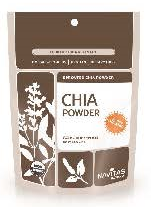
Collaborative investigation efforts of state, local, and federal public health and regulatory agencies indicated that organic sprouted chia powder was the likely source of this outbreak.  As a result of this investigation, several recalls of products containing organic sprouted chia powder and chia seeds were issued.

In Canada, four strains of Salmonella were associated with this outbreak: Salmonella Newport, Salmonella Hartford, Salmonella Oranienburg, and Salmonella Saintpaul. In total, 63 cases were reported in British Columbia (14), Alberta (10), Ontario (35) and Quebec (4). Twelve cases were hospitalized; nine cases were discharged and have recovered or are recovering. No deaths were reported.

As a part of this investigation, the Canadian Food Inspection Agency issued food recall warnings for various products containing chia seeds and sprouted chia seed powder under the brands Organic Traditions, Back 2 the Garden, Intuitive Path SuperFoods, Harmonic Arts Botanical Dispensary, Naturally Organic, Pete’s Gluten Free, NoorishSuperfoods, MadeGood, and Dietary Express. These products were recalled and removed from the marketplace due to possible Salmonella contamination.

McCormick & Company, Incorporated is initiating a voluntary recall of McCormick® Ground Oregano, 0.75 oz bottle, UPC 0-523561-6 with code dates BEST BY AUG 21 16 H and AUG 22 16 H due to possible contamination with Salmonella. This recall does not impact any other McCormick Ground, Whole or Oregano Leaves products.

The product subject to this recall is:

McCormick® Ground Oregano 0.75 oz bottle

UPC NUMBER: 52100003566 (as seen on label: 0-523561-6)

MCCORMICK ITEM NUMBER: 900356

AFFECTED DATE CODES: BEST BY AUG 21 16 H, BEST BY AUG 22 16 H

SHIPPING DATES: April 4, 2014 to August 5, 2014

STATES SHIPPED TO: AL, AZ, CA, CO, FL, GA, HI, IA, ID, IL, IN, KS, KY, LA, MA, MD, MI, MN, MO, MS, MT, NC, ND, NE, NH, NJ, NY, OH, OK, OR, PA, SC, SD, TN, TX, UT, VA, VT, WA, WI, and WV

INTERNATIONALLY SHIPPED TO: Aruba, Bahamas, Bermuda, Indonesia, Jamaica, Netherlands, Puerto Rico, Singapore, Thailand, and Virgin Islands.

The potential risk was brought to McCormick’s attention by FDA during routine testing. This recall affects 1,032 cases that were shipped of the affected date codes.

Salmonella is an organism that can cause serious and sometimes fatal infections in young children, elderly people, and others with weakened immune systems. Healthy persons infected with Salmonella often experience fever, diarrhea, nausea, vomiting and abdominal pain. In rare circumstances, infection with Salmonella can result in the organism getting into the bloodstream and producing more severe illnesses.

No illnesses have been reported to date in connection with this problem.

An outbreak of Listeria monocytogenes linked to pork sausages may have killed at least 12 people and sickened another eight in recent months, according to multiple news sources.

Danish authorities said they closed down a small meat producer near Copenhagen on Monday in connection with the outbreak. The producer, Hedehusene, made a variety of rolled pork sausage called rullepølse, or spiced meat roll.

The sausage product has been recalled in Denmark. Authorities are now trying to determine if any of the recalled product had been exported.

Coral Beach reports that Brooks Tropicals LLC, Homestead, Fla., has recalled 401 boxes of fresh, green-skinned avocados because a routine random sample test by the Food and Drug Administration returned a positive result for Salmonella.

Only fruit shipped with the lot number 2610 is included in the recall, according to the Aug. 8 notice on the company’s website. No illnesses have been reported in connection to the Brooks avocados and the FDA had not posted a recall notice as of Aug. 11.

The bulk fruit was shipped to five states: Florida, New York, Illinois, Georgia and New Jersey, according to the company statement.

No mention if there are ill persons linked to this recall.

The Minnesota Department of Health (MDH) has identified at least 13 people who have developed E. coli O157:H7 infections as part of an outbreak associated with Zerebko Zoo Tran traveling petting zoo. All of these cases have infections with E. coli O157:H7 bacteria that have the same DNA fingerprint. Two of these are secondary cases resulting from being exposed to one of the primary cases associated with the petting zoo.

The 13 cases range in age from 2 to 68 years, 10 (77 percent) are female, and they are residents of multiple counties. Seven (54 percent) cases have been hospitalized, including three children. Two of the cases developed a serious complication known as hemolytic uremic syndrome (HUS), which affects kidney function. Currently, one case is hospitalized with HUS.

The petting zoo exhibited at the events listed below between July 4 and July 27, and there have been cases associated with each one:

  • Nashwauk 4th of July Festival (7/3-7/5): 1 case
  • Polk County Fair (7/9-7/13): 1 case
  • Rice County Fair (7/15-7/20): 7 cases (including the 2 secondary cases)
  • Olmsted County Fair (7/21-7/27): 3 cases

MDH is currently following up with one case regarding their potential animal exposures prior to their illness. Additional cases associated with attending the Olmsted County Fair could still be identified, as that was the most recent event where Zerebko Zoo Tran exhibited.

Environmental and animal fecal samples collected from Zerebko Zoo Tran yielded the outbreak strain of E. coli O157:H7. The owner has been cooperating in the investigation and voluntarily withheld his animals from the last two county fairs at which he was scheduled to exhibit in August.