Total Sick – 350
Hospitalized – 162
Kidney Failure – 31
Deaths – 7
In 2017 in Canada, a total, of 42 cases of E. coli O157 illness were reported in five eastern provinces: Ontario (8), Quebec (15), New Brunswick (5), Nova Scotia (1), Newfoundland and Labrador (13). Seventeen individuals were hospitalized. One individual died. Individuals who became ill were between the ages of 3 and 85 years of age. The majority of cases (74%) were female.

In 2017 in the United States, 25 people infected with the outbreak strain of STEC O157: H7 had been reported from 15 states. Ill people ranged in age from 1 to 95 years, with a median age of 26. Among ill people, 67% were female. Nine ill people were hospitalized, including two people who developed the hemolytic uremic syndrome. One death was reported from California.

In the Spring of 2018 in Canada, there were eight Canadian illnesses of E. coli O157 with a similar genetic fingerprint to illnesses reported in the U.S. investigation.

In the United States as of June 27, 2018, 210 people infected with the outbreak strain of E. coli O157: H7 were reported from 36 states. Ill people ranged in age from 1 to 88 years, with a median age of 28. Sixty-seven percent of ill people were female. Of 201 people with information available, 96 (48%) were hospitalized, including 27 people who developed the hemolytic uremic syndrome. Five deaths were reported from Arkansas, California, Minnesota (2), and New York.

In Canada, as of November 23, 2018, there had been 22 confirmed cases of E. coli illness investigated in Ontario (4), Quebec (17), and New Brunswick (1). Eight individuals were hospitalized, and one individual suffered from the hemolytic-uremic syndrome. Individuals who became ill were between 5 and 93 years of age. The cases are evenly distributed among male and female individuals.

As of today, forty-three people infected with the outbreak strain of Shiga toxin-producing E. coli O157:H7 have been reported from 12 states. Illnesses started on dates ranging from October 8, 2018 to October 31, 2018. Sixteen people have been hospitalized, including one person who developed hemolytic uremic syndrome, a type of kidney failure.

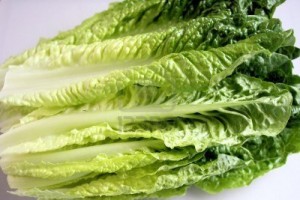
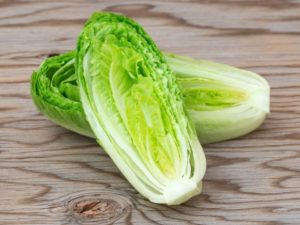
Epidemiologic and traceback evidence from the United States and Canada indicates that romaine lettuce harvested from the Central Coastal growing regions of northern and central California is a likely source of the outbreak.

Ill people in this outbreak were infected with E. coli bacteria with the same DNA fingerprint as the E. coli strain isolated from ill people in a 2017 outbreak linked to leafy greens in the United States and to romaine lettuce in Canada. The current outbreak is not related to a spring 2018 multistate outbreak of E. coli O157:H7 infections linked to romaine lettuce.

CDC is advising that consumers not eat any romaine lettuce harvested from the Central Coastal growing regions of northern and central California. No common grower, supplier, distributor, or brand of romaine lettuce has been identified.

Thirty-two people infected with the outbreak strain of Shiga toxin-producing E. coli O157:H7 have been reported from 11 states.
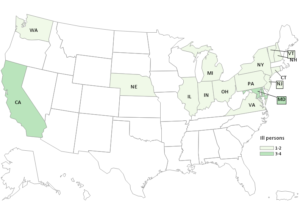
Illnesses started on dates ranging from October 8, 2018 to October 31, 2018.

Thirteen people were hospitalized, including one person who developed hemolytic uremic syndrome, a type of kidney failure. No deaths have been reported.

The Public Health Agency of Canada has identified 18 ill people infected with the same DNA fingerprint of E. coli O157:H7 bacteria in two Canadian provinces: Ontario and Quebec.

Epidemiologic evidence from the United States and Canada indicates that romaine lettuce is a likely source of the outbreak.

Ill people in this outbreak were infected with E. coli bacteria with the same DNA fingerprint as the E. coli strain isolated from ill people in a 2017 outbreak linked to leafy greens in the United States and to romaine lettuce in Canada. The current outbreak is not related to a recent multistate outbreak of E. coli O157:H7 infections linked to romaine lettuce.

CDC is advising that consumers do not eat any romaine lettuce because no common grower, supplier, distributor, or brand of romaine lettuce has been identified.

In 2017, the CDC, several states, and the U.S. Food and Drug Administration(FDA) investigated a multistate outbreak of Shiga toxin-producing Escherichia coli O157:H7 (STEC O157:H7) infections.

Twenty-five people infected with the outbreak strain of STEC O157:H7 were reported from 15 states.

Illnesses started on dates ranging from November 5, 2017 to December 12, 2017.

Nine people were hospitalized, including two people who developed hemolytic uremic syndrome, a type of kidney failure. One death was reported from California.

In December 2017, the Public Health Agency of Canada (PHAC) investigated an outbreak of STEC O157:H7 infections in several provinces linked to romaine lettuce.

As of November 5, 2018, 164 people infected with the outbreak strain of Salmonella Reading have been reported from 35 states.

Tonight Jennie-O Turkey Store Sales, LLC, a Barron, Wis. establishment, is recalling approximately 91,388 pounds of raw ground turkey products that may be associated with an illness outbreak of Salmonella Reading, the U.S. Department of Agriculture’s Food Safety and Inspection Service (FSIS) announced.

The Washington Post’s reporters, Kimberly Kindy and Brady Dennis jumped into FSIS’s “what’s an adulterant” thicket with their story posted yesterday “Salmonella outbreaks expose weakness in USDA oversight.”  The article is worth the read.

Regarding FSIS allowing the meat industry – chicken, beef, etc., to ship us all food tainted with Salmonella, what happened to my client and reported by the post says it all:

The Agriculture Department inspector showed up at Rick Schiller’s home in November to collect potential evidence from his freezer: three pounds of chicken thighs, wrapped in plastic and stamped with a Foster Farms label.

Schiller, a 51-year-old California advertising executive, had recently returned from a five-day stay in the hospital prompted by severe vomiting, diarrhea and an infection that left his joints throbbing and his right leg purple and twice its normal size.

“I’ve been around the block. I’ve had some painful things,” he said. “But nothing like this.”

He takes drops for his right eye, which is constantly congested, red and itchy. On cold nights, he carries firewood in his left arm because his right still feels weak.

“I don’t know what the long-term prognosis is going to be,” he said. “I’m just thankful that I’m alive.”

Mr. Schiller was part of one of two 2013 Foster Farm chicken Salmonella outbreaks that sickened over 500, putting 40% of those in the hospital.  And, guess what?  No recalls because Salmonella is not considered an adulterant despite what it does to Foster Farm’s customers. But, what if FSIS and the industry considered Salmonella an adulterate – like common sense tells most of us?  As the post reports, there is a history of success with calling pathogens what they are:

The agency declared a zero-tolerance policy for the strain in many beef products after hundreds of Americans fell ill and four children died in 1993 after eating tainted hamburger meat from fast-food chain Jack in the Box.

As researchers eventually identified other types of E. coli that were particularly virulent and resistant to antibiotics, those likewise got labeled “adulterants” by the USDA, meaning the agency considers them dangerous substances that should be banned from commerce. A ban gives the USDA legal authority to order recalls, something it does not have with Salmonella.

The result: Over time, deaths and infections from E. coli have decreased significantly.

“It worked,” said Seattle lawyer Bill Marler, who specializes in food poisoning cases and is representing Schiller. “Ninety-five percent of my cases used to be E. coli. Today it is nearly zero. The industry will kick and scream, but they can fix it.”

Go figure.

I have received a few emails and calls about what to do for Thanksgiving when there appears to be an ongoing outbreak and recall.  FSIS has some of the best advice – see below:

The Thanksgiving meal is the largest many cooks prepare each year. Getting it just right, especially the turkey, brings a fair amount of pressure whether or not a host is experienced with roasting one. The United States Department of Agriculture’s (USDA) Food Safety and Inspection Service (FSIS) is issuing food safety recommendations on how to properly prepare a turkey to make sure yours is both delicious and safe to serve.

“Unsafe handling and undercooking of your turkey can lead to serious foodborne illness, explains Maria Malagon, Director of Food Safety Education with USDA FSIS. “Turkeys may contain Salmonella and Campylobacter, harmful pathogens that are only destroyed by properly preparing and cooking a turkey.”

Consumers should follow certain steps to reduce the risk of foodborne illness. According to Ms. Malagon, “those handling and cooking Thanksgiving meals should be aware of the resources available to them and the measures they can take to keep food safe.”

Steps to follow before cooking a turkey:

  • Read labels carefully. Temperature labels show if the bird is fresh or frozen. If you plan to serve a fresh turkey, purchase it no more than two days before Thanksgiving.
  • Purchase two thermometers: a refrigerator thermometer to ensure the turkey is stored at 40 °F or slightly below and a food thermometer to make sure the cooked turkey reaches a safe 165 °F.
  • Thaw the turkey by using the microwave, the cold water method, or the refrigerator. The refrigerator method is USDA recommended.

Steps to follow when cooking a turkey:

  • Wash hands with warm water and soap for 20 seconds before touching any food to prevent the spread of many types of infection and illness.
  • Do not wash the turkey. This only spreads pathogens onto kitchen surfaces. The only way to kill bacteria that causes foodborne illness is to fully cook the turkey.
  • Keep raw turkey separated from all other foods at all times.
  • Use separate cutting boards, plates, and utensils when handling raw turkey to avoid cross-contamination. Wash items that have touched raw meat with warm soap and water, or place them in a dishwasher.
  • Cook the turkey until it reaches 165 °F, as measured by a food thermometer. Check the turkey’s temperature by inserting the thermometer in three places: the thickest part of the breast, the innermost part of the thigh, and the innermost part of the wing.

Steps to follow when consuming leftover Thanksgiving food:

  • Refrigerate leftovers within two hours to prevent bacteria from growing on the food.
  • Store leftovers in shallow pans or containers to decrease cooling time. This prevents the food from spending too much time at unsafe temperatures (between 40 °F to 140 °F).
  • Do not store stuffing inside a leftover turkey. Remove the stuffing from the turkey, and refrigerate the stuffing and the meat separately.
  • Avoid consuming leftovers that have been left in the refrigerator for longer than 3 or 4 days (next Tuesday to be exact). Use the freezer to store leftovers for longer periods of time.
  • Keep leftovers in a cooler with ice or frozen gel packs if the food is traveling home with a guest who lives more than two hours away.

As of November 5, 2018, 164 people infected with the outbreak strain of Salmonella Reading have been reported from 35 states.

Tonight Jennie-O Turkey Store Sales, LLC, a Barron, Wis. establishment, is recalling approximately 91,388 pounds of raw ground turkey products that may be associated with an illness outbreak of Salmonella Reading, the U.S. Department of Agriculture’s Food Safety and Inspection Service (FSIS) announced.

The raw ground turkey products items were produced on September 11, 2018. The following products are subject to recall:

  • 1-lb. packages of “Jennie-O GROUND TURKEY 93% LEAN | 7% FAT” with “Use by” dates of 10/01/2018 and 10/02/2018.
  • 1-lb. packages of “Jennie-O TACO SEASONED GROUND TURKEY” with a “Use by” date of 10/02/2018.
  • 1-lb. packages of “Jennie-O GROUND TURKEY 85% LEAN | 15% FAT” with a “Use by” date of 10/02/2018.
  • 1-lb. packages of “Jennie-O ITALIAN SEASONED GROUND TURKEY” with a “Use by” date of 10/02/2018.

The products subject to recall bear establishment number “P-190” inside the USDA mark of inspection. These items were shipped to retail locations nationwide.

FSIS, and its public health partners, including the Centers for Disease Control and Prevention (CDC) and the Arizona Department of Health Services, have been conducting traceback activities for a sample of Jennie-O brand ground turkey in an intact, unopened package from a case-patient’s home. The patient tested positive for Salmonella Reading and the sample from the ground turkey matches the outbreak strain.

Consumption of food contaminated with Salmonella can cause salmonellosis, one of the most common bacterial foodborne illnesses. The most common symptoms of salmonellosis are diarrhea, abdominal cramps, and fever within 12 to 72 hours after eating the contaminated product. The illness usually lasts 4 to 7 days. Most people recover without treatment. In some persons, however, the diarrhea may be so severe that the patient needs to be hospitalized. Older adults, infants, and persons with weakened immune systems are more likely to develop a severe illness. Individuals concerned about an illness should contact their health care provider.

FSIS is concerned that some product may be frozen and in consumers’ freezers. Consumers who have purchased these products are urged not to consume them.

Most ill in – Arizona 42, California 66, Colorado 50, Texas 13 and Utah 9.

According to the CDC, as of November 15, 2018, 246 people infected with the outbreak strain of Salmonella Newport have been reported from 25 states. Arizona 42, California 66, Colorado 50, Connecticut 1, Hawaii 4, Idaho 3, Iowa 1, Illinois 1, Indiana 1, Kansas 1, Kentucky 1, Massachusetts 1, Minnesota 2, Missouri 3, Montana 8, New, Mexico 9, Nevada 3, Ohio 9, Oklahoma 4, Oregon 1, South Dakota 6, Texas 13, Utah 9, Washington 3 and Wyoming 4.

Illnesses started on dates ranging from August 5, 2018 to October 16, 2018. Ill people range in age from less than one year to 88, with a median age of 38. Fifty-six percent are male. Of 168 people with information available, 59 (35%) have been hospitalized. No deaths have been reported.

Illnesses might not yet be reported due to the time it takes between when a person becomes ill and when the illness is reported. This takes an average of 2 to 4 weeks.

Whole genome sequencing analysis did not identify predicted antibiotic resistance in 180 Salmonella bacteria isolates from 176 ill people and four food samples.

State and local health departments continue to ask ill people questions about the foods they ate and other exposures in the week before they became ill. Of 137 people interviewed, 123 (90%) reported eating ground beef at home. This percentage is significantly higher than results from a survey of healthy people in which 40% of respondents reported eating any ground beef at home in the week before they were interviewed.

Epidemiologic, laboratory, and traceback evidence indicates that ground beef produced by JBS Tolleson, Inc. is a likely source of this outbreak.

On October 4, 2018, JBS Tolleson, Inc. recalled approximately 6.9 million pounds of beef products that may be contaminated with Salmonella Newport.

Officials in Arizona collected an unopened package of ground beef from an ill person’s home. The outbreak strain of Salmonella Newport was identified in the ground beef. Whole genome sequencing showed that the Salmonella identified in the ground beef was closely related genetically to the Salmonella in samples from ill people. The ground beef was one of the products recalled on October 4, 2018.

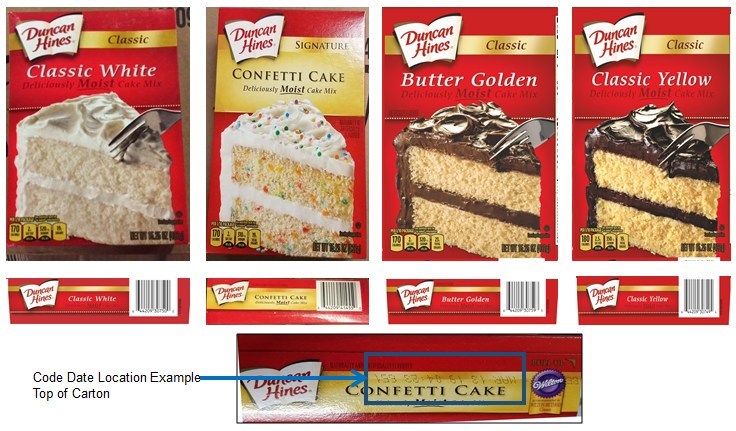
Conagra Brands is collaborating with health officials in connection with a positive finding of Salmonella in a retail sample of Duncan Hines Classic White cake mix that may be linked to a Salmonella outbreak that is currently being investigated by CDC and FDA. While it has not been definitively concluded that this product is linked to the outbreak and the investigation is still ongoing, Conagra has decided to voluntarily recall the specific Duncan Hines variety identified (Classic White) and three other varieties (Classic Butter Golden, Signature Confetti and Classic Yellow) made during the same time period out of an abundance of caution.

Recalled Duncan Hines cake mixes

Five occurrences of illnesses due to Salmonella are being researched by CDC and FDA as part of this investigation. Salmonella is an organism which can cause serious and sometimes fatal infections in young children, frail or elderly people, and others with weakened immune systems. Healthy persons infected with Salmonella often experience fever, diarrhea (which may be bloody), nausea, vomiting and abdominal pain. In rare circumstances, infection with Salmonella can result in the organism getting into the bloodstream and producing more severe illnesses such as arterial infections (i.e., infected aneurysms), endocarditis and arthritis.

Several of the individuals reported consuming a cake mix at some point prior to becoming ill, and some may have also consumed these products raw and not baked. Consumers are reminded not to consume any raw batter. Cake mixes and batter can be made with ingredients such as eggs or flour which can carry risks of bacteria that are rendered harmless by baking, frying or boiling. Consumers are reminded to wash their hands, work surfaces, and utensils thoroughly after contact with raw batter products, to follow baking instructions, and to never eat raw batter.

The products covered by this recall were distributed for retail sale in the U.S. and limited international exports; the specific product information is listed below.

And, they forgot the eight sick in Canada.

Today, the FDA came out with its “Environmental Assessment of Factors Potentially Contributing to the Contamination of Romaine Lettuce Implicated in a Multi-State Outbreak of E. coli O157:H7.”

I shortened it a bit and bolded the highlights.

In early April 2018, the Food and Drug Administration (FDA), in conjunction with the Centers for Disease Control and Prevention (CDC) and state partners, began to investigate a multi-state outbreak of E. coli O157:H7 infections. When this outbreak was declared over by the CDC two months later, it was the largest outbreak of E. coli O157:H7 infections in the United States since 2006, with 210 reported illnesses from 36 states, resulting in 96 hospitalizations, 27 cases of hemolytic uremic syndrome (HUS) and five deaths.

Traceback of the romaine lettuce consumed by ill people determined that it originated in the Yuma produce growing region which consists of farms in Imperial County, California, and Yuma County, Arizona. The traceback identified a total of 36 fields on 23 farms in the Yuma growing region as supplying romaine lettuce that was potentially contaminated and consumed during the outbreak. With the exception of one instance where one of the legs of the traceback led to a single farm, it was not possible to determine which, or how many, of these farms shipped lettuce that was contaminated with the outbreak strain of E. coli O157:H7.

The epidemiological and traceback analyses performed during this outbreak informed an FDA-led Environmental Assessment (EA) of the Yuma produce growing region in collaboration with CDC and state partners from June through August 2018. The EA was conducted to assist FDA in identifying factors that potentially contributed to the introduction and spread of the outbreak strain of E. coli O157:H7 that contaminated the romaine lettuce associated with this outbreak.

The EA team made several visits to the Yuma growing region to conduct its work. During these visits, the team collected numerous environmental samples. Three of these samples were found to contain E. coli O157:H7 with the same rare genetic fingerprint (by whole genome sequencing) as that which made people sick. These three samples were collected in early June from a 3.5 mile stretch of an irrigation canal near Wellton in Yuma County that delivers water to farms in the local area, including several identified in the traceback as having potentially shipped romaine lettuce contaminated with the outbreak strain.

The romaine lettuce that ill individuals consumed was likely harvested between early March and mid-April 2018 based on the fact that reported illness onset dates occurred from March 13 – June 7, 2018. The traceback indicates that the contaminated lettuce had to have been grown on multiple farms and processed at multiple off-farm fresh-cut produce manufacturing/processing facilities.

FDA considers that the most likely way romaine lettuce became contaminated was from the use of water from this irrigation canal, since the outbreak strain of E. coli O157:H7 was found in the irrigation canal and in no other sampled locations. How this process occurred is uncertain, but based on interviews with growers and pesticide applicators, plausible explanations include direct application of irrigation canal water to the lettuce crop or the use of irrigation canal water to dilute crop protection chemicals applied to the lettuce crops through both aerial and land-based spray applications.

Information collected by the EA team indicates that, among the Yuma area farms identified in the traceback and that were interviewed, irrigation canal water was only directly applied during germination. However, aerial and ground-based spraying of crop protection pesticides diluted with irrigation canal water occurred at various times during the growing season on a number of these farms, including after a freeze event that occurred in late February. This freeze event likely led to damage of some portion of the romaine lettuce crop, which may have rendered it more susceptible to microbial contamination.

It is uncertain how the outbreak strain of E. coli O157:H7 was introduced into this 3.5-mile stretch of irrigation canal water. The first illnesses in this outbreak occurred in March 2018, and therefore the outbreak strain may have been present in the irrigation canal months before the EA team collected the positive samples, or the outbreak strain may have been repeatedly introduced into the irrigation canal. A large concentrated animal feeding operation (CAFO) is located adjacent to this stretch of the irrigation canal. The EA team did not identify an obvious route for contamination of the irrigation canal from this facility; in addition, the limited number of samples collected at the CAFO also did not yield the outbreak strain.

Low-level E. coli O157:H7 contamination of the romaine lettuce from some of the growing fields identified in the traceback could have been amplified by commingling cut romaine lettuce in wash systems at fresh-cut produce manufacturing/processing facilities. Washing of romaine lettuce either at a fresh-cut produce manufacturing/processing facility or at home by consumers may reduce but will not eliminate pathogens, including STEC, from romaine lettuce. The commingling of romaine lettuce from various farm growing fields at fresh-cut produce manufacturing/processing facilities complicated traceback efforts and made it impossible for FDA to definitively determine which farm or farms identified in the traceback supplied romaine lettuce contaminated with the E. coli O157:H7 outbreak strain.

FDA recommends that growers and processors of leafy greens:

  • assure that all agricultural water (water that directly contacts the harvestable portion of the crop) used by growers is safe and adequate for its intended use (including agricultural water used for application of crop protection chemicals);
  • assess and mitigate risks related to land uses near or adjacent to growing fields that may contaminate agricultural water or leafy greens crops directly (e.g. nearby cattle operations or dairy farms, manure or composting facility);
  • verify that food safety procedures, policies and practices, including supplier controls for fresh-cut processors, are developed and consistently implemented on farms (both domestic and foreign) and in fresh-cut produce manufacturing/processing food facilities to minimize the potential for contamination and/or spread of human pathogens;
  • when a foodborne pathogen is identified in the growing or processing environment, in agricultural inputs (e.g., agricultural water), in raw agricultural commodities or in fresh-cut ready-to-eat produce, a root cause analysis should be performed to determine the likely source of the contamination, if prevention measures have failed, and whether additional measures are needed to prevent a reoccurrence; and
  • Local in-depth knowledge and actions are critical in helping resolve potential routes of contamination of leafy greens in the Yuma growing region, including Imperial County and Yuma County moving forward. FDA urges other government and non-government entities, produce growers and trade associations in Yuma and Imperial Counties to further explore possible source(s) and route(s) of contamination associated with the outbreak pathogen and with other foodborne pathogens of public health significance. This information is critical to developing and implementing short- and long-term remediation measures to reduce the potential for another outbreak associated with leafy greens or other fresh produce commodities.

See www.fair-safety.com

Utah public health officials are investigating an increase in Shiga toxin-producing Escherichia coli (STEC) infections across the state. While the source of these infections has not been identified, several ill individuals reported visiting petting zoos, corn mazes, and farms.

Since October 1, 2018, 20 cases of STEC have been reported along the Wasatch Front and in the Central and Southwestern regions of Utah. Cases range in age from 10 months to 71 years old. Eleven cases are younger than 18. Six people were hospitalized and no deaths have been reported. “For the past five years, Utah has averaged about 13 cases of STEC during the month of October,” said Kenneth Davis, epidemiologist with the Utah Department of Health (UDOH). “An average of 113 STEC cases and 25 hospitalizations are reported each year in Utah. This increase in October is higher than normally expected,” said Davis. UDOH is working with Utah’s local health departments to investigate the illnesses and determine the source of infection.

E. coli is a bacteria spread by consuming contaminated food or water, unpasteurized (raw) milk, contact with cattle, or contact with the feces of infected people. People visiting petting zoos and areas where cattle have been are at greater risk of contracting E. coli, especially if they are not practicing good hand hygiene. Symptoms usually appear 3–4 days after exposure and can vary, but often include severe stomach cramps, diarrhea (often bloody), and vomiting. Most people get better within 5–7 days, but some infections are severe or even life-threatening. Hemolytic uremic syndrome (HUS), a type of kidney failure, is a potentially life-threatening complication of E. coli infection. Very young children and the elderly are more likely to develop severe illness and kidney failure than others, but even healthy, older children and young adults can become seriously ill.

Practicing good hand hygiene is one of the best ways to reduce your chance of getting and spreading E. coli infection. Always wash your hands:

  • Before and after preparing or eating food
  • After using the bathroom or changing diapers
  • After touching or being around animals or places where animal feces may be present (e.g., farms, petting zoos, fairs, corn mazes, or even your own backyard)

Other protective measures include:

  • Stay home from school or work while you have diarrhea. Most people can return to work or school when they no longer have diarrhea, but special precautions are necessary for food handlers, healthcare workers, and childcare providers and attendees. Check with your employer before returning to work, and check with your child’s child care center before resuming child care.
  • Follow the four steps to food safety when preparing food: clean, separate, cook, and chill.
  • Avoid raw (unpasteurized) milk, unpasteurized dairy products, and unpasteurized juices (such as fresh apple cider).
  • Don’t swallow water when swimming and when playing in lakes, ponds, streams, swimming pools, backyard “kiddie” pools, and splash parks.

Contact your healthcare provider if you have diarrhea that lasts for more than three days, or is accompanied by high fever, blood in the stool, or so much vomiting that you cannot keep liquids down and you pass very little urine. Antibiotics should not be used to treat this infection. There is no evidence that treatment with antibiotics is helpful, and taking antibiotics may increase the risk of HUS. Antidiarrheal agents may also increase that risk.

Sixty-three more ill people from 14 states were added to this investigation since the last update on October 4, 2018. Six more states reported ill people: Hawaii, Kansas, New Mexico, Oklahoma, Texas, and Washington.

As of October 23, 2018, 120 people infected with the outbreak strain of Salmonella Newport have been reported from 22 states.  Thirty-three people have been hospitalized. No deaths have been reported.

Illnesses started on dates ranging from August 5, 2018 to September 28, 2018. Ill people range in age from less than one year to 88, with a median age of 42. Fifty-nine percent are male. Of 95 people with information available, 33 (35%) have been hospitalized. No deaths have been reported.

State and local health departments continue to ask ill people questions about the foods they ate and other exposures in the week before they became ill. Sixty-six (93%) of 71 people interviewed reported eating ground beef at home.

Epidemiologic and traceback evidence indicates that ground beef produced by JBS Tolleson, Inc. is a likely source of this outbreak. On October 4, 2018, JBS Tolleson, Inc. recalled approximately 6.5 million pounds of beef products that may be contaminated with Salmonella Newport.