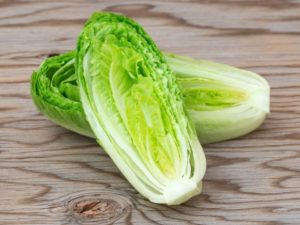
Lawrence J. O’Connor is a 70-year-old gentleman residing in Beresford, South Dakota with his wife Ruth. Lawrence and Ruth were visiting his daughter in Phoenix, Arizona for a few weeks when they decided to go out for dinner. On Friday, March 23, 2018, the two went to dinner at Red Lobster located at 7921 W. Bell Rd. in Peoria, Arizona 85382. Lawrence chose a Caesar salad made with romaine lettuce, and his wife and a regular salad.

Lawrence and Ruth in February 2018

Symptom Onset

Over the next 24-48 hours after Lawrence and his wife dined at Red Lobster, he began to get sick. He first had stomaching cramping and diarrhea on Monday, March 26, 2018. The diarrhea continued to get worse and he noticed there was blood in it on Tuesday. By the following day, there was so much blood he could no longer pass it off as hemorrhoids or something insignificant, and he decided to seek medical care.

Banner Thunderbird Medical Center

Just before 9 PM on Wednesday, March 28, 2018, Lawrence presented to Banner Thunderbird Medical Center, where Jody Boyer, PA evaluated him in the emergency department under the supervision of Kristen Niedner, MD. In triage, Lawrence described have abdominal pain and diarrhea since Monday, March 26, which had become bloody the morning of the 28th. He had experienced three bloody stools since then and decided to seek medical attention in the ER. He described his abdominal pain as non-focal, and his stool were previously watery. He had vomited once. Lawrence described that it was the bright red blood in his diarrhea that caught his attention and caused him great alarm, leading to the ER visit. He answered questions about possible exposures to suspect food or others who were sick, and he stated he had not been out of the country, had not taken any recent antibiotics, and had not eaten any food he thought was bad. He indicated he had not been around others with similar symptoms.

On exam, PA Boyer found Lawrence afebrile with unremarkable vital signs. She confirmed diffuse abdominal pain and stool positive for occult blood by guaiac testing. His abdomen was soft and non-distended, without guarding or rebound tenderness. The PA sent blood and urine samples to the lab, which returned results showing an elevated white blood cell count of 15.4.[1]

CT scan – mild acute colitis

At 11:50 PM, radiologist Raul Galvez-Trevino, MD performed a contrast-enhanced CT scan of Lawrence’s abdomen and pelvis, during which he identified mild acute colitis involving the ascending and transverse colon, suspicious for either an infectious or inflammatory etiology. He also observed possible mild right pyelitis (kidney inflammation) that he thought warranted further investigation. The PA conferred with the attending physician, who concurred with a clinical impression of “acute diffuse abdominal pain,” “acute rectal bleeding,” “acute ascending and transverse colon colitis,” and “possible mild right pyelitis,” noting his co-morbidities of hypertension history, coronary artery disease, arthritis, and hyperlipidemia.

While he was under observation in the ER, Lawrence was started on intravenous fluids and IV antibiotics (Levaquin 750 mg and metronidazole 500 mg), and a recheck of his anemia by CBC revealed a stable blood count. The hospitalist service was consulted and the decision was made to admit Lawrence for observation, at least overnight.

Arun Pillai, MD came in for an urgent gastroenterology consultation while Lawrence was still in the ER and reviewed the CT results with radiology. Dr. Pillai thought that Lawrence had a lower gastrointestinal bleed related to his right-sided colitis. He was not sure of the cause but was most suspicious for an infectious etiology and less likely an inflammatory etiology. He opined that ischemia was unlikely, based on the distribution of colitis seen on CT. Dr. Pillai observed that Lawrence’s initial stool results were back, showing negative for toxigenic C. difficile.

Admission to hospital

It was after midnight on March 29, 2018 by the time Sanjay Kulkarni, MD formally admitted Lawrence to the hospital for abdominal pain and rectal bleeding. He noted that Lawrence had a medical history that was significant for coronary artery disease (“status post 4-vessel CABG”), hypertension, and hyperlipidemia. He repeated his history and physical exam, and Lawrence reiterated that he started to have diarrhea 2 to 3 days prior to admission. “This was with almost every time he ate.” Lawrence also reported having fevers and chills at home. He stated he took a full-strength aspirin tablet (325 mg) every day but was not on any other blood thinners. He reported his abdominal pain level as severe, or about 8/10 on a 1-10 pain scale. Lawrence reported a previous colonoscopy 8 years earlier in South Dakota and was told it was normal. Dr. Kulkarni noted that Lawrence had not been tachycardic or hypotensive in the ER. He admitted Lawrence on telemetry observation and continued his IV antibiotics.

Hospital Day 2 – discharged home

On March 30, 2018, hospitalist Karen Alonzo, MD evaluated Lawrence for discharge from the hospital. She reviewed his blood work and deemed him clinically stable and appropriate for continued self-care at home. She provided a written prescription to continue taking Levaquin and Flagyl in oral form to complete a ten-day course, as well as Zofran for nausea and Percocet for pain. She advised him to follow-up with his PCP and gastroenterology as an outpatient. His stool studies were still pending at the time he was discharged home.

Confirmation of stool-positive Shiga toxin 2

After Lawrence had already been discharged from the hospital, at 8:48 PM the Banner Hospital laboratory reported a critical value that his stool had tested positive for Shiga toxin 2. The lab report carried the warning: “Positive Shiga-toxin results are most commonly due to Shiga-toxin producing E. coli (O157 or non O157 STEC) which may cause enterohemorrhagic disease and Hemolytic Uremic Syndrome (HUS). Antimicrobial therapy is not required unless the corresponding stool culture is also positive for Shigella.”[2]

On March 31, 2018, the Banner Hospital Laboratory reported that Lawrence’s stool culture was negative for growth of Salmonella, Shigella, and Campylobacter.

Home but not better…

Lawrence recalls: “[The hospital] gave me pills to take and sent me home on Friday. I still had bloody diarrhea. On the Monday after Easter, I got up and passed out enough to fall. My wife called the ambulance and they came and checked me out and I passed out again. They then took me to a different hospital as for what was wrong a different one was better.”

Phoenix Fire Department

On Tuesday, April 2, 2018 around 8 AM, EMS responded to a call from Lawrence’s family that he had an episode of dizziness and almost fainted.  Upon their arrival at the family residence, the first responders found Lawrence sitting, alert, and oriented. He stated that he was not having any chest pain, difficulty breathing, or loss of consciousness, and he had not become diaphoretic before the near-syncopal event. They transported him via ALS ambulance transport to the hospital.

Honor Health – Deer Valley Hospital

Lawrence arrived at Deer Valley Hospital around 9 AM on April 2, 2018, where Michael Saam Karbasi, MD evaluated him in the emergency department. Dr. Karbasi observed that Lawrence had just been discharged from Thunderbird on Friday, March 29, where he had been kept overnight for colitis and rectal bleeding. Lawrence reported that he began feeling dizzy while in the shower the night of the 30th before falling down that morning. The near-syncopal episode had been witnessed by his wife.

According to the EMS report, Lawrence’s initial blood pressure at the family residence was 66/42, but after a 500 cc bolus of IV fluids, it improved to 82/46. Lawrence had his hospital records with him from Thunderbird, with the CT scan result that showed mild acute colitis. He stated that he had been taking his antibiotics as prescribed since he was discharged home three days earlier, and his diarrhea had started to improve; however, he continued to have persistent rectal bleeding, although the amount was small and his stool was beginning to return to normal color. Lawrence also mentioned that he had a poor appetite and was not hydrating well since going home, although he had not had any more fevers, and no sore throat, cough, nausea, vomiting, urinary complaints, abdominal pain, shortness of breath, or chest pain. He complained of no other symptoms at that time.

Dr. Karbasi restarted Lawrence on IV fluids and send blood to the lab, which returned results showing he still had significant leukocytosis and now exhibited severe anemia and thrombocytopenia, as well as acute renal failure (WBC 25.9, hemoglobin 9.6, platelet count 95K, BUN 94, serum creatinine 7.5). A 12 lead EKG was obtained that showed “sinus bradycardia with 1st degree AV block, rate 59, no ST or T wave elevations or depressions.”

Consultation advises hospital admission

At 11:47 AM, Dr. Karbasi consulted with Shannan Murphy, MD of hospitalist service, who agreed to admit Lawrence to the hospital telemetry unit. She, in turn, requested a nephrology consultation and additional lab tests for clotting abnormalities, as well as insertion of a Foley catheter into his bladder so his fluid balance could be carefully monitored. Dr. Karbasi also consulted with infectious disease about Lawrence’s lab results, after which he immediately stopped Lawrence’s antibiotics, concerned about the risk for hemolytic uremic syndrome, given his anemia, thrombocytopenia, and renal failure. He also requested a stat CT scan.

CT shows colitis and other abnormalities

Tamim Sultani, MD performed an unenhanced CT scan of Lawrence’s abdomen and pelvis, during which he identified extensive colon wall thickening, for which the main differential considerations included infectious/inflammatory colitis or ischemic colitis. In addition, he observed bilateral kidney stones but particularly in the right renal pelvis, as well as gallstones and cirrhosis[3] of Lawrence’s liver. He also observed a small amount of ascites and a small right pleural effusion.

Nephrology Consultation – Possible HUS

Around 2 PM, Guneet Mumick, MD came in for a nephrology consultation and noted that Lawrence’s stool had tested positive for Shiga toxin 2. He reviewed his abnormal renal function labs and told Lawrence and his wife that his acute renal failure was probably secondary to hemolytic uremic syndrome. He told him about the positive Shiga toxin result according to the Banner/Thunderbird records. Lawrence also exhibited low blood sodium, metabolic acidosis, and lower extremity swelling. They discussed the implications of HUS, as well as the possibility of acute tubular necrosis (ATN) from low blood pressure versus acute interstitial nephritis (AIN) from having taken Levaquin. He continued Lawrence’s intravenous fluids, adding oral bicarbonate to his medications. Finally, he discussed that he was going to need hemodialysis as soon as the next day, if his abnormal renal function did not turn around on his lab results. Dr. Mumick added a peripheral blood smear and a haptoglobin level to his blood tests, as well as checking an ADAMTS13 test. They discussed the use of Eculizumab (Soliris) for infectious HUS if there was central nervous system involvement, but he wanted to hold off for now. He planned to monitor his fluid intake and output carefully via IV management and Foley catheter urine measurements

Infectious Disease Consultation

At 4:55 PM, Walid Almut, MD came in for infectious disease at the request of Dr. Murphy. She requested that he consult regarding Lawrence’s “Shiga toxin positive E. coli HUS.” Dr. Almut observed that a stool culture had not been finalized at Thunderbird that confirmed E. coli, although he suspected it was the likely diagnosis. He noted that Lawrence was clinically worse after being given Levaquin and Flagyl, “… which is also more suggestive of Shiga toxin E. coli strain.” Dr. Almut saw that Lawrence had tested negative for toxigenic C. difficile. He emphasized that all antibiotics should be avoided entirely, and Lawrence’s treatment should consist of supportive care only, with IV fluids and albumin. Lawrence was currently afebrile and his blood pressure was improved after receiving additional IV fluid boluses. Dr. Almut requested blood tests for CRP and procalcitonin.

Hematology Consultation – no convincing evidence for HUS

Mazen Khattab MD came in for a hematology consultation at 5:47 PM regarding Lawrence’s anemia and thrombocytopenia. Lawrence reported that he was still having rectal bleeding, and that morning he had experienced a syncopal episode and was found to have anemia and thrombocytopenia with renal failure. Dr. Khattab observed that Lawrence’s hemoglobin that day was low at 9.6, as were his platelets at 85K.

Dr. Khattab reviewed a chest x-ray taken at 4 PM, comparing it to a Nuclear Lung Scan to rule out a pulmonary embolism. Radiologist Jimmy Saade, MD’s chest x-ray impression was that Lawrence had COPD, with “blunting of both costophrenic angles, consistent with small volume pleural effusions versus pleural thickening.” On the Nuclear Medicine V/P scan, there were no observable abnormal matched or mismatched ventilation or perfusion defects. Barry Sadegi, MD observed a symmetric, bilateral distribution of radiopharmaceutical medium on both the perfusion and ventilation images, indicating a negative test result for pulmonary arterial embolism.

Finally, Dr. Khattab personally reviewed Lawrence’s peripheral blood smear. There were rare schistocytes[4], “… but not convincing for MAHA[5] (HUS).” He noted that his LDH was elevated (>300), but his haptoglobin was normal. He commented: The anemia and thrombocytopenia could be from bleeding and acute inflammation and not necessarily from MAHA, especially given the lack of convincing significant schistocytosis on peripheral blood smear. He wanted to monitor Lawrence’s LDH and haptoglobin[6] and peripheral blood smear over the next 24-48 hours before making a final determination.

Hospital Day 2 – Hemodialysis No. 1

On April 3, 2018, Dr. Murphy came in for the hospitalist service during morning rounds and observed that Lawrence had become oliguric[7], with a urinary output of less than 200 cc overnight. His hemoglobin had fallen to 8.8, down from 9.6 gm/dL the day before. His white count was still markedly elevated at 24.5. His BUN and creatinine were 94 and 7.5. A urine culture was pending. Dr. Murphy consulted with nephrology, who made the decision to start Lawrence on hemodialysis that day. Dr. Murphy put in an order for the insertion of a hemodialysis catheter, with the first HD treatment to be initiated afterward.

Hematologist Dr. Khattab came in at 9 AM, and Lawrence told him his rectal bleeding was slowing down and his diarrhea was improving. Dr. Khattab reviewed his labs, noting that his LDH was going down and his haptoglobin was normal. He commented in his chart note:

This argues against ongoing hemolysis. The anemia and thrombocytopenia could be from bleeding and acute inflammation and not necessarily from MAHA, especially given the lack of convincing significant schistocytosis on peripheral blood smear. In fact, platelets are improved today. I will monitor LDH and haptoglobin. At this point, I would monitor conservatively. No convincing evidence of MAHA at this point to justify plasma exchange. Patient is going for HD per Dr. Mumick. Discussed with Dr. Murphy and Dr. Mumick.

Guarav Patel, MD performed the insertion of a right internal jugular temporary hemodialysis catheter later that morning, which was done under fluoroscopy with a right neck entry and selection of a 21 gauge, 5 Fr. dual-lumen catheter. Both lumens were easily aspirated and flushed, and a subsequent chest x-ray confirmed the correct placement with the tip in the superior vena cava. Immediately after HD catheter insertion, Miguel Gonzalez, RN initiated HD under the supervision and direction of the nephrology service, Lixian Zou, MD. Lawrence tolerated the procedure well and was transported back to his room in stable condition after the procedure. His next hemodialysis was scheduled for the 5th.
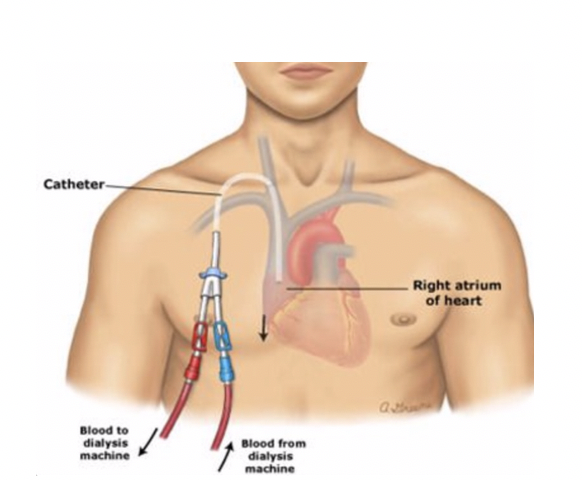
HD catheter insertion

Lawrence was visited by the various specialists on the 3rd and no other changes were made to his care plan. He remained afebrile with stable blood pressures and was beginning to feel better.

Hospital Day 3 – Hemodialysis No. 2 – anuria and altered mental status

On April 4, 2018, Lawrence continued to have diarrhea, although it was no longer bloody. He was now producing almost no urine and was having swelling in both lower extremities. Doppler studies failed to demonstrate any blood clots in the deep veins of his legs. Dr. Katthad continued to trend Lawrence’s lab results, noting a continued decline in his LDH level and a return of his platelets to normal range, and his haptoglobin and peripheral smear were unremarkable. However, Dr. Zou observed that he was effectively anuric with only a 100 ml urinary output in 24 hours, despite of a 5-liter positive fluid balance (3820 input, 2420 output, accounting for fluid removal in dialysis as well as urinary output). His renal function remained markedly abnormal, with a BUN and creatinine of 71 and 7.9.

Dr. Zou discussed doing a renal biopsy to assist with diagnosing the cause for his renal failure, and Lawrence agreed to the procedure and it was scheduled for the 5th. His urine culture was not growing any bacteria thus far. Although hemodialysis had been planned to skip a day and resume on the 5th, Dr. Zou ordered a second session that morning given his worsening renal status.

Dr. Murphy came in for the hospitalist service around midday and was concerned to hear that Lawrence was having hallucinations. He reported seeing things in his room like a hair net and seeing water on the floor when there was none. His blood pressure was doing better and was currently 113/58. He continued to receive albumin in his IV fluids to combat a tendency for hypotension. Dr. Murphy discussed Lawrence’s altered mental status with him and his wife at the bedside, with a plan to consult psychiatry. She was less concerned that his white count was still elevated at 22.9 as he remained afebrile. He was tolerating a renal diet.

Hospital Day 4 – Hemodialysis No. 3 – Renal biopsy

On April 5, 2018, Lawrence’s renal function was no better, with only 120 ml of urinary output in 24 hours, although his serum creatinine was improved at 6.8. What little urine he was producing was significant for a large amount of protein, bilirubin, and leukocyte esterase. His white count remained elevated at 20.3. His liver enzymes were slightly elevated over the prior few days, but a viral hepatitis screen was negative. Another hemodialysis session was implemented that afternoon.

Dr. Murphy came in for the hospitalist service and noted that Lawrence had continued to exhibit confusion during the night. He was better at the time of her visit, but the nurses remarked he had been “quite agitated” overnight. He was alert and oriented to Dr. Murphy’s exam but wanted to know when he could leave the hospital. She ordered an atypical antipsychotic drug (risperdone[8]) for his agitation while a psychiatry consultation was pending.

In the early afternoon, William Romano, MD took Lawrence for a CT guided left-renal cortical core biopsy, which was satisfactorily performed using conscious sedation. The biopsy samples were sent to surgical pathology for analysis. Later in the evening, Kimberly M. Nelson, PA came in for a psychiatry consultation regarding Lawrence’s altered mental status, with confusion and hallucinations. He was doing better that day, but she continued him on the medication started by Dr. Murphy, adding Ambien to be used as needed if he had trouble sleeping. She planned to visit Lawrence daily and remained available for consultation.

Hospital Day 5

On April 6, 2018, Dr. Khattab came in for hematology and reviewed Lawrence’s morning labs, noting that his LDH continued to go down and his haptoglobin was normal. “This argues against ongoing hemolysis.” He again opined that Lawrence’s anemia and thrombocytopenia could be from bleeding and acute inflammation and not necessarily from MAHA, especially given the lack of convincing significant schistocytosis on his peripheral blood smear. His platelets continued to be in normal range. His hemoglobin was slowly worsening since the 4th (8.3à7.9), but his white count had been slowly improving during that time (22.9à20.8).

Dr. Mumick came in for nephrology during the afternoon and observed that Lawrence was still oliguric, but he deferred hemodialysis that day. He considered Lawrence’s hemoglobin “relatively stable,” but his BUN and creatinine remained significantly abnormal at 32 and 5.5, although that was improved from the 5th (49 and 6.8). Lawrence’s renal biopsy results were still pending, as were his results for ADAMTS13[9] testing.

Hospital Day 6-8 – Hemodialysis No. 4 and 5

On April 7, 2018, Lawrence underwent his fourth hemodialysis treatment. He was still oliguric, but Dr. Mumick approved the removal of his Foley catheter, as he was clinically stable. Dr. Mumick gave Lawrence a break from hemodialysis on April 8 and resumed it on the 9th, potentially planning the next session for the 11th. On April 9, 2018, Lawrence’s white count was almost down to normal range, and his anemia remained stable.

Hospital Day 9-10 – Renal biopsy shows post-infectious glomerulonephritis

On April 10, 2018, surgical pathologist Ekaterina Castano, MD called and discussed Lawrence’s renal biopsy results with nephrologist Sachin N. Desai, MD and give him on preliminary report, explaining the findings were suggestive of post-infectious glomerulonephritis. There was no indication of acute tubular necrosis. Dr. Desai reviewed Lawrence’s labs the next morning of April 11, 2018, which showed a worsening of his creatinine level, but his urinary output had begun to increase. He had some lower extremity swelling suggestive of fluid overload, but he had no chest pain or shortness of breath. Dr. Desai did not think Lawrence needed hemodialysis that day.

Hospital Day 11-12 – Discharged. home

On April 12, 2018, Dr. Desai came back to see Lawrence in the afternoon and was happy to hear that his urinary output continued to increase. This was by subjective reporting, as Lawrence’s Foley catheter had been removed. His white count was in normal range and his anemia was stable, if still significant. His BUN and creatinine had improved to 37 and 2.4 off dialysis. Dr. Desai ordered the removal of his hemodialysis catheter.

Hospitalist Lawrence Chua, MD came in to evaluate Lawrence for discharge home on April 13, 2018. He reviewed each day of his hospitalization for the record and noted that Lawrence had received five hemodialysis treatments. His episodes of confusion had not recurred, and psychiatry continued the antipsychotic medication as needed after an initial consult. A brain CT showed no acute intracranial disease. Physical therapy and occupational therapy worked with Lawrence during the last few days of his hospitalization, working to mobilize him and improve his stamina for a safe discharge to home self-care with only minor assistance from his family. Lawrence was discharged from the hospital that afternoon with the discharge diagnoses of “acute renal failure secondary to acute tubular necrosis and post-infectious glomerulonephritis—no evidence of acute interstitial nephritis,” “bloody diarrhea with stool positive for Shiga toxin 2,” “anemia,” “colitis,” “thrombocytopenia—improved,” “hyponatremia—improving,” “metabolic acidosis—improving,” “lower extremity swelling,” “hypotension—better with albumin and NS,” and “elevated liver function.”

Return to Deer Valley Hospital – possible pulmonary embolism

Over the next few days,  Lawrence experienced some episodes of shortness of breath when he was up and about, as well as awakening at night feeling uncomfortable in his upper chest. On April 15, 2018, he returned to Deer Valley Hospital in the early afternoon, where Jennifer Prosser, DO admitted him from the emergency department after a chest CT revealed he had small bilateral pleural effusions. She thought this was consistent with compressive atelectasis and/or pneumonia. He had a small right kidney stone, minimal ascites, as well as gallstones noted on imaging. Lawrence reported he still had leg swelling, but venous duplex monitoring of his lower extremities ruled out a deep vein thrombosis. His labs showed a normal white count and stable anemia, and his renal function showed continued improvement since he was discharged on the 13th.

Dr. Prosser ordered a nuclear medicine lung V/Q scan to rule out a pulmonary embolism. Interventional radiologist Barry Sadegi, MD performed the exam and identified a “large triple-matched defect of the right lower lobe, with intermediate probability for pulmonary arterial embolism.” Dr. Prosser requested a pulmonary consultation.

Hospital Day 2

On April 16, 2018, Cristian Jiveau, MD came in for the pulmonary consultation and reviewed the imaging from the night before. He identified a number of concerns, including the CT chest that suggested right lung consolidation vs. atelectasis, as well as the V/Q scan revealing a likely pulmonary embolism. Dr. Jiveau started Lawrence on IV antibiotic therapy with Unasyn and advised that he be up and ambulating while he was hospitalized. He ordered Mucomyst[10] for renal protection prior to getting pulmonary CTA imaging to investigate the possible embolism further. Dr. Jiveau consulted with nephrology, who thought that Lawrence needed to be diuresed, but they would hold that for 24 hours after the IV contrast needed for the pulmonary CTA to avoid further renal injury.

Dr. Mumick came in for nephrology and reviewed the renal lab results done on Lawrence’s admission, noting an improvement of his serum creatinine to 1.4 that day. He observed that he had been put on a heparin drip to minimize a deep vein thrombosis and that he was slated for a CTA the next day to definitively diagnose or rule out a pulmonary embolism. He agreed with aggressive diuresis after the CTA and agreed with the Mucomyst premedication.

Hospital Day 3-4 – CTA rules out pulmonary embolism

On April 17, 2018, Lawrence underwent a pulmonary CT angiogram, which was negative for a pulmonary embolism. David Porvin, DO came in for pulmonary and noted that Lawrence had improved shortness of breath and he was being successfully diuresed after the CTA. His doctors were able to stop his heparin drip and changed it to three times daily injections for DVT prophylaxis. Lawrence continued to do well overnight, and he was initially planned to be discharged from the hospital on April 18, 2018. Ronald Allen Charles, MD evaluated him and reviewed his hospital course. After consulting with nephrology, the decision was made to keep Lawrence an extra night for continued diuresis.

Hospital Day 5 – going home

On April 19, 2018, Lawrence was doing well and had no recurrent of dyspnea. His doctors felt that his clinical presentation that led to his current admission was likely the result of fluid overload that was residual from his prolonged hospitalization for E. coli infection, acute renal failure, and hemodialysis. He was released that afternoon to outpatient follow-up. Dr. Charles gave him a prescription for a diuretic to take at home.

Home and slowly improving…

Charles reflects on his hospitalization and going home to South Dakota:

I had 5 dialysis treatments because my kidneys were not working. My sister from South Dakota had flown down and was staying at a nearby hotel. My kidneys started working again with lots of prayers from family near and far. At that point they let me go back to my daughter’s home in Phoenix for a few weeks. My wife’s sister flew down from South Dakota and helped to drive us home.

Sanford Health – Beresford Clinic

May 14, 2018, Charles presented to Sanford Health – Beresford Clinic – in Sioux Falls, South Dakota, where Judith Nelson, APRN saw him in follow-up of his hospitalization for “bloody diarrhea after eating Casear salad at a fast food restaurant.” She noted that Lawrence had just returned home to Beresford the week before. On exam, she found his lungs were clear, and his lab work that day revealed still-abnormal renal function, with a BUN and creatinine of 23 and 1.40. She made no changes to his medications (Bumex for diuresis, and hydralazine for blood pressure) and asked him to return in three months for a recheck. Lawrence returned to see NP Nelson on July 20, 2018 for unrelated blood pressure issues and chronic knee pain.

Avera Medical Group Nephrology – diagnosis CKD Stage 3

On August 15, 2018, Lawrence presented to Avera Medical Group Nephrology, where Arvin Santos, MD saw him in follow-up of acute renal failure. Dr. Santos observed that Lawrence did not have a known history of chronic kidney disease until being hospitalized the previous April with enteritis/colitis needing short term dialysis in Arizona, although a review of his records revealed microscopic hematuria in 2012. He had a longstanding history of hypertension but no diabetes.

Dr. Santos diagnosed Lawrence with acute renal failure with hematuria and proteinuria, which he thought was likely chronic kidney disease stage 3 (CKD-3). He thought that Lawrence’s serum creatinine was stable since his admission and that his current value could be his new baseline. He explained the importance of hypertension, hyperlipidemia, and blood sugar control to avoid worsening kidney disease. He advised Lawrence to avoid NSAIDs, since they could also cause kidney failure. Lawrence admitted to taking a lot of NSAIDs in the past. Dr. Santos requested lab tests to include blood testing for autoimmune disorders, as well as a renal ultrasound.

Lawrence underwent a bilateral renal ultrasound on August 26, 2018, which revealed kidney stones (calculi) that were non-obstructing, and a follow-up CT scan was ordered. On August 21, the CT scan was performed by Jonah Luzier, MD, during which he observed an increase in the size of his bilateral renal calculi. The extrarenal right renal pelvis remained mildly dilated at 17 mm which was decreased from 21 mm by comparison with prior imaging.

On September 6, 2018, Lawrence returned to see Dr. Santos and discussed that his clinical presentation laboratory analyses were consistent with a diagnosis of chronic kidney disease, stage 3 (CKD-3).[11] His serum creatinine was stable at 1.3, which he reiterated was likely his baseline. They discussed his renal CT, showing dilation of right pelvis, as well as possible hydronephrosis. Dr. Santos noted that Lawrence had seen Matthew Witte, MD at Urology Specialists Clinic in the past, who would re-consult. Dr. Santos explained the importance of hypertension, hyperlipidemia, and blood sugar control to avoid worsening kidney disease. He also explained the importance of avoiding NSAIDs since this could also cause kidney failure.

Dr. Santos advised a renal stone diet, which included but was not limited to low salt, low animal protein, low oxalate, and normal calcium dietary intake. He advised him to increase his oral fluids to achieve a urine output goal of greater than 2 liters in 24 hours. Finally, Dr. Santos addressed Lawrence’s history of gout and the need to keep his uric acid under 7 to avoid worsening renal function.

Urology Specialists Clinic

On October 22, 2018, Lawrence presented to Urology Specialists Clinic, where Dennis Thum, MD saw him in consultation for his “significant right-sided stone burden noted on CT.” He reported no current pain from his kidney stones. Dr. Thum ordered a urine culture and discussed doing a right ureteroscopy laser lithotripsy to break up the stones. After discussing the risks and benefits, Lawrence agreed to the procedure. This was done on November 9, 2018 at USC Ambulatory Services Center. He continued follow-up with Dr. Thum in December.

Aftermath

Charles reflects on his E. coli infection and how he is doing now:

It was not fun running to the bathroom every little while, and this still continues. I had to wear diapers for quite some time which is humiliating. I don’t remember a lot of what happened as they gave me a lot of pain medications. When I started dialysis I became very depressed and gave the RN’s a bad time and thought I was done for. My family had left me in the hospital and I thought I was going to be there for a long time or forever. I was very unhappy and felt like my life might be over.

Most everyone I knows was in South Dakota so I was not able to spend time with them until I was well enough to return home. I probably wasn’t the best of company myself, you tend to feel sorry for yourself in these situations, wondering how it will turn out. I am lucky my friends came to see me and support me. My sister and sister in law both flew down to Arizona were great support for both me and for my wife. My sister cheered me up and my sister in law helped us pack up to drive back home. Most of my friends are in South Dakota so I had a lot of people calling and texting me their love and support.

The doctors told me what could happen to me, to have me prepared for the worst and the best that could happen as a result of my kidney damage from contracting e coli. I am glad the worst has not happened, but I worry about the future as a result of what happened. I am hoping to get better as time goes by.

It has slowed me down a lot. When traveling anywhere, I have to be aware of where a restroom could be constantly. I have to urinate frequently because of one of the pills I now have to take to get rid of excess fluids. I have not been able to golf , I lost a lot of weight while in the hospital and it has been hard to regain my strength back.

I now have a kidney Dr. Santos,  in South Dakota and was tested this past week and said I have 52-53% kidneys working at present. I have to be careful not to harm them anymore.

 

Lawrence looking gaunt on March 6, 2019

The causal link between Lawrence O’Conner’s E. coli O157 infection and the romaine lettuce that he consumed at Red Lobster is clear. Lawrence consumed contaminated romaine lettuce in a Caesar Salad from Red Lobster located in Peoria, Arizona on March 23, 2018.

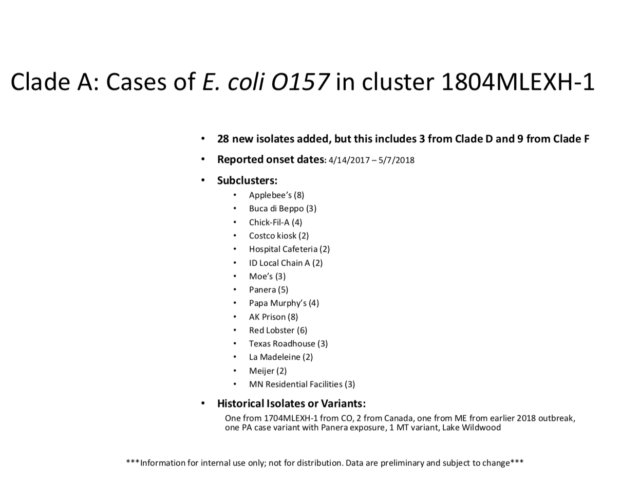
Lawrence began to experience symptoms consistent with E. coli infection on March 26, 2018. An exposure on March 23 is consistent with an incubation period that averages 3 to 4 days for Shiga toxin-producing E. coli (STEC). A stool specimen collected on March 29, 2018 tested positive for STEC O157 and Shiga toxin at Banner Thunderbird Medical Center in Glendale, Arizona. This specimen was sent to the Arizona Department of Health Services, as Lawrence was spending time in Arizona that winter, where further genetic testing determined that Lawrence’s E. coli infection was a genetic match to the Yuma, Arizona romaine E. coli outbreak strain (PFGE pattern EXHX01.0047/ EXHA26.0626).

Given Lawrence’s infection with STEC O157, his exposure to romaine lettuce within the average STEC incubation period, and his illness during the peak of the multistate outbreak associated with Yuma, Arizona romaine lettuce, Lawrence was identified as a confirmed case in the Yuma, Arizona romaine E. coli outbreak (Outbreak ID: 1804MLEXH-1) by the South Dakota Department of Health.

____________________________________________________

[1]           Reference ranges for this lab: WBC 4.0-11.0K, Hgb 13.5-17.0 g/dL, hematocrit 40-53%, platelets 130-450K, BUN 5-20 mg/dL, serum creatinine 0.5-1.30 mg/dL, AST 14-59 U/L, ALT 11-66 U/L, total bilirubin 0.0-1.3 mg/dL, CRP 0.0-9.9 mg/dL, ESR 0-20 mm/hr

[2]           It is unclear in the medical record whether Lawrence was notified of the positive Shiga toxin 2 result.

[3]                Cirrhosis is a chronic disease of the liver characterized by scarring of the liver with loss of normal hepatic architecture and areas of ineffective regeneration. Clinical symptoms result from loss of functioning liver cells and increased resistance to blood flow through the liver (portal hypertension). Venes, Donald. Taber’s Cyclopedic Medical Dictionary (Taber’s Cyclopedic Medical Dictionary (Thumb Index Version)) (Page 494). F.A. Davis Company. Kindle Edition.

[4]           The hallmark of hemolytic uremic syndrome in the peripheral smear is the presence of schistocytes. These consist of fragmented, deformed, irregular, or helmet-shaped RBCs. They reflect the partial destruction of red blood cells (RBCs) that occurs as they traverse vessels partially occluded by platelet and hyaline microthrombi. The peripheral smear may also contain giant platelets. This is due to the reduced platelet survival time resulting from the peripheral consumption/destruction. A consumptive coagulopathy is typically not present. Nayer, Ali, and Luis M. Ortega. “Journal of Nephropathology.” Journal of nephropathology 3.1 (2014).

[5]           Microangiopathic hemolytic anemia

[6]           The hemolytic-uremic syndrome (HUS) is defined by the association of hemolytic anemia (low haptoglobin levels, high lactate dehydrogenase levels, and schistocytes), thrombocytopenia, and acute renal failure. Olivia Boyer and Patrick Niaudet, “Hemolytic Uremic Syndrome: New Developments in Pathogenesis and Treatment,” International Journal of Nephrology, vol. 2011, Article ID 908407, 10 pages, 2011. doi:10.4061/2011/908407

[7]           Oliguria is defined as a urine output that is less than 1 mL/kg/h in infants, less than 0.5 mL/kg/h in children, and less than 400 mL daily in adults. It is one of the clinical hallmarks of renal failure and has been used as a criterion for diagnosing and staging acute kidney injury (AKI), previously referred to as acute renal failure. https://emedicine.medscape.com/article/983156-overview

[8]           Risperdone is an atypical antipsychotic sometimes used to treat “ICU delirium.” While the pathophysiology of delirium is still not entirely understood, there is certainly evidence to support the hypothesis of a final common pathway of an ongoing hyperdopaminergic and hypocholinergic state perhaps triggered by oxidative stress and associated with excitotoxicity. Trzepacz PT. Is there a final common neural pathway in delirium? Focus on acetylcholine and dopamine. Semin Clin Neuropsychiatry. 2000;5(2):132–148. [PubMed]

[9]           In nearly all patients, aHUS can be distinguished from TTP on the basis of an ADAMTS13 (a disintegrin and metalloproteinase with a thrombospondin type 1 motif, member 13) enzyme activity measurement. It is essential that aHUS and TTP be differentiated quickly, as they require markedly divergent treatments. The standard treatment for TTP is plasma exchange, a therapy that has no role for patients with a diagnosis of aHUS established by ADAMTS13 activity levels. http://www.hematologyandoncology.net/files/2013/02/ho1012_sup171.pdf

[10]         Mucomyst (NAC) is the brand name for acetylcysteine, a medication ordinarily used to treat acetaminophen overdose. It is also used to loosen thick pulmonary mucus secretions, such as is seen in cystic fibrosis or COPD, as well as to prevent contrast-induced nephropathy (CIN). Although the exact mechanism responsible for the protective action of NAC from renal function deterioration remains unclear, the antioxidant and vasodilatory properties of NAC have been suggested as the main mechanisms. Jo, Sang-Ho. “N-acetylcysteine for Prevention of Contrast-Induced Nephropathy: A Narrative Review” Korean circulation journal vol. 41,12 (2011): 695-702.

[11]         A person with stage 3 chronic kidney disease (CKD) has moderate kidney damage. This stage is broken up into two: a decrease in glomerular filtration rate (GFR) for Stage 3A is 45-59 mL/min and a decrease in GFR for Stage 3B is 30-44 mL/min. As kidney function declines waste products can build up in the blood causing a condition known as “uremia.” In stage 3 a person is more likely to develop complications of kidney disease such as high blood pressure, anemia (a shortage of red blood cells) and/or early bone disease. Reference: https://www.davita.com/kidney-disease/overview/stages-of-kidney-disease/stage-3-of-chronic-kidney-disease/e/4749

E. coli outbreaks associated with lettuce, specifically the “pre-washed” and “ready-to-eat” varieties, are by no means a new phenomenon. In fact, the frequency with which this country’s fresh produce consuming public has been hit by outbreaks of pathogenic bacteria is astonishing. Here are just a sample of E. coli outbreaks based on information gathered by the Center for Science in the Public Interest, Kansas State University, Barf Blog and the Centers for Disease Control and Prevention:

Date Vehicle Etiology Confirmed
Cases
States/Provinces
July 1995 Lettuce (leafy green; red; romaine) E. coli O157:H7 74 1:MT
Sept. 1995 Lettuce (romaine) E. coli O157:H7 20 1:ID
Sept. 1995 Lettuce (iceberg) E. coli O157:H7 30 1:ME
Oct. 1995 Lettuce (iceberg; unconfirmed) E. coli O157:H7 11 1:OH
May-June 1996 Lettuce (mesclun; red leaf) E. coli O157:H7 61 3:CT, IL, NY
May 1998 Salad E. coli O157:H7 2 1:CA
Feb.-Mar. 1999 Lettuce (iceberg) E. coli O157:H7 72 1:NE
Oct. 1999 Salad E. coli O157:H7 92 3:OR, PA, OH
Oct. 2000 Lettuce E. coli O157:H7 6 1:IN
Nov. 2001 Lettuce E. coli O157:H7 20 1:TX
July-Aug. 2002 Lettuce (romaine) E. coli O157:H7 29 2:WA, ID
Nov. 2002 Lettuce E. coli O157:H7 13 1:Il
Dec. 2002 Lettuce E. coli O157:H7 3 1:MN
Oct. 2003-May 2004 Lettuce (mixed salad) E. coli O157:H7 57 1:CA
Apr. 2004 Spinach E. coli O157:H7 16 1:CA
Nov. 2004 Lettuce E. coli O157:H7 6 1:NJ
Sept. 2005 Lettuce (romaine) E. coli O157:H7 32 3:MN, WI, OR
Sept. 2006 Spinach (baby) E. coli O157:H7 and other serotypes 205 Multistate and Canada
Nov./Dec. 2006 Lettuce E. coli O157:H7 71 4:NY, NJ, PA, DE
Nov./Dec. 2006 Lettuce E. coli O157:H7 81 3:IA, MN, WI
July 2007 Lettuce E. coli O157:H7 26 1:AL
May 2008 Romaine E. coli O157:H7 9 1:WA
Oct. 2008 Lettuce E. coli O157:H7 59 Multistate and Canada
Nov. 2008 Lettuce E. coli O157:H7 130 Canada
Sept. 2009 Lettuce: Romaine or Iceberg E. coli O157:H7 29 Multistate
Sept. 2009 Lettuce E. coli O157:H7 10 Multistate
April 2010 Romaine E. coli O145 33 5:MI, NY, OH, PA, TN
Oct. 2011 Romaine E. coli O157:H7 60 Multistate
April 2012 Romaine E. coli O157:H7 28

1:CA

Canada

June 2012 Romaine E. coli O157:H7 52 Multistate
Sept. 2012 Romaine E. coli O157:H7 9 1:PA
Oct. 2012 Spinach and Spring Mix Blend E. coli O157:H7 33 Multistate
Apr. 2013 Leafy Greens E. coli O157:H7 14 Multistate
Aug. 2013 Leafy Greens E. coli O157:H7 15 1:PA
Oct. 2013 Ready-To-Eat Salads E. coli O157:H7 33 Multistate
Apr. 2014 Romaine E. coli O126 4 1:MN
Apr. 2015 Leafy Greens E. coli O145 7 3:MD, SC, VA
June 2016 Mesclun Mix E. coli O157:H7 11 3:IL, MI, WI
Nov. 2017 Leafy Greens E. coli O157:H7 67 Multistate and Canada
Mar. 2018 Romaine E. coli O157:H7 219 Multistate and Canada
Dec. 2018 Romaine E. coli O157:H7 91 Multistate and Canada

Louise Fraser is a 66-year-old woman who lives in Flemington, New Jersey with her husband David. She and David have two adult children, Brian and Rebecca, who are in their thirties. Louise works in property management for Punia and Marx, Inc. On March 20, 2018, Louise purchased and consumed a Fuji Apple Chicken Salad at Panera Restaurant in Raritan, New Jersey. She had no way of knowing that the salad was contaminated by the potentially deadly fecal pathogen, E. coliO157:H7 and she was soon to become violently ill as a result.

Louise Fraser

Symptom onset

After leaving the restaurant, Louise went about her day and did not immediately feel sick. However, over the next few days she knew there was something seriously wrong with her. She first experienced loose stools on March 23, 2018, which progressed to full-blown diarrhea on the 24th. Over the next 24 hours, she developed severe stomach cramping, nausea, vomiting, headache, body aches, and a fever of 101.3ºF. When her diarrhea turned bloody, she knew she had to seek medical attention.

Hunterdon Medical Center

On Sunday, March 25, 2018 at around 8 PM, Louise presented to Hunterdon Medical Center, where Tracey Keegan, APN evaluated her in the emergency department. In triage, Louise described having a stomach ache since the previous Friday, which she blamed on eating fried foods. But she got worse and worse over the weekend, and that morning she had nausea and vomiting, with one episode so violent she became incontinent of her diarrhea stool. That was when she noticed the blood in her stool. While changing into a gown in the ER, the nursing staff noticed that Louise was wearing a maxi pad to spare her clothing from the diarrhea, which was covered in bloody stool. She reported having taken Excedrin for her fever, and she was currently experiencing constant lower abdominal cramping.

On exam, Louise did not have a fever and her exam was largely unremarkable. She was started on intravenous fluids to correct her dehydration and blood was sent to the lab for analysis. When the results began to filter in, her white count was in normal range but exhibited a predominance of neutrophils. Her kidney function was currently unremarkable, but her liver enzymes were marginally elevated (ALT 65, AST 69), and her potassium was low. A urinalysis was negative for infection. Stool was also sent to the lab for analysis, with the results pending. Her coagulation profile (INR/PT) was in normal range.

Colitis on CT

Louise underwent an IV-contrast-enhanced CT of her abdomen and pelvis, which revealed a diffusely edematous-appearing right colon, with a small amount free fluid adjacent to her liver. The radiologist also noted mild sigmoid diverticulosis, as well as a 13 mm “sharply demarcated smoothly marginated pancreatic cystic lesion.” The latter finding was not considered significant to Louise’s acute clinical presentation but the radiologist thought this should be reassessed by MRI. The nurse practitioner conferred with the hospitalist attending, who decided to admit Louise to the hospital for colitis. While awaiting a bed, she was made more comfortable in the ER with the administration of morphine for her pain and Zofran for nausea. Her doctors initially suspected Louise might have spontaneous bacterial peritonitis and started her on intravenous antibiotics (ciprofloxacin and Flagyl) while she was still in the ER.

Hospital Day 1 – Shiga toxin E. coli (STEC) confirmed

It was after midnight on March 26, 2018 by the time Mimi Mak, MD formally admitted Louise to the hospitalist service. She was most suspicious that Louise had infectious colitis and put her on a clear liquid diet, continuing the antibiotic therapy with ciprofloxacin and Flagyl. A recheck of Louise’s potassium showed it had already rebounded, and the rest of her electrolytes were also stable. Dr. Mak requested a gastroenterology consultation for Louise’s colitis.

Howard Garson, MD came in for the gastroenterology consultation at the request of Dr. Mak, agreeing with her assessment that Louise likely had infectious colitis. A preliminary test for toxigenic C. difficile was negative, and there were fecal leukocytes[1], but the other stool studies were pending. Dr. Garson wanted to do a colonoscopy the following morning for further evaluation, and he wanted an MRI done to look at the pancreatic cyst. Later that evening, the laboratory reported a critical value to the floor that Louise’s stool was positive for Shiga toxin E. coli (STEC). The laboratory reported Louise’s Shiga toxin E. coliresult to the health authorities. With a new diagnosis of STEC, Dr. Mak discontinued Louise’s Flagyl, but she continued the ciprofloxacin.

Hospital Day 2-4

On March 27, 2018, Dr. Mak came in for the hospitalist service, and Louise reported that she was still feeling very sick. Over the next 24 hours, her abdominal pain improved and she described it as more like “gas pain” than the sharper cramping she was having before. She still had bloody diarrhea, but the quantity was diminishing.

Radiologist Lara Branche, MD and Andrea Lyons, MD took Louise for a contrast-enhanced MRI of her abdomen on March 28, 2018. They thought the pancreatic cystic lesion looked benign but should be followed up in about six months. They continued to observe “abnormal-appearing” bowel loops, consistent with enterocolitis. The radiologists also identified a moderate amount of ascites[2]in Louise’s abdomen.

The next 24 hours brought more discomfort, abdominal distension, and bloating, and Louise complained of increased gassiness. Her diarrhea was improving, and she was no longer nauseated. Louise’s bloating was so prominent, Dr. Mak suspected an ileus[3], but the MRI and x-rays showed no acute findings besides the colitis. She treated Louise with simethicone for the gas and provided IV morphine for pain.

Louise recalls how painful her abdomen was:

Similar to childbirth, the exact nature of my pain is a blur. But I definitely remember indicating the pain was generally 8-10 on a scale of 1-10. I also remember feeling so bad that I did not want the TV on, could not talk with anyone on the phone (my husband took care of communication with family) and wanting to keep my eyes closed for at least the first 4-5 days. Additionally, I did not want to eat. I was limited to a liquid diet for quite some time and had no interest in broth as I had vomited after having chicken soup a few hours before going to the hospital. I had a few servings of my favorite food, ice cream, but then could not even manage to eat that. I hardly ate anything for about 8-10 days.

Initially the pain I experienced required morphine, then Motrin, and finally other over the counter pain relievers. My doctors were very concerned about my kidneys and kept pushing fluids to prevent my kidneys from shutting down and eliminating the need for dialysis. They were also constantly monitoring my blood tests that resulted in serious concern regarding white cells, platelets, creatinine, and red cells.

During my stay I underwent many tests including daily blood tests, CAT Scan, Ultrasound, and MRI. Halfway through my stay an ultrasound indicated the need for the very painful paracentesis procedure during which using a needle they drained 2.5 cups of fluid from my abdomen. This unexpected procedure when I was about to be released made me actually fear going home. Because of the fluid retention and limited activity, I was very uncomfortable and wanted to be certain I would not need to return after being released. I had heard that another victim was released after a week only to be readmitted

Hospital Day 5

On March 30, 2018, Louise continued to be miserable with distension, bloating, and gas. Her diarrhea continued. Her labs showed an elevation of her white blood cell count to 18.9, and she developed acute blood loss anemia, with a hemoglobin of 9.9. Dr. Mak was concerned about Louise’s symptoms and repeated an ultrasound that showed her ascites was getting worse. Louise was taken to interventional radiology for a paracentesis to remove some of the fluid. The radiologist removed 600 mL of ascitic fluid and sent it to the lab for analysis. The lab reported that the fluid contained white blood cells and blood, and a culture was set up of the fluid. Louise felt more comfortable after the paracentesis, but it was transient.

Hospital Day 6 – HUS

On April 1, 2018, Louise’s lab results exhibited a number of significant abnormalities, including a drop in her platelets to 23K, and her hemoglobin and hematocrit to 8 and 23.1%. Her white count was still elevated if improved at 15.6K. Her liver function was normalizing. Her BUN was 22 and creatinine 0.98. Dr. Mak requested a hematology consultation.

Hematologist Kenneth Blankenstein, MD came in for the consultation and reviewed Louise’s peripheral blood smear himself, identifying “a left-shifted[4]myeloid morphology” as well as occasional schistocytes. Dr. Blankenstein commented in his chart note:

Certainly in the face of Shigella [sic] toxin, one has to be concerned about [Shiga] toxin-induced HUS (hemolytic uremic syndrome). This is less likely with a normal renal function. However, her creatinine has been slowly rising and sometimes with this entity it takes time for the renal insufficiency to develop.

I do see some signs of what looks like a microangiopathy with schistocytes and therefore, will need to rule out TTP (thrombotic thrombocytopenic purpura). My plan is to order an LDH which should be elevated in both of these entities and a reticulocyte count as well. I will also get a haptoglobin and an ADAMTS13 to rule out TTP. DIC (disseminated intravascular coagulation) looks like it has been ruled out so I don’t think this is the cause. The other possibility is that it could be drug-related. The antibiotics were stopped today. My plan is to see what her numbers are tomorrow, get other tests, she may need further intervention possibly with plasmapheresis if we think this is a true microangiopathic process

Infectious disease consultation – antibiotics discontinued

With hemolytic uremic syndrome added to the list of Louise’s potential diagnoses, an Joseph Gugliotta MD came in for an infectious disease consultation during the afternoon. He reviewed Louise’s medical history and exposure history, and they went over the onset and progression of her diarrhea illness. Dr. Gugliotta stated an awareness of a recent outbreak of “Escherichia coliShiga-toxin-positive disease associated with eating at Panera,” and Louise acknowledged that she had eaten there right before she got sick. He reviewed her admission labs, as well as her treatment to date that included antibiotic therapy. Dr. Gugliotta observed:

Since admission, several things have happened. The patient has developed increasing abdominal girth and ultrasound and other modalities show some ascites. She underwent magnetic resonance imaging (MRI) of the abdomen with and without contrast. This showed a cystic lesion in the body of the pancreas, ascites and findings consistent with enterocolitis. Stool was negative for Salmonella, Aeromonas and Plesiomonas. Stool negative for Clostridium difficiletoxin. Stool showed rare white cells. Stool was negative for Shiga toxin 1, positive for Shiga toxin 2. Campylobacterantigen negative. Ascitic fluid was tapped and is culture negative to date, was performed on March 30, 2018. The patient received ceftriaxone on March 30, 2018, and March 31, 2018. Cell count of the paracentesis: White cells 695 with 53 polys, 3 lymphocytes, 42 macrophages, red cells 6042. Ultrasound of the legs was negative today for deep venous thrombosis (DVT).

Dr. Gugliotta reviewed the most recent lab results that showed Louise had significant anemia and low platelets. He agreed that her progressive thrombocytopenia and anemia, with evidence of hemolysis, were most consistent with a diagnosis of hemolytic uremic syndrome. While Louise’s serum creatinine was not highly elevated, he commented: “The renal function, it should be noted, is off by 50%, noting that she had a nadir level of 0.46 and now it is 0.98.” Dr. Gugliotta requested a renal consultation. Meanwhile, he discontinued Louise’s antibiotics and recommended supportive care only.

Louise was frightened when she learned she needed blood:

… my hemoglobin dropped below 8 requiring me to have 1 pint of blood transfused. A day later it dropped to 6.6 and I was given 2 more pints of blood. Needless to say that made quite an impact on my energy level. The day before I went to the ER I walked 5.75 miles at 13:48/mile. I generally walked 5-6 miles per day or ran 3 miles. Upon return home I was only able to walk about a 1/4 mile and that took me 20 minutes! It was quite frustrating to feel so weak.

Hospital Day 7-8 – nephrology consultation

On April 2, 2018, Bevon Miele, MD came in for nephrology at the request of Dr. Gugliotta. Louise’s labs that morning included a white count of 13,600, hemoglobin 6.6, hematocrit 18.7, platelets 18,000, BUN 23, creatinine 1.09, AST 64, ALT 23, total bilirubin 1.2, low haptoglobin (< 10), lactate dehydrogenase 1462 (up from 1262 on the 1st).[5]Her urinalysis, which had been unremarkable on admit, now showed 4+ protein, 3+ blood, and muddy urine sediment with multiple casts, “consistent with acute tubular necrosis.”

At the time of Dr. Miele’s consultation, Louise was in the middle of receiving of blood transfusion of a unit of packed red blood cells (pRBCs). She stated she was still having multiple episodes of diarrhea. Dr. Miele discussed the entities of hemolytic uremic syndrome (HUS) as well as thrombotic thrombocytopenic purpura (TTP), including the role of plasmapheresis, “… should she have thrombotic thrombocytopenic purpura.” Dr. Miele assigned Louise the diagnosis of “acute renal failure due to acute tubular necrosis on the basis of intravascular volume depletion and decreased renal perfusion.” He stated he saw no evidence of glomerulonephritis on direct microscopic evaluation of her urine sediment. Dr. Miele also diagnosed Louise with “hemolytic uremic syndrome secondary to Shiga toxin 2,” adding the comorbidities of hypoalbuminemia, hyperbilirubinemia, elevated liver function tests to the list. He observed that the marked elevation of her lactate dehydrogenase was consistent with HUS vs. TTP.[6]He requested additional lab tests to include a creatinine clearance and total protein, and he wanted her intake and output closely monitored with direct measurements as well as daily weights. He agreed with the transfusion of pRBCs to increase her intravascular volume and was interested in the results of the ADAMTS13 test already ordered, to rule out TTP, with a plan to repeat blood transfusions based on serial measurements of Louise’s hemoglobin and platelet counts. Louise required another transfusion of pRBCs on April 4th.

Hospital Day 9-12

On Thursday, April 5, 2018, Louise continued to be plagued with diarrhea, but it was no longer bloody, if still watery, and her abdominal pain was decreasing. She had a headache going on two days that was making her miserable. Her platelets began rebounding and her hemoglobin and hematocrit stabilized.

Louise recalls the worry of finding out something else might be wrong:

During most of my stay in the hospital I was connected to an IV making trips to the bathroom quite a chore particularly early on when the diarrhea was so frequent and urgent. Once the e-coli was discovered, doctors told me they were testing for HUS and something else that I don’t remember but could be fatal. While I am not a worrier, that definitely put a scare in me. The diagnosis of HUS was bad, but a relief at that point. I knew there was still the chance of kidney failure but trusted my doctors to do their best to prevent that. My greatest fear during my stay was kidney failure and needing dialysis. Thankfully, that was never needed.

Over the weekend, Louise continued to feel improvement and did not require another blood transfusion. Her main complaint was boating and gas, and her doctors were concerned about her ascites and likely fluid overload. She was put on Lasix to see if that might help that, with a plan to send her home on an oral form of the medication if it was effective.


Louise recovering in hospital

Louise recalls how fluid overloaded she was:

Throughout my hospital stay my body was retaining fluids causing me to be very bloated. I had gained about 20+ pounds of fluid! While I needed to get out of bed and walk, it was very difficult. In fact, I generally had to support my bloated belly with my hands to be able to walk. 10 minutes was about all I could do before needing to lay down. Showering was also a difficult experience. With all that fluid/bloating I was unable to reach my feet and often had to hold on to a railing for balance in the shower. Showering felt so good but was also quite exhausting. I was given intravenous diuretics for 3 days and then 3 days of pills after returning home. After all the fluid was gone I had actually lost about 8 pounds from not having eaten much for the first 8-10 days.

Hospital Day 13 – going home

On Monday, April 9, 2018, hospitalist Nuha Adburahman, DO evaluated Louise for discharge home. She reviewed her lab test results, noting that she had required three units of packed red blood cells during her admission for hemolytic and acute blood loss anemia. Her blood count and platelets were stable, and she no longer exhibited thrombocytopenia. She had continued to produce urine during her admission. Dr. Adburahman believed that the IV fluids and blood transfusions were the cause for Louise’s fluid overload, and the moderate ascites was from low blood albumin. She wanted Louise to continue taking Lasix for three days at home to continue to treat her fluid overload. Louise was currently tolerating a soft diet and was feeling less bloated.

Dr. Adburahman discharged Louise home that afternoon with a prescription for oral Lasix and vitamin and iron supplements. Louise’s discharge diagnoses included “Shiga toxin 2 producing Escherichia coliinfection,” “hemolytic uremic syndrome,” “acute anemia,” “ascites,” “thrombocytopenia,” and associated comorbidities of hypoalbuminemia, hyponatremia, osteoporosis, pancreatic cyst, hepatic cyst, chronic constipation, fatty liver, headaches, acute fluid overload, and hypokalemia.

Pleasant Run Family Physicians

On April 10, 2018, a nurse from Pleasant Run Family Physicians telephoned Louise to see how she was doing, and she reported that she was feeling better. She stated she was planning to get blood work done at their office in a few days, and had appointments lined up with gastroenterology. On the 13th, Louise’s labs revealed a white count 6.4, hemoglobin 9.9, hematocrit 31.7, platelets 450, BUN 10, creatinine 0l76, AST 17, ALT 18. These tests were repeated on the 20thand showed improvement in her anemia (Hgb 11.4, Hct 35.2, platelets 359) and stable liver and kidney function.

On May 22, 2018, Louise presented for a visit with Kimberly Martino, PA-C, who deemed her fully recovered from “HUS due to E. coli.” She was not having any diarrhea and she was urinating well without any problems. PA Martino recommended a probiotic to help replete her gut bacteria after having severe infectious diarrhea.

Home, getting better

Louise reflects on her hospitalization and its impact on her life:

After 2 nights of diarrhea, when it turned to bloody diarrhea on 3/25/18, I went to the ER, beginning my 15-day (3/25/18 – 4/9/18) stay in the hospital.

During most of my stay in the hospital, I was in isolation, requiring all staff and visitors to wear gloves and gowns. While this was merely an annoyance to my husband, because it was due to the risk to others as well as me, it meant my daughter was unable to visit as she was pregnant and we did not want to risk anything happening to her. Additionally, once I was diagnosed with HUS, family members were very worried about the risk of kidney failure for me. My illness was particularly worrisome for my mother who is 94. She had also been diagnosed with C. diff so even after I was feeling better, my doctor recommended that I not visit her for quite some time as there was still concern that I would be at risk as my organs were still compromised after what I had been through and my still needed more time to heal completely.

While not directly related to my illness, one of the hardest things I had to deal with during my time in the hospital was the loss of my dog. He was nearly 15 and we loved him so much. My husband was so upset that in spite of being in the hospital, I had to make the arrangements to have our dog euthanized. I was very upset and still regret that I could not be there with him during the procedure. It was difficult retuning home and not seeing him.

Thankfully, throughout this ordeal, I was not at risk of losing my job and did not suffer any wage loss. I was paid during the time I was in the hospital and after being released I was able to work from home for 2 weeks and then 3 hours a day in the office for the following two weeks. I was not able to physically be in the office due to the need to keep legs elevated and frequent rest periods, not to mention eating small meals about every two hours. Working from home provided a distraction from the physical discomfort.

I am uncertain as to whether there are any long-term effects from HUS but will be discussing that with my gastroenterologist. Additionally, there is always a chance of problems from having transfusions. I routinely donate blood every two months and have been told that I cannot donate blood for a year to be sure there are no negative effects from those transfusions.

This was by far the worst experience of my life. The pain and diarrhea were very difficult to endure. And two weeks in a hospital bed is the worst! I am a very active person and it took weeks to regain my strength and stamina. What was particularly bothersome is the fact that 5 people died and that could have been me!

Now that it seems they have determined where this e-coli epidemic originated, I certainly hope they will take steps to prevent future occurrences so no one else has to endure this horrific ordeal.

The causal link between Louise Fraser’s confirmed E. coliO157 infection and romaine lettuce purchased at Panera Bread is clear. On March 20, 2018 Louise purchased and consumed a Fuji Apple Chicken Salad from Panera Bread located in Raritan, New Jersey.

Louise began to experience symptoms consistent with E. coli infection on March 23, 2018. An exposure on March 20 is consistent with an incubation period that averages 3 to 4 days for Shiga toxin-producing E. coli (STEC). A stool specimen collected on March 26, 2018 tested positive for STEC O157:H7, negative for Stx1, and positive for Stx2 at Hunterdon Medical Center. This finding was confirmed at the New Jersey Division of Public Health and Environmental Laboratories. Further genetic testing determined that Louise’s STEC infection was a genetic match to an outbreak “of STEC O157:H7 associated with romaine lettuce/leafy green exposure.” This is most likely about the Yuma, Arizona romaine E. colioutbreak strain (PFGE pattern EXHX01.0047/ EXHA26.0626).

Given Louise’s confirmed infection with STEC O157,her exposure to romaine lettuce within the average STEC incubation period, and confirmation that Louise was related to a multi-state outbreak associated with romaine lettuce during the time of the Yuma, Arizona romaine E. colioutbreak (Outbreak ID: 1804MLEXH-1), Louise was implicated as a case in the outbreak by the New Jersey Division of Public Health and Environment and the Centers for Disease Control and Prevention (ID: NJ___180435).

________________________________________

[1]          Leukocytes are not normally seen in stools in the absence of infection or other inflammatory processes. Fecal leukocytosis is a response to infection with microorganisms that invade tissue or produce toxins, which causes tissue damage. “Test ID: LEU Fecal Leukocytes.” LEU – Clinical: Fecal Leukocytes. Mayo Clinic, n.d. Web. 26 Dec. 2016.

[2]          Ascitesrefers to edema marked by excess serous fluid in the peritoneal cavity. Venes, Donald. Taber’s Cyclopedic Medical Dictionary (Taber’s Cyclopedic Medical Dictionary (Thumb Index Version)) (Page 210). F.A. Davis Company. Kindle Edition.

[3]           Ileusrefers to the loss of bowel motility, occasionally resulting in intestinal obstruction. It is characterized by loss of the forward flow of intestinal contents, often accompanied by cramps in the abdomen, increasing abdominal distention, obstipation or constipation, vomiting, electrolyte disturbances, and dehydration. Ibidat 1196.

[4]          A left shiftis a phrase used to note that there are a high number of young, immature white blood cells (also called “bands” or “stabs”) present. Most commonly, this means that there is an infection or inflammation present and the bone marrow is producing more WBCs and releasing them into the blood before they are fully mature. “Left shift” is a term leftover from when older, standard lab reports displayed the immature cells on the left side of the page. Blumenreich, Martin S. “The White Blood Cell and Differential Count.” Clinical Methods: The History, Physical, and Laboratory Examinations. 3rd edition., U.S. National Library of Medicine, Jan. 1990, www.ncbi.nlm.nih.gov/books/NBK261/.

[5]          The hemolytic-uremic syndrome (HUS) is defined by the association of hemolytic anemia (low haptoglobin levels, high lactate dehydrogenase levels, and schistocytes), thrombocytopenia, and acute renal failure. Olivia Boyer and Patrick Niaudet, “Hemolytic Uremic Syndrome: New Developments in Pathogenesis and Treatment,” International Journal of Nephrology, vol. 2011, Article ID 908407, 10 pages, 2011. doi:10.4061/2011/908407

[6]          Hemolytic uremic syndrome (HUS) and thrombotic thrombocytopenic purpura (TTP) share the morphologic lesion of thrombotic microangiopathy (TMA), characterized by thrombi occluding the microvasculature. The HUS and TTP syndromes overlap clinically; however, certain features have been relied on to distinguish most cases labeled HUS, which is predominantly a disease of children younger than 5 years, from most cases labeled TTP, which is predominantly a disease of adults. Renal manifestations are more prominent than neurologic ones in HUS, whereas neurologic findings are more prominent than renal findings in TTP. Fogo, Agnes B., et al. “Thrombotic microangiopathies.” Fundamentals of Renal Pathology. Springer Berlin Heidelberg, 2014. 135-142.

The State of Arkansas is stepping up as a leader and pushing responsible retailers to stop selling a defective and potentially deadly product. Hopefully the FDA will act as well as the DEA.

Manufacturers and retailers be forewarned; if you sell this product and it causes harm, you will be held to account.  Insurers of these manufacturers and retailers, ask yourself is this a good insurance risk?

Senator Cotton Warns of Opioid Overdoses from Unwashed Poppy Seeds

An opioid epidemic is sweeping the country. More than sixty thousand Americans are dying from opioid overdoses each year-more than the number of Americans who died in all twenty years of the Vietnam War. What a staggering fact that is. But behind each number is a tragedy for a family who loses its loved one. Today, I want to tell the story of the Hacala family from Rogers, Arkansas. It’s a story of love, persistence, courage. And, I hope, a story that will save other families from the tragedy they felt.

Betty and Steve Hacala are joining us in the gallery today. I met Betty and Steve three weeks ago at a roundtable on the opioid epidemic in Little Rock with Attorney General Leslie Rutledge, state and local law enforcement, and the families of opioid victims. The news is full of tragic deaths from heroin, fentanyl, and prescription drugs. I met families that day whose children died from those well-known drugs. But I learned from the Hacalas about another killer: unwashed poppy seeds.

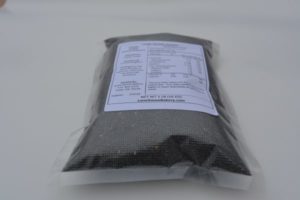
Their son, Stephen Jr., died in his sleep from an overdose two years ago. Stephen was only 24 years old, a recent graduate of the University of Arkansas. He loved to play guitar, and he was very accomplished at it. He was the joy of his parents’ life; he was the joy of his sisters Christina and Lauren’s lives. His sudden death came as a shock to them. But they got another shock when an autopsy determined that Stephen died of morphine intoxication. There were no drugs in his apartment-no pill bottles, no needles, nothing. What had been found was a five-pound bag of unwashed poppy seeds; Stephen had ordered the seeds on Amazon. The Arkansas Crime Lab soon determined that the poppy seeds were the source of the morphine that killed Stephen.

Stephen’s death resulted in part because of a dangerous gap in our nation’s drug laws. It’s been well known for ages that poppies are dangerous, both addictive and toxic. That’s why it’s illegal to grow or own almost any part of the poppy-the straw, the pod, the latex. But there’s an exception, of course, for poppy seeds, which many people enjoy on bagels, muffins, cakes, and other pastries. The seed itself isn’t addictive, but unwashed seeds tend to still have bits of the plant on them, which can be washed off and used to create a powerful narcotic. To give you a sense of just how deadly poppy-seed tea can be, a lethal dose of morphine is about 200 milligrams, but researchers at Sam Houston State University, commissioned by the Hacalas, concluded that there were about 6,000 milligrams of morphine in that five-pound bag of seeds that Stephen bought. That’s over 30 times the lethal dose. Stephen had no way of knowing just how toxic these seeds were.

While there are plenty of legitimate uses for washed poppy seeds, there are no legitimate uses for unwashed seeds. Yet drug dealers and unscrupulous merchants are abusing the legal status of washed seeds to profit and to push unwashed seeds, which are widely available through online retailers. And when you read the user comments, you can easily find instructions for how to brew poppy-seed tea and a description of its narcotic effects. So there’s no question of these unwashed seeds being used for grandma’s poppy-seed cake-it’s plain they’re being used to smuggle the banned drug into our homes, and the manufacturers and distributors should know that.

And Betty and Steve made sure they did. It’s hard to imagine the grief they feel. It would’ve been easy to despair. But they did not. They wanted to save other families from their fate, to be sure Stephen’s death would have meaning. They researched the issue, commissioning that report at Sam Houston State and studying the market for unwashed poppy seeds. And they became advocates, meeting with community leaders and elected officials. As I said, I only learned about the danger of unwashed poppy seeds by meeting the Hacalas.

After that meeting, I put in a call to the leadership of Walmart and Amazon, which at the time both allowed unwashed poppy seeds to be sold on their websites. They listened to our case and quickly agreed to stop selling poppy seeds that are labeled as unwashed. This is important. The two behemoths of online commerce agreeing to take down those seeds was a victory and a testament to what normal citizens like Steve and Betty can accomplish.

But this is more than a labeling problem. In fact, some of the most potent and deadly seeds, which we know about thanks to the work of Steve and Betty, are not labeled as unwashed and are still available for purchase. Therefore, I will work in the Senate and with the Drug Enforcement Agency to ban unwashed seeds entirely, but today I do want to take a moment to thank Amazon and Walmart for taking an important first step-for our country, for our state, and for the Hacalas and families like theirs.

It’s always hard to lose a loved one, and a child is the hardest loss of all. I suspect that nothing can assuage that kind of grief. But because of the Hacalas’ courage and determination, we can hope that a few more families will be spared it. That’s an act of true love, for Stephen and for their fellow Americans.

No amount of money can compensate for the loss of a child or another family member.  I recall the Jensen Farms Listeria outbreak in 2011 that sickened 147, killing over 33 and the impact on the families.  All the deaths were horribly memorable, but I recall two WWII vets who survived years of war only to be killed by a cantaloupe.  Being involved in a lawsuit nearly 10 times the size is sobering.

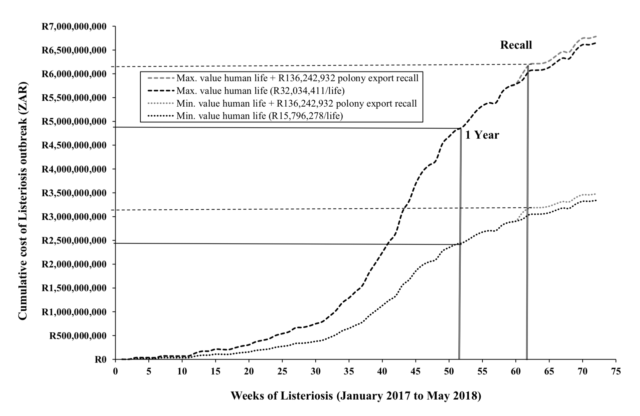
  • For the 204 dead $265 to $525 Million US – Mortality cases were assigned compensation values of US$1,244,747 and US$2,524,312 per fatality for minimum and maximum human life valuation adjusted for South Africa which was 15% to 80% of U.S. values. The total valuation of mortalities over the 16 months of the outbreak ranged from US$265 million using the low valuation for a fatality to US$525 million using the high valuation.
  • For those who survived – Hospitalization costs associated with one-month recovery from listeriosis were estimated at US$10.4 million.  Note, however, the direct costs that were not estimated consisted of: current and future value of outpatient care and medication costs to treat chronic and acute cases, future cost of human suffering and lost productivity.

Here is my summarization of a well-done article:

According to a recent article in Food Control, in 2017-2018, Listeria was reported on polony (processed deli meat) and listeriosis was observed in South Africa (L. monocytogenes sequence type 6 (ST-6) was identified as the causal agent for listeriosis). Due to its potential effects, we conducted cost estimates to assess the implications of listeriosis outbreak with respect to illnesses, hospitalizations and deaths, and productivity losses. Cost estimates were computed on publicly available data by using USDA-ERS cost computation model for Listeria. Listeriosis had significant impacts, as mortality of 204 individuals with confirmed listeriosis cases was reported, with infants having the highest percent of fatalities (42%). The cost valuation of fatality cases was over US$ 260 million. Hospitalization costs associated with one-month recovery from listeriosis were estimated at US$ 10.4 million[1]. According to the authors, the objective of this research was to determine the cost implications of the 2017 listeriosis outbreaks in South Africa on morbidity and hospitalization costs, mortality, and productivity losses to affected individuals.

The cost calculator of Listeria foodborne illness produced by the USDA Economic Research Service was used to compute costs associated with listeriosis outbreaks in South Africa. The computation had low, average, and high cost listeriosis-case outbreak scenarios. The components of listeriosis losses were estimated as direct and indirect costs. The direct costs were computed from valuation of human life (value of statistical life ($/person) × deaths from outbreak), hospitalization costs (mean cost of regular or internal care unit ($/person) × number of hospital cases), work losses from Listeria affected individuals was computed as mean productivity loss ($/person × number of cases missing work).[2]

The human impacts and health outcomes associated with listeriosis outbreak were derived from the listeriosis situation report. These included sick individuals but those who did not go to the doctor (costs can’t be quantified), sick and went to the doctor, and hospitalized with final outcomes within time periods (costs measured), sick and hospitalized without a final outcome (costs could not be measured). Data for hospitalization consisted of adolescent, mothers, children, infants (newborn to <28 days). The hospitalized outcomes for infants, children, and adolescents were based on age groups with morbidity and mortality records for cost analyses.

In order to calibrate the ERS model for South African conditions, we evaluated mortality compensation values from Miller which were estimated for all countries in the world through meta-analysis of available global data to derive ranges of multipliers (global average ~120) required to convert per capita GDP to the estimated value of a human life. These multipliers estimated for South Africa were used to derive the minimum to maximum range of life valuation for the analysis. Therefore, mortality cases were assigned compensation values of US$ 1,244,747 and US$ 2,524,312 per fatality for minimum and maximum human life valuation adjusted for South Africa which was 15% to 80% of U.S. values. Compensation values for mortality were derived by adjusting current South African per capita GDP by estimated multipliers. These values were then multiplied by the average percent (64.94%) of South African life expectancy remaining for all age-classes specific to the 204 outbreak fatalities.

In this computation, the South African hospital costs per patient were assumed to be 12.1% of U.S. hospital costs. The medical cost estimates included the average costs per care of regular hospitalization due to listeriosis for intensive care units (ICU) based on South African conditions. We excluded the cost computations for chronic cases of listeriosis, as data on disability attributed to listeriosis were not readily available and chronic conditions have yet to manifest themselves. In some instances, the outcomes of hospitalization were still pending (have not yet been determined).

Productivity losses (the average number of work days) due to listeriosis outbreak was assessed, on the assumption that able-bodied working age (15 to 64 years old) individuals were gainfully employed. The productivity losses per case were computed for a duration of one month, as this was the estimated duration of hospitalization and medical recovery from listeriosis for acute or non-fatal cases and pending in which case outcomes have not yet been determined (185 cases of 15-49 years old and 34 cases of 50-64 years old) as well as 89 (15-49 years old) and 26 (50-64 years old) cases discharged from hospitalization. Lost income during hospitalization was computed using the average monthly income in South Africa.

The outbreak of listeriosis contamination of polony and associated deli meat products led to serious health consequences for consumers in South Africa. Listeriosis occurrences were recorded in all nine provinces in South Africa. Among the provinces, confirmed listeriosis ranged from 6 to 606 cases with mortality of 3 to 106 cases. Overall, there were 1,034 total confirmed listeriosis cases with 204 fatalities. Listeriosis was recorded on babies (≤ 28 days old) to adults over 65 years old. The total cases varied among age groups as 441 cases were babies and 83 cases were > 65 years old. The number of fatalities was lowest for those > 65 years old, and highest for infants. No data were available on the exact ages of listeriosis-affected individuals due to confidentiality regulations. Reports indicated that all individuals diagnosed with listeriosis had consumed polony or deli meat contaminated with L. monocytogenes.

The total valuation of mortalities over the 16 months of the outbreak ranged from US$ 265 million using the low valuation for a fatality to US$ 525 million using the high valuation. At both one year (52 weeks) and at the recall for contaminated product at 62 weeks of listeriosis, the cumulative costs of listeriosis were already approaching values similar to the total estimated cost for listeriosis for both minimum and maximum estimates. The South African Rand (ZAR) equivalent cost estimates are also presented.

There was a total of 544 adults, where hospitalized cases consisted of 338 adults and 92 mothers, while mortality totaled 114 cases. Hospitalized newborn recovery from listeriosis totaled 400 cases with 90 mortalities. For adolescents and adults greater than 15 years of age or those in unknown age groups, there were 285 cases. The hospitalized adolescents and adults over 15 years old or those with unknown ages and with pending outcome of hospitalization from foodborne listeriosis had 145 cases. There were 255 hospitalized newborns that recovered, while newborns with pending outcome comprised 145 listeriosis cases. The total mortality costs for 204 individuals was at least US$ 265 million. The hospitalization costs for babies born with listeriosis were estimated at US$ 15,840 per case with a total estimated cost of over US$ 6 million. The mortality cases of babies born with listeriosis computed based on standards amounted to US$ 1.28 million/case for a total cost of US$ 115 million. For the adults, the medical costs for maternal hospitalization cases amounted to over US$ 364,000, while for other adults and deceased adults, hospitalization costs were over US$ 1.3 million and US$ 902,000, respectively. The costs associated with the mortality of 114 adults attributed to listeriosis amounted to over US$ 145 million. The total costs associated with the projected hospitalization were US$ 10,367,280. Hospitalization costs per case varied at US$ 15,840/case for babies, US$ 7,920/case for hospitalized older individuals that died, and US$ 3,960/case for being hospitalized.[3]

The total losses in one month of lost productivity for maternal, adult cases was computed as US$ 184,276 at US$ 2,003 per case. For other adults with moderate cases (no mortality recorded) of listeriosis, loss productivity was computed at US$ 1,230 per case totaling US$ 415,740. Productivity losses were only 0.22% of listeria outbreak costs.[4]

And, if anyone ever questions why surveillance and prevention of foodborne illness makes economic sense:

__________________________________

[1] According to the authors, in Sub-Saharan Africa (South Africa inclusive), costs associated with foodborne pathogens and illnesses are not precisely known, as many cases go unreported or have incomplete diagnosis (De Noordhout et al., 2014).

[2] The direct costs that were not estimated consisted of: current and future value of outpatient care and medication costs to treat chronic and acute cases, future cost of human suffering and lost productivity.

[3] The drawbacks for this study are that there were some direct and indirect costs that could not be quantified due to medical confidentiality issues that were excluded from the analyses. These include medication costs, sampling, laboratory/diagnosis costs, administrative costs, surveillance costs, the long-term effects of listeriosis on affected individuals in South Africa and possibly other countries.

[4] According to the authors, no attempt was made to quantify disability-adjusted life years (DALY, where one DALY equals one year of healthy life lost, that was attributed to listeriosis), due to lack of specific data (exact ages, case severity, and duration) of affected individuals. Therefore, hospitalization costs were assumed to be the same for all cases.

Following the declaration of the Listeria outbreak in December 2017, a multi-sectoral outbreak response was initiated. Findings were shared by the Minister of Health, Dr. Aaron Motsoaledi at a public media briefing on 4 March 2018 (statement available at www.nicd.ac.za), and are summarized below. In addition, the National Department of Health requested a full recall of implicated processed meat products.  According to Dr. Aaron Motsoaledi:

In our constant search for the source of the outbreak and the treatment of people who are affected, a team from the NICD has interviewed 109 ill people to obtain details about foods they had eaten in the month before falling ill. Ninety-three (85%) people reported eating ready-to-eat (RTE) processed meat products, of which polony was the most common followed by viennas/sausages and then other ‘cold meats’.

On Friday 12th January, nine children under the age of 5 years presented to Chris Hani Baragwanath Hospital with febrile gastro-enteritis. The paediatrician suspected foodborne disease, including listeriosis, as a possible cause. The environmental health practitioners (EHPs) were informed and on the same day visited the crèche, and obtained samples from two unrelated polony brands (manufactured by Enterprise and Rainbow Chicken Limited (RCL) respectively) and submitted these to the laboratory for testing.

Listeria monocytogenes was isolated from stool collected from one of the ill children, and from both of the polony specimens collected from the crèche. These isolates were sent to the NICD Centre for Enteric Diseases, and underwent whole genome sequencing and genomic analysis. The ST6 sequence type was confirmed on all three isolates on Saturday 27th January. Remember that in the last press conference I informed you that from clinical isolates obtained from patients (patient blood), 9 sequence types of Listeria monocytogenes were isolated and 91% were of sequence type 6 (ST6). We had then concluded that time that this outbreak is driven by ST6.

Following the lead from the tests performed on these children from Soweto and the food they had ingested, the EHPs (Environmental Health Practitioners), together with the NICD and DAFF representatives, accompanied by 3 technical advisors from the World Health Organisation in Geneva, visited a food- production site in Polokwane and conducted an extensive food product and environmental sampling.

Listeria monocytogenes was isolated from over 30% of the environmental samples collected from this site, which happens to be the Enterprise factory in Polokwane.

To conclude the investigation, whole genome sequencing analysis was performed from this Enterprise factory and the results became available midnight or last night. The outbreak strain, ST6, was confirmed in at least 16 environmental samples collected from this Enterprise facility. 

THE CONCLUSION FROM THIS IS THAT THE SOURCE OF THE PRESENT OUTBREAK CAN BE CONFIRMED TO BE THE ENTERPRISE FOOD-PRODUCTION FACILITY IN POLOKWANE

According to the Centre for Enteric Diseases (CED) and Division of Public Health Surveillance and Response, Outbreak Response Unit (ORU), National Institute for Communicable Diseases (NICD)/ National Health Laboratory Service (NHLS) the current number of ill and deceased are as follows:

As of 26 July 2018, 1060 laboratory-confirmed listeriosis cases have been reported to NICD from all provinces since 01 January 2017.

To date, 749 cases were reported in 2017, and 311 cases in 2018. Females account for 56% (549/979) cases where gender is reported. Neonates ≤28 days of age are the most affected age group, followed by adults aged 15 – 49 years of age. Most cases have been reported from Gauteng Province (58%, 614/1060) followed by Western Cape (13%, 136/1060) and KwaZulu-Natal (8%, 83/1060) provinces. Final outcome data is available for 76% (806/1060) of cases, of which 27% (216/806) died.

https://youtu.be/HS9ZKbgkf8A

218 sick

28 with hemolytic uremic syndrome

5 deaths

In 2018 in the United Sates, 210 people infected with the outbreak strain of E. coli O157 were reported from 36 states. 96 people were hospitalized, including 27 people who developed a type of kidney failure called hemolytic uremic syndrome (HUS). 5 deaths were reported from Arkansas, California, Minnesota (2), and New York. In Canada, 8 cases of E. coli O157 that were genetically similar to the U.S. outbreak linked to romaine lettuce coming from the Yuma growing region in the U.S. The 8 Canadian illnesses were reported in 5 provinces: British Columbia, Alberta, Saskatchewan, Ontario and Quebec. 1 of the Canadian cases was hospitalized with HUS and no deaths were reported in Canada.

Health officials in both Canada and the U.S. have worked hard to do the hard epidemiological and environmental investigations that lead to traceback and root cause analysis that lead to new ways of preventing these tragedies for the consumers and the producers.  However, the hard work is essentially done in obscurity with little or no transparency.  Through the litigation process we are cracking open the door so the public can see both where product was grown (more to come on that in the coming weeks) and were the product was sold.

CDC

FDA

We have a romaine E. coli case in Idaho of a young man who suffered a severe case of hemolytic uremic syndrome (HUS), was hospitalized for a month and incurred nearly $250,000 in medical expenses and lost wages.  He has a risk of future kidney complications (including a transplant), but not likely to meet the legal standard of more likely than not – greater than 50%.  He did suffer seizures because of the HUS, but it is well maintained on medications, and it is hopeful, over time, that he may well be weaned off the medications and be able to drive again.  Under Idaho law he will be able to recover wage loss and medical expenses (economic damages) and a capped amount for nonmonetary losses (pain and suffering) – Well, unless a court and a jury determines that it is “reckless misconduct” to grow, process and sell romaine lettuce.

Sometimes bad facts make good law – recall the lawsuit against the auditor in the Jensen Farms Listeria cantaloupe case?

Idaho Code § 6-1603 established in 2003 a cap of $250,000.00 for noneconomic damages, damages that are subjective, nonmonetary losses including, but not limited to, pain, suffering, inconvenience, mental anguish, disability or disfigurement incurred by the injured party; emotional distress; loss of society and companionship; loss of consortium; or destruction or impairment of the parent-child relationship. Idaho Code § 6-1603(1) also provides for an annual adjustment tied to the increase or decrease of the annual wage; for 2018, the effective cap was established at $357,210.62.

The full text of the statute reads as follows:

6-1603.  LIMITATION ON NONECONOMIC DAMAGES. (1) In no action seeking damages for personal injury, including death, shall a judgment for noneconomic damages be entered for a claimant exceeding the maximum amount of two hundred fifty thousand dollars ($250,000); provided, however, that beginning on July 1, 2004, and each July 1 thereafter, the cap on noneconomic damages established in this section shall increase or decrease in accordance with the percentage amount of increase or decrease by which the Idaho industrial commission adjusts the average annual wage as computed pursuant to section 72-409(2), Idaho Code.

(2)  The limitation contained in this section applies to the sum of: (a) noneconomic damages sustained by a claimant who incurred personal injury or who is asserting a wrongful death; (b) noneconomic damages sustained by a claimant, regardless of the number of persons responsible for the damages or the number of actions filed.

(3)  If a case is tried to a jury, the jury shall not be informed of the limitation contained in subsection (1) of this section.

(4)  The limitation of awards of noneconomic damages shall not apply to:

(a)  Causes of action arising out of willful or reckless misconduct.

(b)  Causes of action arising out of an act or acts which the trier of fact finds beyond a reasonable doubt would constitute a felony under state or federal law.

Setting aside the fairness of capping noneconomic damages at $357,210.62 for a case as serious as this one, the real issue is whether the cap applies at all under section (4)(a) above?  In 2018 was it “reckless misconduct” to grow, process, source and sell romaine lettuce from Yuma?

Certainly, as well cited above, leafy greens have been a source of E. coli-related illnesses for decades, and there have been concerns raised about lettuce grown in the Yuma region.  The CDC reports as of May 20, 2010, a total of 26 confirmed and 7 probable cases related to an E. coli O145 outbreak have been reported from 5 states since March 1, 2010 linked to shredded romaine grown in Yuma.[1] In the FDA’s “Environmental Assessment Report in December 2010,” the authors determined:

that the R.V. park is a reasonably likely potential source of the outbreak pathogen based upon the evidence of direct drainage into the lateral irrigation canal; the moist soil in this drainage area; the multiple sewage leach systems on the property; the presence of other STEC found in the lateral irrigation canal and in the growing fields of the suspect farm; and the fact that the section of the lateral canal downstream from the R.V. park supplies water to only one other farm in addition to the suspect farm.

Two pumps are located on the main Wellton canal near the lateral canal split that supplies water to fields of the suspect farm; one gasoline powered pump on a trailer and one permanent electric pump with an attached hose. The electric pump supplies canal water to an attached open-end hose. The site is not secured from vehicles and the hose pump is also unsecured. At the time of this investigation there were people living in recreational vehicles on undeveloped land within one mile of the hose pump. The fact that this area is open to vehicles and the pump and hose are unsecured make it possible for an R.V. owner to dump and rinse out their R.V. septic system into the main Wellton canal at the lateral canal split that supplies the farm. The ground near the hose pump shows erosion evidence of drainage into the Wellton canal. Soil collected from this erosion site tested positive for other Stx2-producing STEC but did not match the outbreak strain.

In a 2009 “Survey of Selected Bacteria in Irrigation Canal Water – Third Year” written by Jorge M. Fonseca, he correctly predicted the human and industry problems that were likely to plague the Yuma lettuce growers:

Despite the fact that no Arizona lettuce grower has been involved in any contaminated-lettuce outbreak, it is of paramount importance to determine the reasons why Arizona lettuce is regarded as safe. This can help lower possibilities of any emerging problem and prevent a catastrophic damage to the industry, as it has occurred in other regions when no control was taken to reduce risks of contaminated product.

A PowerPoint done by Dr. Fonseca again illustrated the varying risks of lettuce production in Yuma.  An example of a few of his points of concern:

And, then the 2018 romaine lettuce E. coli outbreak struck, sickening hundreds in the United States and Canada with dozens suffering from acute kidney failure with five reported deaths.  Once again, the Wellton Irrigation Canal was the focus of attention in the “Memorandum to File on the 2018 Environmental Assessment”:

During this EA, three samples of irrigation canal water collected by the team were found to contain E coli O157:H7 with the same rare molecular fingerprint (using whole genome sequencing (WGS)) as the strain that produced human illnesses (the outbreak strain). These samples were collected from an approximate 3.5-mile stretch of an irrigation canal in the Wellton area of Yuma County that delivers water to several of the farms identified in the traceback investigation as shipping romaine lettuce that was potentially contaminated with the outbreak strain. The outbreak strain was not identified in any of the other samples collected during this EA, although other pathogens of public health significance were detected.


Not surprisingly, the FDA in its full “Environmental Assessment of Factors Potentially Contributing to the Contamination of Romaine Lettuce Implicated in a Multi-State Outbreak of E. coli O157:H7,”[2] concluded that the risk of environmental contamination was in fact a well-know and long-standing risk:

Food safety problems related to raw whole and fresh-cut (e.g., bagged salad) leafy greens are a longstanding issue. As far back as 2004, FDA issued letters to the leafy greens industry to express concerns about continuing outbreaks associated with these commodities. FDA and our partners at CDC identified 28 foodborne illness outbreaks of Shiga-toxin producing E. coli (STEC) with a confirmed or suspected link to leafy greens in the United States between 2009 and 2017. This is a time frame that followed industry implementation of measures to address safety concerns after a large 2006 outbreak of E. coli O157:H7 caused by bagged spinach. STEC contamination of leafy greens has been identified by traceback to most likely occur in the farm environment.

Contamination occurring in the farm environment may be amplified during fresh-cut produce manufacturing/processing if appropriate preventive controls are not in place. Unlike other foodborne pathogens, STEC, including E. coli O157:H7, is not considered to be an environmental contaminant in fresh-cut produce manufacturing/processing plants.

Well-established reservoirs for E. coli O157:H7 are the intestinal tract of ruminant animals (e.g., cattle, goats, and deer) that are colonized with STEC and shed the organism in manure. Ruminant animals colonized with STEC typically have no symptoms. In contrast, human infection with E. coli O157:H7 usually produces symptomatic illness often marked by severe, often bloody, diarrhea; severe adverse health outcomes or even death can result. Humans shed E. coli O157:H7 in the stool while ill and sometimes for short periods after symptoms have gone away, but humans are not chronic carriers. Various fresh water sources, including municipal well, and recreational water, have been the source of E. coli O157:H7 infections in humans, as has contact with colonized animals at farms or petting zoos. However, most E. coli O157:H7 infections in humans occur from consuming contaminated food.

In its summary of its environmental findings (also summarized in a November 1, 2018 to public officials) the “FDA [in part] identified the following factors and findings as those that most likely contributed to the contamination of romaine lettuce from the Yuma growing region with E. coli O157:H7 that caused this outbreak”:

  • FDA has concluded that the water from the irrigation canal where the outbreak strain was found most likely led to contamination of the romaine lettuce consumed during this outbreak.
  • There are several ways that irrigation canal water may have come in contact with the implicated romaine lettuce including direct application to the crop and/or use of irrigation canal water to dilute crop protection chemicals applied to the lettuce crop, either through aerial or ground-based spray applications.
  • How and when the irrigation canal became contaminated with the outbreak strain is unknown. A large animal feeding operation is nearby but no obvious route for contamination from this facility to the irrigation canal was identified. Other explanations are possible although the EA team found no evidence to support them.

Idaho Code Section 6-1603(4)(a) states that the statutory limit on non-economic damages in tort actions seeking damages for personal injury or death does not apply in cases where the cause of action arises “out of willful or reckless misconduct.” Idaho Pattern Civil Jury Instruction 2.25 provides the definition of “willful and wanton,” and notes that there is no distinction between “reckless” and “willful and wanton.” Hennefer v. Blaine County Sch. Dist. 61 158 Idaho 242, 248 (2015). According to the IDJI, “[t]he words ‘willful and wanton’…mean more than ordinary negligence. The words mean intentional or reckless actions, taken under circumstances where the actor knew or should have known that the actions not only created an unreasonable risk of harm to another, but involved a high degree of probability that such harm would actually result.” IDJI 2.25

While Idaho considers reckless or willful misconduct “simply a degree of negligence…that involves both intentional conduct and knowledge of a substantial risk of harm,” its courts have further elaborated that while “use of the words ‘intentional’ and ‘knowledge’ might indicate a purely subjective standard for recklessness…there is an objective element to the recklessness standard.” Hennefer 158 Idaho at 248.  Thus, while reckless misconduct can consist of a conscious choice of a course of action with knowledge of the serious danger to others, (subjective), it can also consist of a conscious choice of a course of action with knowledge of facts that would disclose the danger to any reasonable man (objective). Id. The serious danger mentioned in the standard is one that “involves a risk substantially greater in amount than that which is necessary to make the conduct negligent.” Id. Accordingly, a jury need only find that a defendant should have known that his actions created a high probability that harm would actually result; such a finding is considered sufficient to meet the standard espoused by Idaho Code section 6-1603. Id. at 249.

Using this standard, there is substantial evidence supporting the conclusion that growing, processing, sourcing, and selling romaine lettuce from Yuma constituted reckless misconduct. It is widely known that STEC infections are life-threatening to humans and the most common cause of infection is consumption of contaminated food. Additionally, STEC outbreaks associated with leafy greens are unsettlingly common occurrences as evidenced by the 28 identified outbreaks occurring between 2009 and 2017. The FDA, CDC, and other governmental agencies have sought to combat the frequency of these occurrences by issuing various communications with state officials, publishing the results of its investigations into the outbreaks, and advising on best practices to avoid such outbreaks.

Among the FDA’s many suggestions, it recommended that the leafy green industry should assess the need for and develop commodity-specific procedures, policies, and best practices to enhance the safety of leafy greens, including, at a minimum, address (1) how agricultural water directly contacting harvestable portions of the crop can be guaranteed safe and adequate for its intended use; (2) how risks related to land uses near or adjacent to growing fields that may contaminate agricultural water or leafy green crops directly (e.g., nearby cattle operations or dairy farms, manure, or composting facilities) can be assessed and mitigated; (3) how food safety procedures, policies, and practices are developed and consistently implemented on farms as well as regularly verified to minimize the potential for contamination and/or spread of human pathogens; and (4) how a root cause analysis should be performed to determine the likely source of any contamination by a foodborne pathogen identified in the agricultural environment, agricultural water, or in the fresh-cut ready-to-eat produce.

Given the available knowledge regarding STEC, its transmission to and effect on humans, as well as the nature—and demonstrated prior history— of STEC transmission from ruminant animal operations to leafy greens and the repeated government advisory and caution of that danger, the undeterred insistence of growing, processing, sourcing, and selling romaine lettuce from a region repeatedly plagued by STEC contamination and subsequent outbreaks is a considerably reckless activity. The findings from the 2018 romaine lettuce outbreak considerably enhance the veracity of that conclusion. Despite all the aforementioned knowledge, the source of the 2018 outbreak that affected hundreds and killed five was found to be a contaminated irrigation canal that supplied water to several farms identified in the traceback investigation who were downstream from a sizeable cattle operation. Such undeterred action in spite of the substantial available knowledge on the risks developed and disseminated over the years fits squarely within Idaho’s characterization of reckless misconduct and should accordingly be treated as such.

__________

[1] https://www.cdc.gov/ecoli/2010/shredded-romaine-5-21-10.html

[2] https://www.fda.gov/Food/RecallsOutbreaksEmergencies/Outbreaks/ucm624546.htm

I have been talking about food safety and litigation for the last few decades.  The groups I have spoken to have been all types in the food industry – from beef to leafy greens – as well as the heroes of public and environmental health.  I had a chance today  to talk to leaders in the insurance industry about how they can save money by encouraging their insureds to put food safety first.