


And our friends are all aboard
Many more of them live next door

Today I did a mediation via Zoom.  I must admit, as a person that likes personal contact, talking by video with a former judge, insurance carriers, defense lawyers and clients, about a child that nearly died from complications of an E. coli infection, was more than a bit odd.  But, we worked our way through it and I am hopeful over the next weeks that we will get it done. I am not sure this will be our “new normal,” but it will be what is normal for the next several weeks at leas

Over the next weeks, there will be more Court hearing, depositions and mediations done by video if done at all.  We are all going to have to adjust.

We will figure out a way to adjust to make sure that our clients are cared for.

Health departments and doctor offices are going to be to focused on COVID-19 – as they should.  This is going to impact our ability to gather the vital information that we need to prove out clients’ cases.  But, we will figure out a “work-around.”

I have ordered all Marler Clark staff and lawyers to stay home.  Staff has opted to have one person join me in the office per day to answer phones and process mail.  We will order take out from one of our local restaurants to help them as best we can.

Yesterday I posted what Marler Clark is doing to help Food Banks.  We are considering what we also can do to help the homeless – suggestions are welcome.

We all need to think about how lucky some of us are and what we can do to help the more vulnerable – because, “we all live on a yellow submarine.”

Update:  We added a donation to Bainbridge Island Helpline House Food Bank last night, and over the coming days, weeks and months, we will do more to help our communities.  

Also, all Marler Clark staff are working from home except we will try having one person come in daily to deal with mail.  We have everyone set up at their homes with all equipment needed to continue to care for our clients.

Courts are closing and meetings and hearings are being cancelled.  Several food safety speeches have been cancelled or are being postponed. We are doing mediations this week scheduled in Denver and Rochester by video conferencing. Many of the Marler Clark staff will be working from home or on flexible schedules.

I think we all are feeling a bit anxious and helpless, but many of the most vulnerable are feeling fear and hunger as our economy contacts.  Over the coming weeks we will do more and I urge all to do the same.

We are donating $5,000 each to the following local area Food Banks:

• The University District Food Bank: https://www.udistrictfoodbank.org/donate/food/

• FamilyWorks Family Resource Center and Food Banks: https://familyworksseattle.org/coronavirus-response/

• North Helpline Emergency Services and Food Bank: https://www.northhelpline.org/

• Mary’s Place Seattle: https://www.marysplaceseattle.org/

• North Helpline https://www.northhelpline.org/

• Ballard Food Bank https://www.ballardfoodbank.org/

• Stanwood Camano Food Bank Services https://www.stanwoodcamanofoodbank.org/ 

• Bainbridge Island Helpline House https://www.helplinehouse.org/food-bank/

Stay safe.

Bill

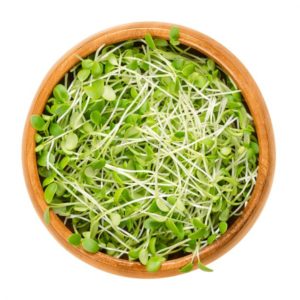
Jimmy John’s LLC reported that all of its restaurants stopped serving clover sprouts on February 24, 2020. Investigators worked to trace the source of the clover sprouts served at the Jimmy John’s restaurants where sick people ate, and to determine whether other restaurants or retailers received the same clover sprouts.

FDA is now recommending that consumers not eat the following sprout-containing items from Chicago Indoor Garden, Chicago, IL, with Best By dates between December 1, 2019 and March 12, 2020: red clover (with and without non-GMO labels), sprout salad, mixed greens, and spring salad. Labels of the products are below.

The FDA’s analysis of a sample of this firm’s product identified the presence of E. coli O103. Whole Genome Sequencing of this bacteria showed that it matches the outbreak strain.

Generally, it is recommended that children, the elderly, pregnant women, and persons with weakened immune systems should avoid eating raw sprouts of any kind.

FDA, along with CDC and state and local partners, are investigating an outbreak of 14 illnesses caused by E. coli O103 in Iowa, Illinois, Missouri, Texas and Utah likely linked to clover sprouts served at Jimmy John’s.

As the outbreak investigation progresses, the FDA will continue in its traceback investigation to determine where implicated sprouts have been distributed and will continue monitoring for additional illnesses associated with this outbreak.

Outbreak appears to have begun in 2016.

As of March 9, 2020, 36 people infected with the outbreak strain of Listeria monocytogenes have been reported from 17 states. Arizona 2, California 9, Florida 2, Hawaii 3, Indiana 1, Kentucky 1, Maryland 2, Massachusetts 2, Michigan 1, Missouri 1, Nevada 1, New Jersey 1, New York 4, North Carolina 1, Rhode Island 1, Tennessee 1, Virginia 3.

Four deaths have been reported from California, Hawaii, and New Jersey. Six cases are pregnancy-associated and two resulted in fetal loss.

Listeria samples from ill people were collected from November 23, 2016 to December 13, 2019. Ill people range in age from less than 1 to 97 years, with a median age of 67. Fifty-eight percent of ill people are female. Of 32 ill people with information available, 30 hospitalizations have been reported.

Epidemiologic and laboratory evidence indicates that enoki mushrooms labeled as “Product of Korea” are the likely source of this outbreak.

State and local public health officials interviewed ill people about the foods they ate in the month before they became ill. Twelve out of 22 (55%) reported eating mushrooms, including enoki, portobello, white, button, cremini, wood ear, maitake, and oyster.

Michigan Department of Agriculture and Rural Development collected mushrooms for testing from a grocery store where an ill person purchased enoki mushrooms. Two samples of enoki mushrooms yielded the outbreak strain of Listeria monocytogenes. These mushrooms are labeled as “Product of Korea” and were distributed by Sun Hong Foods, Inc. Additional product testing is ongoing in California.

On March 9, 2020, Sun Hong Foods, Inc. recalled enoki mushrooms (UPC 7 426852 625810) labeled as “Product of Korea”. Consumers, food service operators, and retailers should not eat, serve, or sell recalled enoki mushrooms. Enoki mushrooms distributed by Sun Hong Foods, Inc. do not account for all illnesses in this outbreak. FDA is working to identify the source of the enoki mushrooms distributed by Sun Hong Foods, Inc. and determine if other distributors received the same enoki mushrooms.

CDC is concerned that enoki mushrooms labeled as “Product of Korea” may be contaminated with Listeria monocytogenes and are advising people at higher risk – pregnant women, adults ages 65 years or older, and people with weakened immune systems – to avoid eating any enoki mushrooms labeled as “Product of Korea”, until investigators determine the source of contamination and if additional products are linked to illness.

According to the Seattle & King County Department of Health, with a number of viral respiratory germs circulating right now, Public Health – Seattle & King County urges King County residents to take precautions if they are ill, but not to assume it is COVID-19.

Public Health is reporting 33 new COVID-19 cases today. The official case count total in King County is now 116. In addition, three new deaths are reported, bringing the total deaths to 20.

Statewide total illnesses are 162 with 22 deaths.

I have told my staff and lawyers to stay home if ill.  I added $2,500 into each persons account to buy essentials in case people need to stay at home for an extended period of time.  I was able to secure masks and gloves for everyone at Marler Clark if needed. Everyone has also been set up in their homes with the technology that they have at their desks in the office.  Finally, I have offered for those who take public transport to pay for parking if they need to come to the office.

Get prepared – and, wash your hands.

Here is the most current thinking from the Pacific Northwest:

COVID-19 is similar to the seasonal flu (influenza) in that:

  • Both cause fever, cough, body aches, fatigue; sometimes vomiting and diarrhea.
  • Both can be mild or severe — even fatal in rare cases
  • Both can result in pneumonia
  • Both can be spread from person to person through droplets in the air from an infected person (coughing, sneezing, or even just talking)
  • Flu can be spread by an infected person for several days BEFORE their symptoms appear, and COVID-19 is believed to be spread in the same manner, but we don’t yet know for sure .

But COVID-19 is different in that:

  • COVID-19 might additionally be spread through the airborne route (i.e., through ventilation ducts and if people are breathing the same air in close proximity to an infected person**). Research is still underway.
  • COVID-19 is caused by the novel 2019 coronavirus, now called severe acute respiratory syndrome coronavirus 2, or SARS-CoV-2, whereas the seasonal flu is a combination/mutation of the different influenza viruses (it different each year)
  • The COVID-19 virus is very similar to SARS-CoV that spread in 2003, which is where most of our current understanding for COVID-19 is coming from.

Treatment is similar:

  • Neither virus is treatable with antibiotics, which only work on bacterial infections
  • Both may be treated by addressing symptoms, such as reducing fever
  • Severe cases may require hospitalization and support such as mechanical ventilation
  • Flu: Antiviral medications can address symptoms and sometimes shorten the duration of the illness
    COVID-19: Antiviral medications are currently being tested to see if they can address symptoms
  • Flu: A vaccine is available and effective to prevent some of the most dangerous types, or to reduce the severity, of the flu
    COVID-19: NO vaccine is available at this time, though it is in progress

Prevention:

  • Both flu and COVID-19 may be prevented by frequent, thorough hand washing (20 seconds), coughing and sneezing into the crook of your elbow, staying home when sick, and limiting contact with people who are infected (i.e., do your shopping outside of peak hours at the grocery store
  • Other tips: avoid crowded areas (public transport, malls, public events, grocery stores at peak hours, crowded gyms, other frequented establishments, etc.), frequently sanitize surfaces that come into contact with people’s hands often (door handles, tables, phones, keyboards, faucet knobs, etc.), wash hands when entering and leaving home/work/restaurants/bathrooms to limit spread, avoid touching your face (mouth, nose, and eyes) in general
  • If sick, stay home, limit contact with others (including pets), avoid coughing or sneezing onto people and things, clean surfaces often, and call a medical care provider about care and testing (do NOT go to the doctor or ER with mild symptoms unless you are in a high risk group)
  • Note: Older people and people with compromised immune systems are most at risk based on current knowledge, so protect them by staying away from them. Children are currently noted to have milder symptoms.

**NOTE ABOUT ‘CASUAL TRANSMISSION’ — I.E., COMMUNITY TRANSMISSION WITH NO KNOWN EXPOSURE TO AN INFECTED PERSON: 

  • As mentioned above, COVID-19 might be spread through the airborne route, meaning that tiny droplets remaining in the air could cause disease in others even after the ill person is no longer near.
  • There have been documented cases of asymptomatic transmission of COVID-19 up to 14 days before the onset of symptoms.
  • The use of masks and gloves is controversial.  The use of such personal protective equipment is helpful in specific situations, such as when caring for a person known to be infected. If you are interested having masks and/or gloves for personal use, please talk to Chris about the proper use and precautions to take when doing so.
  • Make sure you are not the one contaminating the environment with commonsense measures such as: using disinfecting wipes on shopping cart handles, touching railings and countertops others may  touch after you, opening doors with unclean, bare hands.

Here is what I sent my staff late last week:

All, see symptoms below – if you are sick, please stay home.

https://www.cdc.gov/coronavirus/2019-ncov/about/symptoms.html

I have asked Chris and Michelle to give me some ideas on recommendations on how to responsibly deal with this from a medical issue.  We will give you all our thoughts early next week.

All, please email to Leslie all your contact information and a close contact too.  Leslie, please share that with all.

All, please let me know if anyone needs any technology to work from home if necessary if this becomes a bigger problem.  Think about what you might need to work from home for an extended period of time.  What do you need to effectively do your job from home – computer, paper, pens, etc.?  COVID-19 is not an excuse to work from home, but I want to be prepared and sensible.

Also, let’s look at travel schedules over the coming months to see if there are alternatives.  Please shoot me your travel over the next 30-60 days.

All, take a hard look at your cases – what deadlines might be impacted by Court and other office closures, etc.  I want us to be proactive and think ahead.  I do not want deadlines missed.

Finally, not to be a “prepper,” but Kelli, please drop $2,500 (pre-tax) into everyone’s account on Monday to be used as they see fit to prepare for some disruptions.  I have not thought of exactly what those needs might be, but there are probably a few websites that have suggestions.

Here are some ideas for being prepared for home:

All medications (over the counter *ibuprofen* , allergy, cold etc and prescriptions )

All household products you will need for two weeks (toilet paper, soap, paper towels, laundry detergent, cleaning supplies, etc)

Supply of water for two weeks

Food for two weeks

         ⁃        Chicken broth

         ⁃        Beans

         ⁃        Onions

         ⁃        Garlic

         ⁃        Potatoes – sweet, Yukon, etc

         ⁃        Pasta

         ⁃        Canned tomatoes

         ⁃        Steel cut oats

         ⁃        Peanut butter

         ⁃        Bread *freezer*

         ⁃        Eggs

         ⁃        Frozen meat

         ⁃        Canned fish

         ⁃        Jerky or dried meat

         ⁃        Dried nuts and fruit

         ⁃        Popcorn

         ⁃        Chocolate

         ⁃        Wine/booze of choice

As of February 25, 2020, 14 people infected with the outbreak strain of E. coli O103 have been reported from five states.
Illnesses started on dates ranging from January 6, 2020, to February 11, 2020. Ill people range in age from 1 to 79 years, with a median age of 28. Sixty-two percent of ill people are male. No hospitalizations and no deaths have been reported.

Illnesses might not yet be reported due to the time it takes between when a person becomes ill and when the illness is reported. This takes an average of 3 to 4 weeks. Please see the Timeline for Reporting Cases of E. coli Infection for more details.

Epidemiologic evidence indicates that sprouts from Jimmy John’s restaurants are a likely source of this outbreak.

State and local public health officials are interviewing ill people to determine what they ate and other exposures in the week before their illness started. Five of six people (83%) interviewed reported eating at a Jimmy John’s restaurant. Of the six people interviewed, four (67%) remembered eating sprouts on a sandwich from Jimmy John’s.

Jimmy John’s LLC reported that all of its restaurants stopped serving clover sprouts on February 24, 2020. Investigators are working to trace the source of the clover sprouts served at the Jimmy John’s restaurants where sick people ate, and to determine whether other restaurants or retailers received the same clover sprouts.

Restaurants, PLEASE vaccinate your employees.

According to New York press reports, the Oneida County Health Department as well as Rome Memorial Hospital are partnering to provide Hepatitis A. vaccinations to those who think they were exposed.

This comes after the health department announced that an employee at Cianfroccos in Rome tested positive for Hepatitis A. Management at the restaurant has urged that the health department has checked the property and their customers have nothing to be worried about.

But health officials aren’t taking any chances, so far this weekend, over 130 people have participated in the vaccinations.

Hospital officials want to stress that there has been no outbreak of the virus. But encourage anyone who thinks they may have been exposed during a certain period of time, to take advantage of the vaccination.

The window of exposure that we have identified seems to be between February 12th and 23rd.

Vaccines will be available at the E. Chestnut Commons from 8 am to 4 pm on Sunday, March 1st.

In Missouri, health officials in Joplin confirm a case of Hepatitis A at Chili’s on Range Line. The department was first notified of the Hepatitis A case on Tuesday by a local hospital. That notification was made per state regulations not only for tracking purposes, but because it was at a restaurant.

Health officials say a work restriction was placed on Chili’s employees who may have had contact with the person involved. “To lift the restriction the employee has to provide proof of prior Hepatitis A vaccination, they have to get a hepatitis a vaccination now and not be ill currently.”

Chili’s parent company, Brinker International sent a statement saying quote:

“After learning one of our team members was affected, we immediately excluded this individual from work and partnered with the Joplin Department of Health to prevent the potential spread by proactively offering vaccinations to all of our team members.”

From the FDA:

Although you stated that corrective actions were implemented following the 2019 and 2012 outbreaks, you have not provided FDA with any information demonstrating long-term, sustainable corrections have been implemented throughout your organization to prevent this violation from recurring in the future.  For example, providing FDA with documentation of policies and practices demonstrating that you have made a corporate commitment to ensure produce covered by the Standards for the Growing, Harvesting, Packing, and Holding of Produce for Human Consumption (Produce Safety Rule), Title 21 Code of Federal Regulations, Part 112 (21 CFR Part 112), specifically sprouts, and sourced by any Jimmy John’s restaurant will be procured from a farm or firm operating in compliance with the Produce Safety Rule, the Act, and, as applicable, the Current Good Manufacturing Practice, Hazard Analysis, and Risk-Based Preventive Controls for Human Foods (PC Rule), 21 CFR Part 117.

Jimmy John’s outbreaks in the past dozen years

  • Multistate E. coli O103 Outbreak, Jimmy John’s Restaurants Sprouts 2020

Sprouts Unlimited has initiated a recall of clover sprouts because of possible E. coli O103 contamination. The clover sprouts were distributed to Hy Vee Food stores, Fareway Food Stores and used by Jimmy John’s restaurants in Iowa.

“Sprouts Unlimited Inc. became aware of the potential contamination after receiving information from the Iowa Department of Inspections and Appeals, Des Moines, IA, that a cluster of E. coli O103 illnesses epidemiologically linked to clover sprouts from Sprouts Unlimited Inc.,” according to the company’s recall notice. “An investigation and further tests are being conducted to determine the source.”

  • Multistate Salmonella Outbreak, Jimmy John’s Restaurants Sprouts 2018

As of January 18, 2018, eight people infected with the outbreak strain of Salmonella Montevideo had been reported from Illinois, Wisconsin and Minnesota. Illnesses started on dates ranging from December 20, 2017, to January 3, 2018. Ill people ranged in age from 26 to 50, with a median age of 34. All 8 were female. No hospitalizations and no deaths were reported.  Evidence indicated that raw sprouts served at Jimmy John’s restaurants were a likely source of outbreak.

Federal, state, and local health and regulatory officials conducted traceback investigations from the six Jimmy John’s locations where ill people ate raw sprouts.

  • Multistate E. coli O121 Outbreak, Jimmy John’s Restaurants Alfalfa Sprouts 2014

19 Sickened – Public health officials in California, Idaho, Michigan, Montana, Utah and Washington collaborated with their federal partners at the Centers for Disease Control and Prevention (CDC) and the Food and Drug Administration (FDA) to investigate an outbreak of E. coli O121 that occurred in May 2014.  A total of 19 people with the outbreak strain, identified by the CDC’s PulseNet PFGE Pattern Identification Numbers EXKX01.0011/EXKA26.0001, were reported.  Among people for whom information was available, dates of illness onset ranged from May 1, 2014, to May 20, 2014. Ill people ranged from 11 years to 52 years old.  Seven of 16 victims for whom information was available were hospitalized. None of the confirmed patients developed hemolytic uremic syndrome and no deaths were reported.

Epidemiologic and traceback investigations conducted by public health officials implicated raw clover sprouts produced by Evergreen Fresh Sprouts LLC of Hayden, Idaho as the likely source of this outbreak.  Thirteen (81%) of 16 ill people reported eating raw clover sprouts in the week before becoming ill. Ill people in Washington and Idaho reported eating sprouts in sandwiches at several local food establishments including several Jimmy John’s locations, the Pita Pit, and Daanen’s Deli.

As part of the investigation the FDA performed a traceback analysis and determined that Evergreen Fresh Sprouts supplied sprouts to seven restaurants with outbreak associated cases.  This analysis used documents collected directly from the distributors and the grower, Evergreen Fresh Sprouts, as well as documents collected by the states from the points of service.

The FDA conducted several inspections at the Evergreen Fresh Sprouts facility in May and June.  During the inspections FDA investigators observed a number of unsanitary conditions, including condensate and irrigation water dripping from rusty valves, a rusty and corroded watering system in the mung bean room, tennis rackets were being used to scoop mung bean sprouts that had scratches, chips and frayed plastic; a pitchfork used to transfer mung bean sprouts had corroded metal, and a squeegee used to agitate mung bean sprouts inside a soak vat that had visible corroded metal and non-treated wood.

On June 26, 2014, the FDA and CDC held a meeting with the owner of Evergreen Fresh Sprouts to advise the firm of FDA’s concerns that the seed lot used to row clover sprouts linked to this outbreak might be contaminated and to encourage Evergreen Fresh Sprouts to discontinue using that seed lot.  The owner of Evergreen Fresh Sprouts agreed to stop using the suspect lot of seeds.

  • Multistate E. coli O157 Outbreak, Jimmy John’s Restaurants Cucumbers 2013

On Friday, October 18, 2013, public health investigators at the Colorado Department of Public Health (CDPHE) detected an increase in Denver area patients reported as having E. coli O157. Preliminary interviews revealed that patients had eaten at Jimmy John’s restaurants and shopped at an area grocery store chain. CDPHE epidemiologist, Nicole Comstock, noted in an October 22 email sent to county health departments that “at this time we are not ruling any exposures out yet.” Ms. Comstock encouraged county investigators to interview newly reported patients diagnosed with E. coli O157 promptly using a standardized questionnaire. By October 23, CDPHE epidemiologists described the association between illness and sandwiches prepared at area Jimmy John’s restaurants “too strong to ignore.”

CDPHE and their local and federal public health partners conducted case finding, two case control studies (“Study I” and “Study II”), an environmental investigation, produce traceback, and laboratory testing. Case finding occurred via routine public health surveillance methods. Case control “Study I” was conducted to assess restaurant exposures reported by case-patients. Case control “Study II” was conducted subsequently to assess foods consumed at Jimmy John’s. For “Study II” online and phone order records were used to recruit controls (non-ill Jimmy John’s customers) who purchased food from the same Jimmy John’s locations on the dates as case-patients.

Eight patient’s laboratory confirmed with E. coli O157:H7 were identified as outbreak associated cases. All eight patients were infected with an indistinguishable genetic strain (EXHX01.0074/EXHA26.0569) of E. coli O157 as determined by PFGE and MLVA. This strain was not seen elsewhere in the United States in October 2014. One patient was classified as a “probable” case since she was not culture positive for E. coli O157 due to collection of her stool specimen post-antibiotic treatment. Three blood specimens collected from her would later test positive for IgG and IgM antibodies to E. coli O157:H7, confirming a recent acute infection with E. coli O157. All nine outbreak-associated-cases ate food from one of three Jimmy John’s locations in the metro-Denver area. This finding was highly statistically significant based on analysis of data collected in Case control Study I. Case control Study II data showed that all nine outbreak-associated-cases consumed cucumbers on Jimmy John’s sandwiches, also a highly statistically significant finding. No other food items were statistically associated with illness. Meal dates for case patients were October 5th, 6th, 7th and 9th. Median age of patients was 23 years; 78% were female.

Three (3) Jimmy John’s locations were identified by patients. One was located in Lakewood, Colorado at 180 South Union and was inspected by the Jefferson County Health Department (JCHD). Two (2) fell within the jurisdiction of the Tri-County Health Department (TCHD): 2610 West Belleview Avenue, Littleton, Colorado and 1140 South Colorado Boulevard, Glendale, Colorado. Local health environmental health staff conducted on-site investigations at each restaurant. They examined produce-handling practices and obtained invoices for traceback. Colo-Pac Produce Inc. (“Colo-Pac”) delivered whole cucumbers and other produce to all three stores approximately two times a week. Cucumbers and other produce (lettuce, tomatoes and onions) were washed, chopped, and prepared fresh daily for use at each restaurant. Although no restaurant had leftover food from the implicated meal dates, TCPH and JCHD staff collected food samples for laboratory testing at the CDPHE Public Health Laboratory. All food tests were negative for the presence of E. coli O157 at the state laboratory.

Based on customer purchase order number/bills of lading provided by Colo-Pac, investigators determined that a single lot (Lot 19158) of cucumbers was delivered to all three implicated Jimmy John’s locations during the time frame of interest (September 9, 2013 to October 9, 2013). Further traceback showed that the cucumbers were grown in Torreon, Coahulia, Mexico by grower/packer Ganadera Vigo. They were imported into the United States by GR Produce of McAllen, Texas, which then sold full cases to Colo-Pac. Colo-Pac sold full cases to two of the implicated Jimmy John’s; one store received split cases boxed at Colo-Pac. CDPHE staff conducted an onset inspection at Colo-Pac and obtained 55 swab samples from the warehouse and delivery trucks. All specimens were negative for E. coli O157.

  • Multistate E. coli O26 Outbreak, Jimmy John’s Restaurants Alfalfa Sprouts 2012

29 Sickened – A total of 29 individuals infected with the outbreak strain of E. coli O26 were reported from 11 states, including:  Alabama (1), Arkansas (1), Iowa (5), Kansas (2), Michigan (10), Missouri (3), Ohio (3), Pennsylvania (1), Washington (1), Wisconsin (1), and West Virginia (1).

Of the 27-ill people with available information, 23 (85%) reported consuming sprouts at Jimmy John’s restaurants in the seven days preceding illness. Among 29 ill people, illness onset dates ranged from December 25, 2011, to March 3, 2012. Ill people ranged in age from 9 years to 57 years old, with a median age of 26 years; 89% of the patients were female. Among the 29 ill persons, seven (24%) were hospitalized. None developed HUS, and no deaths were reported.

Preliminary traceback information identified a common lot of clover seeds used to grow clover sprouts served at Jimmy John’s restaurant locations where ill persons ate.  FDA and states conducted a traceback that identified two separate sprouting facilities; both used the same lot of seed to grow clover sprouts served at these Jimmy John’s restaurant locations.  On February 10, 2012, the seed supplier initiated a notification process for sprouting facilities that received the implicated lot of clover seed to stop using it.

Results of the epidemiologic and traceback investigations indicated eating raw clover sprouts at Jimmy John’s restaurants was the likely cause of this outbreak.

  • Sprouters Northwest, Jimmy John’s Restaurants Clover Salmonella Sprouts Outbreak 2010

7 Sickened – Sprouters Northwest of Kent, WA, issued a product recall after the company’s clover sprouts had been implicated in an outbreak of Salmonella Newport in Oregon and Washington. At least some of the cases had consumed clover sprouts while at a Jimmy John’s restaurant. Concurrent with this outbreak, a separate outbreak of Salmonella, serotype I 4,5,12,i- ; involving alfalfa sprouts served at Jimmy John’s restaurants was under investigation. The recall of Northwest Sprouters products included: clover; clover and onion; spicy sprouts; and deli sprouts. The Sprouters Northwest products had been sold to grocery stores and wholesale operations in Washington, Oregon, Idaho, Alaska, British Columbia, Saskatchewan, and Alberta. The FDA inspection found serious sanitary violations.

  • Multistate Salmonella Outbreak, Tiny Greens Organic Farm, Jimmy John’s Restaurants Alfalfa Sprouts 2010

140 Sickened – On December 17, the Illinois Department of Health announced that an investigation was underway into an outbreak of Salmonella, serotype I4,[5],12:i:-. Many of the Illinois patients had eaten alfalfa sprouts at various Jimmy John’s restaurants in the Illinois counties of Adams, Champaign, Cook, DuPage, Kankakee, Macon, McHenry, McLean, Peoria, and Will counties. The sprouts were suspected to be the cause of the illnesses. On Dec. 21 that year Jimmy John Liautaud, the owner of the franchised restaurant chain, requested that all franchisees remove all sprouts from the menu as a “precautionary” measure. On Dec. 23, the Centers for Disease Control revealed that outbreak cases had been detected in other states and that the outbreak was linked with eating alfalfa sprouts from a nationwide sandwich chain. On Dec. 26, preliminary results of the investigation indicated a link to eating Tiny Greens’ Alfalfa Sprouts at Jimmy John’s restaurant outlets. The FDA subsequently advised consumers and restaurants to avoid Tiny Greens Brand Alfalfa Sprouts and Spicy Sprouts produced by Tiny Greens Organic Farm of Urbana, Illinois. The Spicy Sprouts contained alfalfa, radish and clover sprouts. On January 14, 2011, it was revealed that the FDA had isolated Salmonella serotype I4,[5],12:i:- from a water runoff sample collected from Tiny Greens Organic Farm; the Salmonella isolated was indistinguishable from the outbreak strain. The several FDA inspections of the sprout growing facility revealed factors that likely led to contamination of the sprouts.

  • CW Sprouts, Inc., SunSprout Sprouts, “restaurant chain (Chain A),” a.k.a. Jimmy John’s Salmonella Outbreak 2009

256 Sickened – In February, Nebraska Department of Health and Human Services officials identified six isolates of Salmonella Saintpaul. Although this is a common strain of Salmonella, during 2008, only three cases had been detected in Nebraska and only four subtypes of this outbreak strain had been identified in 2008 in the entire USA. As additional reports were made, a case control study was conducted; alfalfa sprout consumption was found to be significantly related to illness. The initial tracebacks of the sprouts indicated that although the sprouts had been distributed by various companies, the sprouts from the first cases originated from the same sprouting facility in Omaha, NE. Forty-two of the illnesses beginning on March 15 were attributed to sprout growing facilities in other states; these facilities had obtained seed from the same seed producer, Caudill Seed Company of Kentucky. The implicated seeds had been sold in many states. On April 26, the FDA and CDC recommended that consumers not eat raw alfalfa sprouts, including sprout blends containing alfalfa sprouts. In May, FDA alerted sprout growers and retailers that a seed supplier, Caudill Seed Company of Kentucky, was withdrawing all alfalfa seeds with a specific three-digit prefix. Many of the illnesses occurred at “restaurant chain (Chain A),” according to the CDC, which generally does not identify specific business.

  • Jimmy John’s Restaurant Alfalfa Sprouts and Iceberg Lettuce E. coli Outbreak 2008

28 Sickened – Several University of Colorado students from one sorority became ill with symptoms of bloody diarrhea and cramping. Additional illnesses were reported. E. coli O157:NM(H-) was determined to be the cause. Consumption of alfalfa sprouts at the Jimmy John’s Restaurants in Boulder County and Adams County were risk factors for illness. In addition, the environmental investigation identified Boulder Jimmy John’s food handlers who were infected with E. coli and who had worked while ill. The health department investigation found a number of critical food handling violations, including inadequate hand-washing. The fourteen isolates from confirmed cases were a genetic match to one another.