

 Escherichia coli O157:H7 Infections Associated With Consumption of Locally Grown Strawberries Contaminated by Deer
Background. An outbreak of Escherichia coli O157:H7 was identified in Oregon through an increase in Shiga toxin–producing E. coli cases with an indistinguishable, novel pulsed-field gel electrophoresis (PFGE) subtyping pattern.
Methods. We defined confirmed cases as persons from whom E. coli O157:H7 with the outbreak PFGE pattern was cultured during July–August 2011, and presumptive cases as persons having a household relationship with a case testing positive for E. coli O157:H7 and coincident diarrheal illness. We conducted an investigation that included structured hypothesis-generating interviews, a matched case-control study, and environmental and traceback investigations.
Results. We identified 15 cases. Six cases were hospitalized, including 4 with hemolytic uremic syndrome (HUS). Two cases with HUS died. Illness was significantly associated with strawberry consumption from roadside stands or farmers’ markets (matched odds ratio, 19.6; 95% confidence interval, 2.9–∞). A single farm was identified as the source of contaminated strawberries. Ten of 111 (9%) initial environmental samples from farm A were positive for E. coli O157:H7. All samples testing positive for E. coli O157:H7 contained deer feces, and 5 tested farm fields had ≥1 sample positive with the outbreak PFGE pattern.
Conclusions. The investigation identified fresh strawberries as a novel vehicle for E. coli O157:H7 infection, implicated deer feces as the source of contamination, and highlights problems concerning produce contamination by wildlife and regulatory exemptions for locally grown produce. A comprehensive hypothesis-generating questionnaire enabled rapid identification of the implicated product. Good agricultural practices are key barriers to wildlife fecal contamination of produce.
 The Snohomish Health District announced Tuesday evening that it has identified two cases of Shiga toxin-producing E. coli (STEC) in Snohomish County residents. Following public health interviews, these cases do appear to be connected to a cluster of STEC cases among seven children in King County.
 In 2018, the Yuma growing region was responsible for infecting 240 people with E. coli O157:H7 from 37 states in illnesses started on dates ranging from March 13, 2018, to August 22, 2018. Ill people ranged in age from 1 to 93 years, with a median age of 26. Sixty-six percent of ill people were female. Of the more than 201 people with information available, 104 were hospitalized, including 28 people who developed hemolytic uremic syndrome, a type of kidney failure. Five deaths were reported from Arkansas, California, Minnesota (2), and New York.
 In 2018-2019, the Salinas Valley was responsible for 62 cases in an outbreak of E. coli O157:H7, which were reported from 16 states (CA, CT, FL, GA, IL, LA, MA. MD, MI, NH, NJ, OH, PA, RI, WI) and the District of Columbia.
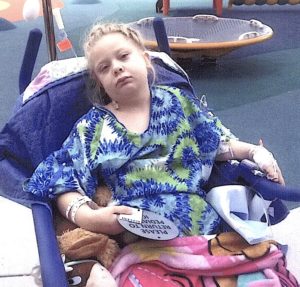 In addition, Makayla will be bound to kidney doctors and other specialists for life. She now suffers from chronic kidney disease, which is at a “Stage 3” for now. This means that, while her kidneys are damaged and have lost function, they are currently working to detoxify her blood. But since Makayla suffered from such severe HUS and needed prolonged dialysis, the “life” of her own kidneys is limited and it is expected that they will eventually fail entirely, and she will need to have at least one kidney transplant during the rest of her life. Kidney transplantation comes with its own set of problems, not the least of which is needing to be on strong drugs to prevent rejection. Perhaps the saddest consequence of Makayla’s E. coli O157:H7 infection and resultant HUS is the effect on childbearing. Pregnancy in women with chronic kidney disease can be very dangerous, especially if they are on hemodialysis. And pregnancy is considered too high risk and not advised for women who have had a kidney transplant.
 Despite the best efforts of the neurologists and other specialists, Lucas has remained “obtunded” and unable to meaningfully interact with his parents or others. He continues to require full assistance for all his needs. Lucas was discharged from palliative care in February 2019 after his dad and mom were trained to do his suctioning, feeding, bathing, and all other care he was going to need at home. He was set up for home health care skilled nursing, as well as physical therapy and other skilled services to visit the home without having to transport Lucas to the hospital so frequently.
 A few days ago, “Down Under” a.k.a. Australia, my friend, food safety guru, and for some strange reason, eater of raw shellfish, Dr. Julian Cox, was speaking about the risk of pregnant women consuming unpasteurized juice or cider and tahini or hummus. The risk to the mother and the baby is Listeria, which can spread from the human digestive tract to the placenta causing miscarriage or birth defects.
 Safe Fishes:
  Deli Meats and Smoked Fish:
 Dairy Products:
 Eggs:
Eggs: Meat:
Meat: Fruits and Vegetables (and other raw foods):
 Drugs:








 In March, the Southern Nevada Health District announced it was working with its federal partners to investigate reports of acute non-viral hepatitis in Clark County.




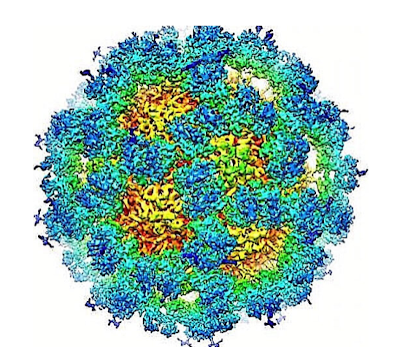 The Centers for Disease Control and Prevention (CDC) estimates that noroviruses cause nearly 21 million cases of acute gastroenteritis annually, making noroviruses the leading cause of gastroenteritis in adults in the United States. Norovirus is highly contagious and transmitted by infected individuals at an enormous rate. According to CDC estimates, this translates into about 2,500 reported norovirus outbreaks in the United States each year. Norovirus outbreaks have been reported in many settings, including healthcare facilities, restaurants and catered events, schools, and childcare centers. Cruise ships account for a small percentage (1%) of reported norovirus outbreaks overall. Norovirus outbreaks occur throughout the year but are most common from November to April. The most common symptoms are sudden onset of vomiting and watery diarrhea, although stomach cramps and pain also often occur. Some people experience fever and body aches. Symptoms usually start 12 to 48 hours after being exposed and typically last about 1 to 3 days.