

- FDA inspectors found Listeria in 19 of the plants (21 percent) and Salmonella in one
- More than half of the facilities (45) had 39 objectionable and 39 insanitary practices
- Six facilities were selected for extremely unsanitary practices
- The findings prompted three voluntary recalls,
According to an FDA Press Release today:
“Inspecting food facilities and collecting and testing samples from the environment where foods are produced are two of the many ways the FDA works to better understand microbial hazards and to help prevent contaminated products from reaching consumers. These activities help the FDA gather data and information necessary to develop prevention-based systems and, when contamination does occur, to respond swiftly to these hazards. Following a string of safety issues related to a number of U.S. ice cream distributors, the FDA engaged a team to inspect and obtain environmental samples from 89 ice cream production facilities in 32 states to test for Listeria monocytogenes and Salmonella. Although many of these facilities were adhering to good manufacturing practices, we did find that some were in violation of the law,” said Frank Yiannas, FDA Deputy Commissioner for Food Policy and Response. “Findings from our inspections resulted in three voluntary recalls that were conducted in 2017 and 2018 to protect public health. We also collaborated with inspected companies to help them make needed corrections and implement food safety plans designed to keep harmful bacteria out of their products and protect American consumers. These results serve as an important reminder to all food facilities distributing products in the U.S. of the importance of complying with rules set forth to mitigate safety issues. Ultimately, we must work together to ensure all necessary protective steps are taken so that Americans can continue having confidence that the foods available for purchase in the U.S. are safe and wholesome.”
The U.S. Food and Drug Administration today released a report on its findings from inspections and environmental sampling for Listeria monocytogenes and Salmonella at 89 ice cream production facilities in 32 states from Sept. 12, 2016 to Aug. 30, 2017. The agency began the sampling assignment following 16 recalls of ice cream products that occurred from 2013 to 2015 due to the presence of pathogens, and an outbreak of listeriosis linked to an ice cream maker in 2015 that involved three deaths. The sampling was designed to gain insights into the extent to which Listeria monocytogenes and Salmonella may be in the manufacturing environment, and to evaluate each establishment’s ability to identify, prevent, reduce, and/or eliminate microbial hazards of public health concern. No objectionable conditions or practices were observed in nearly half of the ice cream production facilities inspected. The FDA did detect Listeria monocytogenes in 19 of the facilities; however, only one of them was found to have the pathogen on a food-contact surface. The FDA also detected Salmonella in one facility.
As a result of these findings, three voluntary recalls were conducted in 2017 and 2018. These include two voluntary recalls of Working Cow Homemade Inc. ice creams due to potential contamination with Listeria monocytogenes, and a Nelson’s Creamery LLC recall due to undeclared soy lecithin in one of their products. The FDA also suspended Working Cow Homemade Inc.’s food facility registration in 2018. The FDA lifted the suspension earlier this year after the firm changed its business model to cease making ice cream and only distribute product made by other manufacturers.
The findings affirm the need for commercial ice cream makers to ensure that they are controlling hazards in accordance with the Preventive Controls for Human Food rule established by the FDA Food Safety Modernization Act. Companies that follow the rule and employ robust environmental monitoring programs will likely occasionally detect environmental pathogens, but how an establishment responds to a pathogen finding is critical.
For some reason it reminded me of a song my dad used to sing me.

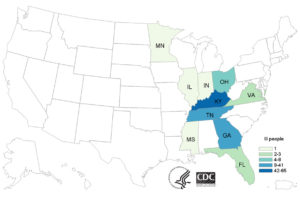 According to the CDC
 Now available for purchase from
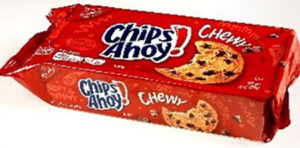 Mondelēz Global LLC announced today a limited voluntary recall in the United States of certain Chewy Chips Ahoy 13oz cookies. This voluntary recall is being conducted because of the potential for certain product to contain an unexpected solidified ingredient. Some reports of potential adverse health effects have been received.
 The CDC and several states are investigating a multistate outbreak of Listeria infections linked to deli-sliced meats and cheeses. The U.S. Department of Agriculture’s Food Safety and Inspection Service (USDA-FSIS) and the U.S. Food and Drug Administration (FDA) are monitoring the outbreak.
 Epidemiologic and laboratory evidence indicates that deli-sliced meats and cheeses might be contaminated with Listeria monocytogenes and could make people sick.
 The outbreak strain of Listeria monocytogenes has been identified in samples from meat sliced at a deli, and from deli counters in multiple retail locations in New York and Rhode Island. WGS showed that the Listeria strain from these samples is closely related genetically to the Listeria strain from ill people. This result provides more evidence that people in this outbreak got sick from eating deli-sliced products. At this time, the investigation has not identified a common product that was sliced or prepared in the delis.
 Jensen Tuna of Louisiana is recalling frozen ground raw tuna sourced from JK Fish of Vietnam due to possible Salmonella contamination. The recalled tuna was individually packaged in one-pound bags and sold in 20-pound boxes under lot numbers z266, z271, and z272
 Symptoms of Salmonella infection include diarrhea, abdominal pain and fever. Symptoms usually begin within 12 to 96 hours after exposure, but they can begin up to 2 weeks after exposure. Infections usually clear in five to seven days, but about 28 percent of laboratory-confirmed cases require hospitalization. More serious invasive infections occasionally occur. Many Salmonella infections in otherwise healthy people do not require medical treatment. For those who seek health care, most do not require antibiotics. However, antibiotic treatment may be warranted in some cases. If you’ve consumed these products, become ill and are concerned about your health, consult your health care provider.


