

I represented 50 – including 30 who died – from the Listeria outbreak linked to cantaloupe in 2011.  I have received a few calls today from former clients and friends who where shocked by this recent development.

According to recent press reports, Eric Jensen was charged in February in Seward County District Court with the distribution of more than 30 kilograms of marijuana. Conviction on the level 1 drug felony carries a minimum 11 ½ years in prison and fine of up to $500,000.

That was after 350 pounds of cannabis bound for a CDB producer in California went to a FedEx distribution center in Liberal, some 130 miles east of where it started, rather than heading west.

“It was a legal product, which was sold to an extractor in California,” said Van Z. Hampton, the attorney representing Jensen. “They assumed, as most people would, that the truck would go west. But they (FedEx) took it to Seward County to a transfer facility.”

Employees there smelled the hemp, assumed it was marijuana and called the Kansas Highway Patrol.
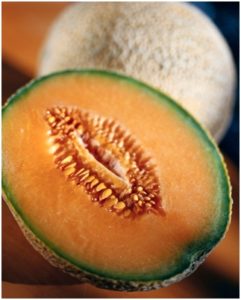
“This case and the delay have real consequences for (Jensen),” Hampton said. “In addition to the loss of money and putting his liberty at jeopardy, there are other practical concerns. He was a coach and a bus driver for the high school (in Holly, Colorado). The superintendent sent out a letter that said since he’s charged with this level of felony, he discharged him. He can have no contact with students. That was his second job. He’s a fourth-generation farmer.”

While Hampton could not verify it was the same people, brothers Eric and Ryan Jensen of Holly, Colorado, owned and operated Jensen Farms, which was blamed for a 2011 listeria outbreak on cantaloupe that that killed 33 people and sickened 125 others in 28 states.

The brothers were convicted on misdemeanor charges of introducing adulterated food into the food supply and were placed on five years of probation in 2014.

I have lost track of how often this happens to Ronald and how often I have sued them.

Arkansas continues to have a hepatitis A (hep A) outbreak. The Arkansas Department of Health (ADH) is warning of a possible hep A exposure after an employee of the McDonald’s in Trumann tested positive for the virus.

Anyone who ate at the McDonald’s at 500 Industrial Park Dr., in Trumann, Ark. from July 9-16, 2019 should seek vaccination immediately if they have never been vaccinated against hep A or are unsure of their vaccination status. There are no specific treatments once a person gets hep A. Illness can be prevented even after exposure by getting the vaccine or medicine called immune globulin, which contains antibodies to hep A. These work best to prevent illness if given within two weeks of exposure to the virus. Hep A vaccination can still prevent the virus after exposure.

The ADH will host a vaccine clinic on Friday, July 26, 2019. Vaccines will be available from 7:30 a.m. to 6 p.m. in the Poinsett County Health Unit at 1204 West Main in Trumann. The vaccine will be provided to the public at no cost. People should bring their insurance card and driver’s license if they have one. Those who are unable to attend the clinic because they are in another county may be able to visit a Local Health Unit in their county. Those visiting Local Health Units in other counties should call ahead to ensure vaccine is available. The Local Health Unit listing can be found at https://www.healthy.arkansas.gov/health-units.

Anyone experiencing symptoms should seek care immediately. Typical symptoms of hep A include fever, fatigue, loss of appetite, nausea, vomiting, abdominal pain, dark urine, clay-colored bowel movements, joint pain, or jaundice (yellowing of the skin or eyes). It can range in severity from a mild illness lasting a few weeks to a severe illness lasting several months.

Risk of getting hep A in a food service setting is low. Restaurants must follow ADH protocols for handwashing and glove use, and employees are not to return to work until they are no longer sick. Hep A is being spread in this outbreak primarily through close contacts in the community, not through eating at restaurants.

Since February 2018, 382 cases of hep A have been reported as part of an outbreak in Arkansas, including three deaths. Greene and Craighead counties have had the most cases, and there have also been cases in Arkansas, Clay, Cleburne, Conway, Crittenden, Cross, Faulkner, Fulton, Independence, Jackson, Jefferson, Lawrence, Lee, Lincoln, Logan, Lonoke, Mississippi, Monroe, Phillips, Poinsett, Prairie, Pulaski, Randolph, Sharp, St. Francis, Washington, and White counties. Several other states are experiencing outbreaks as well.

Those at high risk of getting hep A are:

  • Anyone who has had close contact with someone who has hep A
  • People who use drugs, whether injected or not
  • People experiencing homelessness, transient, or unstable housing
  • People who have been recently incarcerated
  • The hep A vaccine is safe and effective. Hep A is a contagious liver disease that results from infection with the hep A virus, which is a different virus from the viruses that cause hep B or hep C. It is usually spread when a person ingests tiny amounts of fecal matter from contact with objects, food or drinks contaminated by the feces (stool) of an infected person.

A person can transmit the virus to others up to two weeks before and one week after symptoms appear. If infected, most people will develop symptoms three to four weeks after exposure; however, the virus can cause illness anytime from two to seven weeks after exposure. Many people, especially children, may have no symptoms. Almost all people who get hep A recover completely and do not have any lasting liver damage, although they may feel sick for months.

Older people typically have more severe symptoms. Other risk factors for having more severe symptoms of hep A include having other infections or chronic diseases like hep B or hep C, HIV/AIDS, or diabetes. Up to one in three adults are typically hospitalized. Death due to hep A is rare, but is more likely in patients with other liver diseases (like hep B or hep C).

The U.S. Food and Drug Administration (FDA), along with the Centers for Disease Control and Prevention (CDC), and state and local partners, are investigating a multistate outbreak of Cyclospora illnesses potentially linked to fresh basil exported by Siga Logistics de RL de CV located in Morelos, Mexico.

Although the investigation is ongoing, CDC’s analysis of epidemiologic information indicates that contaminated fresh basil is the likely cause of the illnesses. FDA’s traceback investigation indicates that the fresh basil available at points of sale where consumers became ill was exported to the United States by Siga Logistics de RL de CV located in Morelos, Mexico. FDA has requested a voluntary recall and the firm has agreed. FDA has increased import screening on basil and will continue to investigate the cause and source of the outbreak as well as the distribution of products.

FDA is working with the firm to facilitate a recall. As this outbreak investigation continues, the FDA will work with our Mexican food safety regulatory counterparts to better define the cause and source of this outbreak. Additionally, the FDA will update this advisory as more information becomes available.

Consumers should not to buy, eat, or serve any fresh basil exported by Siga Logistics de RL de CV located in Morelos, Mexico.
Do not consume or serve uncooked items like pesto or salad, that may include fresh basil from Mexico, unless you are certain that the fresh basil was not exported by Siga Logistics de RL de CV.

However, if consumers cannot determine if the basil is from this company, they should avoid basil from Mexico. If they do not know what country the basil is from, they should avoid it.

The FDA strongly advises importers, suppliers, and distributors, as well as restaurants, retailers, and other food service providers to not sell, serve or distribute fresh basil exported by Siga Logistics de RL de CV located in Morelos, Mexico. If you are uncertain of the source, do not sell, serve or distribute the fresh imported basil.

I have sent the Food Safety News staff (stop by the booth – they have great swag) and the Marler Clark Epidemiologist to IAFP this week.  I will be in Minneapolis this week to work on Salmonella Outbreaks from 2018.

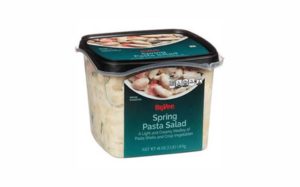
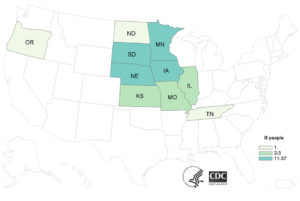
Hy-Vee Chicken Salad: As of September 5, 2018, 101 people infected with the outbreak strains of Salmonella Sandiego (92 people), Salmonella enterica subspecies IIIb (7 people), or both (2 people) were reported from 10 states.

Illnesses started on dates ranging from June 21, 2018, to August 7, 2018. Ill people ranged in age from 1 year to 89, with a median age of 50. Sixty-one percent were female. Of 95 people with information available, 25 (26%) were hospitalized. No deaths were reported.

Epidemiologic evidence indicated that Spring Pasta Salad purchased at Hy-Vee grocery stores was a likely source of this outbreak.

In interviews, ill people answered questions about the foods they ate and other exposures in the week before they became ill. Sixty (76%) of 79 people interviewed reported eating Spring Pasta Salad from Hy-Vee grocery stores in Iowa, Kansas, Minnesota, Nebraska, and South Dakota. The ill people in North Dakota, Oregon, and Tennessee traveled to states where Hy-Vee grocery stores are located.

On July 16, 2018, Hy-Vee, Inc. of West Des Moines, Iowa removed Spring Pasta Salad products from all of its stores. Hy-Vee stores are located in Illinois, Iowa, Kansas, Minnesota, Missouri, Nebraska, South Dakota and Wisconsin. On July 17, 2018, Hy-Vee, Inc. recalled its Spring Pasta Salad because it might have been contaminated with Salmonella.

Kellogg’s Honey Smacks Cereal: As of September 25, 2018, 135 people infected with the outbreak strain of Salmonella Mbandaka were reported from 36 states.
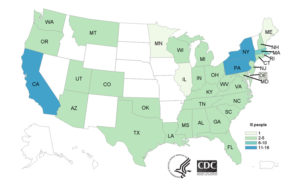
Illnesses started on dates from March 3, 2018, to August 29, 2018. Ill people ranged in age from less than one year to 95, with a median age of 57. Sixty-nine percent of ill people were female. Out of 101 people with information available, 34 (34%) were hospitalized. No deaths were reported.

Epidemiologic and laboratory evidence indicated that Kellogg’s Honey Smacks cereal was the likely source of this multistate outbreak.

In interviews, ill people answered questions about the foods they ate and other exposures in the week before they became ill. Sixty-three (75%) of 84 people interviewed reported eating Kellogg’s Honey Smacks cereal. Ill people in this outbreak reported this cereal more often than any other cereals or food items.

Health officials in several states collected Kellogg’s Honey Smacks cereal from retail locations and ill people’s homes for testing. Laboratory testing identified the outbreak strain of Salmonella Mbandaka in a sample of unopened Kellogg’s Honey Smacks cereal collected from a retail location in California. Laboratory testing also identified the outbreak strain in samples of leftover Kellogg’s Honey Smacks cereal collected from the homes of ill people in Montana, New York, and Utah. WGS showed that Salmonella bacteria isolated from sick people and the cereal were closely related genetically. This result provides more evidence that people in this outbreak got sick from eating Kellogg’s Honey Smacks.
On June 14, 2018, the Kellogg Company recalled all Honey Smacks cereal that were on the market within the cereal’s one-year shelf-life.

JBS Ground Beef: As of March 21, 2019, 403 people infected with the outbreak strain of Salmonella Newport were reported from 30 states.

Illnesses started on dates ranging from August 5, 2018 to February 8, 2019. Ill people ranged in age from less than one year to 99, with a median age of 42. Forty-nine percent were male. Of 340 people with information available, 117 (34%) were hospitalized. No deaths were reported.

State and local health departments asked ill people questions about the foods they ate and other exposures in the week before they became ill. Of 277 people interviewed, 237 (86%) reported eating ground beef at home. This percentage is significantly higher than results from a survey of healthy people in which 40% of respondents reported eating any ground beef at home in the week before they were interviewed. Also, several unrelated ill people ate ground beef at the same events or purchased ground beef at the same grocery store chains, suggesting that the contaminated food item was served or sold at those locations.

Officials in Arizona and Nevada collected opened and unopened packages of ground beef from ill people’s homes. Officials also collected unopened packages of ground beef from retail locations. The outbreak strain of Salmonella Newport was identified in the ground beef. Whole genome sequencing showed that the Salmonella identified in the ground beef was closely related genetically to the Salmonella in samples from ill people. USDA-FSIS and state partners traced the source of the ground beef eaten by ill people in this outbreak to JBS Tolleson, Inc.
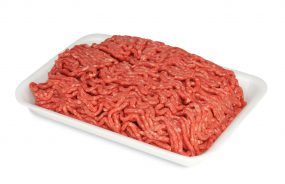
On October 4, 2018, JBS Tolleson, Inc. recalled approximately 6.5 million pounds of beef products that may be contaminated with Salmonella Newport. On December 4, 2018, JBS Tolleson, Inc. recalled an additional 5.2 million pounds of beef products.

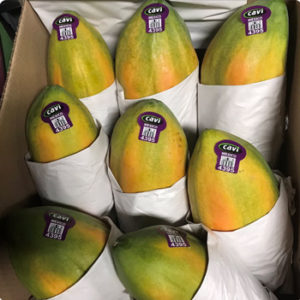
The U.S. Food and Drug Administration (FDA), along with the Centers for Disease Control and Prevention (CDC), and state and local partners, are investigating a multistate outbreak of Salmonella Uganda illnesses likely linked to Cavi Brand whole, fresh papayas.
Total Illnesses: 71
Hospitalizations: 27
Deaths: 0
Last illness onset: June 16, 2019
States with Cases: CT (14), FL (1), MA (5), NJ (18), NY (27), PA (4), RI (1), TX (1)

The FDA has asked Agroson’s LLC, the exclusive distributor of this brand, to conduct a voluntary recall of Cavi brand papayas. Agroson’s LLC refused to initiate a recall. FDA contacted wholesale customers of Agroson’s LLC to ensure the fruit was no longer available for sale, has been discarded, or not further processed or frozen.  FDA is doing this to protect consumers as it pursues additional protective and regulatory actions.

For Consumers, Restaurants, and Retailers:

Consumers in all states should not eat any Cavi brand whole, fresh papayas and should throw them away. If consumers are unable to determine the brand of papayas, the product should be thrown away. Retailers, restaurants, and other food service providers in all states should not serve or sell whole, fresh papayas under the Cavi brand, which are distributed by Agroson’s LLC.

Consumers no longer need to avoid whole, fresh papayas, with the exception of Cavi brand papayas.

For Restaurants, Retailers, Importers, Suppliers, and Distributors in All States:

The FDA strongly advises importers, suppliers, and distributors, as well as restaurants, retailers, and other food service providers from all states to not sell or distribute whole, fresh papayas from Agroson’s LLC that are labeled under the Cavi brand.

Based on this new information, the hold FDA advised on June 28, 2019 for all imported Mexican papayas is no longer necessary.

Distributors don’t need to withhold Mexican papayas from distribution, with the exception of the Cavi brand.

Mandatory Recall Authority

In 2018, the U.S. Food and Drug Administration released a final guidance regarding the agency’s mandatory recall authority under the FDA Food Safety Modernization Act (FSMA).

The 2011 food safety law gave FDA mandatory recall authority for foods if there is a reasonable probability that the food is adulterated or misbranded under certain FDA authorities, and that the food could cause serious illnesses or death. FDA must give the responsible party an opportunity to conduct a voluntary recall before ordering a mandatory recall. Prior to the enactment of FSMA, FDA could only rely on manufacturers to voluntarily recall certain potentially harmful food products.

This final guidance follows a draft which was made available for public comment in 2015, and provides additional clarity including some modifications based on comments received. The guidance provides questions and answers on FDA’s mandatory recall process, explains what FDA considers when moving forward with a mandatory recall, and more.

Until today, the FDA has issued a mandatory recall order of a food product only once. In April 2018, FDA issued a mandatory recall order for all food products containing powdered kratom manufactured, processed, packed, or held by Triangle Pharmanaturals LLC, after several products were found to contain Salmonella. In two other instances, FDA started down the path of using its mandatory recall authority under FSMA until the companies ultimately chose to voluntarily recall their product.

While FDA’s mandatory recall authority plays an important role in ensuring that potentially dangerous food products are removed from the marketplace, the agency remains committed to working with firms to facilitate the orderly and prompt voluntary removal of potentially dangerous products from the food supply.

Missouri, Michigan, Florida, Pennsylvania, New York, New Jersey and Connecticut.
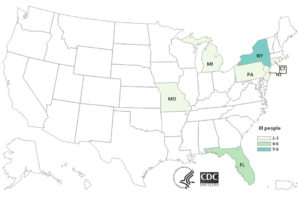
CDC, public health and regulatory officials in several states, the U.S. Food and Drug Administration (FDA), and the Canadian Food Inspection Agency are investigating a multistate outbreak of E. coli O103 and E. coli O121 infections.

As of July 12, 2019, a total of 21 people infected with the outbreak strains of E. coli O103 (6 people), E. coli O121 (13 people), or both (2 people) have been reported from 7 states.

Illnesses started on dates from March 18, 2019, to June 18, 2019. Ill people range in age from 6 to 79 years, with a median age of 25. Fifty-two percent of ill people are female. Of 17 people with information available, 8 (47%) have been hospitalized. No deaths and no cases of hemolytic uremic syndrome, a type of kidney failure, have been reported.

Illnesses that occurred after June 22, 2019, might not yet be reported due to the time it takes between when a person becomes ill with E. coli and when the illness is reported. This takes an average of two to three weeks.

Epidemiologic and traceback information indicate that ground bison produced by Northfork Bison Distributions, Inc., is the likely source of this outbreak.

In interviews, ill people answered questions about the foods they ate and other exposures in the week before they became ill. Of 9 people with available information, 6 (67%) people reported that they ate or maybe ate ground bison. Ill people ate ground bison in burgers from several different restaurants or prepared ground bison at home.

Regulatory officials collected records from the restaurants where ill people ate ground bison. These records showed that the ground bison produced by Northfork Bison Distributions, Inc., was sold in several restaurants where ill people ate ground bison.

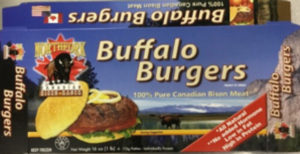
On July 16, 2019, Northfork Bison Distributions, Inc. in Saint-Leonard, Quebec, Canada, recalled ground bison and bison patties (referred to as Bison Burgers and/or Buffalo Burgers) produced between February 22, 2019, and April 30, 2019.

Consumers should not eat, and restaurants and retailers should not serve or sell, recalled ground bison products.

In Canada, the CFIA has published this list of products recalled in relation to the situation. The Canadian agency reported today that no illnesses had been confirmed in that country.

Brand Name Common Name Size UPC Code(s) on Product
Natural Frontier Foods Bison – ground meat 280 g 6 76842 00147 7 EXP 190311
EXP 190314
EXP 190315
EXP 190316
EXP 190317
EXP 190318
Sensations Extra Lean Ground Bison 280 g 6 23682 11159 0 EXP 190311
EXP 190314
EXP 190315
EXP 190316
EXP 190317
EXP 190318
La Terre des Bisons Bison ground (lean) 1.5 lb 96768420002598 Packed on 19-02-22
Packed on 19-02-25
Packed on 19-02-26
Packed on 19-02-27
Packed on 19-02-28
Packed on 19-03-01
Northfork Canadian Bison Ranch Bison ground regular 1.25 kg 86768420002577 Packed on 19-02-22
Packed on 19-02-25
Packed on 19-02-26
Packed on 19-02-27
Packed on 19-02-28
Packed on 19-03-01
Northfork Canadian Bison Ranch Bison ground regular 4.54 kg /10 lb 86768420002263 Packed on 19-02-22
Packed on 19-02-25
Packed on 19-02-26
Packed on 19-02-27
Packed on 19-02-28
Packed on 19-03-01
Northfork Canadian Bison Ranch Bison ground 10 lbs regular 4.54 kg 96768420111061 Packed on 19-02-22
Packed on 19-02-25
Packed on 19-02-26
Packed on 19-02-27
Packed on 19-02-28
Packed on 19-03-01
Northfork Canadian Bison Ranch Bison Ground 1 lb regular 0.45 kg / 1 lb 96768420111054 Packed on 19-02-22
Packed on 19-02-25
Packed on 19-02-26
Packed on 19-02-27
Packed on 19-02-28
Packed on 19-03-01
Northfork Canadian Bison Ranch Bison Burger 20 x 8oz 2 lb 96768420111092 Packed on 19-02-22
Packed on 19-02-25
Packed on 19-02-26
Packed on 19-02-27
Packed on 19-02-28
Packed on 19-03-01
Northfork Canadian Bison Ranch Bison Burger 4oz x 4 1 lb 96768420111184 Packed on 19-02-22
Packed on 19-02-25
Packed on 19-02-26
Packed on 19-02-27
Packed on 19-02-28
Packed on 19-03-01

In 2010, 10 people were sickened – Tenderized and ground bison meat products were recalled after a cluster of E. coli O157:H7 cases was identified in Colorado and New York state. The meat was produced by the Rocky Mountain Natural Meats Company, located in Henderson, Colorado. The meat was produced in late May and sold to grocery stores nationwide and to food service distributors in Utah and Arizona. The CDC Cluster ID number was 1006COEXH-1.

Ada Valley Gourmet Foods, Inc., an Ada, Mich. establishment, is recalling approximately 3,490 pounds of raw ground beef meatloaf products that may be contaminated with extraneous materials, specifically broken metal bits, the U.S. Department of Agriculture’s Food Safety and Inspection Service (FSIS) announced today.

The frozen, premixed raw ground beef meatloaf was produced on May 20, 2019. The following products are subject to recall:

  • 5-lb. frozen vacuum packages packed 2 each in cartons containing “Ada Valley MEATLOAF UNCOOKED” with lot code 17034 and a packaging date of 05-20-19 represented on the label.

The products subject to recall bear establishment number “EST. 10031” inside the USDA mark of inspection. These items were shipped to hospitals in Arizona, California, and Nevada.

The problem was discovered on July 11, 2019, when a customer notified the plant of the problem.

There have been no confirmed reports of adverse reactions due to consumption of these products. Anyone concerned about an injury or illness should contact a healthcare provider.

Why is this not a health priority?  Especially vaccinating health workers, food workers and other who might come in contact with vulnerable populations?

Since March 2017, CDC’s Division of Viral Hepatitis (DVH) has been assisting multiple state and local health departments with hepatitis A outbreaks, spread through person-to-person contact.

The hepatitis A vaccine is the best way to prevent HAV infection

  • The following groups are at highest risk for acquiring HAV infection or developing serious complications from HAV infection in these outbreaks and should be offered the hepatitis A vaccine in order to prevent or control an outbreak:
    • People who use drugs (injection or non-injection)
    • People experiencing unstable housing or homelessness
    • Men who have sex with men (MSM)
    • People who are currently or were recently incarcerated
    • People with chronic liver disease, including cirrhosis, hepatitis B, or hepatitis C
  • One dose of single-antigen hepatitis A vaccine has been shown to control outbreaks of hepatitis A and provides up to 95% seroprotection in healthy individuals for up to 11 years.
  • Pre-vaccination serologic testing is not required to administer hepatitis A vaccine. Vaccinations should not be postponed if vaccination history cannot be obtained or records are unavailable.

CDC has provided outbreak-specific considerations for hepatitis A vaccine administration.

Affectionally know at “Team D.” From the website:

MDH epidemiologists oversee a team of 8 to 10 interviewers (“Team Diarrhea”) who are part-time MDH employees hired  from a pool of MPH students at the University of Minnesota, School of Public Health. Each student works approximately 20 hours per week. Team Diarrhea’s hours of operation are Monday through Thursday, 9 a.m. to 8:30 p. m.; Friday, 9 a.m. to 5 p.m.; and Sunday 4 p.m. to 8 p.m. Scheduling night and weekend hours for interviewers increases the likelihood that cases will be able to be reached for interview.

The Team Diarrhea students are intensively trained and supervised by MDH epidemiologists. They conduct phone interviews of reportable enteric pathogen cases identified through surveillance with a detailed questionnaire  about illness and exposures, including brand and variety names of foods eaten and where foods were purchased. When a potential outbreak is identified, the data from these questionnaires is reviewed by an epidemiologist as the first step in the outbreak investigation. As the investigation progresses, the Team Diarrhea students will conduct additional interviews as needed, assist with data entry and analysis, and assist the epidemiologist with other duties. When a suspect food vehicle is identified, the lead epidemiologist works with the appropriate state and federal regulatory agencies to address the suspect food. This approach allows MDH to rapidly detect, investigate, and solve foodborne disease outbreaks.

Here is a recent report that likely has the Team’s fingerprints (well washed) all over it.  My clients appreciate the work.

Salmonella Braenderup Infections Associated with the Green Mill Hennepin County
 – April 2019

Background

On April 19, 2019, the Minnesota Department of Health (MDH) Public Health Laboratory (PHL) determined that two clinical Salmonella Braenderup isolates submitted through routine surveillance had indistinguishable pulsed-field gel electrophoresis (PFGE) patterns (Minnesota designation BR134). Initial interviews with these cases revealed that both had eaten food from the Green Mill in Bloomington in the week before their illness onset. City of Bloomington Environmental Health Division (CBEH) was notified, and an investigation was initiated.

Methods

Cases were defined as individuals who tested positive for S. Braenderup with PFGE pattern BR134, or a Green Mill – Bloomington patron who developed diarrhea (≥3 stools in a 24-hour period) that was at least 3 days in duration or was accompanied by a fever, after eating food from the restaurant. Stool samples collected from consenting individuals were submitted to the MDH PHL for bacterial and viral testing. PFGE and whole genome sequencing (WGS) was performed on isolates.

MDH staff collected online orders, information for catering groups, and receipts from April 5, 8, 9, and 10, and patrons were called to find additional cases and controls.

All restaurant employees were required to submit two stool samples to the MDH PHL for Salmonella testing. Any employee reporting illness on or after March 15 was excluded from work in food service until two consecutive stool samples tested negative for Salmonella by culture. Employees who tested positive for Salmonella by culture were excluded until two consecutive stool samples tested negative.

Results

Eighty-nine restaurant patrons and 18 additional catered training event attendees were interviewed. Seven cases (7%) were identified, including five laboratory-confirmed cases. Two patrons reported illness but did not meet the case definition and were excluded from further analysis. Cases reported meal dates of March 22 (n=1), April 5 (n=3), April 8 (n=4), April 9 (n=3), April 10 (n=3). Four cases had 2 to 3 meal dates. Onsets of illness ranged from March 29 to April 16. The median age of cases was 39 years (range, 6 to 65 years), and four (57%) cases were male. All seven cases reported diarrhea and cramps, five (71%) fever, one (14%) vomiting, and one (14%) bloody stool. Four (57%) cases visited a healthcare provider, but none were hospitalized or died. The median incubation for the three cases with only one meal date was 115 hours (range, 1.5 to 175 hours).

Three laboratory-confirmed cases attended the same training event catered by the Green Mill restaurant on April 8, 9, and 10. All other cases were sit-down restaurant patrons or had take-out. One case tested negative for Salmonella, and the other case did not return a stool kit. In a univariate analysis including all laboratory-confirmed cases and controls from the catered training event and restaurant patrons from April 5 and 8, there were no significant findings. At the ingredient level, consumption of diced tomatoes (5 of 5 cases vs. 18 of 60 controls; odds ratio [OR], undefined; p = 0.004), any tomatoes (5 of 5 cases vs. 21 of 60 controls; OR, undefined; p < 0.008) and romaine lettuce (5 of 5 cases vs. 23 of 60 controls; OR, undefined; p < 0.012) were significantly associated with illness. In a multivariable analysis, no items remained independently associated with illness, likely because of the high degree of collinearity between tomatoes and romaine lettuce.

CBEH sanitarians visited Green Mill on April 19. All 53 employees were interviewed, and 5 employees were excluded because they reported vomiting, diarrhea, or fever since March 17. The illness onset dates for employees were April 1, April 9, April 11, April 19, and April 24. All five of these employees negative twice for Salmonella on their first two samples.

Two employees who did not initially report any gastrointestinal symptoms tested positive for S. Braenderup that matched by PFGE and whole genome sequencing to patron isolates. Both positive employees were banquet servers. One positive employee reported not having any gastrointestinal symptoms, and worked on April 5, 8, 9, and 10. The second positive employee, who initially reported having no illness, later reported diarrhea, chills, and abdominal pain but was unable to identify an onset date. This employee worked on April 5.

Sanitarians identified numerous issues. The Victory produce wash was plumbed to the 3-compartment sink. The paper towel dispenser was empty on the cook line. An employee was observed touching pizza with bare hands. An employee was observed rinsing the pizza cutter in the hand sink. The pressure gauge was not functional on the dish washing machine.

Fresh produce, including tomatoes and romaine lettuce, were delivered on the morning of April 5. Tomatoes are rinsed with Victory wash in the sink, diced or sliced, and then stored in the walk-in cooler and line flip top cooler. The romaine lettuce is delivered pre-cut and pre-shredded. Food for catered banquets and restaurant patrons are prepared in different areas.

Conclusion

This was an outbreak of S. Braenderup infections associated with the Green Mill restaurant in Bloomington and identified through routine disease surveillance. Tomato and romaine lettuce consumption were statistically associated with illness. Two banquet servers tested positive for the outbreak strain of S. Braenderup. Food workers infected with Salmonella may have been the source of contamination, but other sources of contamination could not be ruled out.

S. Braenderup Green Mill Summary