

Since the previous update on November 22, an additional 27 ill people have been reported. As of November 25, 2019, a total of 67 people infected with the outbreak strain of E. coli O157:H7 have been reported from 19 states.

Illnesses started on dates ranging from September 24, 2019, to November 14, 2019. Ill people range in age from 3 to 89 years, with a median age of 25. Sixty-seven percent of ill people are female. Of 50 ill people with information available, 39 hospitalizations have been reported, including six people who developed hemolytic uremic syndrome (HUS), a type of kidney failure. No deaths have been reported.

Epidemiologic, laboratory, and traceback evidence indicate that romaine lettuce from the Salinas, California, growing region is the likely source of this outbreak.
FDA and states continue to trace the source of the romaine lettuce eaten by ill people. Preliminary information indicates that some of the ill people ate lettuce grown in Salinas, California. No common grower, supplier, distributor, or brand of romaine lettuce has been identified.


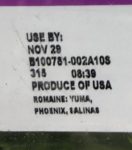
CDC continues to advise that consumers not eat and retailers not sell any romaine lettuce grown in Salinas, California. The investigation is ongoing to determine the source of contamination and if additional products are linked to illness.
This outbreak is caused by the same strain of E. coli O157:H7 that caused outbreaks linked to leafy greens in 2017 and to romaine lettuce in 2018.


 2018
2018 2017
2017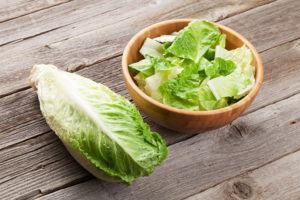 “When in doubt, throw it out,” says
  The U.S. Department of Agriculture’s Food Safety and Inspection Service (FSIS) is issuing a public health alert due to illnesses caused by E. coli O157:H7 associated with romaine lettuce from the Salinas, California, growing region. FSIS warns against consuming any wraps, sandwiches, prepackaged salad, salad kits, or other product containing romaine lettuce harvested from the Salinas, California, growing region. Additionally, consumers should not eat any salad products identified in a Missa Bay, LLC,
  Since the initial investigation notice, 23 additional ill people have been reported. As of November 21, 2019, a total of 40 people infected with the outbreak strain of E. coli O157:H7 have been reported from 16 states.

 San Antonio Metropolitan Health District commenced a foodborne outbreak investigation in September 2018 after it was bombarded with calls from over 250 ill patrons of Pasha Mediterranean Grill in San Antonio, Texas. 14 patrons were confirmed for Salmonella and a dozen were hospitalized. Those whose stool samples were confirmed at a public health lab tested positive for Salmonella Enteritidis.


 According to South African press reports, it seems that there’s no coming back from the Listeria crisis that rocked Tiger Brands last year.