
CDC, public health and regulatory officials in several states, and the U.S. Food and Drug Administration are investigating a multistate outbreak of hepatitis A potentially linked to contaminated fresh organic strawberries reportedly sold as FreshKampo or HEB, purchased in the United States between March 5, 2022, and April 25, 2022. The Public Health Agency of Canada and the Canadian Food Inspection Agency are also investigating an outbreak of hepatitis A; imported fresh organic strawberries have been identified as the likely source of that outbreak. Traceback investigations show that outbreak-associated cases in California, Minnesota, and Canada report having purchased fresh organic strawberries prior to becoming ill.  Complaint – ArthurBrown – Complaint 6.2.22 Final WDM – To Be Filed

As of May 31, 2022, in the United Sates, a total of 17 outbreak-associated cases of hepatitis A have been reported from 3 states.

Illnesses started on dates ranging from March 28, 2022, to April 30, 2022. Ill people range in age from 9 to 73 years, with a median age of 58. Seventy-one percent of ill people are female. Of 17 people with available information, 12 (71%) have been hospitalized. No deaths have been reported.

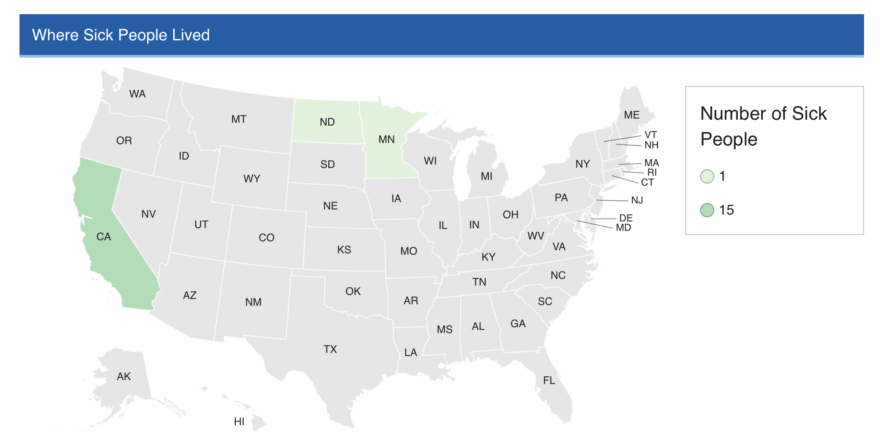
Epidemiologic and traceback evidence indicate that fresh organic strawberries are a likely source of this outbreak. The potentially affected FreshKampo and HEB products are past shelf life and no longer available for purchase in the United States. People who purchased FreshKampo or HEB fresh organic strawberries between March 5, 2022, and April 25, 2022 and then froze those strawberries for later consumption should not eat them. These products may have been sold at the following retailers, including, but not limited to: HEB, Kroger, Safeway, Sprouts Farmers Market, Trader Joe’s, Walmart, Weis Markets, and WinCo Foods.

In Canada, as of June 2, 2022, there are 10 laboratory-confirmed cases of hepatitis A illness being investigated in two provinces: Alberta (4) and Saskatchewan (6). Individuals became ill between early and mid April 2022. Individuals who became ill are between 10 to 75 years of age. Four individuals have been hospitalized. No deaths have been reported.

The CFIA is conducting a food safety investigation into the FreshKampo brand fresh organic strawberries purchased between March 5 and 9, 2022 at Co-op stores in Alberta and Saskatchewan. Currently, there are no food recall warnings associated with this outbreak.

In interviews, ill people answered questions about the foods they ate and other exposures in the 2 to 7 weeks before they became ill. Of people who were interviewed, 10/13 (77%) reported eating fresh organic strawberries. This proportion was significantly higher than results from a survey of healthy people in which 50% reported eating fresh strawberries in the week before they were interviewed.

Currently, the potentially affected FreshKampo and HEB products are past shelf life. People who purchased FreshKampo and HEB fresh organic strawberries between March 5, 2022, and April 25, 2022, and then froze those strawberries for later consumption should not eat them. These products were sold at the following retailers, including, but not limited to:

Aldi

HEB

Kroger

Safeway

Sprouts Farmers Market

Trader Joe’s

Walmart

Weis Markets

WinCo Foods

Canadian Co-op stores

Contact your healthcare provider if you think you may have symptoms of a hepatitis A infection after eating these fresh organic strawberries, or if you believe that you have eaten these strawberries in the last two weeks. If you have eaten these organic strawberries, purchased fresh and later frozen, or have symptoms consistent with hepatitis A, see your health care provider immediately. Vaccination can prevent a hepatitis A infection if given within 14 days of exposure. Symptoms of hepatitis A include:

fever

dark urine

loss of appetite

fatigue (tiredness)

nausea and vomiting

stomach cramps or abdominal pain

jaundice (yellowing of the skin and eyes)

After you have been exposed to hepatitis A, symptoms typically appear 14 to 28 days later, but may occur up to 50 days later.

Symptoms usually last less than two months. Mild symptoms may last only one or two weeks, while severe symptoms can last up to nine months.

Anyone can become ill with hepatitis A infection. Most people who become ill from a hepatitis A infection will recover fully, but the risk of serious complications increases with older age and in those with underlying liver disease.

It is possible for some people to be infected with hepatitis A and to not get ill or show any symptoms, but to still be able to spread the virus to others.

Wash and sanitize any drawers, shelves, or containers where the products were stored using a kitchen sanitizer (follow the directions on the container) or prepare a bleach solution in a labelled spray bottle (you can use a ratio of 5 ml of household bleach to 750 ml of water) and rinse with water.

Wash your hands before and after preparing or eating food, and after using the washroom or changing diapers.

If you have been diagnosed with hepatitis A, do not prepare or serve food and drinks to others.

Good on Public Health doing good public health.

WDBJ reports that the Virginia Department of Health is offering free Hepatitis A vaccines for restaurant workers.

The Roanoke City Alleghany Health District Director Dr. Cynthia Morrow, says that the Health District will host the vaccination clinic Monday, June 6 at the Williamson Road Branch Library from 11 a.m. until 3 p.m.

Appointments are first come, first served and appointments are preferred, according to the health district. Those who are interested can make an appointment by calling 540-613-6597.

The clinic comes after three local restaurants identified health care workers who were positive for Hepatitis A within the last several months.

Last week I posted: Publisher’s Platform: Please, Roanoke restaurants, whether it is for moral or business reasons, offer hepatitis A vaccinations to your employees.  Here is an offer you can’t refuse. No one took me up on the offer, but here is what I said:

In January of this year the owners of Roanoke’s Famous Anthony’s restaurant filed for bankruptcy for two of their restaurant locations after a hepatitis A outbreak originating from one of their food service workers killed four people, hospitalized 36, sickened 52, with one requiring a liver transplant, and on facing a liver transplant soon. The food service worker who worked at three locations – Grandin Road Extension, Williamson Road and Crystal Spring Avenue – tested positive for the hepatitis a virus and contaminated customers with this human fecal virus.

All preventable by a hepatitis A vaccination – the only foodborne illness that is vaccine preventable.

On May 24th, Roanoke health officials issued an alert following a report about an employee at a Star City restaurant being infected with hepatitis A. The Roanoke City and Alleghany Health Districts (RCHAD) said the report came in on Monday, May 23 involving an employee at Tuco’s Taqueria Garaje in the 400 block of Salem Avenue in Roanoke.  The RCHAD has offered, at taxpayers’ expense, hepatitis A vaccines to anyone who ate at Tuco’s Taqueria Garaje between May 3 and May 15.

This news comes about a week after the RCHAD announced a hepatitis A exposure at Luigi’s Restaurant in Roanoke. Once again, at taxpayer’s expense, the RCHAD offered hepatitis A vaccines to anyone who ate at Luigi’s between the dates of April 26 – May 17.

Hardly a week goes by in the United States that there is not yet another announcement of a hepatitis A positive employee putting co-workers, customers, and the restaurant brand at risk.  There have been countless illnesses, deaths, thousands of customers who have had to stand in long lines to get preventative vaccines, and some restaurants have shuttered. There certainly have been lawsuits.

Over the last decades I have advocated for vaccinating food services workers primarily due to the tragic toll that it takes on customers and their families, but clearly sickening 52, hospitalizing 36 and killing 4 of your customers is bad for business.  And, in Roanoke, on top of the Famous Anthony’s tragedy, we now have hepatitis A scares at Tuco’s Taqueria Garaje and Luigi’s Restaurants.

One would think the Roanoke restaurants would see moral and business reasons to offer food service employees hepatitis A vaccinations.  Perhaps they need some encouragement. So, here is my offer – to every Roanoke restaurant that will offer hepatitis A vaccinations to all present and future employees – I will agree to consult with that restaurant for $1.00 and conflict Marler Clark from being on the opposite side of the courtroom.

This seems like an “offer you can’t refuse.”

Whether or not you take me up on my offer, consider offering to vaccinate your employees anyway – be a food safety leader.  In addition to being the right thing to do during a nation-wide outbreak of hepatitis A, it is good for your employees, your customers, your brand – and, for taking money out of my pocket.

Thanks Dr. Cynthia Morrow.

Report not to issue until 2023?  Hey, OIG, see below,  we need answers sooner and I will give you a head start.

HHS, OIG posted this morning:

The Federal Food, Drug, and Cosmetic Act requires the Food and Drug Administration (FDA) to safeguard the Nation’s food supply, including infant formula, and ensure that all ingredients are safe. As part of its oversight activities, FDA conducts inspections at infant formula manufacturers and can require infant formula manufacturers to recall adulterated infant formula that presents a risk to human health. We will determine whether FDA followed the inspections and recall process for infant formula in accordance with Federal requirements. Specifically, we will review FDA’s actions leading up to the infant formula recall at the Abbott facility in February 2022 to determine whether FDA followed applicable policies and procedures to: (1) conduct inspections of the manufacturing facility and (2) oversee Abbott’s initiation of the infant formula recall.

Announced or Revised Agency Title Component Report Number(s) Expected Issue Date (FY)
June 2022 Food and Drug Administration Food and Drug Administration’s Actions Regarding the Abbott Infant Formula Recall Office of Audit Services W-00-22-59472 2023

According to the CDC and FDA, at least 4 kids were sickened and of those two died, from drinking Abbott infant formula.  Abbott denies the connection.  However, the resulting investigation and inspection (and whistleblower documents) uncovered enough problems in the Abbott facility to shutter it causing havoc with supplies of infant formula.  The facility is now set to reopen, but not before the U.S. Attorney sued Abbott and several employees. In the complaint, filed by the U.S. Department of Justice on behalf of the FDA, the government alleges that powdered infant formula products manufactured at Abbott Nutrition’s Sturgis facility were adulterated because they were made under insanitary conditions and in violation of current good manufacturing practice requirements.

Abbott is essentially confessing to the violations in the below consent decree. Under the proposed consent decree, Abbott Nutrition will be required to retain an independent expert to review the Sturgis facility’s operations to ensure compliance with the law. It also includes requirements for testing products, as well as ceasing production, and promptly notifying the FDA should contamination be detected. The proposed consent decree also requires the implementation of a sanitation plan, environmental monitoring plan and employee training programs.

Here are the key documents:

Here is the 2019 inspection report at the plant – APPLIED – FOI II – Abbott Nutrition FEI# 1815692 EIR 9-24-2019

Here is the 2021 inspection report at the plant – APPLIED – FOI II – BR Abbott Nutritions- FEI# 1815692 9-2021 EIR.

Here are the whistleblower documents – Redacted Confidential Disclosure re Abbott Laboratories – 10-19-2021_Redacted (1)

Here is the 2022 inspection report at the plant – Updated Final Applied_Unapplied Redactions Abbott Nutrition Sturgis FEI 1815692 FDA 483 1-31022 to 3-16-22 – ISSUED_Redacted

Here is the complaint – abbott_complaint_0

Here is the consent decree – abbott_proposed_consent_decree_0

Please read the above and ask the question: is this how infant formula should have been manufactured?

So, what gives the government the right to charge a company and certain employees with either a felony or a misdemeanor?

Congress passed the Federal Food, Drug, and Cosmetic Act in 1938 in reaction to growing public safety demands.  The primary goal of the Act was to protect the health and safety of the public by preventing deleterious, adulterated or misbranded articles from entering interstate commerce.  Under section 402(a)(4) of the Act, a food product is deemed “adulterated” if the food was “prepared, packed, or held under insanitary conditions whereby it may have become contaminated with filth, or whereby it may have been rendered injurious to health.” A food product is also considered “adulterated” if it bears or contains any poisonous or deleterious substance, which may render it injurious to health.  The 1938 Act, and the recently signed Food Safety Modernization Act, stand today as the primary means by which the federal government enforces food safety standards.

Chapter III of the Act addresses prohibited acts, subjecting violators to both civil and criminal liability. Provisions for criminal sanctions are clear:

Felony violations include adulterating or misbranding a food, drug, or device, and putting an adulterated or misbranded food, drug, or device into interstate commerce.  Any person who commits a prohibited act violates the FDCA.  A person committing a prohibited act “with the intent to defraud or mislead” is guilty of a felony punishable by years in jail and millions in fines or both.

A misdemeanor conviction under the FDCA, unlike a felony conviction, does not require proof of fraudulent intent, or even of knowing or willful conduct.  Rather, a person may be convicted if he or she held a position of responsibility or authority in a firm such that the person could have prevented the violation.  Convictions under the misdemeanor provisions are punishable by not more than one year or fined not more than $250,000, or both.

The legal jargon aside, if you are a producer of food and knowingly or not manufacturer and sell adulterated food, you can (and should) face fines and jail time.

Rifle-Rodeo-food-poisoning-report

On the morning of Tuesday, June 6th, 2017 calls began coming into the Garfield County Public Health (GCPH) Rifle Office (970-625-5200) from people reporting illness involving symptoms of diarrhea and nausea. A total of 17people called or walked in.

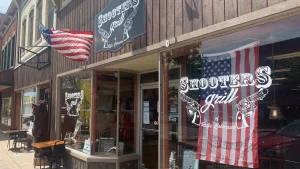
The common denominator was people who had attended the Rifle Rodeo, a privately organized event which rented at the Garfield County fairgrounds indoor arena on the evening of the June 5th , 2017 and consumed food that was provided. The only temporary food vendor reported present at the rodeo was an unlicensed temporary retail food establishment associated with Shooter’s Grill, a retail food establishment located in downtown Rifle, Colorado.

Following Colorado Department of Public Health and Environment (CDPHE) and the Center For Disease Control and Prevention (CDC) guidelines for the investigation of a potential food borne illness outbreak , GCPH began to investigate the claims made by the people who had reported illness, began a dialogue with partners at the CDPHE and Mesa County ·Regional Epidemiology Team (MCRET) for investigation assistance in the matter, and alerted the
public information officer, as well as the public health director of the situation. GCPH began an environmental health investigation. MCRET created a Line List, an epidemiological tool used to collect reported data, and shared between investigation partner agencies using Google Spreadsheets. By about 1600 hours on June 6th, the reported ill had increased to 30 and there were reports of additional symptoms; cramps, bloody st~ol. Average symptom onset was determined to be 6 to 8 hours. Based on reported symptoms, the number of people reporting illness and eating food at the rodeo, and short interval between the rodeo and symptom onset, MCERT suspected that food poisoning as the cause of the outbreak. GCPH also contacted local hospitals, Valley View and Grand River and their Infectious Disease Control and Emergency Departments and alerted them to be aware of the outbreak so that stool samples could be collected from any patient arriving at the hospital presenting the reported symptoms.

On the morning of June 7th, the collaborating investigation partners held a conference call at 1000 hours. The environmental investigation conducted by GCPH on the afternoon of June 6th revealed that the pork served at the rodeo was smoked at Smokehouse 1776, a retail food establishment located in downtown Rifle, Colorado across the street from Shooter’s Grill and owned by the same person as Shooter’s Grill. Also, one of the employees serving food at the temporary event also became symptomatic. GCPH collected food samples from the establishments, but the owner and staff informed GCPH that there was no food product left that had been served at the rodeo on the night of June 5th. An employee stated that the food available for sampling had been prepared at the same time as the food that was served at the rodeo. GCPH collected the food samples made available by the owner and staff and packaged and shipped the samples to the CDPHE laboratory in Denver, Colorado via courier service on the afternoon of June 6th.

GCPH reviewed both implicated retail food establishments, Shooter’s Grill and Smokehouse 1776 (owned by Lauren Boebert), where the suspect food was prepared . Food safety practices at the temporary event (Rifle Rodeo) were discussed with owner and employees. Food safety
concerns and violations were revealed during this discussion and included no cold holding, no hot holding, the facility does not maintain temperature logs so there was no way of showing that food was kept at proper temperatures , bare hand contact with ready to eat foods, no handwashing station, no barrier protection from insects, only one pair of tongs on site, no event coordinator paperwork completed prior to the event occurrence, and no temporary retail food establishment license was applied for or obtained by the persons serving food at the rodeo. GCPH attempted to contact the Rifle Rodeo event coordinator for questioning, with no success. The time of food service at the rodeo was approximately 1700 hours until 2000 hours and occurred within the indoor arena located on the Garfield County Fairgrounds. All partners involved.agreed that a press release was needed to ask attendees of the Rifle Rodeo on June 5th, ill or not, to contact GCPH for interviewing .

Agencies participating in the investigation held another conference call on the morning of June 8th, 2017 at I000 hours. The Garfield County Commun ications Team drafted a press release and it was approved by both partner agencies and county administration for release on June 8th, 2017 at approximately 1530 hours . GCPH
also monitored social media sites such as Facebook, YELP, and Twitter for chatter regarding the outbreak. MCRET and GCPH also drafted a Health Alert Network (HAN) and sent it out to Garfield County health care providers, and to Eagle, Moffat, and Mesa Counties because attendees at the rodeo may have been presenting to health care providers in surrounding counties . As of the time of the conference call, the Rifle Rodeo event coordinator had not returned GCPH calls. Additional calls to GCPH had increased, an additional 38 people reported illness. Call logs of the reported ill now approximately 80 individuals, however GCPH had been able to directl y contact and conduct full interviews for 17 of those reporting. MCRE T conducted analysis on the reported data from the Line List tool. Partner Investigative Agencies scheduled another conference call for the morning of June 9th, 2017.

The conference call was held on the morning of June 9th at approximately l000 hours. The Rifle Rodeo organizer was reported as still unavailable. It has been verified that there was no petting zoo at the rodeo and the fairgrounds uses municipal water. The BBQ sauce was Sweet Baby Ray’s, the bread rolls were Harvest Moon Bread , and the supplier was Shamrock Foods. Additional foods have been elicited by interviewers including baked potato and butter in two forms ; these were not initially reported by the food provider . Billy Harkins, EI S III committed to conduct another onsite full inspection at both facilities the afternoon of June 9th. Lauren Boebert applied for a temporary retail food establishment license on June 8th, 2017, but has not yet been approved as of yet by GCPH pending completion of the Rifle Rodeo Outbreak investigation. GCPH staff also committed to be onsite for the Monday, June 12th Rifle Rodeo to assess the situation and try to establish direct contact with the Rifle Rodeo event coordinator. GCPH staff was able to collect one human sample and it was shipped to CDPHE on June 8th. GCPHE continue to contact local hospitals daily for additional case finding and to communica te updates. Well and additional ill people have contacted GCPH , and have been added to the spreadsheet, some have been interviewed. Interviewers added names in the appropriate columns in the Line
List to communicate with other investigators who has been contacted and by whom. MCRET stated that as of the morning of June 9th, 2017 , preliminary data collected showed the median age was 42.5 years , with an age range of 7-66 years, 25% under the age of 18. Also, I00% of those interviewed with diarrhea ate pork sliders. MCRET created 2 x 2 tables , an epidemiological data analysis tool , for major food items. MCRET created graphs that depicted exposure time to onset (also known as the incubation period). The median incubation period was approximately 8 hours . MCRET shared a PDF with GCPH to aid in discussion with GCPH administration, and sent updates the afternoon of June 9th, and as information changed. Inquiries to GCPH increased since the press release at approximately 1600 hours on June 8th. GCPH continued monitoring Facebook for any information regarding the June 5th Rifle Rodeo.

GCPH continued to take calls about the Rifle Rodeo outbreak, perform call backs, and direct contact interviews through the week of June 12th. Total reported ill was 80 individuals. GCPH was able to contact and directly interview 67 individuals developed and shared a Google-based spreadsheet that GCPH staff modified and completed as they conducted interviews. MCRET used Excel, Epilnfo, and Tableau software to analyze data from 37 persons who attended the rodeo and reported any illness, and 30 persons who attended the event but did not have any symptoms. From preliminary data, a case definition was defined as anyone who ate at the rodeo and experienced, diarrhea and/or abdominal cramping within 27 hours of the meal. The results of those analyses are summarized below.

The menu provided at the event was limited, and included: coleslaw, potato salad, pulled pork sliders, barbecue sauce, and beverages. MCRET utilized two by two (2×2) tables to evaluate the association between each possible risk factor (exposure) and an outcome (ill or well).  36 of 38 who reported eating sliders became ill; all 36 of those ill reported eating sliders, suggesting the sliders as the most likely culprit.

On June 14th, Alicia Cronquist, CDPHE laboratory reported that the two samples of the people that ate and got sick showed positive for Clostridium perfringens. The samples tested positive for the toxin that the germ produces. C, perfringens is a leading cause of foodbome illness. Illness happens when a person swallows large
Garfield County Public Health Department -working to promote health and prevent disease amounts of the bacteria, which then makes a toxin in the intestines that causes abdominal cramps and diarrhea. The illness usually resolves within a about 24 hours. Illness with C.pe,fringens occurs when food is left at an unsafe temperature, bacteria multiply in the food, and the food is consumed. When food is left at unsafe temperatures , the number of bacteria present in the food can double every fifteen minutes.

The positive lab test results led the CDPHE lab to decide to next also test the food samples for C.perfringens. The results for the food samples came back negative for the bacteria toxin. According to Alicia Cronquist, CDPHE, food testing takes time, sometimes longer than planned. Food testing is not l00% sensitive; this means even when a particular food caused an outbreak it does not always test positive; put another way, a negative lab result does not exonerate a particular food item. GCPH collected food samples from the vendor’s brick and mortar location, but it could not be determined if the food items submitted to the lab for testing was the same as that at the Rifle Rodeo and served to the public. After analyzing discussions had with the proprietor and staff, we do not believe that it was the same food that was served at the rodeo.

After the initial calls in to the health department on the morning of June 6th, Billy Harkins, EHS Ill contacted the owner of Shooter’s Grill and Smokehouse 1776, Lauren Boebert. He began gathering information on their operations at the Rifle Rodeo. GCPH learned that Lauren Boebert did not obtain approval or licensing to serve food at the Rodeo. Approval would have required them to obtain a Temporary Retail Food Establishment License. Mr. Harkins visited Shooters Grill, discussed the situation with them, and conducted interviews of the employees and an environmental analysis. Mr. Harkins obtained samples of the food as directed by the CDPHE lab. He obtained the samples in a timely manner, packaged, and gave them to Kangaroo Courier services for transport to the CDPHE lab at approx. 1600 hours on June 6th, 2017. On the afternoon of July 9th, Mr. Harkins conducted full onsite inspections of Shooter’s Grill and of Smokehouse 1776, both licensed Retail Food Establishments where the food provided at the June 5th, 2017 Rifle Rodeo was prepared.

The Investigative Team determined the outbreak to be the result of food poisoning by the bacterium Clostridium perfringens due to consumption of the pork sliders provided to the public by an unlicensed temporary retail food establishment at the Rifle Rodeo on the night of June 5th, 2017. The evidence supports the conclusion that bacterial contamination was due to improper food safety practices of the unlicensed food providers. According to the CDC, Clostridium perfringens (C. perfringens) is one of the most common causes of food poisoning in the United States. The CDC estimates C.perfringens causes nearly I million cases of foodbome illness each year. People with C. perfringens food poisoning develop diarrhea and abdominal cramps within 6 to 24 hours (typically 8 to 12). The illness usually begins suddenly and lasts for less than 24 hours. To prevent illness from C. perfringens, food should be cooked to a safe temperature, and then kept at 140°F (60°C) or warmer, or at 40°F (4.4°C) or cooler. These temperatures prevent the growth of bacteria that might have survived cooking. Meat dishes should be served hot, within 2 hours after cooking. Leftover foods should be refrigerated at 40°F or colder as soon as possible and no more than 2 hours after preparation. It is acceptable to put hot foods directly into the refrigerator. Large pots of food, such as soups, stews, and large cuts of meats, such as roasts, should be divided into small quantities for refrigeration so they will cool quickly enough to prevent bacteria from growing. Leftovers should be reheated to at least 165°F (74°C) before serving.

The 14 in Washington State are considered “primary” infections and the 3 in Arizona State are considered “secondary” cases.

On May 12, 2021, The Washington State Department of Health (DOH) announced a multi-county outbreak of E. coli O157:H7 that began as a Public Health-Seattle & King County investigation involving several children with E. coli. The outbreak is linked to Pure Eire Dairy yogurt also sold as PCC Community Market brand yogurt.

Update 6/23/21: One new case from Arizona has been identified who was infected with the outbreak strain of E. coli O157:H7. This brings the total number of outbreak-associated cases to 17. All three of the Arizona cases are considered secondary infections.

Update 6/17/21: One new child case has been identified who was infected with the outbreak strain of E. coli O157:H7 and was hospitalized for their illness. This brings the total number of outbreak-associated cases to 16.

The two Arizona cases infected by the outbreak strain of E. coli O157 did not consume PCC or Pure Eire brand yogurt.

  • The first Arizona case is considered a secondary infection. This person was infected after having close contact with a Washington state resident who regularly ate Pure Eire yogurt and developed diarrhea (but was not tested) shortly before traveling to Arizona.
  • The newest Arizona case added on 6/17/2021 is also considered a secondary infection.

 Public health message

  • If you have PCC Community Market brand yogurt or Pure Eire yogurt at home, do not eat it and throw it away.
  • E. coli infections can cause serious complications. Symptoms include diarrhea, stomach cramps and blood in the stool.
  • If you notice symptoms, especially bloody diarrhea, contact your health care provider right away.

Case information

DOH is reporting confirmed cases infected with bacteria that have been genetically linked. Local health jurisdictions may report higher numbers for their counties that include cases still under investigation and may provide additional detail on their cases.

Case information will be updated twice a week, as new information is available.

Last updated 6/23/21 at 7:07 p.m.

Summary

Statewide total

Cases

Confirmed cases – updated 6/23/21

17

Hospitalized – updated 6/17/21

10

Developed hemolytic uremic syndrome (HUS)

4

Died

0

Cases by county of residence

County

Cases

Benton

1

Clark

1

King

9

Snohomish

2

Walla Walla

1

Yavapai (AZ) – updated 6/23/21

3

Cases by age

Age range

Cases

0-9 years old – updated 6/17/21

10

10-19 years old – updated 6/23/21

3

20-29 years old

1

30-39 years old

1

40-49 years old

1

50-59 years old

0

60-69 years old

0

70-79 years old

1

80+ years old

0

Public health action

DOH works closely with local health jurisdictions to collect data from interviews of sick individuals to help identify common exposures between, the Washington State Department of Agriculture (WSDA) and other partner agencies on this type of outbreak investigation.

DOH’s role includes:

  • Coordinating with local health and Washington State Public Health Laboratories to identify cases related to the outbreak using genetic testing of the bacteria
  • Collecting data from in-depth interviews conducted by local health jurisdictions with patients about the food they’ve eaten
  • Identifying foods in common between cases and working with partner agencies to trace back foods that may have caused the illness
  • Working with partners to notify food manufacturers and retailers whose products may be linked to the outbreak
  • Supporting partners working to test product samples for presence of bacteria

The investigation process can be long and complex. Only those who are severely ill tend to visit a healthcare provider and get tested, and each step of the process takes time.

Sometimes people don’t get sick until several days after they eat food containing E. colibacteria. It can take a lot of time and effort to test samples from people who are ill, interview them for a detailed history of foods they’ve eaten and look for commonalities between cases.

Linked product information

On May 15, DOH announced a link to PCC Community Market brand yogurt produced by Pure Eire Dairy. Pure Eire Dairy issued a voluntary recall of affected products and PCC removed the products from shelves. Anyone who has PCC Community Market or Pure Eire brand yogurt at home should not eat it and should throw it away.

The investigation is ongoing, and we may identify additional links to products as we continue to gather information from new cases. DOH will provide updates as the investigation progresses.

E. coli: Marler Clark, The Food Safety Law Firm, is the nation’s leading law firm representing victims of E. coli outbreaks and hemolytic uremic syndrome (HUS). The E. coli lawyers of Marler Clark have represented thousands of victims of E. coli and other foodborne illness infections and have recovered over $800 million for clients. Marler Clark is the only law firm in the nation with a practice focused exclusively on foodborne illness litigation. Our E. coli lawyers have litigated E. coli and HUS cases stemming from outbreaks traced to ground beef, raw milk, lettuce, spinach, sprouts, and other food products.  The law firm has brought E. coli lawsuits against such companies as Jack in the Box, Dole, ConAgra, Cargill, and Jimmy John’s.  We have proudly represented such victims as Brianne Kiner, Stephanie Smith and Linda Rivera.

If you or a family member became ill with an E. coli infection or HUS after consuming food and you’re interested in pursuing a legal claim, contact the Marler Clark E. coli attorneys for a free case evaluation.

I have been and am so proud of the work that Dan, Coral, Joe, Jonan and Cookson do to make this online paper devoted to all things food safety.  It shows in the nearly 50,000 subscribers and now shows in the increasing page views from 2009 (the beginning) to the present.

Thanks so much to the team.  Your tireless work makes things better.

Please take the time to subscribe by going to https://www.foodsafetynews.com.  Also, consider doing an Op-ed on a topic of interest to you.  See the list of past contributors here https://www.foodsafetynews.com/fsn-writers-contributors/

Hepatitis A viruses, illustration. Hepatitis A is transmitted through infected food or drink. Symptoms include influenza-like symptoms of fever and sickness, along with jaundice.

Canadian health authorities report that the strawberries were imported, but no additional details.  The FDA says the strawberries were branded FreshKampo and HEB, but again give no indication where the strawberries were grown.

Total United States Illnesses: 17 – Canada 10

United States Hospitalizations: 12 – Canada 4

Illness onset dates range from March 28 – April 30, 2022

States with Cases: California (15), Minnesota (1), North Dakota (1)

Provinces with Cases: Alberta (4) and Saskatchewan (6)

Product Distribution: United State and Canada

The FDA, along with CDC, the Public Health Agency of Canada and the Canadian Food Inspection Agency, state, and local partners are investigating a multistate outbreak of hepatitis A infections in the United States and Canada potentially linked to fresh organic strawberries branded as FreshKampo and HEB, purchased between March 5, 2022, and April 25, 2022.

Currently, the potentially affected FreshKampo and HEB products are past shelf life. People who purchased FreshKampo and HEB fresh organic strawberries between March 5, 2022, and April 25, 2022, and then froze those strawberries for later consumption should not eat them. These products were sold at the following retailers, including, but not limited to:

  • Aldi
  • HEB
  • Kroger
  • Safeway
  • Sprouts Farmers Market
  • Trader Joe’s
  • Walmart
  • Weis Markets
  • WinCo Foods
  • Canadian Co-op

If you are unsure of what brand you purchased, when you purchased your strawberries, or where you purchased them from prior to freezing them, the strawberries should be thrown away.

Epidemiologic and traceback data show that fresh organic strawberries  sold as FreshKampo and HEB brands that were purchased between March 5, 2022, and April 25, 2022, are a likely cause of illness in this outbreak. The traceback investigations show that cases in California, Minnesota, and Canada report having purchased fresh organic strawberries branded as FreshKampo or HEB prior to becoming ill. Illness onset dates range from March 28 – April 30, 2022.

Mexico-based FreshKampo, which grew the strawberries, said in a statement Sunday that it is working with regulators to determine how the problem occurred. FreshKampo said the label on the containers of potentially affected strawberries would have said “Product of Mexico” or “Distributed by Meridien Foods.”

According to the FDA and CDC, Whole Genome Sequencing (WGS) analysis shows that samples from sick people in this investigation are closely related genetically to a sample collected in 2010 from the environment at J.M. Smucker Company’s facility in Lexington, Kentucky, where Jif brand peanut butter is produced.  However, NCBI data seems to indicate that this problem has been long ongoing.  What happened in 2014?

Since the last update on May 21, 2022, two more illnesses have been reported. As of May 25, 2022, a total of 16 people infected with the outbreak strain of Salmonella Senftenberg have been reported from 12 states:  Arkansas (1), Georgia (2), Illinois (1), Massachusetts (1), Missouri (2), Ohio (1), North Carolina (2), New York (1), South Carolina (1), Texas (2), Virginia (1), and Washington (1).

According to the CDC, for every one person who is a stool-culture confirmed positive victim of Salmonella in the United States, there is a multiple of 38.5 who are also sick but remain uncounted. (See, AC Voetsch, “FoodNet estimate of the burden of illness caused by nontyphoidal Salmonella infections in the United States,” Clinical Infectious Diseases 2004; 38 (Suppl 3): S127-34).

Illnesses started on dates ranging from February 19, 2022, through May 2, 2022. Sick people range in age from less than one to 85 years, with a median age of 51, and 73% are female. Of nine people with information available, two have been hospitalized. No deaths have been reported.

The true number of sick people in an outbreak is likely much higher than the number reported, and the outbreak may not be limited to the states with known illnesses. This is because many people recover without medical care and are not tested for Salmonella. In addition, recent illnesses may not yet be reported as it usually takes 2 to 4 weeks to determine if a sick person is part of an outbreak.

State and local public health officials are interviewing people about the foods they ate in the week before they got sick. Of the 10 people interviewed, 10 (100%) reported eating peanut butter. Of the nine sick people with brand information, all nine (100%) reported eating Jif brand peanut butter.

On May 20, 2022, J.M. Smucker Company recalled multiple Jif brand peanut butter types. Additional companies have recalled food items made with Jif brand peanut butter. Do not eat, sell, or serve recalled foods.

Here is the most current recall list thanks to eFoodAlert:

Canadian health authorities report that the strawberries were imported, but no additional details.  The FDA says the strawberries were branded FreshKampo and HEB, but again give no indication were the strawberries were grown.

Total United States Illnesses: 17 – Canada 10

United States Hospitalizations: 12 – Canada 4

Illness onset dates range from March 28 – April 30, 2022.

States with Cases: California (15), Minnesota (1), North Dakota (1)

Provinces with Cases: Alberta (4) and Saskatchewan (6)

Product Distribution: United State and Canada

The FDA, along with CDC, the Public Health Agency of Canada and the Canadian Food Inspection Agency, state, and local partners are investigating a multistate outbreak of hepatitis A infections in the United States and Canada potentially linked to fresh organic strawberries branded as FreshKampo and HEB, purchased between March 5, 2022, and April 25, 2022.

Currently, the potentially affected FreshKampo and HEB products are past shelf life. People who purchased FreshKampo and HEB fresh organic strawberries between March 5, 2022, and April 25, 2022, and then froze those strawberries for later consumption should not eat them. These products were sold at the following retailers, including, but not limited to:

  • Aldi
  • HEB
  • Kroger
  • Safeway
  • Sprouts Farmers Market
  • Trader Joe’s
  • Walmart
  • Weis Markets
  • WinCo Foods
  • Canadian Co-op

If you are unsure of what brand you purchased, when you purchased your strawberries, or where you purchased them from prior to freezing them, the strawberries should be thrown away.

Epidemiologic and traceback data show that fresh organic strawberries  sold as FreshKampo and HEB brands that were purchased between March 5, 2022, and April 25, 2022, are a likely cause of illness in this outbreak. The traceback investigations show that cases in California, Minnesota, and Canada report having purchased fresh organic strawberries branded as FreshKampo or HEB prior to becoming ill. Illness onset dates range from March 28 – April 30, 2022.

What is Hepatitis A? Hepatitis A is the only common vaccine-preventable foodborne disease in the United States. It is one of five human hepatitis viruses that primarily infect the human liver and cause human illness. Unlike hepatitis B and C, hepatitis A doesn’t develop into chronic hepatitis or cirrhosis, but in rare cases infection with hepatitis A virus can lead to a more rapid onset of liver failure and death.

How do you contract Hepatitis A? Hepatitis A is a contagious disease that is transmitted by the “fecal – oral route,” either through person-to-person contact or contaminated food or water. Food-related outbreaks are usually traced to food that has been contaminated by an infected food handler. Fresh produce contaminated during cultivation, harvesting, processing, and distribution has also been a source of hepatitis A.

What are the signs and symptoms of Hepatitis A? Symptoms typically begin about 28 days after infection but can begin as early as 15 days or as late as 50 days after exposure. Symptoms may include headache, loss of appetite, nausea, vomiting, abdominal discomfort, fatigue, joint pain, dark urine, clay colored bowel movements, and fever. Jaundice, a yellowish discoloration of the skin and whites of the eyes, occurs in most cases. Hepatitis A may cause no symptoms at all when it is contracted, especially in children. Those infected usually recover fully within 2 to 6 months.

Hepatitis A:  Marler Clark, The Food Safety Law Firm, is the nation’s leading law firm representing victims of Hepatitis A outbreaks. The Hepatitis A lawyers of Marler Clark have represented thousands of victims of Hepatitis A and other foodborne illness outbreaks and have recovered over $800 million for clients.  Marler Clark is the only law firm in the nation with a practice focused exclusively on foodborne illness litigation.  Our Hepatitis A lawyers have litigated Hepatitis A cases stemming from outbreaks traced to a variety of sources, such as green onions, lettuce and restaurant food.  The law firm has brought Hepatitis A lawsuits against such companies as Costco, Subway, McDonald’s, Red Robin, Chipotle, Quiznos and Carl’s Jr.  We proudly represented the family of Donald Rockwell, who died after consuming Hepatitis A tainted food and Richard Miller, who required a liver transplant after eating food at a Chi-Chi’s restaurant.

If you or a family member became ill with a Hepatitis A infection after consuming food and you’re interested in pursuing a legal claim, contact the Marler Clark Hepatitis A attorneys for a free case evaluation.

Additional Resources:

Total United States Illnesses: 17 – Canada 10
United States Hospitalizations: 12 – Canada 4
Illness onset dates range from March 28 – April 30, 2022.
States with Cases: California (15), Minnesota (1), North Dakota (1) – Provinces with Cases: Alberta (4) and Saskatchewan (6)
Product Distribution: United State and Canada

The FDA, along with CDC, the Public Health Agency of Canada and the Canadian Food Inspection Agency, state, and local partners are investigating a multistate outbreak of hepatitis A infections in the United States and Canada potentially linked to fresh organic strawberries branded as FreshKampo and HEB, purchased between March 5, 2022, and April 25, 2022.

Currently, the potentially affected FreshKampo and HEB products are past shelf life. People who purchased FreshKampo and HEB fresh organic strawberries between March 5, 2022, and April 25, 2022, and then froze those strawberries for later consumption should not eat them. These products were sold at the following retailers, including, but not limited to:

Aldi

HEB

Kroger

Safeway

Sprouts Farmers Market

Trader Joe’s

Walmart

Weis Markets

WinCo Foods

Canadian Co-op stores

What is Hepatitis A?

Hepatitis A is the only common vaccine-preventable foodborne disease in the United States. It is one of five human hepatitis viruses that primarily infect the human liver and cause human illness. Unlike hepatitis B and C, hepatitis A doesn’t develop into chronic hepatitis or cirrhosis, but in rare cases infection with hepatitis A virus can lead to a more rapid onset of liver failure and death.

How do you contract Hepatitis A?

Hepatitis A is a contagious disease that is transmitted by the “fecal – oral route,” either through person-to-person contact or contaminated food or water. Food-related outbreaks are usually traced to food that has been contaminated by an infected food handler. Fresh produce contaminated during cultivation, harvesting, processing, and distribution has also been a source of hepatitis A.

What are the signs and symptoms of Hepatitis A?

Symptoms typically begin about 28 days after infection but can begin as early as 15 days or as late as 50 days after exposure. Symptoms may include headache, loss of appetite, nausea, vomiting, abdominal discomfort, fatigue, joint pain, dark urine, clay colored bowel movements, and fever. Jaundice, a yellowish discoloration of the skin and whites of the eyes, occurs in most cases. Hepatitis A may cause no symptoms at all when it is contracted, especially in children. Those infected usually recover fully within 2 to 6 months.

What to do if you become infected with Hepatitis A:

Infection is determined by a blood test. If you know you have been exposed to hepatitis A, immune globulin shots or a hepatitis A vaccine can reduce your chance of infection by up to 90%.

How to Prevent a Hepatitis A Infection:

Ask your health care provider about vaccination – there are many reasons to seriously consider it, including working with food or ill persons, travel, or an impaired immune system. Children who contract hepatitis A but have no symptoms can also pass the virus through ordinary play to their parents. Make sure your childcare providers are vaccinated and be aware of friends and relatives who may have traveled to countries with high rates of infection. Stay alert to notices of outbreaks to determine if your family has been exposed.

The Food Safety Law Firm:

Marler Clark, The Food Safety Law Firm, is the nation’s leading law firm representing victims of Hepatitis A outbreaks. The Hepatitis A lawyers of Marler Clark have represented thousands of victims of Hepatitis A and other foodborne illness outbreaks and have recovered over $800 million for clients. Marler Clark is the only law firm in the nation with a practice focused exclusively on foodborne illness litigation.

Additional Resources: