

- CDC, public health and regulatory officials in several states, and the U.S. Food and Drug Administration (FDA), are collecting different types of data to investigate a multistate outbreak of E. coli O157:H7 infections. Epidemiologic data show that Raw Farm brand raw
Here we go again, Raw Farms linked to another Raw Milk Cheese E. coli Outbreak
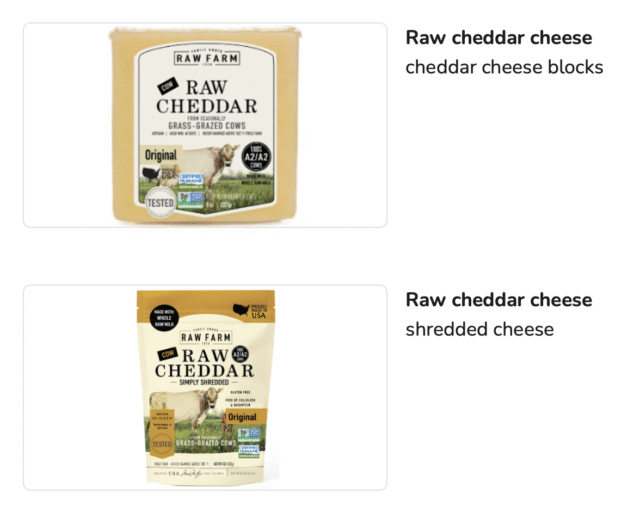
Raw Farm refuses to recall E. coli – tainted Cheese.
As of March 13, 2026, 7 people infected with the outbreak strain of E. coli have been reported from 7 states – California, Texas and Florida. Illnesses started on dates ranging from September 1, 2025 to February 13, 2026. Of 7 people with information available
E. coli a Risk in California’s Central Coast Agricultural Region
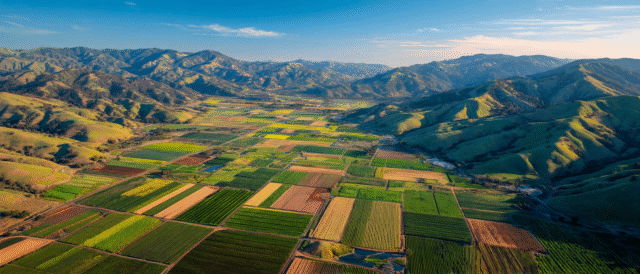
Today, the U.S. Food and Drug Administration is sharing initial findings from a multi-year environmental study conducted in California’s Central Coast agricultural region that will inform efforts to further improve the safety of produce — an essential component of a healthy diet. The California Longitudinal Study was conducted in partnership with the Western Center for
Raw Milk sickening people with E. coli – Again!
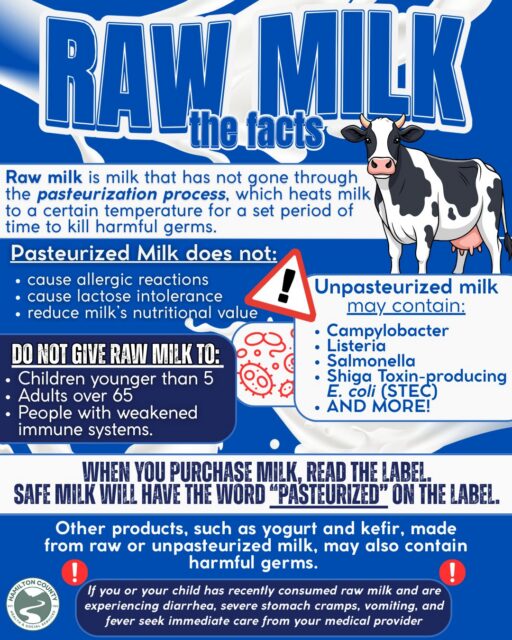
The Hamilton County Health Department has identified an unexpected increase in Shiga toxin-producing E. coli (STEC) cases in 2026 associated with the consumption of raw (unpasteurized) milk. Raw milk can carry harmful bacteria that may cause severe or life-threatening illness, particularly in young children, older adults, pregnant individuals, and individuals with weakened immune systems. If
Marler Clark hired in Seattle E. coli Outbreak
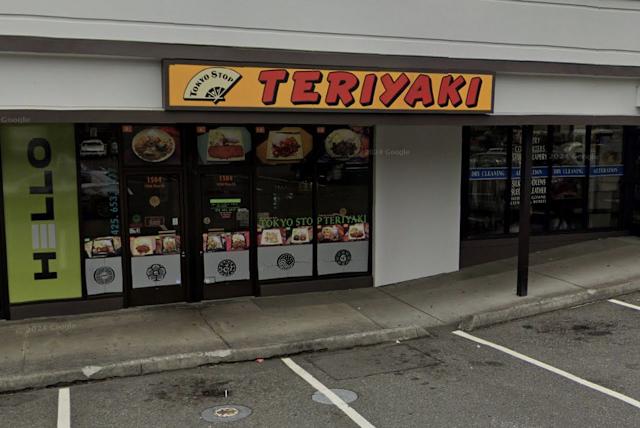
Public Health is investigating an outbreak of Shiga toxin-producing E. coli O157 (called STEC) associated with food from Tokyo Stop Teriyaki. We are aware of five King County residents who have gotten sick with the same type of STEC using DNA fingerprinting (whole genome sequencing or WGS) after eating food from Tokyo Stop Teriyaki in
Seattle area Tokyo Stop Teriyaki is link in E. coli O157 Outbreak – 6 ill – 4 hospitalized
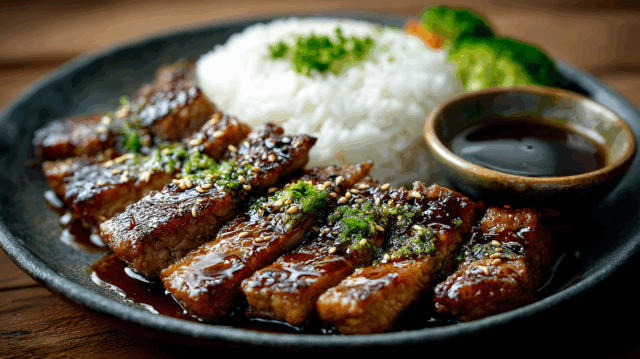
Public Health is investigating an outbreak of Shiga toxin-producing E. coli O157 (called STEC) associated with food from Tokyo Stop Teriyaki. We are aware of five King County residents who have gotten sick with the same type of STEC using DNA fingerprinting (whole genome sequencing or WGS) after eating food from Tokyo Stop Teriyaki in
Lack of adequate handwashing possible link in Arizona Petting Zoo E. coli Outbreak

Will Humble, Executive Director, AZ Public Health Association, joined “Arizona Horizon” to share how changes in the State Health Department have led to health concerns, and how illnesses are seemingly tame for this time of year.
The series of E. coli cases that occurred (possibly linked to State Fair petting zoo), because of the state
Marler Clark retained to investigate E. coli Outbreak linked to Arizona State Fair petting zoo
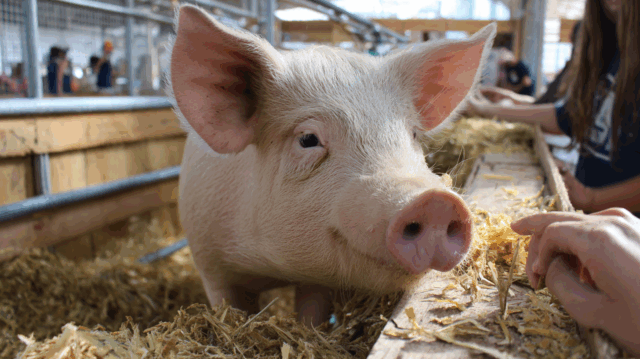
Parents in Arizona are reporting that their children became infected with E. coli after interaction with animals at the Arizona State Fair petting zoo.
A non-profit group that works with parents of children infected with the bacteria says at least four children have been hospitalized. All four families told the group — Parker’s Promise —
All Twin Sister’s Cheese recalled due to E. coli Outbreak – Marler Clark retained
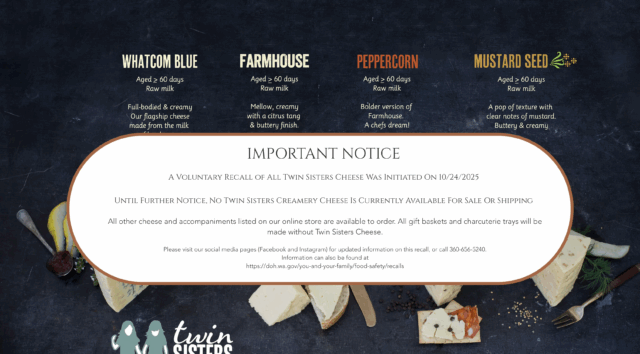
November 13, 2025
One additional Washington resident has been added to this outbreak, bringing the total to 10 cases – 9 Washington residents and 1 Oregon resident. All cases report illness onsets before the cheese was recalled on October 24, 2025.
November 6, 2025
Samples of Twin Sisters Creamery cheese have tested positive for two
A Primer on E. coli O157:H7 and HUS during a possible Arizona Petting Zoo Outbreak
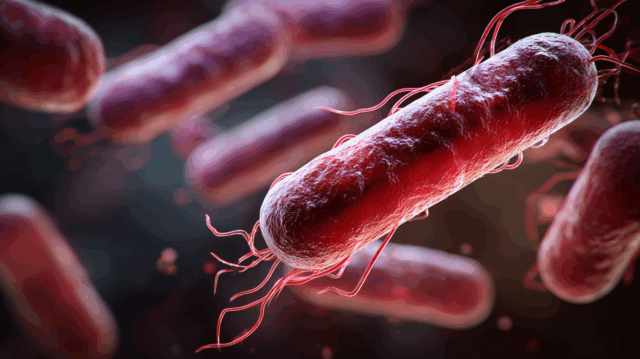
THE E. COLI O157:H7 BACTERIA
A. Sources, Characteristics, and Identification
E. coli is an archetypal commensal bacterial species that lives in mammalian intestines. E. coli O157:H7 is one of thousands of serotypes Escherichia coli.[1] The combination of letters and numbers in the name of the E. coli O157:H7 refers to the specific antigens