Fast Facts
• Illnesses: 210
• Hospitalizations: 30
• Deaths: 0
• States reporting cases: 22
• Investigation status: Active (first posted on May 25, 2023)

Since this outbreak was announced, we have been investigating Cyclospora illnesses in Georgia, Alabama, Wyoming, and Colorado. We have been retained by a dozen sickened individuals. We have filed two lawsuits in Colorado that are linked to about 50 others who consumed food at Tacos del GNAR. We are trying to determine the common product or products between the various outbreaks.

This is an update on the number of cyclosporiasis illnesses acquired in the United States with onset on or after April 1, 2023. Cases continue to be reported.

No specific food items have been identified as the source of most of these illnesses. State and local public health officials are interviewing people with cyclosporiasis to find out what foods they ate before getting sick.

As of June 20, 2023, a total of 210 laboratory-confirmed cases of cyclosporiasis in people who had not traveled outside the United States during the 14 days before they got sick have been reported from 23 jurisdictions, including 22 states and New York City.

Sick people range in age from 3 to 95 years, with a median age of 49, and 64% are female. The median illness onset date is May 5, 2023 (range: April 1 to June 9).  Of 207 people with information available, 30 have been hospitalized. Zero deaths have been reported.

The total number of laboratory-confirmed cases reported since April 1, 2023, includes 20 cases in Georgia and Alabama linked to an outbreak associated with raw imported broccoli.  Although FDA and state and local partners conducted traceback investigations, there was not enough information to identify a specific type or producer of the broccoli.

As of June 20, 2023, a total of 20 people with laboratory confirmed cyclosporiasis were reported from 2 states (Georgia and Alabama). The true number of sick people in this outbreak is likely higher than the number reported, and the outbreak may not be limited to the states with known illnesses. This is because some people recover without medical care and are not tested for cyclosporiasis.

State and local health officials collected as much information as they could by asking people or their caregivers about foods they ate before getting sick. Epidemiologic data showed that raw broccoli was a likely source for this cluster of cases in Georgia and Alabama.

Genotyping showed that Cyclospora from sick people’s samples were likely closely related genetically, suggesting that people in this cluster got sick from the same food.

This outbreak appears to be over. There is no indication at this time that broccoli continues to be a source of illness for other cyclosporiasis cases being reported in the United States.

What is Cyclospora?

Cyclospora is a parasite composed of one cell, too small to be seen without a microscope. The organism was previously thought to be a blue-green alga or a large form of CryptosporidiumCyclospora cayetanensis is the only species of this organism found in humans.

Cyclosporiasis is an intestinal illness caused by the parasite Cyclospora cayetanensis, which is transmissible by ingestion of fecally contaminated food or water.[1]Cyclosporiasis is most common in tropical and subtropical regions of the world. In the United States, foodborne outbreaks of cyclosporiasis have been linked to various types of imported fresh produce (e.g., basil, raspberries, and snow peas). Validated molecular typing tools, which could facilitate detection and investigation of outbreaks, are not yet available for C. cayetanensis.

Outbreaks of cyclosporiasis in humans have been reported mostly from North America, from the infection sources of contaminated fresh food products, such as soft fruits (raspberries), leafy vegetables (coriander, basil, and mixed salad), and herbs. Soil is another possible infection source, particularly in areas with poor environmental sanitation.[2]

The Centers for Disease Control and Prevention (CDC) has been conducting national surveillance for cyclosporiasis since it became a nationally notifiable disease in January 1999. As of 2015, cyclosporiasis was a reportable condition in 42 states, the District of Columbia, and New York City (NYC). Health departments voluntarily notify CDC of cases of cyclosporiasis through the National Notifiable Diseases Surveillance System and submit additional case information using the CDC cyclosporiasis case report form or the Cyclosporiasis National Hypothesis Generating Questionnaire (CNHGQ).[3]

While cyclosporiasis cases are reported year-round in the United States, cyclosporiasis acquired in the United States (i.e., “domestically acquired,” or cases of cyclosporiasis that are not associated with travel to a country that is considered endemic for Cyclospora) is most common during the spring and summer months. The exact timing and duration of U.S. cyclosporiasis seasons can vary, but reports tend to increase starting in May. In 2020, multiple outbreaks of cyclosporiasis were identified and found to be linked to different produce items. As of September 23, 2020, the CDC documented 1,241 laboratory-confirmed cases of cyclosporiasis in people who had no history of international travel during the 14-day period before illness onset.[4]

What are the typical symptoms of Cyclospora infection?

Cyclospora infects the small intestine (bowel) and usually causes watery diarrhea, bloating, increased gas, stomach cramps, and loss of appetite, nausea, low-grade fever, and fatigue. In some cases, vomiting, explosive diarrhea, muscle aches, and substantial weight loss can occur. Some people who are infected with Cyclospora do not have any symptoms. The time between becoming infected and becoming ill is usually about one week. If not treated, the illness may last from a few days up to six weeks. Symptoms also may recur one or more times (relapse). In addition, people who have previously been infected with Cyclospora can become infected again.[5]

Where does Cyclospora come from?

The modes of transmission of C. cayetanensis are still not completely documented, although fecal–oral transmission is the major route. Direct person-to-person transmission is unlikely. Indirect transmission can occur if an infected person contaminates the environment, the oocysts sporulate under the right conditions, and then contaminated food and water are ingested. The role of soil in transmission has also been proposed. The relative importance of these various modes of transmission and sources of infection is not known.[6]

The dissemination of infective Cyclospora oocysts via water, soil, and unprocessed foods (e.g., fruits and vegetables, including ready-to-eat salads) is enabled by their small size (8–10 μm), low specific gravity, and high infectivity. Such oocysts can survive for weeks to months in water and food, depending on the environmental temperature, and are resistant to the routine sanitization or chemical disinfection procedures used in irrigation systems, recreational waters, or drinking water treatment plants.[7]

How is Cyclospora diagnosed?

Cyclosporiasis is usually diagnosed symptomatically in clinical settings, including the presence of watery diarrhea, abdominal cramping, and bloating. In untreated, immunocompetent people, the diarrhea can last from days to weeks to a month or more, and can wax and wane, with variable oocyst shedding. Oocysts can continue to be shed (intermittently or continuously) by non-symptomatic people, and symptoms can also persist in the absence of oocysts in feces. In a clinical context, conventional diagnosis usually involves microscopic examination of intestinal tissue biopsy sections, stool samples for the presence of developmental stages of Cyclospora, or advanced molecular testing for DNA. Improved specificity and sensitivity have been possible largely through the use of PCR, which enables the specific amplification of genetic loci from tiny amounts of genomic DNA of Cyclospora. Because of the intermittent nature of oocyst shedding and the low numbers of this stage in feces, it is recommended that multiple stool samples be collected at 2–3 day intervals over a period of more than a week, to increase the likelihood of identifying the disease microscopically.[8]

What are the serious and long-term risks of Cyclospora infection?

Cyclospora has been associated with a variety of chronic complications such as malabsorption, reactive arthritis, and cholecystitis (inflammation of the gallbladder). Since Cyclospora infections tend to respond to the appropriate treatment, complications are more likely to occur in individuals who are not treated or not treated promptly. Extraintestinal infection also appears to occur more commonly in individuals with a compromised immune system.[9]

Although human cyclosporiasis is usually not fatal in developed countries such as the United States, protracted diarrhea often leads to dehydration, particularly in infants who are at greatest risk of severe dehydration and death, especially if cyclosporiasis is complicated by infections with other pathogens (viral, bacterial, or parasitic—e.g., Cryptosporidium and Giardia), malnutrition, or malabsorption, particularly in underprivileged communities.[10]

According to the CDC[11], the recommended treatment is a combination of two antibiotics, trimethoprim-sulfamethoxazole, also known as Bactrim, Septra, or Cotrim. It is advisable for people who have diarrhea to also rest and drink plenty of fluids.

[1]           Casillas, S. M., Hall, R. L., & Herwaldt, B. L. (2019). Cyclosporiasis Surveillance – United States, 2011-2015. Morbidity and mortality weekly report. Surveillance summaries (Washington, D.C. : 2002)68(3), 1–16. https://doi.org/10.15585/mmwr.ss6803a1

[2]           Giangaspero, A., & Gasser, R. B. (2019). Human cyclosporiasis. The Lancet Infectious Diseases, 19(7), e226–e236. https://doi.org/10.1016/S1473-3099(18)30789-8

[3]           Casillas, Ibid, Note 1 at Page 1.

[4]           CDC. (2020, September 24). Cyclosporiasis Outbreak Investigations – United States, 2020. Centers for Disease Control and Prevention. https://www.cdc.gov/parasites/cyclosporiasis/outbreaks/2020/seasonal/index.html

[5]           Cyclosporiasis – Disease. (2018, May 11). https://www.cdc.gov/parasites/cyclosporiasis/disease.html

[6]           Almeria S, Cinar HN, Dubey JP. Cyclospora cayetanensis and Cyclosporiasis: An Update. Microorganisms. 2019; 7(9):317.

[7]           Giangaspero, Ibid, Note 2 at Page 1.

[8]           Giangaspero, Ibid, Note 2 at Page 3-4.

[9]           CDC. (2020, October 21). CDC – Cyclosporiasis – Resources for Health Professionals. Centers for Disease Control and Prevention. https://www.cdc.gov/parasites/cyclosporiasis/health_professionals/index.html

[10]         Giangaspero, Ibid, Note 2 at Page 2.

[11]         CDC. (2020, September 17). CDC – Cyclosporiasis – General Information – Cyclosporiasis FAQshttps://www.cdc.gov/parasites/cyclosporiasis/gen_info/faqs.html

The FDA just dropped a press release: “FDA Provides Update on Proposal for Unified Human Foods Program, including New Model for the Office of Regulatory Affairs.”  See full release below.

Well, it seems like Commissioner Califf has taken at least one of the recommendations of the Reagan-Udal Foundationand the House Appropriations Committee direction on the restructuring of the FDA.

Here is the directive from the Appropriations Committee:

Human Foods Program Restructuring.—The Committee directs FDA to unify the foods program under an expert, empowered Deputy Commissioner for Foods with full line authority over CFSAN, the food and feed-related activities of the Center for Veterinary Medicine (CVM), and all the food-related components of the Office of Regulatory Affairs, including inspection and compliance, food-related laboratories, import oversight, State partnerships, training, and information technology.

Here is the recommendation of the Foundation:

Option B: Separate Medical Products and Foods within FDA Key Changes from Current Structure: 

  • Creates both a Deputy Commissioner of Foods and a Deputy Commissioner for Medical Products and Tobacco, each with line authority over respective Centers 
  • Establishes a Chief Foods Officer within the Office of the Commissioner 

Considerations: This structure elevates the visibility of the FDA Human Foods Program within FDA and re-establishes the Deputy Commissioner structure within FDA. It reduces the direct reports to the FDA Commissioner, and includes a designated leader for Foods (and, separately, Medical Products and Tobacco) efforts. (Notably, this structure deviates from the prior Deputy Commissioner structure by including relevant food portions of ORA within the line authority of the position.) The parallel Deputy Commissioner structure is intended to indicate the equal importance of the foods and medical products mandates within FDA, although it addresses components of the Agency outside of the Panel’s charge and the Panel did not evaluate the need for a second Deputy Commissioner. The proposed Chief Foods Officer would serve, similar to the Chief Medical Officer and Chief Scientist, as an agency-wide advocate and spokesperson for the Human Foods Program, but without an operational role. 

This approach would take time to implement but may not require explicit Congressional approval; it will likely require Congressional notification. To the extent that long-term leadership can provide program stability, the structure may be limited by the relatively short tenures of Commissioners and Deputy Commissioners, when compared with the typically-longer tenure of Center Directors. Adding a Deputy Commissioner between the Commissioner and Center Directors may create challenges in retaining (and recruiting) Center Directors across the Agency due to a perceived lower stature. 

Or, perhaps I do not understand FDA speak and the changes are not a transformative as I think?

Here is the full FDA press release:

Today, the U.S. Food and Drug Administration is providing an update on its proposal to create a unified Human Foods Program (HFP), which includes a new model for the Office of Regulatory Affairs (ORA). These additions to the FDA Commissioner’s proposal announced earlier this year will further enhance coordination, prevention and response activities across the FDA, enabling the agency to better support its public health mission. 

A cross-cutting working group of agency officials with expertise in different functional and operational areas has been working over the past several months to identify additional opportunities to bolster operations within the new HFP and ORA. 

“With a human food landscape that is rapidly evolving as consumer preferences, products, and manufacturing processes grow increasingly complex and public health needs increase, the FDA must build a stronger Human Foods Program and Office of Regulatory Affairs. Earlier this year the FDA announced steps to modernize and streamline our food program, including field operations, to address these mounting challenges,” said FDA Commissioner Robert M. Califf, M.D. “Listening closely to feedback provided by employees and stakeholders, our thinking has significantly broadened. We know that in front of us is a once-in-a-generation opportunity to unify our field work with the priorities of program offices and Centers. This is why I’m proposing a number of additional changes to ORA, including moving several of the office’s laboratories and merging its current compliance functions into those of the new HFP and other agency product Centers. These proposed changes are designed to help ensure the most strategic use of resources to meet the demands of our increasingly complex public health mission.” 

Based on recommendations from the working group and from an external evaluation conducted by an expert panel of the Reagan-Udall Foundation, the FDA is proposing the following additional changes:

  • Establishing ORA’s core mission as conducting investigations, inspections and imports for all FDA-regulated products, with assignments planned in partnership with the HFP and other product programs or Centers. The new Deputy Commissioner for Human Foods will have oversight of all budget and resource allocations for the entire HFP, including ORA resources. 
  • Merging compliance functions currently managed within ORA into the HFP and the product Centers’ existing compliance functions to streamline operations and expedite decision-making.
  • Realigning the eight Human and Animal Food laboratories that are currently managed by ORA into the HFP. These eight labs will team up with the four labs in the FDA’s current Center for Food Safety and Applied Nutrition (CFSAN) to form a unified food laboratory enterprise under the HFP. The labs will report to a member of the executive leadership team under the Deputy Commissioner for Human Foods, who will work closely with the Chief Scientist and the Center for Veterinary Medicine (CVM) director to coordinate on research priorities. These labs will remain open and in the same geographic location under the proposal. 
  • Transitioning certain functions under the Office of Security and Emergency Management, currently in the Office of Operations, to ORA. This includes the Office of Emergency Management, which activates Incident Management Groups with augmented staffing from relevant Centers and Offices to monitor and manage coordinated responses to emergency situations, such as emergencies involving regulated products like recalls, hurricanes, fires, floods, etc. 
  • As previously shared, unifying state and local food safety partnership functions and certain aspects of international food safety partnerships into an Office of Integrated Food Safety System Partnerships in the HFP. This office will report to a member of the executive leadership team under the Deputy Commissioner for Human Foods who will closely collaborate with the CVM director to advance a truly integrated food safety system. 
  • Reviewing support functions across ORA and proposing realignment of certain resources and personnel to support these changes. This includes staff and resources in ORA’s Office of Regulatory Management Operations, Office of Information Systems Management, Office of Training, and Office of Communications and Project Management. 
  • Prioritizing recruitment, retention and training opportunities for field-based employees with the availability of Title 21 hiring authority to support the agency’s ongoing efforts to increase its inspectional activities domestically and internationally. 

These proposed changes align with many of the recommendations from the Reagan-Udall Foundation evaluation as well as a separate internal review of the agency’s infant formula response completed last year. They also empower the Deputy Commissioner for Human Foods to have full authority over, and set the strategic direction of, all foods-related resources. 

The agency is also today providing high-level organization charts to reflect the changes that are being proposed as part of the unified HFP and new ORA model. To enhance clarity around the proposed core mission of ORA, the FDA is now considering a renaming effort for this office to more appropriately align its title to the structure and functional duties of the agency’s field operations. 

“I am deeply grateful to our employees from across the agency who provided candid feedback on our proposal to date through submitted comments and more than 40 internal listening sessions. The changes proposed for Office of Regulatory Affairs today have taken this feedback into careful consideration alongside the recommendations provided through the Regan-Udall Foundation report,” said FDA Commissioner Califf. “I believe these proposed changes will result in a new structure that is more nimble, better equipped to prevent and respond to emergencies, like recalls, and enhance the agency’s ability to align inspection resources with our Center and program priorities while also supporting our employees and the public we serve. We will continue to evaluate and make adjustments as we work closely with experts throughout the agency to revamp and enhance our field operations.” 

The FDA recently began a recruitment effort to fill the position of Associate Commissioner for Regulatory Affairs who will lead ORA through the proposed changes and assist the organizational evolution as envisioned in this proposal if approved. The FDA is in the final stages of the recruitment process for the Deputy Commissioner for Human Foods and will be providing an update in the near future. The FDA remains on target to finalize its reorganization proposal, for both ORA and the unified HFP, this fall. 

Well, I suppose time will tell if I am being overly optimistic.

The good folks at Netflix have been kind enough to allow us to do another “red carpet premiere” at the historic Lynwood Theater on Bainbridge Island on July 2 at 5:30 PM after the documentary’s successful premiere at Tribeca

The tickets are free and can be “purchased” at this Eventbright Link – or can be reserved by emailing jdueck@marlerclark.com. There is seating for only 200.

Please join us for the premiere of the new movie Poisoned, based on the book by Jeff Benedict, which chronicles the events surrounding the worst food-poisoning epidemic in US history: the deadly Jack in the Box E. coli infections in 1993. Tickets are complimentary but we are collecting donations for Helpline House, please donate here 

There will be books available to be purchased and signed courtesy of Eagle Harbor Books. There really will be a red carpet and photos available by Hallie Kathryn along with free Poisoned t-shirts.

The showing will be from 5:30 – 6:45 followed by Q+ A moderated by Herb Weisbaum with Bill and Jeff from 6:45-to 7:15. A community gathering and celebration at Treehouse will follow. 

On December 24, 1992, six-year-old Lauren Rudolph was hospitalized with excruciating stomach pain. Less than a week later she was dead. Doctors were baffled: How could a healthy child become so sick so quickly? After a frenzied investigation, public-health officials announced that the cause was E. coli O157:H7, and the source was hamburger meat served at a Jack in the Box restaurant. During this unprecedented crisis, four children died and over seven hundred others became gravely ill. Poisoned delivers a jarringly candid narrative of the fast-moving disaster, drawing on access to confidential documents and exclusive interviews with the real-life characters at the center of the drama—the families whose children were infected, the Jack in the Box executives forced to answer for the tragedy, the physicians and scientists who identified E. coli as the culprit, and the legal teams on both sides of the historic lawsuits that ensued. Poisoned reveals the evolution and history of America’s food supply system, as well as the untold stories of the victims of notorious outbreaks, and spotlights high-profile criminal prosecutions for those responsible. Poisoned will go directly to the source, following the distribution trail from start to finish, examining where the process breaks down, as well as the bureaucratic red tape and collusion among lobbyists and lawmakers that work against addressing this life-or-death problem.

See you there. Any questions, shoot me an email at bmarler@marlerclark.com.

Even if you cannot attend, consider a donation – Helpline House, please donate here 

But, first to Connecticut:

On Wednesday morning, food safety professionals in industry, academia, and government listened to a panel discussion on the future of produce safety at the Center for Produce Safety’s (CPS) 2023 Research Symposium. The panel, featuring attorney Bill Marler of Marler Clark, Inc., PS, Robert Whitaker of Whitaker Consulting, LLC, and Alexandra Belias, Food Safety Manager-Agricultural Operations at McEntire Produce, shared insights on emerging science, collaboration, and the need for change to ensure a safer food supply.

During the discussion, Marler, known for his work on foodborne illness cases, expressed a desire to retire, highlighting the importance of continuous improvement in food safety practices. He shared his experience of previously dealing primarily with E. coli cases linked to hamburger consumption and emphasized the need for proactive measures to prevent outbreaks.

Belias highlighted the industry’s increasing collaboration and the value of initiatives like the Center for Produce Safety (CPS) in fostering communication and innovation. “CPS is about that connection, it’s about the communication,” she said. “Just the idea of being able to work together fuels a lot of this innovation.”

Whitaker emphasized the need for change and the role of information in driving progress. “We can’t sit back and wait for someone to tell us what to do,” he said. “We need to take our information and do something with it.” He emphasized the importance of utilizing data effectively, changing the industry culture, and embracing continuous improvement.

The panelists discussed the challenges and complexities of food safety, including the need for better collaboration between the FDA and industry. Marler called for increased transparency and collaboration between regulatory agencies and industry stakeholders, stressing the importance of sharing information to prevent future outbreaks.

The discussion also touched on the need for root cause analysis and the role of young professionals in driving change. Belias emphasized the value of new tools and models to guide decision-making and project development, while Whitaker highlighted the importance of building a knowledge base and fostering a culture of science within the industry.

As the panel concluded, Marler left the audience with a heartfelt message. “There are people out there who, due to no fault of their own, have suffered,” he said. “If there is one thing I can bring to this going forward, there are people out there that, due to no fault of their own, suffered.”

According to press reports: “The deaths of two American tourists on vacation in Mexico prompted the luxury seaside resort they were staying in to temporarily suspend operations until an internal investigation can be conducted. The Hotel Rancho Pescadero, where the couple died, is owned by Hyatt Hotels and is located in El Pescadero, a small town north of Cabo San Lucas.

John Heathco, 41, and Abby Lutz, 28, were found dead in their hotel room last week after previously being hospitalized for what they thought was food poisoning earlier in their trip, according to Lutz’s family.

The couple’s cause of death was deemed as “intoxication by substance to be determined,” according to the state attorney general’s office. The Associated Press reported that the suspected cause of death was gas inhalation.

We have been told it was due to improper venting of the resort and could be carbon monoxide poisoning,” the family wrote on its GoFundMe page to help bring their daughter’s body back to the U.S.

The quote seems to be a bit more than callous and certainly inflammatory. Who does your media training – a rock?

FAST COMPANY – BY AMY FARLEY AND ELIZABETH SEGRAN

The CEO speaks for the first time about the tara flour that sickened hundreds, led to lawsuits, and revealed big problems in U.S. food safety.

The emails first came in a trickle, then an avalanche. Last summer, Rachel Drori, founder and CEO of the vegan food-subscription company Daily Harvest, fielded 470 messages from customers describing the horrific symptoms they experienced after eating the brand’s latest product, French Lentil + Leek Crumbles—a kind of ground-beef substitute that the company began rolling out in April 2022. “Toss in a tortilla. Crumble on top of a flatbread. Serve in a lettuce wrap,” Daily Harvest had urged subscribers who received the roughly 28,000packages of Crumbles the company shipped out.

In New Orleans, James Puissegur developed extreme abdominal pain that lasted a week. In Napa Valley, Tyler Street developed muscle and joint pain, mental fogginess, and yellowness in his eyes, before bloodwork found he had liver dysfunction. In upstate New York, Breanne Peni experienced fever and nausea that took her to the emergency room; doctors determined she required surgery to remove her gallbladder. 

These customers weren’t alone: In total, according to an October report from an organization advising the Food and Drug Administration, 393 people reported adverse reactions to the Crumbles and 133 people ended up in hospitals. Many of them experienced “symptoms consistent with toxin poisoning, directly impacting the liver,” according to the report. Thirty-nine of the sickened people have had their gallbladders removed. Many were young and health-conscious—exactly the kind of customer Daily Harvest appeals to with its plant-based smoothies and harvest bowls. “We’re committed to a better food system, one that prioritizes human and planetary health,” the company promises on its website. 

Read the full story: https://www.fastcompany.com/90908456/daily-harvest-food-startup-toxic-tara-flour-recall

The CDC, FDA, and state and local partners have determined that the outbreak of Cyclospora cayetanensis has ended and have closed the investigation. Based on epidemiological investigations conducted by CDC and state and local partners, ill people reported eating broccoli before becoming sick. FDA and state and local partners conducted traceback investigations and determined that the product of interest was imported broccoli. FDA and state and local partners also collected and analyzed product samples and all samples were negative for Cyclospora. Due to the absence of supporting evidence collected from traceback and sample collection, investigators were unable to confirm a specific type or producer of imported broccoli as the source of the outbreak.

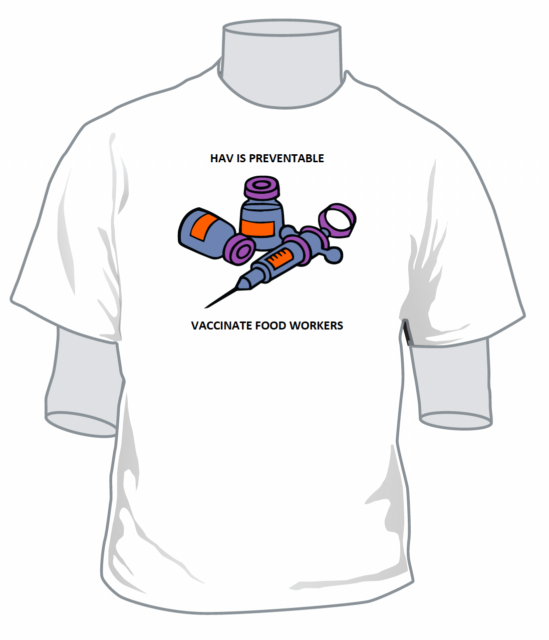
I am heading to Atlanta on Monday. Perhaps I can convince the CDC with good arguments and t-shirts that it is past time to recommend vaccinating food service workers against Hepatitis A. Here is a letter I wrote a few months ago.

Also, it really is past time for public health to recommend the same. Here is what I have asked the CDC for:

ACIP Secretariat
Advisory Committee on Immunization Practices 
1600 Clifton Road, N.E., Mailstop H24-8
Atlanta, GA 30329-4027
acip@cdc.gov

Re:  Letter to the CDC’s Committee on Immunization Practices – It is time to deal with Hepatitis A and Food Service Workers

Dear ACIP Secretariat:

The Advisory Committee on Immunization Practices (ACIP) provides advice and guidance to the Director of the CDC regarding use of vaccines and related agents for control of vaccine-preventable diseases in the civilian population of the United States. Recommendations made by the ACIP are reviewed by the CDC Director and, if adopted, are published as official CDC/HHS recommendations in the Morbidity and Mortality Weekly Report (MMWR).

Presently, approximately 5% of all hepatitis A outbreaks are linked to infected food-handlers.

Here is what the CDC continues to say about vaccinating food-handlers:

Why does CDC not recommend all food handlers be vaccinated if an infected food handler can spread disease during outbreaks?

CDC does not recommend vaccinating all food handlers because doing so would not prevent or stop the ongoing outbreaks primarily affecting individuals who report using or injecting drugs and people experiencing homelessness. Food handlers are not at increased risk for hepatitis A because of their occupation. During ongoing outbreaks, transmission from food handlers to restaurant patrons has been extremely rare because standard sanitation practices of food handlers help prevent the spread of the virus. Individuals who live in a household with an infected person or who participate in risk behaviors previously described are at greater risk for hepatitis A infection.

The CDC misses the point; granted, food service workers are not more at risk of getting hepatitis A because of their occupation, but they are a risk for spreading it to customers. Food service positions are typically low paying, and certainly have the likelihood of being filled by people who are immigrants from countries where hepatitis A might be endemic or by people who have been recently experienced homelessness.

Over the past several years, there has been an ongoing outbreak of hepatitis A in the United States. As of February 2, 2023, there have been a total of 44,779 cases with a 61% hospitalization rate (approximately 27,342 hospitalizations). The death toll stands at 421. Since the outbreak started in 2016, 37 states have reported cases to the CDC.

The CDC recommends to the public that the best way to prevent hepatitis A is through vaccination, but the CDC has not explicitly stated that food service workers should be administered the vaccination. While food service workers are not traditionally designated as having an increased risk of hepatitis A transmission, they are not free from risk. 

24% of hepatitis A cases are asymptomatic, which means a food-handler carrying the virus can unknowingly transmit the disease to consumers. Historically, when an outbreak occurs, local health departments start administering the vaccine for free or at a reduced cost. The funding from these vaccinations is through taxpayer dollars. 

A mandatory vaccination policy for all food service workers was shown to be effective at reducing infections and economic burden in St. Louis County, Missouri.

From 1996 to 2003, Clark Country, Nevada had 1,523 confirmed cases of hepatitis A, which was higher than the national average. Due to these alarming rates, Clark County implemented a mandatory vaccination policy for food service workers. As a result, in 2000, the hepatitis A rates significantly dropped and reached historic lows in 2010. The county removed the mandatory vaccine rule in 2012 and are now part of the ongoing hepatitis A outbreak. 

According to the CDC, the vaccinations cost anywhere from $30 to $120 to administer, compared to thousands of dollars in hospital bills, and offer a 95% efficacy rate after the first dose and a 99% efficacy after the second dose. Furthermore, the vaccine retains its efficacy for 15-20 years.  

During an outbreak, if a food service worker is found to be hepatitis A positive, a local health department will initiate post-exposure treatment plans that must be administered within a two-week period to be effective. The economic burden also affects the health department in terms of personnel and other limited resources. Sometimes, the interventions implemented by the local health department may be ineffective. 

Though there are many examples of point-source outbreaks of hepatitis A that have occurred within the past few years around the country, a particularly egregious outbreak occurred in the early fall of 2021 in Roanoke, Virginia. The health department was notified about the outbreak on September 21, 2021, after the first case was reported by a local hospital. The Roanoke Health Department, along with the Virginia Department of Health, investigated this outbreak.

Three different locations of a local restaurant, Famous Anthony’s, were ultimately determined to be associated with this outbreak. The Virginia Department of Health published a community announcement on September 24, 2021, about the outbreak and the potential exposure risk. 

For purposes of the investigation, a case was defined as a “[p]erson with (a) discrete onset of symptoms and (b) jaundice or elevated serum aminotransferase levels and (c) [who] tested positive for hepatitis A (IgM anti-HAV-positive), and frequented any of three Famous Anthony’s locations, or was a close contact to the index case patient, during the dates of August 10 through August 27, 2021.”

As of November 2021, a total of 49 primary cases (40 confirmed and 9 probable) were identified in this outbreak. Two secondary cases were also identified. Cases ranged from 30 to 82 years of age (median age of 63). In all, 57 percent of cases were male. Thirty-one cases included hospitalizations, and at least 4 case patients died. Illness onsets occurred between August 25 and October 15, 2021.

Ultimately, the outbreak investigation revealed that a cook, who also had risk factors associated with hepatitis A, had been infected with hepatitis A while working at multiple Famous Anthony’s restaurant locations. This index case’s mother and adult son also tested positive for hepatitis A. Following an inspection, the outbreak inspector noted, “due to the etiology of hepatitis A transmission, it is assumed the infectious food handler did not perform proper hand washing or follow glove use policy.” It was determined that person-to-person spread was the most likely mode of transmission in this outbreak. Environmental contamination was also considered a possible mode of transmission. 

Overwhelmed by the number of victims who pursued legal action for their injuries, Famous Anthony’s filed for bankruptcy and several of its locations have been closed.

The tragedy of this preventable hepatitis A outbreak cannot be overstated. Four people died. In one family, two of its members lost their lives. Most of the victims were hospitalized. Many risked acute liver failures. At least one person required both a liver and kidney transplants. Medical bills for the victims totaled over $6,000,000 in acute costs with millions of dollars in future expenses. And this all because one employee did not receive a $30-$120 hepatitis A vaccine.

Affordable prevention of future tragedies like the Famous Anthony’s outbreak is possible and necessary. The time has come to at least recommend vaccinations to food service workers to reduce the spread of hepatitis A.

Sincerely, 
Bill Marler
On behalf of 31 hepatitis A victims and families

1 Privately, via mail, I am providing medical summaries for 31 of the victims so there can be a clear assessment of the impacts of hepatitis A on consumers of food at the hands of one unvaccinated food service worker.

Happy to bring more t-shirts.

The Hawaii Department of Health notified the FDA of five people who got sick from consuming raw oyster shooters at a restaurant in Hawaii on May 10, 2023. Traceback information found that the source for the raw oysters was that shipment by Dai One Food. Samples collected from the 4/14/2022 harvest date tested positive for norovirus.

In addition, the Minnesota Department of Health notified the FDA about five people who got sick from eating raw oysters at a restaurant in that state on June 3, 2023 and June 4, 2023. Traceback information found that the source for those raw oysters was a shipment by Dai One Food from Korea that was harvested between 2/10/2022 and 2/24/2022.

The Centers for Disease Control and Prevention (CDC) estimates that noroviruses cause nearly 21 million cases of acute gastroenteritis annually, making noroviruses the leading cause of gastroenteritis in adults in the United States. 

What is Norovirus?

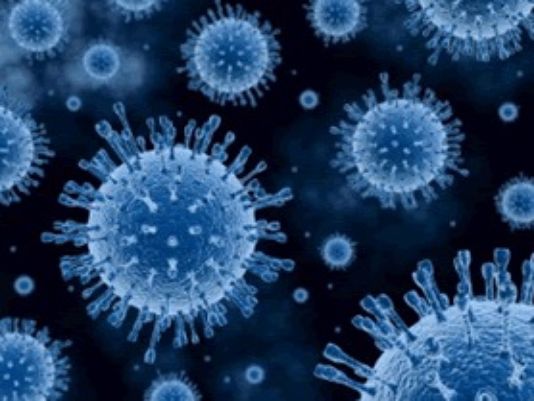
Nature has created an ingenious bug in norovirus. The round blue ball structure of norovirus is a protein surrounding the virus’s genetic material. The virus attaches to the outside of cells lining the intestine, and then transfers its genetic material into those cells. Once the genetic material has been transferred, norovirus reproduces, finally killing the human cells and releasing new copies of itself that attach to more cells of the intestine’s lining.

Humans are the only host of norovirus, and norovirus has several mechanisms that allow it to spread quickly and easily. Norovirus infects humans in a pathway like the influenza virus’ mode of infection. In addition to their similar infective pathways, norovirus and influenza also evolve to avoid the immune system in a similar way. Both viruses are driven by heavy immune selection pressure and antigenic drift, allowing evasion of the immune system, which results in outbreaks. Norovirus can survive a wide range of temperatures and in many different environments. Moreover, the viruses can spread quickly, especially in places where people are in proximity, such as cruise ships and airline flights, even those of short duration.

Is Norovirus Foodborne?

Norovirus causes nearly 60% of all foodborne illness outbreaks. Norovirus is transmitted primarily through the fecal-oral route, with fewer than 100 norovirus particles needed to cause infection. Transmission occurs either person-to-person or through contamination of food or water. CDC statistics show that food is the most common vehicle of transmission for noroviruses; of 232 outbreaks of norovirus between July 1997 and June 2000, 57% were foodborne, 16% were spread from person-to-person, and 3% were waterborne. When food is the vehicle of transmission, contamination occurs most often through a food handler improperly handling a food directly before it is eaten. 

Infected individuals shed the virus in large numbers in their vomit and stool, shedding the highest number of viral particles while they are ill. Aerosolized vomit has also been implicated as a mode of norovirus transmission. Previously, it was thought that viral shedding ceased approximately 100 hours after infection; however, some individuals continue to shed norovirus long after they have recovered from it, in some cases up to 28 days after experiencing symptoms. Viral shedding can also precede symptoms, which occurs in approximately 30% of cases. Often, an infected food handler may not even show symptoms. In these cases, people can carry the same viral load as those who do experience symptoms.

What are the Symptoms of Norovirus?

Norovirus illness usually develops 24 to 48 hours after ingestion of contaminated food or water. Symptoms typically last a relatively short amount of time, approximately 24 to 48 hours. These symptoms include nausea, vomiting, diarrhea, and abdominal pain.  Headache and low-grade fever may also accompany this illness. People infected with norovirus usually recover in two to three days without serious or long-term health effects.

Although symptoms usually only last one to two days in healthy individuals, norovirus infection can become quite serious in children, the elderly, and immune-compromised individuals. In some cases, severe dehydration, malnutrition, and even death can result from norovirus infection, especially among children and among older and immune-compromised adults in hospitals and nursing homes. Recently, there have been reports of some long-term effects associated with norovirus, including necrotizing entercolitis, chronic diarrhea, and post-infectious irritable bowel syndrome, but more data is needed to support these claims.

Proper hand washing is the best way to prevent the spread of norovirus.

References

  1. American Public Health Association (APHA), Heymann, David L., editor, “Norovirus Infection,” in CONTROL OF COMMUNICABLE DISEASES MANUAL, pp. 227-29, (18th Ed. 2008).
  2. Antonio, J, et al., “Passenger Behaviors During Norovirus Outbreaks on Cruise Ships,” INTERNATIONAL SOCIETY OF TRAVEL MAGAZINE, Vol. 15, No. 3, pp. 172-176 (May-June 2008). Abstract available online at http://www.ncbi.nlm.nih.gov/pubmed/18494694
  3. Benson, V. and Merano, M.A., “Current estimates from the National Health Interview Survey 1995,” VITAL HEALTH STATISTICS, SERIES 10 (Nat’l Center for Health Statistics 1998). Abstract available online at http://www.ncbi.nlm.nih.gov/pubmed/9914773
  4. Cáceres, VM, et al., “A viral gastroenteritis outbreak associated with person-to-person spread among hospital staff,” INFECTION CONTROL AND HOSPITAL EPIDEMIOLOGY, Vol. 19, No. 3, pp. 162-7 (March 1998). Abstract available online at http://www.ncbi.nlm.nih.gov/pubmed/9552183
  5. CDC, Norovirus:  Technical Fact Sheet, from Centers for Disease Control and Prevention Web site,http://www.cdc.gov/ncidod/dvrd/revb/gastro/norovirus-factsheet.htm (last modified on August 24, 2011) (last checked on Jan. 3, 2012). 
  6. CDC, Norovirus in Healthcare Facilities Fact Sheet, released December 21, 2006, available through Centers for Disease Control and Prevention website, at http://www.cdc.gov/ncidod/dvrd/revb/gastro/downloads/noro-hc-facilities-fs-508.pdf (last checked on January 4, 2012).
  7. CDC, Facts about Norovirus on Cruise Ships, last updated July 20, 2009, available through the Centers for Disease Control and Prevention website, at http://www.cdc.gov/nceh/vsp/pub/Norovirus/Norovirus.htm (last checked on January 4, 2012). 
  8. CDC, “Outbreaks of Gastroenteritis Associated with Noroviruses on Cruise Ships – United States, 2002,” MORBIDITY AND MORTALITY WEEKLY REPORT, Vol. 51, No. 49, pp. 1112-15 (Dec. 13, 2002). Full text available online at http://www.cdc.gov/mmwr/preview/mmwrhtml/mm5149a2.htm
  9. CDC, “Updated Norovirus Outbreak Management and Disease Prevention Guidelines,” MORBIDITY AND MORTALITY WEEKLY REPORT, Vol. 60, Recommendations and Reports No. 3, pp. 1-15 (March 4, 2011). Full text available online at http://www.cdc.gov/mmwr/preview/mmwrhtml/rr6003a1.htm
  10. CDC, “Norwalk-like viruses’—Public health consequences and outbreak management,” MORBIDITY AND MORTALITY WEEKLY REPORT, Vol. 50, Recommendations and Reports No. 9, pp. 1-18 (June 1, 2001). Full text available online at http://www.cdc.gov/mmwr/preview/mmwrhtml/rr5009a1.htm
  11. Duizer, E, et al., “Probabilities in norovirus outbreak diagnosis,” JOURNAL OF CLINICAL VIROLOGY, Vol. 40, No. 1, pp. 38-42 (Sept. 2007). Abstract available online at http://www.ncbi.nlm.nih.gov/pubmed/17631044
  12. Donaldson, E., et al., “Viral shape-shifting: norovirus evasion of the human immune system,” NATURE REVIEWS, MICROBIOLOGY, Vol. 8, No. 3, pp. 231-239 (March 2010). Abstract available online at http://www.ncbi.nlm.nih.gov/pubmed/20125087
  13. Fankhauser, RL, et al., “Epidemiologic and molecular trends of ‘Norwalk-like viruses’ associated with outbreaks of gastroenteritis in the United States,” JOURNAL OF INFECTIOUS DISEASES, Vol.186, No. 1, pp. 1-7 (July 1, 2002). Full text of article available online at http://jid.oxfordjournals.org/content/186/1/1.long
  14. Gerencher, Christine L., Reporter, “Understanding How Disease Is Transmitted via Air Travel: Summary of a Symposium,” Conference Proceedings 47, Transportation Research Board of the National Academies (2010). Full summary available online at http://onlinepubs.trb.org/onlinepubs/conf/CP47.pdf
  15. Glass, RI, et al., “The Epidemiology of Enteric Caliciviruses from Humans: A Reassessment Using New Diagnostics,” JOURNAL OF INFECTIOUS DISEASES, Vol. 181, Supplement 2, pp. S254-61 (2000). Full text available online at http://jid.oxfordjournals.org/content/181/Supplement_2/S254.long
  16. Glass, R, Parashar, U.D., and Estes, M.K., “Norovirus Gastroenteritis,” NEW ENGLAND JOURNAL OF MEDICINE, Vol. 361, No. 18, pp. 1776-1785 (Oct. 29, 2009). Full text available online at http://www.sepeap.org/archivos/pdf/11191.pdf
  17. Janneke, C, et al., “Enhanced Hygiene Measures and Norovirus Transmission during an Outbreak,” EMERGING INFECTIOUS DISEASES, Vol. 15, No., pp. 24-30 (Jan. 2009). Full text available online at http://wwwnc.cdc.gov/eid/article/15/1/08-0299_article.htm
  18. Harris, JP, et al., “Deaths from Norovirus among the Elderly, England and Wales,” EMERGING INFECTIOUS DISEASES, Vol. 14, No. 10, pp. 1548-1552 (Oct. 2008). Full text available online athttp://wwwnc.cdc.gov/eid/article/14/10/08-0188_article.htm
  19. Kirkland, KB, et al., “Steaming oysters does not prevent Norwalk-like gastroenteritis,” PUBLIC HEALTH REPORTS, Vol. 111, pp. 527-30 (1996). Full text available online at http://www.ncbi.nlm.nih.gov/pmc/articles/PMC1381901/pdf/pubhealthrep00045-0057.pdf
  20. Maunula, L, Miettinen, IT, and Bonsdorff, CH, “Norovirus Outbreaks from Drinking Water,” EMERGING INFECTIOUS DISEASES, Vol. 11, No. 11, pp. 1716-1721 (2005).  Full text available online at http://wwwnc.cdc.gov/eid/content/11/11/pdfs/v11-n11.pdf
  21. Lopman, Ben, Zambon, Maria, and Brown, David, “The Evolution of Norovirus, the ‘Gastric Flu,’” Public Library of Science: Medicine, Vol. 5, Issue 2, pp.187-189 (Feb. 2010). Full text available online at http://www.ncbi.nlm.nih.gov/pmc/articles/PMC2235896/pdf/pmed.0050042.pdf
  22. Lowther, J, Henshilwood, K, and Lees DN, “Determination of Norovirus Contamination in Oysters from Two Commercial Harvesting Areas over an Extended Period, Using Semiquantitative Real-Time Reverse Transcription PCR,” JOURNAL OF FOOD PROTECTION, Vol. 71, No. 7, pp. 1427-1433 (2008). Abstract available online at http://www.ncbi.nlm.nih.gov/pubmed/18680943
  23. Lysen, M, et al., “Genetic Diversity among Food-Borne and Waterborne Norovirus Strains Causing Outbreaks in Sweden,” JOURNAL OF CLINICAL MICROBIOLOGY, Vol. 47, No. 8, pp. 2411-2418 (2009). Full text available online at http://www.ncbi.nlm.nih.gov/pmc/articles/PMC2725682/?tool=pubmed
  24. Marks, PJ, et al., “Evidence of airborne transmission of Norwalk-like virus (NLV) in a hotel restaurant,” EPIDEMIOLOGY AND INFECTION, Vol. 124, No. 3, pp. 481-87 (June 2000). Full text available online at http://www.cdc.gov/nceh/ehs/Docs/Evidence_for_Airborne_Transmission_of_Norwalk-like_Virus.pdf
  25. Mayo Clinic, “Norovirus Infection,” Mayo Clinic Web site, information last updated April 15, 2011 (as of last checking on Jan. 3, 2012), available online at http://www.mayoclinic.com/health/norovirus/DS00942/DSECTION=1
  26. Mead, Paul M, et al., “Food-related Illness and Death in the United States,” EMERGING INFECTIOUS DISEASES, Vol. 5, No. 5, pp. 607-25 (September-October 1999). Full text available online at  http://www.ncbi.nlm.nih.gov/pmc/articles/PMC2627714/pdf/10511517.pdf
  27. Middleton, PJ, Szmanski, MT, and Petric M, “Viruses associated with acute gastroenteritis in young children,” AMERICAN JOURNAL OF DISEASES OF CHILDREN, Vol. 131, No. 7, pp. 733-37 (July 1977). Abstract available online at http://www.ncbi.nlm.nih.gov/pubmed/195461
  28. Patterson, T, Hutchin, P, and Palmer S, “Outbreak of SRSV gastroenteritis at an international conference traced to food handled by a post symptomatic caterer,” EPIDEMIOLOGY AND INFECTION,  Vol. 111, No. 1, pp. 157-162 (Aug. 1993). Available online at http://www.ncbi.nlm.nih.gov/pmc/articles/PMC2271183/?tool=pubmed
  29. Ozawa, K, et al., “Norovirus Infections in Symptomatic and Asymptomatic Food Handlers in Japan,” JOURNAL OF CLINICAL MICROBIOLOGY, Vol. 45, No. 12, pp. 3996-4005 (Oct. 2007). Abstract available online at http://jcm.asm.org/content/45/12/3996.abstract
  30. Said, Maria, Perl, Trish, and Sears Cynthia, “Gastrointestinal Flu: Norovirus in Health Care and Long-Term Care Facilities,” HEALTHCARE EPIDEMIOLOGY, vol. 47, pp. 1202-1208 (Nov. 1, 2008). Full text available online at http://cid.oxfordjournals.org/content/47/9/1202.full.pdf+html
  31. Scallan, E., et al., “Foodborne Illness Acquired in the United States—Major Pathogens,” EMERGING INFECTIOUS DISEASES, Vol. 17, No. 1, pp. 7-15 (2011). Full text available online at http://wwwnc.cdc.gov/eid/article/17/1/p1-1101_article.htm
  32. Siebenga, JJ, et al., “Norovirus Illness Is a Global Problem: Emergence and Spread of Norovirus GII.4 Variants, 2001–2007,” JOURNAL OF INFECTIOUS DISEASES, Vol. 200, No. 5, pp. 802-812 (2009). Full text available online at http://jid.oxfordjournals.org/content/200/5/802.long
  33. Treanor, John J. and Dolin, Raphael, “Norwalk Virus and Other Calciviruses,” in Mandell, Douglas, and Bennett’s PRINCIPLES AND PRACTICE OF INFECTIOUS DISEASES, Fifth Edition, Chap. 163, pp. 1949-56 (2000, Mandell, Bennett, and Dolan, Editors).
  34. Tu, E.T., et al., “Epidemics of Gastroenteritis during 2006 Were Associated with the Spread of Norovirus GII.4 Variants 2006a and 2006b,” CLINICAL INFECTIOUS DISEASES, Vol. 46, No. 3, pp. 413-420 (Feb. 1, 2008). Full text available online at http://cid.oxfordjournals.org/content/46/3/413.full
  35. Tu E.T., et al., “Norovirus excretion in an age-care setting,” JOURNAL OF CLINICAL MICROBIOLOGY, Vol. 46, pp. 2119-21 (June 2008). Full text available online at http://www.ncbi.nlm.nih.gov/pmc/articles/PMC2446857/pdf/2198-07.pdf
  36. Verhoef, L, et al., “Emergence of New Norovirus Variants on Spring Cruise Ships and Prediction of Winter Epidemics,” EMERGING INFECTIOUS DISEASES, Vol. 14, No. 2, pp. 238-243 (Feb. 2008). Full text available online at http://www.ncbi.nlm.nih.gov/pmc/articles/PMC2600213/pdf/06-1567_finalR.pdf
  37. Vinje, J, “A Norovirus Vaccine on the Horizon?” EMERGING INFECTIOUS DISEASES, Vol. 202, No. 11, pp. 1623-1625 (2010). Full text available online at http://jid.oxfordjournals.org/content/202/11/1623.full
  38. Westrell T, et al., “Norovirus outbreaks linked to oyster consumption in the United Kingdom, Norway, France, Sweden and Denmark,”  EURO-SURVEILLANCE (European Communicable Disease Bulletin), Vol. 15, No. 12 (Mar. 25, 2010). Full text available online at http://www.eurosurveillance.org/images/dynamic/EE/V15N12/art19524.pdf

The Alabama Department of Public Health (ADPH) is investigating multiple reports of Cyclospora infection statewide. ADPH has seen more infections with this parasite since April, and there are more than twice as many cases as were reported in Alabama last year. The FDA reports that it is investigating a  Cyclospora outbreak with as many as 28 victims. The Colorado Department of Public Health and Environment is currently investigating an outbreak of Cyclospora on the Western Slope. As of June 15, there have been 62 cases reported in Colorado since May 1, 2023.

What is Cyclospora?

Cyclospora is a parasite composed of one cell, too small to be seen without a microscope. The organism was previously thought to be a blue-green alga or a large form of CryptosporidiumCyclospora cayetanensis is the only species of this organism found in humans.

Cyclosporiasis is an intestinal illness caused by the parasite Cyclospora cayetanensis, which is transmissible by ingestion of fecally contaminated food or water.[1]Cyclosporiasis is most common in tropical and subtropical regions of the world. In the United States, foodborne outbreaks of cyclosporiasis have been linked to various types of imported fresh produce (e.g., basil, raspberries, and snow peas). Validated molecular typing tools, which could facilitate detection and investigation of outbreaks, are not yet available for C. cayetanensis.

Outbreaks of cyclosporiasis in humans have been reported mostly from North America, from the infection sources of contaminated fresh food products, such as soft fruits (raspberries), leafy vegetables (coriander, basil, and mixed salad), and herbs. Soil is another possible infection source, particularly in areas with poor environmental sanitation.[2]

The Centers for Disease Control and Prevention (CDC) has been conducting national surveillance for cyclosporiasis since it became a nationally notifiable disease in January 1999. As of 2015, cyclosporiasis was a reportable condition in 42 states, the District of Columbia, and New York City (NYC). Health departments voluntarily notify CDC of cases of cyclosporiasis through the National Notifiable Diseases Surveillance System and submit additional case information using the CDC cyclosporiasis case report form or the Cyclosporiasis National Hypothesis Generating Questionnaire (CNHGQ).[3]

While cyclosporiasis cases are reported year-round in the United States, cyclosporiasis acquired in the United States (i.e., “domestically acquired,” or cases of cyclosporiasis that are not associated with travel to a country that is considered endemic for Cyclospora) is most common during the spring and summer months. The exact timing and duration of U.S. cyclosporiasis seasons can vary, but reports tend to increase starting in May. In 2020, multiple outbreaks of cyclosporiasis were identified and found to be linked to different produce items. As of September 23, 2020, the CDC documented 1,241 laboratory-confirmed cases of cyclosporiasis in people who had no history of international travel during the 14-day period before illness onset.[4]

What are the typical symptoms of Cyclospora infection?

Cyclospora infects the small intestine (bowel) and usually causes watery diarrhea, bloating, increased gas, stomach cramps, and loss of appetite, nausea, low-grade fever, and fatigue. In some cases, vomiting, explosive diarrhea, muscle aches, and substantial weight loss can occur. Some people who are infected with Cyclospora do not have any symptoms. The time between becoming infected and becoming ill is usually about one week. If not treated, the illness may last from a few days up to six weeks. Symptoms also may recur one or more times (relapse). In addition, people who have previously been infected with Cyclospora can become infected again.[5]

Where does Cyclospora come from?

The modes of transmission of C. cayetanensis are still not completely documented, although fecal–oral transmission is the major route. Direct person-to-person transmission is unlikely. Indirect transmission can occur if an infected person contaminates the environment, the oocysts sporulate under the right conditions, and then contaminated food and water are ingested. The role of soil in transmission has also been proposed. The relative importance of these various modes of transmission and sources of infection is not known.[6]

The dissemination of infective Cyclospora oocysts via water, soil, and unprocessed foods (e.g., fruits and vegetables, including ready-to-eat salads) is enabled by their small size (8–10 μm), low specific gravity, and high infectivity. Such oocysts can survive for weeks to months in water and food, depending on the environmental temperature, and are resistant to the routine sanitization or chemical disinfection procedures used in irrigation systems, recreational waters, or drinking water treatment plants.[7]

How is Cyclospora diagnosed?

Cyclosporiasis is usually diagnosed symptomatically in clinical settings, including the presence of watery diarrhea, abdominal cramping, and bloating. In untreated, immunocompetent people, the diarrhea can last from days to weeks to a month or more, and can wax and wane, with variable oocyst shedding. Oocysts can continue to be shed (intermittently or continuously) by non-symptomatic people, and symptoms can also persist in the absence of oocysts in feces. In a clinical context, conventional diagnosis usually involves microscopic examination of intestinal tissue biopsy sections, stool samples for the presence of developmental stages of Cyclospora, or advanced molecular testing for DNA. Improved specificity and sensitivity have been possible largely through the use of PCR, which enables the specific amplification of genetic loci from tiny amounts of genomic DNA of Cyclospora. Because of the intermittent nature of oocyst shedding and the low numbers of this stage in feces, it is recommended that multiple stool samples be collected at 2–3 day intervals over a period of more than a week, to increase the likelihood of identifying the disease microscopically.[8]

What are the serious and long-term risks of Cyclospora infection?

Cyclospora has been associated with a variety of chronic complications such as malabsorption, reactive arthritis, and cholecystitis (inflammation of the gallbladder). Since Cyclospora infections tend to respond to the appropriate treatment, complications are more likely to occur in individuals who are not treated or not treated promptly. Extraintestinal infection also appears to occur more commonly in individuals with a compromised immune system.[9]

Although human cyclosporiasis is usually not fatal in developed countries such as the United States, protracted diarrhea often leads to dehydration, particularly in infants who are at greatest risk of severe dehydration and death, especially if cyclosporiasis is complicated by infections with other pathogens (viral, bacterial, or parasitic—e.g., Cryptosporidium and Giardia), malnutrition, or malabsorption, particularly in underprivileged communities.[10]

According to the CDC[11], the recommended treatment is a combination of two antibiotics, trimethoprim-sulfamethoxazole, also known as Bactrim, Septra, or Cotrim. It is advisable for people who have diarrhea to also rest and drink plenty of fluids.

[1]           Casillas, S. M., Hall, R. L., & Herwaldt, B. L. (2019). Cyclosporiasis Surveillance – United States, 2011-2015. Morbidity and mortality weekly report. Surveillance summaries (Washington, D.C. : 2002)68(3), 1–16. https://doi.org/10.15585/mmwr.ss6803a1

[2]           Giangaspero, A., & Gasser, R. B. (2019). Human cyclosporiasis. The Lancet Infectious Diseases, 19(7), e226–e236. https://doi.org/10.1016/S1473-3099(18)30789-8

[3]           Casillas, Ibid, Note 1 at Page 1.

[4]           CDC. (2020, September 24). Cyclosporiasis Outbreak Investigations – United States, 2020. Centers for Disease Control and Prevention. https://www.cdc.gov/parasites/cyclosporiasis/outbreaks/2020/seasonal/index.html

[5]           Cyclosporiasis – Disease. (2018, May 11). https://www.cdc.gov/parasites/cyclosporiasis/disease.html

[6]           Almeria S, Cinar HN, Dubey JP. Cyclospora cayetanensis and Cyclosporiasis: An Update. Microorganisms. 2019; 7(9):317.

[7]           Giangaspero, Ibid, Note 2 at Page 1.

[8]           Giangaspero, Ibid, Note 2 at Page 3-4.

[9]           CDC. (2020, October 21). CDC – Cyclosporiasis – Resources for Health Professionals. Centers for Disease Control and Prevention. https://www.cdc.gov/parasites/cyclosporiasis/health_professionals/index.html

[10]         Giangaspero, Ibid, Note 2 at Page 2.

[11]         CDC. (2020, September 17). CDC – Cyclosporiasis – General Information – Cyclosporiasis FAQshttps://www.cdc.gov/parasites/cyclosporiasis/gen_info/faqs.html