
 The U.S. Department of Agriculture’s Food Safety and Inspection Service (FSIS) is issuing a public health alert due to illnesses caused by E. coli O157:H7 associated with romaine lettuce from the Salinas, California, growing region. FSIS warns against consuming any wraps, sandwiches, prepackaged salad, salad kits, or other product containing romaine lettuce harvested from the Salinas, California, growing region. Additionally, consumers should not eat any salad products identified in a Missa Bay, LLC, recall announced by FSIS on November 21, 2019.
On November 22, 2019, the Centers for Disease Control and Prevention (CDC) and Food and Drug Administration (FDA)advised consumers, retailers, and restaurants not eat or sell any romaine lettuce harvested from the Salinas, California, growing region. Most romaine lettuce products at retail are labeled with a harvest location showing where they were grown. CDC and the FDA are advising that if this voluntary label indicates that the romaine lettuce was grown in “Salinas” (whether alone or with the name of another location) do not eat it. If the romaine does not have information about harvest region or does not indicate that it has been grown indoors (i.e. hydroponically- and greenhouse-grown), throw it away or return it to the place of purchase.
FSIS-regulated establishments are advised not to serve, ship, or sell products that contain romaine lettuce from the Salinas, California, growing region. This advice includes all types of romaine lettuce from the Salinas, California, growing region, such as whole heads of romaine, hearts of romaine, and packages of precut lettuce and salad mixes that contain romaine, including baby romaine, spring mix, and Caesar salad. If you do not know the source of your romaine lettuce, and if you cannot obtain that information from your supplier, you should not serve, ship, or sell the product.
Anyone concerned about an illness should contact a healthcare provider. E. coli O157:H7 is a potentially deadly bacterium that can cause dehydration, bloody diarrhea and abdominal cramps 2–8 days (3–4 days, on average) after exposure the organism. While most people recover within a week, some develop a type of kidney failure called hemolytic uremic syndrome (HUS). This condition can occur among persons of any age but is most common in children under 5-years old and older adults. It is marked by easy bruising, pallor, and decreased urine output. Persons who experience these symptoms should seek emergency medical care immediately.
Marler Clark, The Food Safety Law Firm, is the nation’s leading law firm representing victims of E. coli outbreaks and hemolytic uremic syndrome (HUS). The E. coli lawyers of Marler Clark have represented thousands of victims of E. coli and other foodborne illness infections and have recovered over $650 million for clients. Marler Clark is the only law firm in the nation with a practice focused exclusively on foodborne illness litigation. Our E. coli lawyers have litigated E. coli and HUS cases stemming from outbreaks traced to ground beef, raw milk, lettuce, spinach, sprouts, and other food products. The law firm has brought E. coli lawsuits against such companies as Jack in the Box, Dole, ConAgra, Cargill, and Jimmy John’s. We have proudly represented such victims as Brianne Kiner, Stephanie Smith and Linda Rivera.
If you or a family member became ill with an E. coli infection or HUS after consuming food and you’re interested in pursuing a legal claim, contact the Marler Clark E. coli attorneys for a free case evaluation.
 Since the initial investigation notice, 23 additional ill people have been reported. As of November 21, 2019, a total of 40 people infected with the outbreak strain of E. coli O157:H7 have been reported from 16 states.

 San Antonio Metropolitan Health District commenced a foodborne outbreak investigation in September 2018 after it was bombarded with calls from over 250 ill patrons of Pasha Mediterranean Grill in San Antonio, Texas. 14 patrons were confirmed for Salmonella and a dozen were hospitalized. Those whose stool samples were confirmed at a public health lab tested positive for Salmonella Enteritidis.


 According to South African press reports, it seems that there’s no coming back from the Listeria crisis that rocked Tiger Brands last year.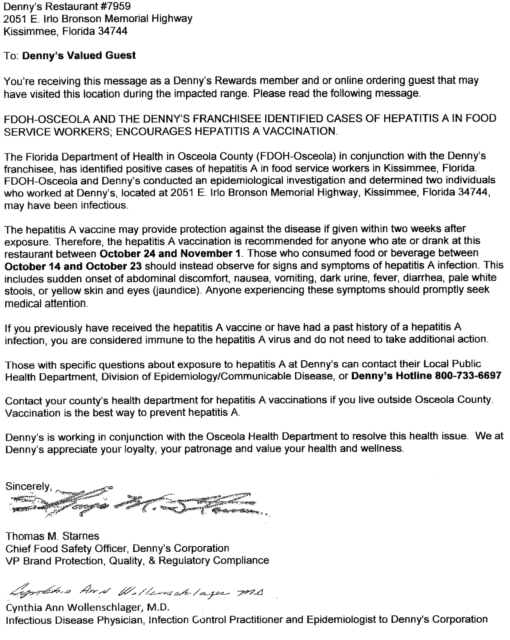
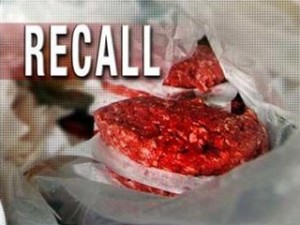 New Seasons Market is recalling fresh ground beef sold at meat counters in three of its stores because it may be contaminated with Escherichia coli O157:H7.