16 days hospitalized: Summer E. coli outbreak linked to Wendy’s takes toll on Michiganders

Danielle Salisbury of Mlive.com

In August in an emergency department waiting room, Eboné Colbert remembers going to use the bathroom. So exhausted and dehydrated, she lay on the floor until summoned nurses came to her aid.

“I was just so weak at that time,” said Colbert, 37, of Redford.

Days later, Wendy Lambert’s 5-year-old was heading to the toilet every hour. “It was just awful.”

Despite advice from a doctor to wait and assurances from her husband their daughter was OK, she took Abigail to Michigan Medicine’s C.S. Mott Children’s Hospital in Ann Arbor.

She is grateful she did.

Both Colbert and Abigail were infected by E. coli, a type of bacteria, during an outbreak that began in July and was tied to Wendy’s restaurants, possibly its romaine sandwich lettuce.

Both developed hemolytic uremic syndrome, occurring when small blood vessels in the kidneys become damaged and inflamed and caused by infection with certain strains of E. coli. Though Colbert and Abigail recovered without losing the organs, it can lead to kidney failure.

“I’ve never been that sick,” said Colbert, who spent 12 days at Beaumont Hospital, Royal Oak with what she initially feared was COVID-19.

“When I hear E. coli, I’m thinking ‘Oh, you know, diarrhea and throwing up for a day or two.’ But I didn’t know how painful it was, like my stomach.”

Abigail, who lives with her family in Lyon Township, had to have three blood transfusions because her hemoglobin levels dropped. She spent 16 days in the hospital. For all the first week, she would cry out about the ache in her belly. She hated blood draws and wanted always to go home, reported her mother, who found it difficult to leave the room, even briefly.

Lambert, a 44-year-old medical technologist with knowledge of potential complications, would encourage her, try her best to be positive, tell Abigail she was going to get through it. “And then I’d like go in the bathroom and have my little meltdown.”

The Lambert family and Colbert are now seeking legal redress.

Colbert and her lawyers are suing Wendy’s, the Rochester Hills owner of the Farmington franchise where she ate, and whatever corporation, not yet known, manufactured, distributed, imported, packaged, or grew the illness-causing product. Her case is pending in Oakland County Circuit Court.

Ebonē Colbert, 37, of Redford spent 12 days at Beaumont Hospital in Royal Oak with an E. coli infection that led to a kidney complication. She had eaten days earlier with her son at a Wendy’s restaurant.

The lawsuit is one of at least three in Michigan stemming from a summer outbreak, and there could be more. The Lambert family’s case has not been formally filed.

Colbert’s lawyer, Bill Marler, based in Washington and focused exclusively on food safety cases, is representing the Lambert family and several others, including Zachary Nitz.

Nitz contracted an E. coli infection allegedly after he ate a Big Bacon Classic Aug. 6 from a Wendy’s at 2333 28th St. SE in Grand Rapids. Nitz also sued Wendy’s, the franchise owner and the unknown product provider. His lawsuit is pending in Kent County Circuit Court.

Attempts to interview lawyers representing the franchises and Wendy’s corporate communications were not successful. Messages left for the franchise owners did not elicit responses.

A total of 109 people from six states, including New York, Kentucky, Ohio and Pennsylvania, were known to be infected from July 26 to Aug. 17. Michigan had the greatest number of cases with 67.

Ill people ranged from age 1 to 94. At least 52 were hospitalized and 13 developed hemolytic uremic syndrome. No one died, according to the U.S. Centers for Disease Control and Prevention. By Oct. 4, the outbreak had concluded.

Jamie Core, 37 and then living in Allendale, did not develop the syndrome, but he was miserable nonetheless. Ill with E. coli infection in late August, he could hardly get out of bed. He didn’t yet know what was wrong. He couldn’t control his body.

“Depression kicked in. I would just sit there and cry.”

Core and his husband have a contractor business. He was too sick to work for weeks and Eric Core took care of him. They lost one job and were still catching up on others.

Jamie Core, also represented by Marler, went twice to Wendy’s, eating a chicken sandwich and a burger, while traveling from Michigan to Chicago for a five-day birthday trip. He started to feel terrible within days of their return.

“I’ll never eat at Wendy’s again, honestly.”

Of 82 people with a detailed food history, 68 reported eating at Wendy’s in the week before their illness began.

The CDC said it had not confirmed the outbreak source, but many sick people reported eating sandwiches with romaine lettuce, and Wendy’s then removed from their sandwiches the leafy green, linked to several past outbreaks, often because livestock fecal matter can get into irrigation systems.

Colbert on July 27 had a Wendy’s single when she and her son, 4, stopped as they always did after his Wednesday gymnastics class. Her son had chicken nuggets and remained healthy.

Abigail Lambert works on a coloring book at her home in Wixom on October 20, 2022. Abigail was exposed to E.coli during the outbreak in July and August linked to Wendy’s restaurants and was hospitalized for 16 days.

Lambert said her daughter had chicken nuggets, fries and milk while she had a burger. She picked off the onions and pickles and Abigail ate the onion.

They didn’t eat lettuce, but that doesn’t mean a leafy green wasn’t the culprit.

E. coli has a “very low infectious dose,” meaning it takes less than 100 bacterial cells to cause disease after ingestion. Contamination could spread, especially if the bacterial concentration on the lettuce was high, said Shannon Manning, Michigan State University professor in the Department of Microbiology and Molecular Genetics.

Because leafy greens grow low to the ground, they may be more readily contaminated than other types of produce, Manning wrote in an email. They also are eaten raw instead of cooked. Even washing before consumption might not be sufficient because the pathogen is capable of entering the leaf pores.

Marler, the Washington lawyer, wants to determine: Where was the product harvested and why was it contaminated?

He fears he will learn, as he has in past cases, lettuce was grown “near a bunch of cows,” and laments the U.S. Food and Drug Administration has not done more.

The FDA has called livestock a “persistent reservoir” of E. coli and urged famers to be aware of “adjacent land use practices.”

In November and December 2019, for example, 188 people were sickened with E. coli in three outbreaks connected with consuming leafy greens from California. An outbreak strain was detected in a fecal-soil composite sample taken from a cattle grate less than two miles upslope from a produce farm, according to the FDA.

Chains like McDonald’s, Wendy’s and Chipotle and grocers like Walmart and Costco can pressure suppliers to “clean up their acts,” Marler said. “These big, multibillion dollar companies have an obligation to protect their customers.”

Wendy’s needs to be held responsible, Core said.

Lambert said for her family, it is not about the money. “I’m just tired of hearing about toys getting recalled and people getting sick from foodborne illnesses. And I’m tired of big corporations just like sweeping stuff under the rug, and ‘Oops, no big deal.’”

Abigail is in kindergarten. Laboratory results looked good. as of mid-October, and she was eating normally. “But we are also worried about the stuff that you can’t see… because she was so sick.”

She will have to forever watch her blood pressure and is predisposed to kidney infection; her embattled kidneys could be less capable of fending off any subsequent trouble.

The first day of school, tasked with illustrating her feelings, Abigail drew a picture of a girl with two tears and a red line coming from her arm. “That’s the blood,” she explained.

Colbert, a communicable disease investigator for the state of Michigan, was off work for five weeks, not all of it paid.

She was away from her son. She had no idea when she would go home, and worried about money.

Beyond recovering those financial losses, she too wants to see change in food safety practices. “I don’t want anyone else going through that, and I’m an adult. I can only imagine having a child go through that, when it is not necessary.”

‘Never saw it coming’: Ohio child’s kidneys nearly failed due to Wendy’s E. coli outbreak

Max Filby of The Columbus Dispatch

Brittney Tebay never imagined eating at a fast-food restaurant could land her child in the hospital, but that’s exactly what happened.

Her son Carter, who was 9 at the time, ate at a Wendy’s on Aug. 5, and by Aug. 9 the Toledo-area boy was vomiting and dealing with bouts of diarrhea.

After multiple visits to two Toledo hospitals, a doctor told Tebay that she needed to get her son to Nationwide Children’s Hospital in Columbus. Carter was suffering from a severe bout of toxic E. coli and his kidneys were failing.

“I never saw it coming,” Tebay said. “You see that kind of stuff on the news, but I never knew that E. coli could cause kidney failure.”

At least 52 people were hospitalized during the outbreak, according to the Centers for Disease Control and Prevention. No one is thought to have died as a result of the outbreak, which ended in early October.

Carter was one of at least 24 Ohioans and 109 Americans sickened across six states in an E. coli outbreak that began in late July and was linked to Dublin-based Wendy’s.

E. coli is the name of a broad category of bacteria largely considered harmless. But some strains of E. coli produce a toxin called Shiga. These Shiga toxin-producing E. coli live in the intestines of many animals and are usually transmitted to people through contaminated food, according to the CDC.

While most people recover from an E. coli infection in about a week, not everyone does. The CDC estimates around 265,000 Americans are infected with toxic E. coli every year, and 30 people in the U.S. die from the bacteria annually.

Although serious illness is rare, it’s possible, said Jiyoung Lee, a professor of environmental health at Ohio State University’s College of Public Health. Young children, the elderly and people with weakened immune systems are the most likely to suffer from serious illness due to E. coli, Lee said.

People often start feeling the effects of toxic E. coli three to four days after ingesting it, according to the CDC. Symptoms can include stomach cramps, vomiting, bloody diarrhea, fever or even the early stages of kidney failure, like what Carter experienced. “The possibility is always there,” Lee said. “Once it happens, it can be dangerous.”

How the Wendy’s outbreak unfolded

More than 80% of people sickened in the outbreak told public health officials they ate at Wendy’s restaurants in Ohio, Michigan, Indiana, Kentucky, Pennsylvania or New York. But it’s unclear just what caused the E. coli outbreak.

Many ate burgers and sandwiches with romaine lettuce. As a precaution, on Aug. 19, Wendy’s removed the romaine lettuce being used in burgers and sandwiches at restaurants in states where sick people ate.

When asked to comment, a spokesperson for a public relations firm representing Wendy’s referred The Dispatch to a prepared statement from the food chain stating that it was pleased no more cases had been reported as of Oct. 5.

“As a Company, we remain committed to upholding our high standards of food safety and quality,” the statement read.

The outbreak linked to Wendy’s is one of 19 investigated by the CDC across the U.S. since the start of 2018. That marks an uptick from the 11 outbreaks investigated during the previous five years from 2013 through 2017, according to the CDC.

If the outbreak was caused by lettuce used at certain Wendy’s locations, it could have infected people who didn’t eat something with that specific ingredient. Anything prepared in the same space as food carrying toxic E. coli could become contaminated, Lee said.

Every outbreak is an opportunity to inform people of the importance of safe food preparation and the need to wash leafy greens and other produce, Lee said. That includes produce labeled as washed or ready to eat, Lee said.

“I never eat directly from the package without washing (produce) first,” Lee said. “A majority of people think it’s common sense but it isn’t. I think we have to remind people more. … We have to increase awareness.”

When an outbreak occurs, attorney Bill Marler usually has his eye on it.

A lawyer at Marler-Clark, the self-proclaimed “food safety law firm” in Seattle, Marler is representing multiple plaintiffs, including the Tebay family, in lawsuits against Wendy’s due to E. coli. Marler has represented victims of foodborne illnesses since 1993.

Although prevention efforts are worthwhile, Marler said that more needs to be done to stop E. coli from contaminating food at the source.

When it comes to leafy greens, the main issue is that lettuce farms often are located too close to livestock pastures and feeding areas. Sometimes, Marler said, they’re so close that the lettuce and the livestock share the same water source, and so manure containing E. coli can get into the water used to sustain lettuce and other produce.

Until something is done to better regulate the issue, Marler said the problem will continue.

“Everybody has known that,” Marler said. “Every time there’s a major outbreak everyone throws their hands in the air and says, ‘Oh my god, we’ve got to fix this’ and then ultimately they never do it.”

While Marler said the number of food recalls seems to have grown, he said that’s actually a positive development. Periodically testing food and issuing recalls is the best way to prevent outbreaks of food-borne illnesses, he said.

Columbus-based Jeni’s Splendid Ice Creams is one example that Marler cited as a company that’s done a good job at preventing outbreaks. Jeni’s recalled all of its ice cream pints and temporarily closed all of its scoop shops in April 2015 after a random inspection detected the presence of listeria in an ice cream sample taken at a Whole Foods store in Nebraska.

“Recalls can be a really good thing,” Marler said. “If you see a recall, you should feel like the system’s actually working.”

Fearing ‘the worst’

Despite suffering a severe case of E. coli, Carter was one of the lucky ones.

After about two weeks at Nationwide Children’s, Tebay said her son was healthy enough to return home to Sylvania, a suburb of Toledo. He’s expected to make a full recovery.

“It was scary,” she said. “I never let myself think the worst, but I was scared we were going to be dealing with dialysis for a good chunk of his life, if not forever.”

Still, the ordeal had an impact on Carter and his mom.

The two were in the car together recently when a Wendy’s ad came on the radio. Carter asked his mom to change the station or turn it off. It’s unlikely they’ll ever eat at a Wendy’s again, she said.

In fact, she said the experience has made Carter skeptical of other food and restaurants. The two recently ate at a McDonald’s restaurant and afterward Carter worried that his burger tasted off.

That paranoia can only be attributed to his battle with E. coli, his mother said.

“We’ll always be more leery of going out to eat now,” she added. “It’s not just me saying that. 

My son is scared.”

Food Safety does not take weekends off.

Fresh Express Salad Listeria Outbreak: A total of 10 people infected with the outbreak strain of Listeria monocytogenes were reported from eight states. Illnesses started on dates ranging from July 26, 2016, to October 19, 2021. Sick people ranged in age from 44 to 95 years, with a median age of 80, and 60% were female. All 10 people were hospitalized. One death was reported from Pennsylvania.

State and local public health officials interviewed people (or their family) about the foods they ate in the month before they got sick. Of the five people interviewed, four (80%) reported eating packaged salads of various types and two specifically reported eating Fresh Express brand salads. Public health investigators used the PulseNet system to identify illnesses that were part of this outbreak. CDC PulseNet manages a national database of DNA fingerprints of bacteria that cause foodborne illnesses. DNA fingerprinting is performed on bacteria using a method called whole genome sequencing (WGS). WGS showed that bacteria from sick people’s samples were closely related genetically. This suggests that people in this outbreak got sick from the same food.

On December 16, 2021, the Michigan Department of Agriculture & Rural Development identified the outbreak strain of Listeria in a bag of Fresh Express Sweet Hearts packaged salad collected from a grocery store during routine sampling. The packaged salad was produced at the Fresh Express facility in Streamwood, Illinois. On December 20, 2021, Fresh Express recalled packaged salads produced at its facility in Streamwood, Illinois.

Old Europe Cheese Listeria Outbreak: A total of six people infected with the outbreak strain of Listeria have been reported from six states. Sick people’s samples were collected from August 6, 2017, to August 5, 2022. Sick people range in age from 56 to 83 years, with a median age of 78, and 67% are female. Five people have been hospitalized, and no deaths have been reported.

State and local public health officials are interviewing people about the foods they ate in the month before they got sick. Of the five people interviewed, four (80%) reported eating brie or camembert cheese. Most people did not remember the brand of the cheese they ate, but one person reported eating Lidl Premium Brand Brie. Old Europe Cheese is the only manufacturer of Lidl Premium Brand Brie. Public health investigators are using the PulseNet system to identify illnesses that may be part of this outbreak. CDC PulseNet manages a national database of DNA fingerprints of bacteria that cause foodborne illnesses. DNA fingerprinting is performed on bacteria using a method called whole genome sequencing (WGS). WGS showed that bacteria from sick people’s samples are closely related genetically. This suggests that people in this outbreak got sick from the same food.

FDA, with assistance from the Michigan Department of Agriculture and Rural Development, inspected the Old Europe Cheese facility in Michigan and collected samples for testing. WGS showed that the Listeria found in the cooling room is closely related genetically to Listeria from sick people’s samples. This provides more evidence that people likely got sick from eating cheese made by Old Europe Cheese. On September 30, 2022, Old Europe Cheese, Inc. recalled their brie and camembert cheese. The company has also temporarily stopped producing these cheeses.

I am not!

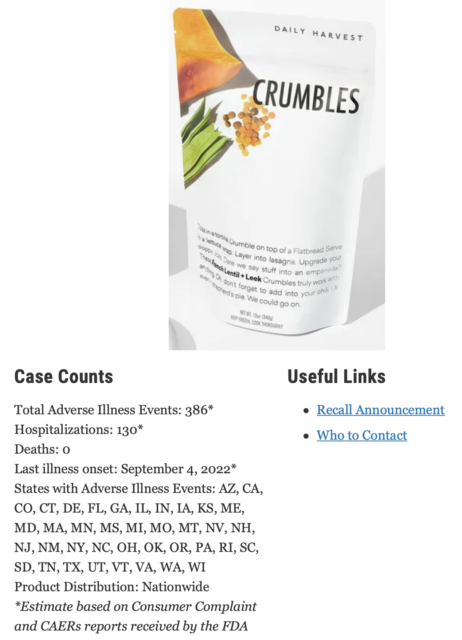
Case Counts

Total Adverse Illness Events: 393*

Hospitalizations: 133*

Deaths: 0

Last illness onset: September 4, 2022*

States with Adverse Illness Events: AZ, CA, CO, CT, DE, FL, GA, IL, IN, IA, KS, ME, MD, MA, MN, MS, MI, MO, MT, NV, NH, NJ, NM, NY, NC, OH, OK, OR, PA, RI, SC, SD, TN, TX, UT, VT, VA, WA, WI

Product Distribution: Nationwide*Estimate based on Consumer Complaint and CAERs reports received by the FDA

The FDA, along with CDC and state and local partners, investigated consumer complaints of gastrointestinal illness and liver, bile duct, and/or gallbladder illness that were linked to eating Daily Harvest French Lentil & Leek Crumbles frozen product.

On June 17, 2022, in response to consumer complaints submitted to the company, Daily Harvest voluntarily initiated a recall of their French Lentil & Leek Crumbles. In response to CFSAN Adverse Event Reporting System (CAERS) and Consumer Complaints submitted to the FDA, the FDA has initiated an investigation, including an inspection and sample collection in an effort to determine the cause of illnesses. As of October 21, 2022, the FDA has received 393 CAERS reports and Consumer Complaints related to this product.

Although the response to this incident is no longer being handled by FDA’s Coordinated Outbreak Response & Evaluation (CORE) Network, FDA’s research and investigation to evaluate which components of this product may have caused these illnesses is ongoing and more information will be provided as it becomes available.

Consumers should not eat, sell, or serve recalled products. Consumers who may still have the recalled product in their freezers should throw it away.

Product was sold through online sales and in two retail locations; the Daily Harvest store in Chicago, IL, and a “pop-up” store in Los Angeles, CA. French Lentil + Leek Crumbles is a frozen product packaged in a 12oz white pouch with the words “Daily Harvest” at the top, a large “CRUMBLES” immediately below the top and the words “French Lentil + Leek” in bold, as shown below. All lot codes of the French Lentil + Leek Crumbles are affected. At this time, no other Daily Harvest products are affected or part of this recall.

If you experience symptoms including yellowing of the skin and eyes (jaundice), dark urine, clay-colored stool, itching with no rash, gastrointestinal illness, nausea, fatigue, body aches, severe abdominal pain and/or fever after consuming this product, please consult with your healthcare provider. Let your healthcare provider know you have recently consumed the recalled Daily Harvest French Lentil & Leek Crumbles. Healthcare providers should report these illnesses to their health department.

By masking, socially distancing, getting vaccinated and boosted and avoiding travel, thus far I have avoided COVID. However, over the last months I have been ramping up travel again, but many Courts and Conferences have still accommodated virtual appearances.

Here are a few of the talks I will be giving in the coming weeks:

https://www.nationalgrocers.org/executive-conference/

October 25 – National Grocers Associations Executive Conference and Public Policy Summit – in person

https://www.foodsafetydubai.com

November 1 – 16th Annual Dubai Food Safety Conference – virtual

https://www.dairypc.org/dpc-conferences

November 2 – Dairy Practices Council

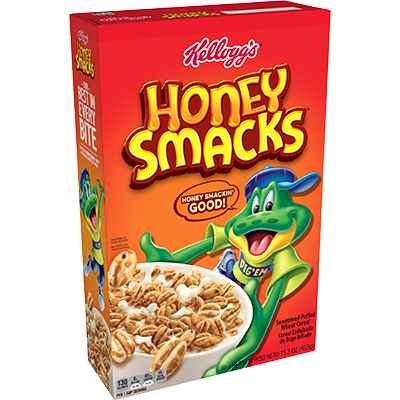
A former quality assurance director for food manufacturer Kerry Inc. pleaded guilty today to charges related to the manufacture of a breakfast cereal linked to a 2018 outbreak of salmonellosis, or Salmonella poisoning.

Ravi Kumar Chermala, 47, pleaded guilty to three misdemeanor counts of causing the introduction of adulterated food into interstate commerce. Chermala, Kerry’s Director of Quality Assurance until September 2018, oversaw the sanitation programs at various Kerry manufacturing plants, including a facility in Gridley, Illinois, that manufactured Kellogg’s Honey Smacks breakfast cereal for Kerry’s customer, the Kellogg Company. In pleading guilty, Chermala admitted that between June 2016 and June 2018, he directed subordinates to not report certain information to Kellogg’s about conditions at the Gridley facility. In addition, Chermala admitted that he directed subordinates at the Gridley facility to alter the plant’s program for monitoring for the presence of pathogens in the plant, limiting the facility’s ability to accurately detect insanitary conditions.

“Food safety professionals cannot conceal potentially dangerous problems from customers or government regulators,” said Principal Deputy Assistant Attorney General Brian M. Boynton, head of the Justice Department’s Civil Division. “The department will continue to work with its law enforcement partners to hold accountable those who engage in such conduct.” 

“Today’s announcement reinforces that if an individual violates food safety rules or conceals relevant information, we will seek to hold them accountable,” said Special Agent in Charge Lynda M. Burdelik, FDA Office of Criminal Investigations Chicago Field Office. “The health of American consumers and the safety of our food are too important to be thwarted by the criminal acts of any individual or company.”

In June 2018, the U.S. Food and Drug Administration (FDA) and the Centers for Disease Control and Prevention (CDC) announced that an ongoing outbreak of salmonellosis cases in the United States could be traced to Kellogg’s Honey Smacks cereal produced at Kerry’s Gridley facility. In response, Kellogg’s voluntarily recalled all Honey Smacks manufactured at the plant since June 2017. The CDC eventually identified more than 130 cases of salmonellosis linked to the outbreak, with illness onset dates beginning in March 2018. The CDC did not identify any deaths related to the outbreak.

Salmonellosis can cause symptoms such as diarrhea, fever, and abdominal cramps that last several days in healthy adults. Absent prompt treatment, salmonellosis can cause severe dehydration and even death in infants, young children, the elderly, transplant recipients, pregnant women, and individuals with weakened immune systems.

Chermala pleaded guilty before Magistrate Judge Jonathan E. Hawley in Peoria, Illinois. The sentencing date is scheduled for Jan. 30, 2023. Further information about the case will be posted to the department’s Information for Victims in Large Cases website at https://www.justice.gov/largecases.

The matter is being investigated by the FDA’s Office of Criminal Investigations. The case is being prosecuted by Trial Attorney Cody Matthew Herche and Senior Trial Attorney James T. Nelson of the Department of Justice, Civil Division’s Consumer Protection Branch.

For more information about the enforcement efforts of the Consumer Protection Branch visit the branch’s website at http://www.justice.gov/civil/consumer-protection-branch.

The folks at Food Safety News received this email, and I too was reminded how thankful I am for them – Thanks Dan, Coral, Joe, Joann, Cookson and all the other people that contibute.

I cannot tell you how much FSN means to this consumer. Those sentiments are echoed by my entire family. FSN is the greatest source of consumer health information I have found. As I am 74 yoa, I wish I had become acquainted with FSN long before now. My family “pours over” the wealth of information you provide in each email we receive. We do so for the safety of our family, and share the same with our friends. I know some have become subscribers, based on what we have shared with them. Sadly, our World is struggling through troublesome times. It has become increasingly difficult to predict what our future holds in store. From the standpoint of consumer health, and safety, FSN is a beacon of light that gives us some direction. For that, we are thankful.

The FDA has begun traceback and sample collection in an outbreak of E. coli O121:H19 linked to frozen falafel sold at Aldi stores in 36 states.

At least 20 people had been confirmed sick as of Oct. 7, according to the Food and Drug Administration. Sick people have been confirmed in Florida, Iowa, Kansas, Michigan, Ohio and Wisconsin. The most recent illness onset was Sept. 13.

Five of the patients have been so ill that they required admission to hospitals. The count of sick people is expected to increase because of the time it takes for testing, diagnosis, confirmation testing and notification of state and federal officials.

The manufacturer of the falafel, Cuisine Innovations, has initiated a recall of some of its products and ceased production of them. Recalled products are Earth Grown vegan traditional falafel and garlic & herb falafel distributed and sold exclusively by ALDI. Additional information on recalled products is available in the firm’s recall notice, posted by the FDA.

The FDA has not reported how the product became contaminated.

There is concern that consumers may still have unused product in their homes because of its long shelf life. The products’ shelf life when frozen is 18 months.

Other outbreak updates

  • For an outbreak ofE. coli O157:H7 in an unidentified product, the FDA investigation has closed with no further information released.
  • For a Salmonella Senftenberg outbreak from a not yet identified food, the patient count has increased from 33 to 34. Traceback has begun but FDA has not reported what is being traced.
  • A Salmonella Litchfield outbreak has sickened at least 28 patients. The source of the pathogen has not yet been identified. The FDA has initiated traceback efforts but has not reported what food or foods are being traced.
  • For the outbreak of Cyclospora cayetanensis in an unidentified product the patient count has increased from 42 to 43 cases. The FDA initiated traceback and testing efforts but has not reported what food is the subject of those efforts. The investigation remains open even though the outbreak is over.
  • For a Listeria monocytogenes outbreak from Brie and Camembert cheese an Outbreak Advisory was issued on Sept. 30. It reportied that six patients from six different states have been confirmed. Five have been hospitalized, according to the CDC.
  • An investigation related to adverse effects associated with Daily Harvest brand frozen Leeks & Lentils Crumbles is ongoing. The company has received more than 470 complaints of illnesses and as of its most recent report on Sept. 15 the FDA had received 386 complaints. Some of the patients have gone into liver failure and at least 25 have had to have their gallbladders removed. The FDA is working on traceback efforts and has begun on-site inspection and product testing. Some testing has revealed that tara flour is an ingredient unique to the Daily Harvest crumbles product and could be related to the illnesses.
  • The FDA is conducting an on-site inspection at Big Olaf Creamery in Florida, which has been deemed to be behind an 11-state outbreak of Listeria infections. The state of Florida closed the business several weeks ago after tests found multiple places of contamination with Listeria monocytogenes in the plant. Testing also showed Listeria in 16 of 17 flavors of the company’s ice cream. At last count, the outbreak had sickened 25 patients with one having died. A pregnant woman also miscarried. Twenty-four of the patients have required hospitalization.
  • An outbreak of infections from Cronobacter in at least four infants, two of whom died. The outbreak has been determined to be over by the CDC but is it still under investigation. The babies consumed infant formula made by Abbott Nutrition’s plant in Sturgis, MI.
Click on table to enlarge. Use link below to go to FDA page with links to specific outbreak information currently available.

Click here to go to the FDA page with links to specific outbreak details. The investigations are in a variety of stages. Some outbreaks have limited information with active investigations ongoing, others may be near completion.

public health advisory will be issued for investigations that have resulted in specific, actionable steps for consumers to take to protect themselves, according to the FDA. Please direct your attention to those pages for the most up-to-date information on the investigation and for consumer protection information.

Outbreak and adverse event investigations that do not result in specific, actionable steps for consumers may or may not conclusively identify a source or reveal any contributing factors. Adverse event investigations rely on self-reported data. Although these reports may name a particular product, FDA will only indicate a product category in the table and will not publicly name a specific product until there is sufficient evidence to implicate that product as a cause of illnesses or adverse events. If a cause and/or contributing factors are identified that could inform future prevention, FDA commits to providing a summary of those findings.

There is no dispute that Daily Harvest French Lentil + Leek Crumbles, with tara, caused a significant outbreak of acute liver failure according to both Daily Harvest and the FDA.

According to a statement from Daily Harvest from last July (no update since):

“Our extensive investigation has involved many experts analyzing data from all sources. We have only used this ingredient in French Lentil + Leek Crumbles and we are no longer sourcing from this producer who does not provide any ingredients for our 140+ other items,” Drori said. “This was the first and only time we’ve used tara flour, which has been available and used in the North American market as a plant-based source of protein prior to our use. Our investigation team will continue working with the FDA, the tara flour producer and others to help determine what specifically made people sick.”

Daily Harvest still believes that the issue is limited to the French Lentil + Leek Crumbles. “As we’ve continued our testing sequencing over the past four weeks and reviewed consumer reports and medical records — including analysis by medical toxicologists and food safety experts –, the data has repeatedly indicated that the issue is isolated to French Lentil + Leek Crumbles. Drori said.

The product was recalled on June 17. From April 28 to June 17, 2022, 28,000 units of the recalled product were distributed to consumers in the continental United States through online sales and direct delivery, as well as through retail sales at the Daily Harvest store in Chicago, IL, and a “pop-up” store in Los Angeles, CA. Samples were also provided to a small number of consumers.

That fits with the FDA findings (that also have not been updated for several months).

We do know that the French Lentil + Leek Crumbles, with Tara, did not hit the market until late April and were recalled in mid-June (there are cases post recall).  That fits exactly with the epidemiologic (Epi) curve developed my our on-staff epidemiologist after a sampling of illness onset dates of French Lentil + Leek Crumbles consumers.

We have provided to defendants, Daily Harvest, Stonegate, Smirk’s, and the FDA and the CDC, with all information about our client onset dates, symptoms and clinical lab results.  It is helpful to have over 350 clients to sample from.

We are also providing all product sample testing to Daily Harvest, Stonegate, Smirk’s, and the FDA and the CDC in real time. To date, our labs and the FDA labs have not determined what it the tara is causing the exact symptoms in those who consumed the product in the outbreak period.

We will get to the bottom of this.

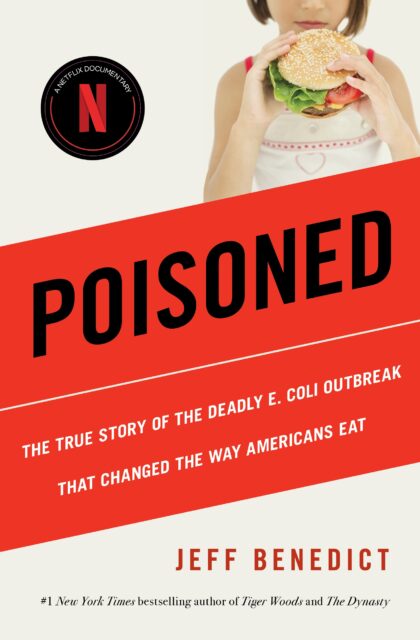
Sometime in the next few months Jeff Benedict’s new publisher is likely to release a new version of the Poisoned book that is now on its third printing (one hardback and two paperback versions). Here is the cover and the introduction for the past version and an added update.

October 15, 2022

Just over 20 years after Bill penned an Op-ed for the Denver Post in which he challenged the USDA/FSIS and the Beef Industry to “Put me out of Business,” E. coli cases linked to ground beef have nearly, but not completely, disappeared. As Bill tells it, “I could count on a significant E. coli outbreak and recall occurring like clockwork nearly every Spring or Summer. When 2003 came, there were no outbreaks, and other than the tragic uptick in 2007 that impacted Stephanie Smith, E. coli cases linked to ground beef are no longer a part of the work we do anymore.  The industry to its credit did its job and met my challenge.”

Since the 2018 E. coli outbreak linked to Romaine lettuce from Yuma, E. coliSalmonellaListeria, and hepatitis A outbreaks linked fresh fruits and vegetables now take up the bulk of Bill’s attention.  Romaine lettuce E. coli outbreaks have now replaced ground beef as the staple of the Marler Clark practice.

In 2019 Bill launched a petition to ban Salmonella from chicken like E. colis were banned from ground beef.  Thus far the USDA/FSIS has resisted, but it has banned Salmonella from certain chicken products.  As Bill says, “a win is a win, even if a small one.”

The COVID-19 Pandemic may have slowed Bill’s world-wide travel schedule, but it barely impacted reported foodborne outbreaks and the litigation that surrounds them.  Salmonella-tainted onions in 2020 and 2021 sickened thousands in the United States and Canada.  Salmonella-laced ground turkey sickened dozens, organic yogurt nearly caused the death of three children with E. coli-mediated HUS in 2021.  Hepatitis A outbreaks linked to ill workers in multiple restaurants (Bill has for decades urged the restaurant industry to offer hepatitis A vaccines to employees) in New Jersey and Virginia sickened nearly 100, causing five deaths and three liver transplants.  In 2022, a Salmonella outbreak hit peanut butter, again, a Listeria in ice cream raising its deadly head, and another E. coli outbreak linked to Wendy’s and lettuce.

2022 has also put social media and “influencers” from Instagram and TikTok on the same footing as CDC epidemiologists.  Public health officials seemed completely oblivious to hundreds of people suffering with acute liver failure after consuming an organic, vegan home-delivered food produced by a company backed by the power of Serena Williams and Gwyneth Paltrow.  Bill now represents 361 of the customers in a Federal Court lawsuit that stretches from New York City to the mountains of Peru.

The pandemic years has turned Bill into nearly a “virtual” lawyer.  Instead of crisscrossing the world to appear in Court or to give a speech on “why it is a bad idea to poison your customers,” Bill will login to his custom-built studio from his Bainbridge Island satellite office.  The pandemic has also ushered in other changes at Marler Clark, with three of the four founding partners retiring.  Bruce Clark, Denis Stearns and Andy Weisbecker have opted for a bit slower pace out of Bill’s wake.

Bill when asked when he might retire as well, quickly responds, “I still have much too do. I still love helping people and trying to do my part to make sure there are fewer Bri’s in the future than in the past or the present.”