E. coli outbreaks associated with lettuce, specifically the “pre-washed” and “ready-to-eat” varieties, are by no means a new phenomenon. In fact, the frequency with which this country’s fresh produce consuming public has been hit by outbreaks of pathogenic bacteria is astonishing. Here are just a sample of E. coli outbreaks based on information gathered by the Center for Science in the Public Interest, Kansas State University and the Centers for Disease Control and Prevention:

DateVehicleEtiologyConfirmed
Cases
States/Provinces
July 1995Lettuce (leafy green; red; romaine)E. coli O157:H7741:MT
Sept. 1995Lettuce (romaine)E. coli O157:H7201:ID
Sept. 1995Lettuce (iceberg)E. coli O157:H7301:ME
Oct. 1995Lettuce (iceberg; unconfirmed)E. coli O157:H7111:OH
May-June 1996Lettuce (mesclun; red leaf)E. coli O157:H7613:CT, IL, NY
May 1998SaladE. coli O157:H721:CA
Feb.-Mar. 1999Lettuce (iceberg)E. coli O157:H7721:NE
Oct. 1999SaladE. coli O157:H7923:OR, PA, OH
Oct. 2000LettuceE. coli O157:H761:IN
Nov. 2001LettuceE. coli O157:H7201:TX
July-Aug. 2002Lettuce (romaine)E. coli O157:H7292:WA, ID
Nov. 2002LettuceE. coli O157:H7131:Il
Dec. 2002LettuceE. coli O157:H731:MN
Oct. 2003-May 2004Lettuce (mixed salad)E. coli O157:H7571:CA
Apr. 2004SpinachE. coli O157:H7161:CA
Nov. 2004LettuceE. coli O157:H761:NJ
Sept. 2005Lettuce (romaine)E. coli O157:H7323:MN, WI, OR
Sept. 2006Spinach (baby)E. coli O157:H7 and other serotypes205Multistate and Canada
Nov./Dec. 2006LettuceE. coli O157:H7714:NY, NJ, PA, DE
Nov./Dec. 2006LettuceE. coli O157:H781 3:IA, MN, WI
July 2007LettuceE. coli O157:H7261:AL
May 2008RomaineE. coli O157:H791:WA
Oct. 2008LettuceE. coli O157:H759Multistate and Canada
Nov. 2008LettuceE. coli O157:H7130Canada
Sept. 2009Lettuce: Romaine or IcebergE. coli O157:H729Multistate
Sept. 2009LettuceE. coli O157:H710Multistate
April 2010RomaineE. coli O145335:MI, NY, OH, PA, TN
Oct. 2011RomaineE. coli O157:H760Multistate
April 2012RomaineE. coli O157:H7281:CACanada
June 2012RomaineE. coli O157:H752Multistate
Sept. 2012RomaineE. coli O157:H791:PA
Oct. 2012Spinach and Spring Mix BlendE. coli O157:H733Multistate
Apr. 2013Leafy GreensE. coli O157:H714Multistate
Aug. 2013Leafy GreensE. coli O157:H7151:PA
Oct. 2013Ready-To-Eat SaladsE. coli O157:H733Multistate
Apr. 2014RomaineE. coli O12641:MN
Apr. 2015Leafy GreensE. coli O14573:MD, SC, VA
June 2016Mesclun MixE. coli O157:H7113:IL, MI, WI
Nov. 2017Leafy GreensE. coli O157:H767Multistate and Canada
Mar. 2018RomaineE. coli O157:H7219Multistate and Canada
Oct. 2018RomaineE. coli O157:H762Multistate and Canada
Dec. 2019RomaineE. coli O157:H7167Multistate
Jan. 2020Salad KitsE. coli O157:H7 10 Multistate
Mar. 2021Leafy GreensE. coli O157:H715Multistate
Nov. 2021SpinachE. coli O157:H715Multistate
Dec. 2021Power GreensE. coli O157:H7104: WA, OR, OH, AK
Dec. 2022Leafy GreensE. coli O157:H7109Multistate

And, this does not count the leafy green outbreaks that are not linked to a particular product or that the FDA and CDC choose not to publicly report.

It seems quiet over at USDA/FSIS with only one active investigation of a Salmonella outbreak that has sickened 16.

Over at FDA, things are a bit more active with active outbreak investigations with 1 Listeria outbreak tied to ice cream that has sickened 2 and 1 hepatitis an outbreak linked to frozen strawberries that has impacted 10. There are 3 Cyclospora outbreaks that have not been linked to a product but has sickened, 55, 140 and 69. This is 1 E. coli outbreak that has sickened 13 and 1 Salmonella outbreak toll at 37.

Ten people in Washington, Oregon, California and Hawaii have contracted Hepatitis A linked to the consumption of frozen strawberries. Epidemiologic and traceback evidence indicate that frozen organic strawberries, imported fresh from certain farms located in Baja California, Mexico in 2022, are the source of this outbreak. The hepatitis A virus strain causing illnesses in this outbreak is genetically identical to the strain that caused a foodborne hepatitis A outbreak in 2022, which was linked to fresh organic strawberries imported from Baja California, Mexico, and sold at various retailers.

In response to this investigation, California Splendor, Inc. of San Diego, California voluntarily recalled certain lots of 4-lb. bags of Kirkland Signature Frozen Organic Whole Strawberries that were sold at Costco stores in Los Angeles, California; Hawaii; and two San Diego, California business centers. The lots subject to this recall include: 140962-08, 142222-23, 142792-54, 142862-57, 142912-59, 142162-20, 142202-21, 142782-53, 142852-56, 142902-58, 142212-22, 142232-24, 142842-55. In response to this investigation, Scenic Fruit Company of Gresham, Oregon voluntarily recalled frozen organic strawberries, sold to Costco, Trader Joe’s, Aldi, KeHE, Vital Choice Seafood, and PCC Community Markets in certain states. 

Other products subject to this recall include: 

California Splendor, Inc. Recall

Scenic Fruit Company Recall

Meijer Recall

Wawona Recall

Willamette Valley Fruit Co. Recall

Hepatitis A:  Marler Clark, The Food Safety Law Firm, is the nation’s leading law firm representing victims of Hepatitis A outbreaks. The Hepatitis A lawyers of Marler Clark have represented thousands of victims of Hepatitis A and other foodborne illness outbreaks and have recovered over $850 million for clients.  Marler Clark is the only law firm in the nation with a practice focused exclusively on foodborne illness litigation.  Our Hepatitis A lawyers have litigated Hepatitis A cases stemming from outbreaks traced to a variety of sources, such as green onions, lettuce and restaurant food.  The law firm has brought Hepatitis A lawsuits against such companies as Costco, Subway, McDonald’s, Red Robin, Chipotle, Quiznos and Carl’s Jr.  We proudly represented the family of Donald Rockwell, who died after consuming Hepatitis A tainted food and Richard Miller, who required a liver transplant after eating food at a Chi-Chi’s restaurant.

If you or a family member became ill with a Hepatitis A infection after consuming food and you’re interested in pursuing a legal claim, contact the Marler Clark Hepatitis A attorneys for a free case evaluation.

Additional Resources:

Real Kosher Ice Cream, of Brooklyn, NY, is recalling soft serve on the go ice cream and sorbet cups, because of potential Listeria monocytogenes contamination.

The recall is the result of an individual becoming ill and reporting to have eaten this product. Pennsylvania Department of Agriculture tested samples of product and one sample tested positive for Listeria monocytogenes.

Here is a sad result of another Listeria in ice cream case.

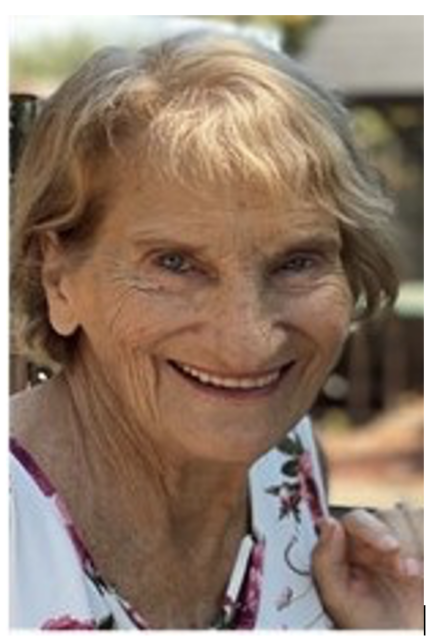
Mary Kay Billman

Mrs. Billman ate ice cream at the 3350 Bahia Vista in Sarasota, Florida location on January 2022, and died of a Listeria infection on January 29, 2022.  She left a husband, children and grandchildren.

Mrs. Billman fell ill on or around January 27, 2022, with symptoms consistent with Listeria. Mrs. Billman was admitted to Memorial Regional Hospital South on January 27, 2022, where a stool sample was collected that day and tested positive for Listeria serotype ST5.  Mrs. Billman ultimately passed away on January 29, 2022. Medical bills were $89,689.02.

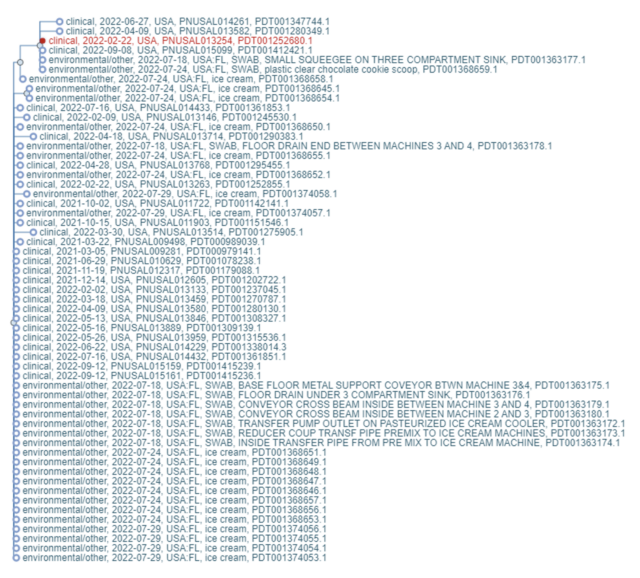
Further testing of this specimen at the Florida Department of Health confirmed that her Listeria had the allele code LMO1.1 – 43.2.2.85.126.1 and was associated with the “multistate cluster” given the CDC code 2110MLGX6-4. This was ultimately the Listeria outbreak associated with Big Olaf’s ice cream. Ice cream was also closely genetically matched to Mrs. Billman’s isolate.

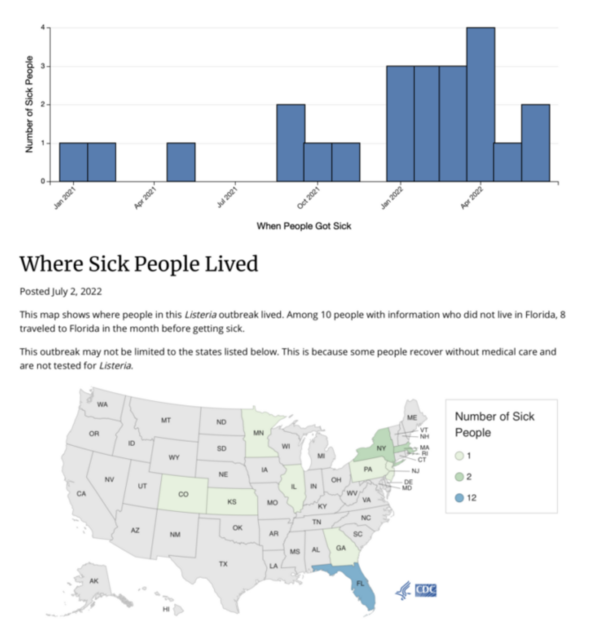
As of June 29, 2022, a total of 23 people infected with the outbreak strain of Listeria monocytogenes have been reported from 10 states. Of the 22 people with information, 20 sick people reported living in or traveling to Florida in the month before they got sick, although the significance of this is still under investigation. Illnesses started on dates ranging from January 24, 2021, through June 12, 2022.

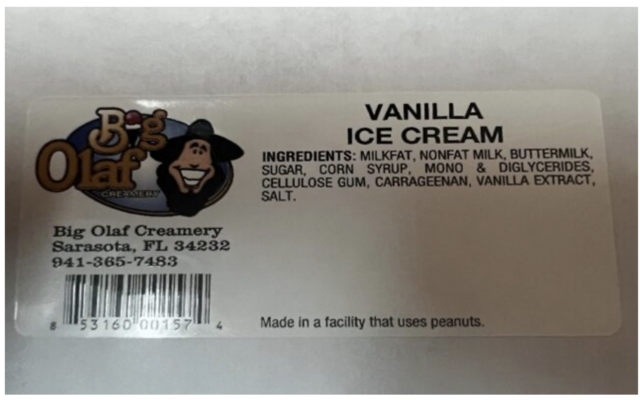
The Florida Department of Health, CDC, public health and regulatory officials in several other states, and the U.S. Food and Drug Administration (FDA) are collecting different types of data to investigate a multistate outbreak of Listeria monocytogenes infections. As a result of this investigation, Big Olaf Creamery in Sarasota, FL, is voluntarily contacting retail locations to recommend against selling their ice cream products. Consumers who have Big Olaf Creamery brand ice cream at home should throw away any remaining product.

Public health officials continue to interview people about the foods they ate in the month before they got sick. Of the 17 people interviewed, 14 (82%) reported eating ice cream. Among 13 people who remembered details about the type of ice cream they ate, six reported eating Big Olaf Creamery brand ice cream or eating ice cream at locations that might have been supplied by Big Olaf Creamery.

On July 1, 2022, Big Olaf Creamery in Sarasota, FL, voluntarily began contacting retail locations to recommend against selling their ice cream products. Consumers who have Big Olaf Creamery brand ice cream at home should throw away any remaining product.

Public health officials continue to interview people about the foods they ate in the month before they got sick. Of the 17 people interviewed, 14 (82%) reported eating ice cream. Among 13 people who remembered details about the type of ice cream they ate, six reported eating Big Olaf Creamery brand ice cream or eating ice cream at locations that might have been supplied by Big Olaf Creamery.

Listeria has been found on equipment in the ice cream processing facility and in 16 of 17 flavors. Big Olaf first refused to recognize that it was the cause of the outbreak and refused to stop production and stop ice cream sales. According to the Florida Department of Agriculture and Consumer Services (FDACS):

“The results from product sampling taken from the Big Olaf production facility last week by FDACS found that 16 of the 17 flavors tested were positive for Listeria monocytogenes (L. mono). This includes Blueberry Cheesecake, Butter Pecan, Cherry Cordial, Chocolate, Chocolate Chip, Coconut, Coconut Almond Joy, Cookie Dough, Cookies & Cream, Kahlua Krunch, Mint Chip, Pistachio, Plantation Praline, Superman, Vanilla, and White Chocolate Raspberry. With these results, FDACS is currently issuing formal stop sales on the 16 products where L. mono was found, which were previously part of a voluntary recall. Our department continues to work closely with our state and federal partners on this investigation and enforcement of the stop sale.”

Please find linked here the results for the product samples that represent the 16 positive flavors. The one outstanding environmental sample noted previously has also come back positive, bringing the total positive environmental samples to 10, and I’m linking here those results.

Over two months ago, while watching the premiere of the documentary, “Poisoned,” at the Tribeca Film Festival in NYC, I got thinking again about how little in the past 30 years I feel I have moved the needle on food safety – pathogens and certainly, human nutrition.  Now that “Poisoned” is up on the Netflix platform, it has become the most watched documentary in the world – at least for the last few days.

The real issues to me is how do we engage the food industry, policy makers, academics and most importantly consumers, to focus on driving the numbers down on the pathogens that kill us quickly and the products that kill us over time.

I will focus on pathogens as I have for the last 30 plus years. I will leave it to some very smart people who are rightly concerned about the millions of us who become sick and die due to inadequate nutrition – especially the millions of illnesses and deaths due to heart disease, diabetes and obesity caused by ultra-processed foods, salt, sugar, and fat.

There is so much to do, and the list is long. So, what would I do with a Food Safety Magic Wand on day one?

Vaccinate. The first thing I would do is mandate that all food service workers be vaccinated against hepatitis A.  Perhaps to some, not the most pressing food safety issue, but it is forefront of my mind.  In the past few months, I finished up litigation around a hepatitis A outbreak involving one ill food service work who infected nearly 50 people, hospitalizing most, killing four and causing two liver transplants.  With regret, I forced a family-owned restaurant chain to file for bankruptcy.  All of this could have been prevented by a safe vaccine that has been around for decades.  It is time for the restaurant industry and the CDC to step up.

Determinate. Do science-based testing of food products at retail and publish the finding on a regular basis.  It is time to shine some light on the safety of the products that we purchase at retail and make the whole chain of distribution – including retailers transparent and accountable. It is time to bring back a more robust version of the Microbiological Data Program (MDP).  For a time, the MDP tested fresh fruits and vegetable for human pathogens and when found the tests prompted outbreak investigations and recalls.  The industry embarrassed, had the program killed.

Investigate. Invest in public health surveillance over human pathogens, like, ListeriaE. coli and Salmonella, etc.  A dirty truth is that most culture-confirmed illnesses are never attributable to a food source, so people never know what sickened or killed them. Not because the source was not food, but because we fail to invest adequate resources in the epidemiologists that investigate illnesses and track those illnesses to the cause. Tracking illnesses to the cause gets tainted product off the market and helps us all understand what products and producers to avoid.  We need to continue to invest in the science of whole genome sequencing, so we know with certainty which pathogens are causing which illnesses. Foodborne illness epidemiology helps us understand the root cause of an outbreak and helps prevent the next one from happening at all.

Relegate. Allow public health officials access, especially during an outbreak investigation, to all areas around farms that grow fruits and vegetables.  It is long past time to allow investigators access to neighboring cattle, dairy, chicken, or hog operations that spill billions of deadly pathogens into the environment, via air or water.  We need to think of our growing regions as an integrated system and that all sectors responsible need to play a role.  Access allows investigators to understand the likely cause of an outbreak, and again, what can be done to prevent the next one.

Advocate. Make all pathogens that can sicken or kill us adulterants.  In 1994 Mike Taylor making E. coliO157:H7 and adulterant has saved countless lives and has saved the beef industry from my lawsuits. We can do the same for all food producers, especially chicken, turkey, and pork.  Remember, in the 1990’s nearly all the lawsuits I filed were E. coli cases linked to ground beef.  Today that is zero.  Think about it.

Educate. Give everyone a thermometer and provide better education to middle and high school teachers and students around food safety and human nutrition policy, not in a dry, technical way, but by sharing engaging history, microbiology, patient stories, and case studies. We need to teach how and why our food can be unsafe and what consumers can do about it.

Consolidate. Finally, make a single federal agency out of USDA/FSIS, FDA, and the food safety parts of CDC, NOAA, and EPA, to oversee food safety and human nutrition. Making food safety and human nutrition its own agency would help increase governmental accountability,  close regulatory loopholes, facilitate the collection and sharing of information and facilitate critical change.  I might have a suggestion for someone to run it.

With the CDC estimating 48,000,000 are sickened each year, 125,000 hospitalized, and 3,000 die from food, preventing pathogenic foodborne illness is no simple matter.  And, if you consider the millions that are impacted by the lack of adequate and safe nutrition, we have a lot to do.  However, it can be done, and the ideas above are a small start.

“Doing anything is better than doing nothing,” my Marine drill sergeant father used to say.  He used to require my brother and I to make our beds every morning and bounce quarters on them.  For the longest time I thought this was punishment.  But it was not punishment, it was accomplishment, that you could build on for the rest of the day.  Doing “little” things, like the six things above, are accomplishments. Doing them starts a process that will continue to make all our lives just a little bit safer.

“Lettuce” make it clear that lettuce from California and Arizona have been problematic over the last 20 years. We – Government, Industry and Consumers need to do more. Watch the trailer and was the full documentary streaming August 2.

Here is what Canada Health Officials just posted about importing (or not) lettuce from California. If poisoning US citizens doesn’t do the trick and change grower/processor behavior, perhaps the Canadians setting standards (that the US doesn’t even do) will make a difference. Here are the rules from our Northern brothers and sisters:

1. Introduction

Romaine lettuce imported from the United States (U.S.) have been associated with several outbreaks of foodborne E. coliO157:H7 illnesses in Canada and the U.S. Food safety investigations from U.S. authorities have identified a recurring geographical area as the source of the outbreaks. This area encompasses the California Salinas Valley counties of Santa Cruz, Santa Clara, San Benito, and Monterey.

To decrease the risk associated with E. coli O157:H7 in romaine lettuce, the Canadian Food Inspection Agency (CFIA) is implementing temporary Safe Food for Canadians (SFC) licence conditions for the importation of romaine lettuce originating from the U.S. Between September 28 and December 20, 2023, importers of romaine lettuce and/or salad mixes containing romaine lettuce from the U.S. must:

  • declare that the product does not originate from counties of Santa Cruz, Santa Clara, San Benito and Monterey in the Salinas Valley, California, U.S., or
  • submit an attestation form and Certificates of Analysis for each shipment to demonstrate that the romaine lettuce does not contain detectable levels of E. coli O157:H7

The complete details on the temporary SFC licence conditions and other existing import requirements are outlined in this document.

The temporary SFC licence conditions are in addition to other existing import requirements.

2. Requirements at time of import

If importers and the products they import comply with other Canadian legislation, the CFIA will allow the importation of romaine lettuce and/or salad mixes containing romaine lettuce from the U.S. if they comply with the temporary SFC licence conditions and other import requirements, as follows:

  • the importer provides a Proof of Origin indicating the state and county where the romaine lettuce was harvested if the romaine lettuce is from outside of the California counties of Santa Cruz, Santa Clara, San Benito and Monterey
  • romaine lettuce and/or salad mixes containing romaine lettuce from the California counties of Santa Clara, Santa Cruz, San Benito and Monterey is accompanied by an attestation (using form Importer’s Attestation for Romaine Lettuce Products from the Salinas Valley, California, United States (CFIA/ACIA 5961; 2023/06)) that sampling was conducted according to the temporary SFC licence conditions and by the Certificate of Analysis demonstrating that the product does not contain detectable levels of E. coli O157:H7
  • if a Proof of Origin of the romaine lettuce is not available, the attestation and Certificate of Analysis must be provided
  • romaine lettuce grown in California has been handled by a certified member of the California Leafy Greens Marketing Agreement (LGMA)
  • romaine lettuce grown in Arizona has been handled by a shipper that is a certified member of the Arizona LGMA

3. Temporary SFC licence conditions

Temporary licence conditions pursuant to section 20 (3) of the Safe Food for Canadians Act will be in effect for the period from September 28 to December 20, 2023.

During this period, the conditions for import will require importers of leafy greens to provide proof that romaine lettuce and/or salad mixes containing romaine lettuce do not originate from counties of Santa Cruz, Santa Clara, San Benito, and Monterey in the Salinas Valley of California, U.S.

Alternatively, importers who import romaine lettuce and/or salad mixes containing romaine lettuce from the counties of Santa Cruz, Santa Clara, San Benito, and Monterey in the Salinas Valley of California, U.S., or who import such products without a valid Proof of Origin, must conform with the following:

  1. the licence holder’s preventive control plan includes a written procedure describing how the sampling and testing requirement outlined below is implemented
  2. each shipment is accompanied by an attestation by the importer, in the form provided by the CFIA (CFIA/ACIA 5961), attesting that: they have an official Certificate of Analysis for each romaine-lettuce product in the shipment; sampling and testing was conducted according to the temporary SFC licence conditions (points d., e., and f. below); and E. coliO157:H7 was not detected
  3. each shipment is accompanied by the Certificates of Analysis issued for the romaine products in the shipment
  4. the imported product was sampled and tested for E. coli O157:H7 according to 1 of the 2 sampling options described below and the testing conditions outlined in points e. and f. below:

Option 1: Finished-product sampling

  1. sampling and testing is conducted after all post processing and handling steps are completed, but before the product is imported into Canada
  2. a sampling lot is 1 type of romaine-lettuce product and a size no larger than the equivalent of 1 truckload of product (no more than 20,400 kilograms/45,000 pounds)
  3. for each sampling lot, the minimum sampling and testing requirement is a total sample weight of 1,500 g consisting of 60 individual random sample units of 25 g each

Option 2: Pre-harvest sampling

  1. sampling of romaine lettuce in the field is conducted no more than 7 days before harvest
  2. a sampling lot is a 2 acre field or less of homogeneous romaine lettuce crop that has been exposed to homogeneous agricultural conditions
  3. for each sampling lot, the minimum sampling and testing requirement is a total sample weight of 1,500 g consisting of 60 individual random sample units (grab specimens) of 25 g each
  4. this sampling option can be used for romaine lettuce that will be field-packed at the time of harvest

This option is also acceptable for romaine lettuce destined for further processing before export (for example, chopped or mixed with other products) if the product is to be processed in separate batches, and a link can be established and documented between the Certificate of Analysis of the product sampled in the field and the finished product at the time of import

  1. testing with both screening and confirmation methodologies must be performed in a laboratory accredited by an accreditation body that is a signatory to the International Laboratory Accreditation Cooperation (ILAC) Mutual Recognition Agreement (MRA) as conforming to the requirements of ISO/IEC 17025:2017 for specific tests

The chosen method must be on the laboratory’s scope of accreditation

The “application” section of the method chosen must be appropriate for the intended purpose, including that it is intended for testing romaine lettuce, leafy greens, or fresh fruits and vegetables

  1. a presumptive positive result from a screening method is treated as a positive result for E. coli O157:H7 unless a confirmation test is performed on the original enrichment broth within 24 hours of the first test and produces a negative result (that is, not detected)

The confirmation test is a cultural method that is compatible with the screening method

4. Guidance on the temporary SFC licence conditions

a. Scope

The temporary SFC licence conditions apply to all U.S. import shipments of romaine lettuce and/or salad mixes containing romaine lettuce, sold in bags, in bulk, or combined with other food items, in a fresh state. It applies to all varieties of mature and baby romaine.

b. Proof of Origin

Shipments of romaine lettuce and/or salad mixes containing romaine lettuce from the U.S. but outside the California counties of Santa Clara, Santa Cruz, San Benito, and Monterey, must be accompanied by a declaration from the exporter on an official company letterhead which includes:

  • the signature of the exporter
  • the date the letter was signed by the exporter
  • the state and county where the romaine lettuce was harvested

c. Certificate of Analysis

A Certificate of Analysis issued by the laboratory that conducted the test must be provided for each romaine product in an import shipment, demonstrating that the test result for E. coli O157:H7 is negative. The Certificate of Analysis must identify:

  • the date of sample collection
  • the certificate number
  • the laboratory that analysed the sample
  • the client
  • a product description
  • the methodology
  • the sample weight and number of units
  • the test result
  • the test date

d. Sampling

The sampling level is based on International Commission on Microbiological Specifications for Foods (ICMSF) recommendations for E. coli O157:H7. The 2 sampling options are considered of similar value in achieving the required sampling level. The sample units must be collected aseptically and be representative of the lot being tested.

For option 2, additional guidance on how to take representative samples from a field is available on the California LGMAwebsite (see Appendix C).

Examples of appropriate sampling for option 1: Finished-product sampling

When to sample:

  • field packaged romaine hearts can be sampled after cooling and just before they are loaded into a transport truck destined for Canada
  • bulk romaine lettuce can be sampled just before it is loaded into a transport truck destined for Canada
  • mixed salad sold in bags can be sampled during the packaging process at the processing facility or before it is loaded into a transport truck destined for Canada

Sampling lots:

  • Example 1 – A shipment of 800 cartons of pre-packaged romaine hearts, 50 cartons of wrapped iceberg lettuce and 169 cartons of mixed bagged salad containing romaine lettuce:
    • this shipment should be considered 2 sampling lots

1 sampling lot is 800 cartons of pre-packaged romaine hearts

the other sampling lot is 169 cartons of mixed bagged salad containing romaine lettuce

  • when romaine-lettuce products in a shipment have different bar codes or Price Look-Up (PLU) codes, they should be treated as separate sampling lots
  • Example 2 – A shipment of bulk romaine lettuce with a weight of 14,000 kilograms

The shipment will be delivered to numerous clients in Canada after import to Canada:

  • this shipment should be considered 1 sampling lot
  • Example 3 – An importer purchases 1,500 cartons of pre-packaged romaine hearts weighing less than 20,400 kilograms

This product will be shipped to Canada in 4 shipments headed to various distribution centers in Canada:

  • this product can be considered 1 sampling lot
  • the importer’s preventive control plan must include a system for tracking all shipments that are associated with the Certificate of Analysis

All packages, cases or containers in the sampling lot must be equally represented in the sample. For example, a shipment of 800 cartons should have no more than 1 piece taken in a carton, and the 60 cartons sampled should be selected from various parts of the shipment. A shipment of 10 cartons should be sampled by collecting 6 pieces per carton. Product sampled during the packaging process should be sampled at the beginning, middle and end of the lot.

Examples of appropriate sampling for option 2: Pre-harvest sampling

When to sample:

  • sampling is conducted as close as possible to harvest day, but not more than 7 days before harvest
  • if the 7-day window is exceeded, the sampling lot can be re-sampled before harvest or the finished product can be sampled later according to option 1: Finished-product sampling

Sampling lots:

  • Example 1 – A 3-acre plot of romaine lettuce intended for packaged romaine hearts:
    • 2 sampling lots must be taken as the field size from which the romaine lettuce was harvested exceeds the maximum 2-acre sampling size
  • Example 2 – A shipment of bulk romaine lettuce with a weight of 14,000 kilograms
    • The bulk romaine is from 2 farms:
      • this shipment should originate from at least 2 pre-harvest sampling lots (at least 1 from each farm)
      • the number of sampling lots from each farm depends on field size from which romaine lettuce was harvested (maximum 2-acre sampling size)
  • Example 3 – A shipment of 169 cartons of mixed bagged salad containing romaine lettuce:
    • this shipment could originate from 1 pre-harvest sampling lot provided all of the romaine lettuce was harvested from 1 homogeneous field not exceeding 2 acres
    • the product must be processed in batches separate from other product with a clear break between production lots
    • a link must be established and documented between the Certificate of Analysis of the product sampled in the field and the finished product at the time of import
    • if the processing facility handles tested and untested products (or products not tested according to the temporary SFC licence conditions), the break between production lots requires a full sanitation of the production line
  • Example 4 – Pre-harvest sampling and testing is conducted on a sampling block that is subsequently harvested over multiple days:
    • the gap between the sampling date and the last harvest date must not exceed 7 days

5. Legislative authority

The licence conditions are based on the following legislative authority.

Section 20(3) of the Safe Food for Canadians Act states: “The Minister may make a registration or licence subject to any additional conditions that the Minister considers appropriate.”

The import requirements are based on the following legislative authority.

Section 8 of the Safe Food for Canadians Regulations and Section 4 of the Food and Drugs Act.

Section 8(1) of the Safe Food for Canadians Regulations states:

“Any food that is sent or conveyed from 1 province to another or that is imported or exported

  1. must not be contaminated
  2. must be edible
  3. must not consist in whole or in part of any filthy, putrid, disgusting, rotten, decomposed or diseased animal or vegetable substance; and
  4. must have been manufactured, prepared, stored, packaged and labelled under sanitary conditions”

Section 4 of the Food and Drugs Act states: “No person shall sell an article of food that:

  1. has in or on it any poisonous or harmful substance;
  2. is unfit for human consumption;
  3. consists in whole or in part of any filthy, putrid, disgusting, rotten, decomposed or diseased animal or vegetable substance;
  4. is adulterated; or
  5. was manufactured, prepared, preserved, packaged or stored under unsanitary conditions.”

Failure to comply with the temporary licence conditions and import requirements may result in enforcement action taken by the CFIA.

When you are sitting comfortable at home feeding your kids or going out to dinner, remember that there are a lot of people that have your back. I will be profiling them over the coming days as Poisoned begins streaming on Netflix. Darin has always been one of my heroes – even before he became a Netflix star.

Dr. Detwiler is a well-respected food safety academic, advisor, advocate, and author.  For nearly 30 years, he has played a unique role in controlling foodborne illness.  After losing his son, Riley, to E.coli in 1993, the Secretary of Agriculture invited Detwiler’s collaboration on consumer education.  He was twice appointed to the USDA’s National Advisory Board on Meat and Poultry Inspection, represented consumers as the Senior Policy Coordinator for STOP Foodborne Illness, served on Conference for Food Protection councils, and supported the FDA’s implementation of FSMA. 

Today, Detwiler is a Professor of food policy and corporate social responsibility at Northeastern University, where his students have gone on to leadership positions in industry and in state and federal agencies.  Detwiler’s research and insights have appeared on television and in print, including his column and articles in Quality Assurance and Food Safety Magazine and his books Food Safety: Past, Present, and Predictions and Building the Future of Food Safety Technology: Blockchain and Beyond.  In addition to his current role as the Chair of the National Environmental Health Association’s Food Safety Program, his leadership capacities include numerous advisory and editorial boards as well as having long consulted on food safety issues with industry in the U.S. and abroad. 

A U.S. Navy Nuclear Submarine Veteran, and a former high school teacher, Detwiler earned his doctorate in Law and Policy, focusing on states’ ability to implement federal food policies.  He is the recipient of the International Association for Food Protection’s 2022 Ewen C.D. Todd Control of Foodborne Illness Award as well as their 2018 Distinguished Service Award for dedicated and exceptional contributions to the reduction of risks of foodborne illness.

Key Media Links (Selected):

Acute hemolytic uremic syndrome (HUS).

Post-diarrheal hemolytic uremic syndrome (D+HUS) is a severe, life-threatening complication that occurs in about 10 percent of those infected with E. coli O157:H7 or other Shiga toxin-producing (Stx) E. coli (STEC).

The cascade of events leading to HUS begins with ingestion of Stx-producing E. coli (e.g., E. coli O157: H7) in contaminated food, beverages, animal to person, or person-to-person transmission. The bacteria rapidly multiply in the gut, causing inflammation and diarrhea (colitis) as they tightly bind to cells that line the large intestine. This snug attachment becomes a route for the toxin to travel from the gut into the bloodstream, where it attaches to weak receptors on white blood cells (WBCs). From there, WBCs carry the toxin to the kidneys and other organs. 

To induce toxicity in target cells, Shiga toxins must first bind to specific receptors on their surface (Gb3 receptors). Organ injury is primarily a function of Gb3 receptor location and density. They are found on epithelial, endothelial, mesangial, and glomerular cells of the kidney, as well as microvascular endothelial cells of the brain and intestine. Because this attachment causes these organs to be susceptible to the toxicity of Shiga toxins, this distribution explains the involvement of the gut, kidney, and brain in STEC-associated hemolytic uremic syndrome (HUS).[1]

Within the target organ, Shiga toxins disrupt the cellular machinery, resulting in cell injury and/or death. Within the intestine, infectious bacterial lesions cause derangements in the intestinal lining, disrupting the structure of the villi, affecting absorption in the gut, and eventually leading to watery diarrhea. Damage to the intestinal endothelium also causes mucosal/submucosal edema and, hemorrhage, introducing blood into the diarrhea.

Within the circulatory system, Shiga toxins are directly involved in platelet activation and aggregation (clot formation). The thrombotic microangiopathy that characterizes hemolytic uremic syndrome (HUS) occurs when platelet microthrombi (tiny clots) form in the walls of small blood vessels (arterioles and capillaries) causing platelet consumption. This pathologic reduction in platelets is called thrombocytopenia and is one of the hallmarks of HUS.[2]Within the microvasculature of the kidney these clots disturb blood flow to the organ, causing acute kidney injury and kidney failure.

How hemolytic uremic syndrome (HUS) causes permanent kidney damage.

The kidney is the main target organ in STEC-mediated HUS. The nephron is the functional unit of the kidney. Each kidney contains approximately 1.2 million nephrons. At the heart of each nephron is a microscopic bundle of blood vessels called the glomerulus. The glomerulus represents the initial location of the renal filtration of blood.[3] Blood enters the glomerulus through the afferent arteriole at the vascular pole, undergoes filtration in the glomerular capillaries, and exits the glomerulus through the efferent arteriole at the vascular pole.

Bowman’s capsule surrounds the glomerular capillary loops and participates in the filtration of blood from the glomerular capillaries. Bowman’s capsule also has a structural function and creates a urinary space through which filtrate can enter the nephron and pass to the proximal convoluted tubule. Liquid and solutes of the blood must pass through multiple layers to move from the glomerular capillaries into Bowman’s space to ultimately become filtrate within the nephron’s lumen. This ends the first stage in the production of urine.

In the rare event that the results of renal biopsies are known, microthrombi have been identified in the glomerular capillaries, resulting in extensive endothelial damage and, frequently, death of the nephron.[4] Severe cases develop acute cortical necrosis affecting most cells in the renal cortex. Damage to tubular cells results in electrolyte disturbances, acidosis and decreased urine production. 

As seen in other kidney diseases, in STEC-HUS patients the progression to CKD is the consequence of renal mass reduction due to the loss of nephrons during the acute stage. Hyperfiltration,[5] or abnormally elevated glomerular filtration rate (GFR), followed by significant and persistent albuminuria is the first marker of glomerular hypertension; however, it could appear several years later, especially in patients who have had a mild disease not requiring dialysis.[6]This is analogous to running a car 24 hours a day—it would be taxing on the vehicle, wearing it out faster. In the kidneys, it can lead to early nephron cell death.

Loss of the filtration units of the kidney—the nephrons—is permanent. Once a filter is gone, it is gone forever. When a lot of filters are gone, the remaining ones work harder because there are fewer of them. If enough filters are lost, the remaining filters experience “hyperfiltration,” which leads to enlargement, and over time, scarring, which in turn leads to the loss of more filters. 

Studies have shown a correlation between an increased number of days of anuria (lack of urination) or oliguria (decreased urination) and worse prognosis.[7] Patients who have been anuric/oliguric and required dialysis are at the highest risk for late complications; however, even those who were not dialyzed are not spared. Research has consistently shown that these patients commonly progress to chronic kidney disease within 5 years.

Acute Kidney Injury (AKI) is the term that has recently replaced the term ARF. AKI is defined as an abrupt (within hours) decrease in kidney function, which encompasses both injury (structural damage) and impairment (loss of function).[8] There are usually no symptoms until kidney function is at least moderately to severely impaired. When present, signs and symptoms of serious kidney injury reflect reduced filter function leading to buildup of toxic wastes, and may include high blood pressure, protein in the urine, swelling of the lower extremities, loss of appetite, nausea/vomiting, sleepiness, confusion, and difficulty thinking. It is easy to get a rough estimate of kidney filter function by looking at the level of waste products, especially creatinine in the blood over time. There are also formulas to estimate filter function using the creatinine value. The key is whether filter function changes over time. Since one of the primary functions of the kidneys is to regulate blood pressure, the development of hypertension after HUS also signals serious kidney injury and is considered a bad prognostic sign. So too is proteinuria—the passage of protein molecules in the urine—which is a sign that the glomeruli have been damaged, and the remaining filters are hyperfiltrating—i.e., they are being overworked due to the loss of filtering capacity related to nephron loss.

If enough filters are lost either due to injuries suffered during the acute HUS illness, or later in life due to the process of hyperfiltration, a patient will reach end stage renal disease (“ESRD”). ESRD, truly a worst-case scenario for someone who has survived the acute HUS illness, is a very painful process that can take decades to play out. The demands on the kidneys increase through puberty and, for women, especially during pregnancy, adding another variable to issues of future renal health for girls who have suffered severe HUS.

Long-term consequences of hemolytic uremic syndrome (HUS).

Multiple studies have demonstrated that children with HUS who have apparently recovered will develop hypertension, urinary abnormalities and/or renal insufficiency during long-term follow-up. One of the best predictors is the duration of anuria and/or oliguria.

Milford, et al, (J Pediatrics, 1991) studied the importance of proteinuria at one year following the acute episode of HUS in 40 children. They found that a poor prognosis defined as hypertension, decreased renal function or end stage renal disease was strongly associated with proteinuria at the one year follow up.

Perlstein et al, (Arch Dis Child, 1991) reported results of oral protein loading in 17 children with a history of HUS; they demonstrated that functional renal reserve was reduced in children with a history of HUS who had normal renal function and normal blood pressure as compared to normal children. This study suggests that functional renal reserve in children with HUS is reduced although renal function and blood pressure are normal. The authors point out that the long-term significance of this finding is unknown and needs to be determined but the study suggests that functional renal reserve may be reduced despite normal recovery and that children with HUS need long term follow-up.

In the article by Gagnadouz, et al, (Clinical Nephrology, 1996) 29 children were evaluated 15-25 years after the acute phase of HUS. Only 10 of the 29 children were normal, 12 had hypertension, 3 had chronic renal failure and 4 had end stage renal disease (65.5%). Severe sequelae occurred in children with oligo/anuria for more than or equal to 7 days.

Other studies (Caletti, et al, Pediatric Nephrology, 1996) have demonstrated that histological finding of focal and segmental sclerosis and hyalinosis are observed several years following HUS. In that article, only 25% of the children had normal renal function during long-term follow-up.

Similarly, Moghal, et al. (Journal of Pediatrics, 1998) performed kidney biopsies in children with persistent proteinuria three to seven years following the acute episode of HUS. Global glomerulosclerosis was noted in six of the seven patients and two had segmental sclerosis as well. In addition, tubular atrophy and interstitial fibrosis was seen in all but one. Finally, the glomeruli in the children with HUS were significantly larger than those in normal children. These are finding that are typically found in individual with reduced nephron number and are consistent with changes of hyperperfusion and hyperfiltration is surviving nephrons. Hyperfiltration is a process that frequently leads to progressive renal damage and the development of end stage renal failure.

In 1997 Spizzirri, et al, (Pediatr Nephrol, 1997), reported that 69.2% of children with 11 or more days of anuria and 38.4% of children with 1-10 days of anuria had chronic sequelae. In addition, of patients with proteinuria at the 1-year follow-up, 86% had renal abnormalities at the end of the follow-up. The authors suggested that children with residual proteinuria with or without hypertension would probably develop progressive chronic renal failure.

In 2002, Blahova, et al, reported that long term follow up of 18 children who had HUS 10 or more years previously, only 6 children were normal while the other 12 children had either residual renal symptoms, chronic renal insufficiency, or renal failure (66.6%). Many of the children with residual renal symptoms or chronic renal insufficiency/renal failure had appeared to have recovered normally at earlier checkups.

 Lou-Meda, et al, reported that 14 patients with microabluminuria and no overt proteinuria at 6 to 18 months after the acute phase of HUS, on long term follow up three had a decreased glomerular filtration (GFR), one had overt proteinuria, and four had hypertension. Eight of the 14 patients had at least one sequelae for an incidence of 57.1%. Six children had overt proteinuria and at the most recent follow up, two had hypertension, four and a low renal function and two had continued proteinuria; four (66.6%) had at least one renal sequale.

Recently, Oakes, et al, determined the risk of later complications in children who had HUS several years earlier; they found that the incidence of late complications increased markedly in those with more than 5 days of anuria or 10 days of oliguria. Among children with greater than 10 days of oliguria 63.3% had a low glomerular filtration rate, 33.3% had hypertension and 88.7% had at least one long term complication.

In the manuscript by Vaterrodt, et.al, the investigators noted that in a retrospective single center study, clinical and laboratory data of the acute phase and 1-10 year follow up visits were  analyzed.   The authors conclude that although renal outcomes has improved over the investigated decades, patients with HUS still had a high risk of permanent renal damage and that these findings underline the importance of a consequent long-term follow-up in HUS patients.  

In summary, many children who have recovered normal renal function following the acute episode of HUS have a high risk for the development of late complications from their acute episode of HUS. The risk is substantially lower in children who did not require dialysis and in children who were not oliguria or anuric while the risk is the highest in children who had oligo/anuria for more than 7 days. In one study, all children with oligo/anuria for 14 days had residual renal disease (100%).

As previously mentioned some children who did not require dialysis had late complication of HUS.  One third of the children in the study by Alconcher, et. al. (Pediat Neph, 2023 evolved into CKD after a median of 5 years.  In addition CKD appeared in some patients 15 years after the acute episode.   In addition, these investigators reinforced that all non-dialyzed should be followed into adulthood.  

It is important to note that the risks of long-term (more than 20 years) complications are unknown and are likely to be higher than risks at 10 years as many of the above studies describe.

Long-term side effects of hemolytic uremic syndrome (HUS).

Adolescents and young adults with chronic kidney disease face several complications from their chronic kidney disease (Andreoli SP, Acute and Chronic Renal Failure in Children, 2009) including alterations in calcium and phosphate balance and renal osteodystrophy (softening of the bones, weak bones and bone pain), anemia (low blood count and lack of energy), hypertension (high blood pressure) as well as other complications.

Renal osteodystrophy (softening of the bones) is an important complication of chronic renal failure. Bone disease is nearly universal in patients with chronic renal failure; in some patients’ symptoms are minor to absent while others may develop bone pain, skeletal deformities and slipped epiphyses (abnormal shaped bones and abnormal hip bones) and have a propensity for fractures with minor trauma. Treatment of the bone disease associated with chronic renal failure includes control of serum phosphorus and calcium levels with restriction of phosphorus in the diet, supplementation of calcium, the need to take phosphorus binders and the need to take medications for bone disease.

Anemia (low blood cell count that leads to a lack of energy) is a very common complication of chronic renal failure. The kidneys make a hormone that tells the bone marrow to make red blood cells and this hormone is not produced in sufficient amounts in children with chronic renal failure. Thus, children with chronic renal failure gradually become anemic while their chronic renal failure is slowly progressing. The anemia of chronic renal failure is treated with human recombinant erythropoietin (a shot given under the skin one to three times a week or once every few weeks with a longer acting human recombinant erythropoietin).

Renal replacement therapy can be in the form of dialysis (peritoneal dialysis or hemodialysis) or renal transplantation. The average waiting time for a deceased donor kidney for children aged 0-17 years is approximately 275-300 days while the average waiting time for patient’s aged 18-44 years is approximately 700 days (United States Renal Data Systems, Table 7.8, 2005).

Following transplantation, a patient will need to take immunosuppressive medications for the remainder of his/her life to prevent rejection of the transplanted kidney. Medications used to prevent rejection have considerable side effects. Corticosteroids are commonly used following transplantation. The side effects of corticosteroids are Cushingnoid features (fat deposition around the cheeks and abdomen and back), weight gain, emotional liability, cataracts, decreased growth, osteomalacia and osteonecrosis (softening of the bones and bone pain), hypertension, acne and difficulty in controlling glucose levels.

Cyclosporine and/or tacrolimus are also commonly used as immunosuppressive medications following transplantation. Side effects of these drugs include hirsutism (increased hair growth), gum hypertrophy, interstitial fibrosis in the kidney (damage to the kidney), as well as other complications. Meclophenalate is also commonly used after transplantation (sometimes imuran is used); each of these drugs can cause a low white blood cell count and increased susceptibility to infection. Many other immunosuppressive medications and other medications (anti-hypertensive agents, anti-acids, etc.) are prescribed in the postoperative period.

Lifelong immunosuppression as used in patients with kidney transplants is associated with several complications including an increased susceptibility to infection, accelerated atherosclerosis (hardening of the arteries) and increased incidence of malignancy (cancer) and chronic rejection of the kidney.

A patient may need more than one kidney transplant during his/her life. United States Renal Data Systems (USRDS) report that the half-life (time at which 50% of the kidneys are still functioning and 50% have stopped functioning) is 10.5 years for a deceased transplant in children aged 0-17 years and 15.5 years for a living related transplant in children 0-17 years. Similar data for a transplant at age 18 to 44 years is 10.1 years and 16.0 years for a deceased donor and a living related donor, respectively. Thus, depending upon age when the patient receives his/her first transplant he/she may need 1-2 transplants. The life expectancy of a person with a kidney transplant is significantly less than the general population and the life expectancy of person on dialysis a markedly less than the general population.

If a child needs a second kidney transplant after loss of his/her first transplant, he/she will need dialysis until a subsequent transplant can be performed. He/She can be on peritoneal dialysis or on hemodialysis. Peritoneal dialysis has been a major modality of therapy for chronic renal failure for several years. Continuous Ambulatory Peritoneal Dialysis (CAPD) and automated peritoneal dialysis also called Continuous Cycling Peritoneal Dialysis (CCPD) are the most common form of dialysis therapy used in children with chronic renal failure. In this form of dialysis, a catheter is placed in the peritoneal cavity (area around the stomach); dialysate (fluid to clean the blood) is placed into the abdomen and changed 4 to 6 times a day. Parents and adolescents can perform CAPD/CCPD at home. Peritonitis (infection of the fluid) is major complication of peritoneal dialysis.

E. coli O157:H7 and other shiga-toxin producing E. coli are very dangerous bacteria – especially to children. The acute phase – even for those who do not progress to hemolytic uremic syndrome (HUS) – can be a painful and frightening experience. For those who progress to HUS, the risk of death is real. HUS has a mortality rate of 1-3%. And, even if the child survives, it may well be left with chronic health problems for the remainder of his/her life.

Additional Resources


[1]           Chan, Y.S., Ng, T.B. Shiga toxins: From structure and mechanism to applications. (2016). Appl Microbiol Biotechnol 100, 1597–1610. https://doi.org/10.1007/s00253-015-7236-3

[2]           HUS is thrombotic microangiopathy characterized by the presence of a triad of symptoms: thrombocytopenia, acute renal impairment, and microangiopathic hemolytic anemia. Bhandari, J., & Sedhai, Y. R. Hemolytic uremic syndrome (HUS). (2020). State University of New York. https://www.researchgate.net/publication/341925697

[3]           Falkson SR, Bordoni B. Anatomy, Abdomen and Pelvis, Bowman Capsule. In: StatPearls. StatPearls Publishing, Treasure Island (FL); 2022. PMID: 32119361. https://europepmc.org/article/NBK/nbk554474

[4]           Renal biopsies are not routinely carried out as HUS diagnoses are usually clinically derived and patients are usually thrombocytopenic. Obrig, T. G., & Karpman, D. (2012). Shiga toxin pathogenesis: kidney complications and renal failure. Ricin and Shiga Toxins: Pathogenesis, Immunity, Vaccines and Therapeutics, 105-136. https://www.ncbi.nlm.nih.gov/pmc/articles/PMC3779650/

[5]           Helal, I., Fick-Brosnahan, G. M., Reed-Gitomer, B., & Schrier, R. W. (2012). Glomerular hyperfiltration: definitions, mechanisms and clinical implications. Nature Reviews Nephrology8(5), 293-300.

[6]           Alconcher, L. F., Lucarelli, L. I., & Bronfen, S. (2023). Long-term kidney outcomes in non-dialyzed children with Shiga-toxin Escherichia coli associated hemolytic uremic syndrome. Pediatric Nephrology38(7), 2131-2136. https://link.springer.com/article/10.1007/s00467-022-05851-4

[7]           Pundzienė, B., Dobilienė, D., Čerkauskienė, R., Mitkienė, R., Medzevičienė, A., Darškuvienė, E., Jankauskienė, A. (2015). Long-term follow-up of children with typical hemolytic uremic syndrome. (2015). Medicina 51(3)146-151. https://doi.org/10.1016/j.medici.2015.06.004

[8]           Makris, K., & Spanou, L. (2016). Acute Kidney Injury: Definition, Pathophysiology and Clinical Phenotypes. The Clinical biochemist. Reviews37(2), 85–98.

When you are sitting comfortable at home feeding your kids or going out to dinner, remember that there are a lot of people that have your back. I will be profiling them over the coming days as Poisoned begins streaming on Netflix. One of my favorite parts of the movie is Rosa’s call for consumers to get off the sidelines and to put pressure on their government to fix this mess.

Rosa DeLauro is the Congresswoman from Connecticut’s Third Congressional District, which stretches from the Long Island Sound and New Haven, to the Naugatuck Valley and Waterbury. Rosa serves as Ranking Member of the House Appropriations Committee and sits on the Democratic Steering and Policy Committee, and she is the Ranking Member of the Labor, Health and Human Services, and Education Appropriations Subcommittee, where she oversees our nation’s investments in education, health, and employment. 

At the core of Rosa’s work is her fight for America’s working families. Rosa believes that we must raise the nation’s minimum wage, give all employees access to paid sick days, allow employees to take paid family and medical leave, and ensure equal pay for equal work. Every day, Rosa fights for legislation that would give all working families an opportunity to succeed.

Rosa believes that our first priority must be to strengthen the economy and create good middle class jobs. She supports tax cuts for working and middle class families, fought to expand the Child Tax Credit to provide tax relief to millions of families, and introduced the Young Child Tax Credit to give families with young children an economic lift.

Rosa has also fought to stop trade agreements that lower wages and ships jobs overseas, while also protecting the rights of employees and unions. She believes that we need to grow our economy by making smart innovative investments in our infrastructure, which is why she introduced legislation to create a National Infrastructure bank.

Rosa is a leader in fighting to improve and expand federal support for child nutrition and for modernizing our food safety system. She believes that the U.S. should have one agency assigned the responsibility for food safety, rather than the 15 different agencies that lay claim to different parts of our food system. Rosa fights against special interests, like tobacco and e-cigarettes, which seek to skirt our public health and safety rules.

Here are just a few of her accomplishments in food safety:

DeLauro Introduces Bill to Strengthen Food Safety Oversight of Corporate, Confined Animal Feeding Operations – Press Release 2023

DeLauro Statement on One Year Anniversary of Abbott Infant Formula Recall – Press Release 2023       

Single Food Safety Agency – Press Release in 2019

Our Food Safety System is Not Working – Press Release 2011

Congressional Food Safety Advocates Urge Farm Bill Conferees Not To Impede Food Safety – Press Release 2013

When you are sitting comfortable at home feeding your kids or going out to dinner, remember that there are a lot of people that have your back. I will be profiling them over the coming days as Poisoned begins streaming on Netflix.

Sarah Sorscher – Director of Regulatory Affairs, Center for Science in the Public Interest

Bio of Sarah:  Sarah Sorscher is an experienced advocate with a passion for public health who fights for a safer, healthier, more transparent food system by promoting consumer safeguards with Congress, federal agencies, and state and local governments. As Director of Regulatory Affairs, she manages CSPI’s policy work related to food safety and labeling, allergens, food additives, dietary supplements, and other consumer products. Her work includes serving on federal advisory committees, testifying before Congress and federal agencies, offering technical advice to policymakers, and providing commentary to the media on consumer and food safety issues.

What’s the most inspiring part of your job?   “I am inspired by seeing food policy at work in my own life, from reading food labels in the grocery store to the safety of the meals I eat with my family. But of course, the best part of my job is the food puns. Lettuce rejoice in our work!”

DeLauro Introduces Bill to Strengthen Food Safety Oversight of Corporate, Confined Animal Feeding Operations – Press Release 2023, Sarah quoted

Letter from USDA in response to Salmonella petition – February 2021 

The Government Shutdown is Affecting Food Safety Inspections – Velshi & Ruhl MSNBC interview with Sarah 2019

Comment on Proposed Performance Standards for Salmonella in Pork – Letter to USDA from Sarah Sorscher and James Kincheloe 2022

USDA urged to better protect consumers from Salmonella, Campylobacter in poultry – Sarah Sorscher is quoted 

““We have seen little progress in actually reducing the number of people getting sick from Salmonella or Campylobacter,” said CSPI deputy director of regulatory affairs Sarah Sorscher. “A big reason for that is the USDA has yet to take full advantage of the best current technology and science to control foodborne disease from farm to fork.” 

Proposed Regulatory Framework to Reduce Salmonella Illnesses Attributable to Poultry – Article the outlines FSIS consideration to take steps to minimize Salmonella in our Food ( 1. Require incoming flocks be tested for Salmonella 2. Enhance establishment process control monitoring and FSIS verification 3. Implementing an enforceable final product standard.)