

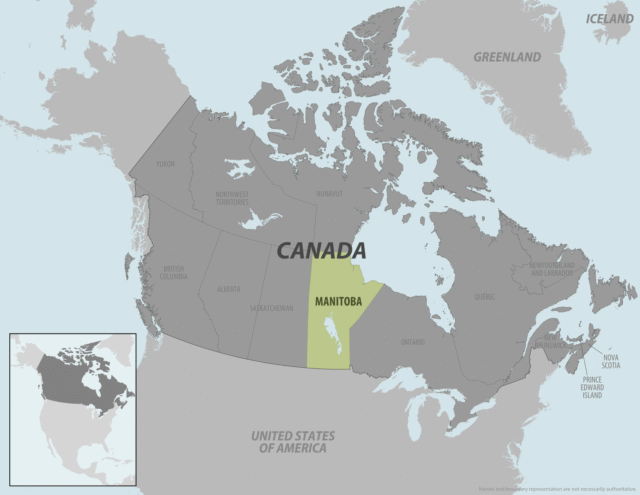
We are used to seeing CDC travel notices for hepatitis A attached to destinations with limited sanitation infrastructure. We are not used to seeing one attached to Canada. Yet on June 4, 2026, that is exactly what the CDC did — issuing a Level 1 “Practice Usual Precautions” travel notice for Manitoba over an outbreak that, frankly, should never have grown to this size.
As of the province’s June 21 update, Manitoba has recorded 826 cases of hepatitis A, 183 hospitalizations, eight ICU admissions, and seven deaths since the fall of 2024. The outbreak was formally declared in April 2025.
Seven people are dead from a vaccine-preventable liver infection, in a wealthy country, next door to us.
The outbreak began in remote northern First Nations communities — Garden Hill, St. Theresa Point, Wasagamack, and Red Sucker Lake in the Island Lake area — where inadequate infrastructure for clean water and sewage has fueled person-to-person transmission. Over the past year it has walked itself south into Winnipeg, where cases have concentrated among people experiencing homelessness and those connected to affected communities.
I want to be fair about the epidemiology here: this is primarily a person-to-person outbreak driven by sanitation gaps, not a single contaminated food product. But look at where Winnipeg public health had to post exposure notices:
Burger King, 333 Home St. — exposure window April 8 to April 23
Augustine United Church, 444 River Ave. — April 19
There it is. The moment hepatitis A is circulating in a community; it finds its way to the places where people gather and eat. And a restaurant exposure notice means one thing: somewhere in that chain, an infectious person and food came into contact.
Hepatitis A is one of the only foodborne pathogens I litigate that we have a safe, cheap, extraordinarily effective vaccine for. Two doses. Roughly 95 to 100 percent protection. Lifelong immunity. And critically — because hepatitis A has a long incubation period — the vaccine works even after exposure if given within about two weeks. Manitoba’s own public health officials have been saying exactly that as they scramble to expand eligibility.
So here is my question, the one I have asked after Chi-Chi’s in 2003, after every restaurant hepatitis A scare since: Why are we not vaccinating the people who handle the public’s food?
We require food workers to wash their hands. We post the signs. But handwashing fails constantly — people are rushed, sinks are inconvenient, and hepatitis A is shed before symptoms even appear, so an infected worker doesn’t know to stay home. A vaccinated food handler cannot become the source of a restaurant outbreak. It is the single most reliable intervention we have, and we treat it as optional.
I have said for years that I would happily put myself out of business. This is one of the ways we could actually do it. A national requirement — or even just a widespread industry norm — of hepatitis A vaccination for food service workers would prevent the restaurant exposure notices, the “if you ate here on these dates, watch for jaundice” press releases, and the lawsuits that follow. It would also protect the workers themselves, who are often uninsured and least able to absorb weeks of missed work and a hospital stay.
Give the province credit: it has responded by repeatedly expanding free vaccine eligibility — First Nations community members and anyone traveling to or working in those communities, people experiencing homelessness, and the staff and volunteers of organizations that serve them. Post-exposure vaccination is being offered to close contacts. That is the correct playbook, and it is working to slow spread. But it is a reactive playbook, community by community, always a step behind the virus.
If you are traveling to Manitoba this summer — for the festivals, the fishing, the Indigenous Summer Games, or just passing through Winnipeg — check your hepatitis A vaccination status before you go. If you’ve had the two-dose series, you’re protected for life. If you haven’t, this is the reminder to get it.
And if you own, manage, or work in food service anywhere: don’t wait for an outbreak in your own community to think about this. Hepatitis A is vaccine-preventable. Your workers are worth protecting, and so is every customer who trusts you with their dinner.
Seven deaths. In Canada. From a disease we’ve had a vaccine for since the 1990s. We can do better than this — and it starts with a shot.