

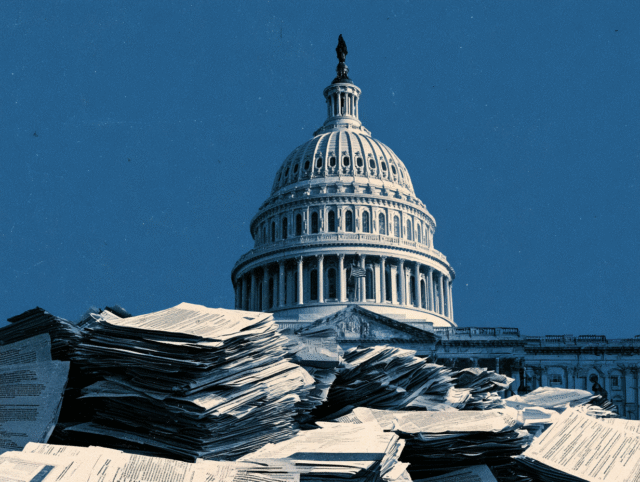
Jessica Glenza published a piece in the Guardian this morning on the fifteen-year delay of the Food Traceability Rule, and it earns a mention here for a reason that has nothing to do with my being quoted in it. By now every outlet covering this outbreak has written the sentence about the rule being delayed. Glenza went and read the lobbying record.
Here is what is in it. In 2024 the Reagan-Udall Foundation held a roundtable with food industry representatives, among them Chipotle, the Kellogg Company, Kwik Trip, the National Restaurant Association, the National Grocers Association and McDonald’s. The published summary of that meeting has industry arguing that traceability would potentially require significant increases in labor, equipment and space, with significant associated costs. From 2024 into 2025, lobbyists for the Food Industry Association, Publix Super Markets, the National Retail Federation and the International Foodservice Distributors Association all lobbied on the rule. The Retail Federation’s own disclosures say it requested appropriations language directing FDA to work collaboratively with industry on the traceability rule, and that it sought support for a bill relaxing the requirements. The Guardian asked the Retail Federation and Publix for comment and got no response.
That is the answer to a question I have been writing around for weeks. I have said repeatedly that the delay came at industry’s urging, and I have been careful to attribute it to trade associations rather than to any named grower or processor, because that is all the public record supported. Now there is more record, and it came from a reporter doing the unglamorous work of pulling filings.
The chronology those filings sit inside is worth restating, because it is long and almost nobody outside this world carries it around. Congress passed the Food Safety Modernization Act in 2010 with bipartisan majorities and told FDA to propose recordkeeping requirements for high-risk foods no later than January 2013. FDA did not. The Center for Food Safety sued, and a federal court set the deadlines the agency then met: propose by September 2020, finalize by November 2022. The final rule set compliance for January 20, 2026. In March 2025 FDA announced a thirty-month extension and published it in the Federal Register that August. In November, Congress wrote the delay into the appropriations act that ended the shutdown and directed the agency not to enforce before July 20, 2028. FDA’s own page says it intends to comply with that directive. A Congressional Research Service report lays the whole sequence out.
The Food Industry Association gave the Guardian a substantive answer and it deserves to be printed rather than waved at. The association says the industry shares FDA’s commitment to strengthening traceability, that the rule is extraordinarily complex, that it requires unprecedented coordination among growers, manufacturers, distributors, wholesalers, retailers and foodservice operators, and that its member companies have put four years of work into implementing it. None of that is frivolous. Traceability only functions if everyone in a chain is doing it, and companies that were genuinely ready did find themselves depending on partners who were not.
My own argument in the piece is the one I would most like industry to actually hear:
The rule allows product to get off the market faster, so fewer people get sick, and every bit of that is good for industry, whose product is being besmirched by one entity.
Traceability draws a line. It says what everything else is. Without the line, fear prices the whole category, and the whole category pays. The Guardian reports that lettuce prices fell more than sixteen percent in July as shoppers walked past it. That was not one company’s loss. De Ann Davis of the Western Growers Association told Glenza that growers have been collecting this shipment data voluntarily for more than a decade and that her organization supports the rule — growers, on the record, asking for the thing the retail associations spent two years lobbying against.
One more thing, and I would rather say it myself than have it said for me. The line I gave Glenza at the end, about grown men running these organizations behaving like two-year-olds, reads harder on the page than it felt when I said it. What is underneath it is frustration, not contempt. The people who run these associations are not villains, most of them take this work seriously, and I have sat across tables from a good number of them. But I have been doing this since 1993, and I have now watched the same argument arrive in the same words through administrations of both parties: the coordination is not ready, the timing is not right, give us more time. Sixteen years is a long stretch of not being ready. When the answer is always more time and the outbreak is happening now, patience starts to sound like a position rather than a request.
Earlier this month, eleven consumer, public health and labor organizations asked Congress to rescind the provision that bars enforcement until 2028. I said then that they were right, and I will say it again. What Glenza added is the piece that was missing from that argument — not that the rule was delayed, which everyone knows, but who asked for the delay, in their own filings, in their own words. Go read it.