

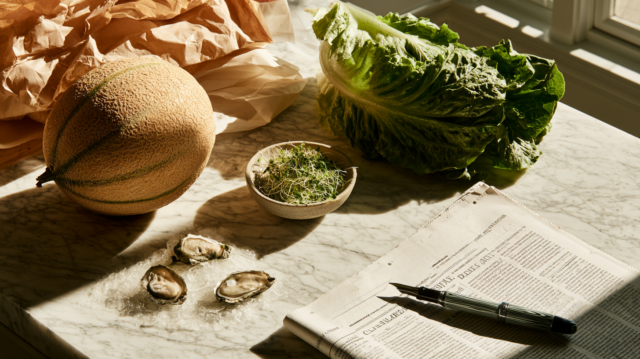
I have been doing foodborne illness litigation for more than thirty years, and I have read a lot of “what not to eat” stories. Most are forgettable. The one Alice Callahan published in the New York Times this morning, “5 Foods That Food Safety Experts Avoid,” is not. It is short, it is accurate, and it explains why each food is risky rather than just telling people to be afraid of it. A tip of the pen to her.
Ms. Callahan, who covers nutrition and health for the Times and holds a Ph.D. in nutrition, asked several people who work in food safety what they personally stay away from. The five answers: raw sprouts, deli meat, packaged salads, raw shellfish and precut melon. Full disclosure: I am the one who gave her the bagged salad answer.
Why this list rings true to me
None of these foods is on the list because of a hunch. Each one is there because of how it is grown, processed or handled, and each one has an outbreak record behind it. I have spent my career in that record.
Sprouts. Seeds are germinated in warm, wet conditions that are just as good for bacteria as they are for sprouts. I first called on FDA to require a warning label on raw sprout packaging in March 2003, during a Salmonella outbreak traced to sprouts in Oregon, Washington and California. This summer brought two more sprout outbreaks, and I have drafted a citizen petition asking FDA for that same label.
Deli meat and melon. These are both Listeria stories. I represented the families of all 33 people who died in the 2011 Jensen Farms cantaloupe outbreak, and dozens of people sickened in the 2024 Boar’s Head outbreak. Listeria grows at refrigerator temperatures, which is why time in a deli case or a clamshell of cut fruit works against the consumer and not for them.
Packaged salads. I have been suing lettuce and leafy greens companies for nearly thirty years. I represented the families of the five people who died in the 2006 Dole spinach E. coli outbreak. As I told Ms. Callahan, when lettuce from many fields is cut, washed and mixed together, “If something goes wrong, it goes wrong in a big way.” I buy whole heads and wash them myself. That is not risk-free, but it is a smaller bet.
Raw shellfish. Oysters, clams and scallops filter the water they live in and concentrate whatever is in it, including norovirus and Vibrio. Cooking is the control step, and raw shellfish skip it.
The people she quoted
Ms. Callahan also chose her sources well. Barbara Kowalcyk of George Washington University is a friend and one of the most brilliant people working in food safety. Her son Kevin died in 2001 of an E. coli infection, and she has spent the years since making the system better for other families. Her point in the article is the right one: this is not about telling anyone what to eat. It is about understanding that some foods carry more risk than others, especially for young children, older adults, pregnant women and people with weakened immune systems.
The article also quotes Sandra Eskin of Stop Foodborne Illness, Ellen Shumaker of North Carolina State University and Matthew Moore of the University of Massachusetts Amherst. Readers get the science and the practical advice from people who know both.
What I would add
Consumers can lower their own risk with the choices in this article, and they should. But the burden should not sit with the person standing at the deli counter or the salad case. The companies that grow, process and sell these foods are the ones that can test, clean, keep product cold and trace it when something goes wrong. I have been asking the industry to put me out of business since 2002. The beef industry largely did. The foods on this list are where the work remains.
Read Ms. Callahan’s piece. Then take a look in your refrigerator.