Hello FDA?

Patient A: “… in May and June 2022 contain- ing tara flour, a natural ingredient that has been linked to liver enzyme elevation [4,5]. In May, she began to feel unwell after consuming a whole smoothie and was found to have elevated liver enzymes two days later. In June, she had consumed another whole smoothie the day before her symptoms recurred. She was advised to stop consuming the smoothie, and since then has had no further episodes of liver injury.”

Patient B: “… A careful history was taken. It was found that the patient had consumed the same smoothie as patient A in June 2022 and in January 2023. She had consumed a whole smoothie about 8h prior to experiencing symptoms in both instances and had not consumed the product in the interim. After stopping, she had no recurrence of her features.”

Introduction 

Drug-induced liver injury can be challenging to diagnose, as it can develop following the use of many prescription and nonprescription medications, herbals, and dietary supplements. Food products may not be routinely considered as a potential cause of hepatotoxicity. We describe the clinical features of two cases of acute liver injury following consumption of a smoothie product.

Case presentations 

Two patients independently presented to the hospital with epigastric pain and acute liver injury. Both patients had consumed a new smoothie product in the same month that they presented to the hospital, with a recurrence of acute liver injury with further consumption. A diagnosis of drug-induced liver injury was established after the evaluation excluded other causes of liver injury. It was thought that a natural ingredient in the smoothie, tara flour, was the cause of hepatotoxicity based on prior news reports. Both patients stopped drinking the smoothie product with subsequent normalization of liver enzyme activities and no further recurrence of epigastric pain.

Conclusion 

The diagnosis of drug-induced liver injury largely relies on a compatible history and exclusion of other causes of liver injury. We demonstrate the importance of considering new food products in the differential diagnosis of acute liver injury.

Full Article – https://www.marlerblog.com/files/2023/10/A-food-product-as-a-potential-serious-cause-of-liver-injury.pdf

Here is an earlier article as well – https://www.marlerblog.com/files/2023/10/acs.chemrestox.3c00100.pdf

And, thanks CFIA notice (https://inspection.canada.ca/importing-food-plants-or-animals/food-imports/food-import-notices-for-industry/2023-09-28/eng/1695662087650/1695662088310)

The McHenry County Department of Health (MCDH) and Huntley Community School District 158 are working collaboratively to respond to a recent outbreak of Shiga Toxin-Producing E. coli (STEC) at Huntley High School. There are now currently nine confirmed cases of STEC, all of which involve students. The first case was identified on Sunday, September 17. At this time, there is insufficient evidence to indicate the source of the illness. The MCDH is actively monitoring for potential cases; there are no other known McHenry County STEC cases outside of this outbreak.

In a letter to parents, students, and staff, Huntley Community School District 158 officials reiterated that the situation is being taken seriously and that the safety and well-being of students and staff is of the utmost importance.

 Huntley High School officials are fully cooperating with the MCDH as they continue their investigation into potential exposures, both internally and externally, as the source of the outbreak has not yet been identified.

 Given the highly contagious nature of E. coli, students are strongly encouraged to practice frequent handwashing. In addition to this, Huntley High School science teachers have been providing students with essential information about E. coli. Furthermore, the school has taken proactive measures to ensure a safe environment, including the posting of handwashing signage throughout the school and the provision of readily accessible hand sanitizer stations in all classrooms and common areas.

 STEC is a bacterial infection known to cause gastrointestinal illness in humans. This strain of E. coli bacteria grows and lives in the intestines of people and animals. Transmission of STEC can occur due to contact with contaminated food, contaminated water, people, and animals. Symptoms and characteristics of STEC include:

  • Diarrhea (often bloody)
  • Fever
  • Abdominal cramping and body aches
  • Vomiting
  • Headaches

Symptoms typically start within 3-4 days of exposure to STEC but may take up to 10 days to develop. Most individuals infected with STEC feel better within 5-10 days from the onset of the illness with rest fluids.

To prevent and stop the spread of infection, the MCDH recommends washing hands with soap and water when preparing and eating food, having contact with animals or their environment, and after bathroom use or changing a diaper; avoiding swallowing water from ponds, lakes, and untreated swimming pools; and washing and cooking foods properly and avoid unpasteurized (raw) dairy products and juices. Those infected should not handle, prepare, or cook food for others until 48 hours after symptoms have resolved.

Post Outbreak Inspection Reports:

September 18:

Onsite for inspection in regards to a complaint. Water and ice samples were obtained. Refer to RFS #3879 for further notes. Items #1-29 have been marked in compliance to document a complaint report, not all items were evaluated. A signature for a representative of the school could not be obtained due to connectivity problems within the establishment.

September 19:

Onsite in regard to a complaint. Items #1-29 have not all been evaluated and have been marked in compliance. For further notes refer to RFS complaint #3879

Item #16
Section 16 (Pf) Hot water sanitizing rinse at dish machine is less than 180°F. Repair/replace unit so that hot water rinse is maintained between 180°F to 194°F. Reference 4- 501.112.
The automatic dish machine was not registering the appropriate rinse temperature: Correct by 9/29/23 The facility can utilize the auto dish machine for washing and rinsing of equipment, etc., sanitation must take place in the 3-compartment sink.

Item #24
Section 24 (Pf) If time without temperature control is used as the public health control for a working supply of TIME/TEMPERATURE CONTROL FOR SAFETY FOOD before cooking, or for READY-TO-EAT TIME/TEMPERATURE CONTROL FOR SAFETY FOOD that is displayed or held for sale or service: Written procedures shall be prepared in advance, maintained in the FOOD ESTABLISHMENT and made available to the REGULATORY AUTHORITY upon request that specify: Provide a written procedure for the TCS foods that are held out of temperature control. Reference 3-501.19 (A)(1).
The facility has begun to utilize time as a public health control for the hot sub sandwiches and there is not written procedure on hand: Correct by 9/29/23.

Item #24
Section 24 (Pf) If time without temperature control is used as the public health control up to a maximum of 4 hours: The FOOD shall be marked or otherwise identified to indicate the time that is 4 hours past the point in time when the FOOD is removed from temperature control.

All TCS foods that are held under time as a public health control shall have a system of identification to indicate the time of 4 hours past the point of when the TCS foods were removed from temperature control. Reference 3-501.19 (B)(2)

The hot sub sandwiches were not marked with a discard time of 4 hours past the time it was removed from temperature control. Staff indicates that all hot sub sandwiches are purchased prior to the end of lunch service which is within the 4-hour time limit after removal. The facility is to identify the time regardless of whether items will be sold out during the 4-hour time frame or not: Correct by 9/29/23.

September 21:

Section 56 (C) Intake/exhaust air ducts (vents) with accumulation of dust. Intake and exhaust air ducts shall be cleaned and filters changed so they are not a source of contamination by dust, dirt, and other materials. Reference 6-501.14.

Observed the vent covers over the file cabinet area and in the dry storage area soiled with dust. Correct by next routine inspection.

E. coli:  Marler Clark, The Food Safety Law Firm, is the nation’s leading law firm representing victims of E. coli outbreaks and hemolytic uremic syndrome (HUS). The E. coli lawyers of Marler Clark have represented thousands of victims of E. coli and other foodborne illness infections and have recovered over $850 million for clients. Marler Clark is the only law firm in the nation with a practice focused exclusively on foodborne illness litigation.  Our E. coli lawyers have litigated E. coli and HUS cases stemming from outbreaks traced to ground beef, raw milk, lettuce, spinach, sprouts, and other food products.  The law firm has brought E. coli lawsuits against such companies as Jack in the Box, Dole, ConAgra, Cargill, and Jimmy John’s.  We have proudly represented such victims as Brianne KinerStephanie Smith and Linda Rivera.

If you or a family member became ill with an E. coli infection or HUS after consuming food and you’re interested in pursuing a legal claim, contact the Marler Clark E. coli attorneys for a free case evaluation.

Additional Resources:

Food Safety News reports:

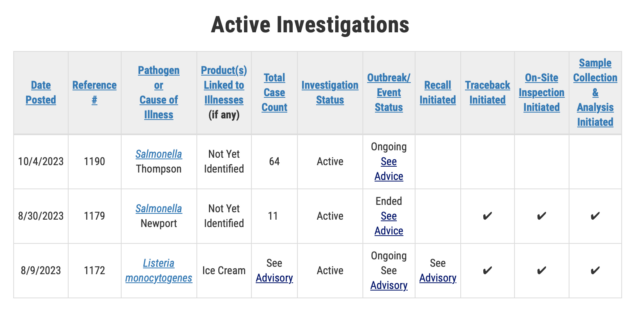
Chicago’s Department of Public Health has confirmed 55 Salmonella infections stemming from the outbreak at an Avondale taqueria, Carniceria Guanajuato, up from 20 last week.

At least 17 people have been hospitalized as of Sept. 30.

An investigation into the source of the bacteria is ongoing. The restaurant remains closed as owners work with public officials to bring the eatery up to safety standards.

Carniceria Guanajuato was inspected Sept. 8 after reports of food poisoning. City health inspectors found raw beef and raw shelled eggs stored above ready-to-eat lettuce and improper storage of hot and cold foods, among other violations. 

City officials gave guidance on safe food handling practice and proper cleaning to stop the spread, officials said. The restaurant was inspected again Sept. 14. Inspectors instructed restaurant owners to clean and sanitize certain food preparation areas, install working thermometers inside restaurant coolers, and correct labeling of prepared foods.

Anyone who bought food from the taqueria or from the prepared food section of the grocery store should throw it away and not eat it. People who ate at the taqueria or bought prepared food from the grocery since Aug. 29 could also have been exposed to the Salmonella.

City officials have alerted local doctors about what to do if people come in showing symptoms of infection, officials said.

An infection can take between six hours and six days to develop. Symptoms from the bacterial infection usually last between four and seven days, and most people recover without treatment, public health officials said.

Older people or those with weakened immune systems can be more impacted. Symptoms include severe diarrhea, dehydration and high fever. Anyone experiencing symptoms should seek medical attention.

Anyone who developed a diarrheal illness after eating food from the restaurant is asked to contact the city’s public health department at outbreak@cityofchicago.org to file a suspected food poisoning complaint.

It is estimated that for every reported case, there are approximately 38.6 undiagnosed Salmonella infections. The U.S. Centers for Disease Control and Prevention estimates that 1.4 million cases, 15,000 hospitalizations, and 400 deaths are caused by Salmonella infections in the United States every year.

This just landed in my inbox.

September 28, 2023

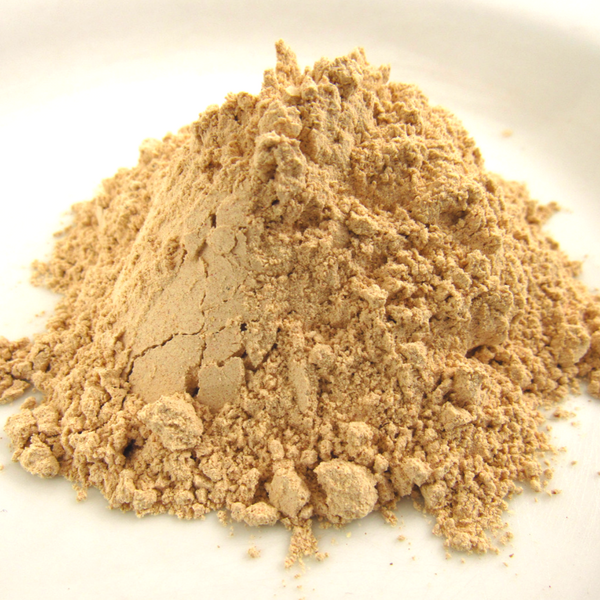
The Canadian Food Inspection Agency (CFIA) is advising businesses to avoid selling and purchasing tara protein powder (tara flour), or products containing this ingredient.

Tara protein powder, also known as tara flour, could be classified as a novel food (or novel food ingredient), but has not been assessed for safety by Health Canada.

Novel foods are food products that are new, which means they have no history of safe use as a food, or are changed compared to existing foods. The Food and Drug Regulations prohibit the sale of novel foods unless they have undergone a mandatory pre-market safety assessment and Health Canada has determined that they are safe for consumption.

Tara protein powder is not tara gum, which is an approved food additive in Canada under specific conditions of use.

Obligations of food businesses

All food businesses are responsible for ensuring their products meet Canadian federal regulations and can be subject to compliance action by the CFIA. See Heath Canada’s Guidelines for the Safety Assessment of Novel Foods.

Division 28 of Part B of the Food and Drug Regulations requires a manufacturer or importer to notify Health Canada’s Food Directorate in writing of their intention to sell or advertise for sale a novel food. It should be noted that in accordance with subsection B.28.002(1) no person shall sell or advertise for sale a novel food unless the manufacturer or importer of the novel food has:

  • notified the Health Minister (Food Directorate) of their intention to sell or advertise for sale the novel food; and
  • received a written notice indicating no objection to the sale of the novel food in Canada as stated in B.28.002(1)(b)

It is recommended that manufacturers or importers consult with Health Canada’s Food Directorate if they are not sure if a product is a novel food or not, or if they would like to discuss specific requirements for a novel food.

For questions related novel food determination and requirements, please contact Health Canada’s Food Directorate at:

Submission Management and Information Unit
Food Directorate, Health Products and Food Branch, Health Canada
251, Sir Frederick Banting Driveway, Postal Locator: 2202E
Ottawa, Ontario K1A 0K9
Email: smiu-ugdi@hc-sc.gc.ca

Additional Information

According to Canadian press, the City of Calgary said Wednesday it has laid charges against a shared kitchen — used by several daycares experiencing an E. coli outbreak — for operating without the proper license. 

This comes after an outbreak of shiga toxin-producing E. coli, which has resulted in 351 lab-confirmed cases and 37 secondary cases, Alberta’s Chief Medical Officer of Health Dr. Mark Joffe said. 

During an investigation into the cause of the outbreak, investigators believe one meal has “extremely high odds” of being the source of the outbreak. According to Alberta’s chief medical officer of health, “based on our investigation, we believe that meatloaf and vegan loaf meals that were served for lunch on Aug. 29 most likely contain the E. coli bacteria that led to these infections,” he said. 

The city said it has laid charges against Fueling Minds, a catering company which provided food to several daycares in the city. The corporation and its two directors have each been charged under the Business Licensing Bylaw for operating without a business license — for a total of 12 charges. If convicted, they could face a total fine amount of up to $120,000. 

There were 19 daycares affected by the outbreak. Eleven daycares were linked to the original outbreak, with sick children at seven of those daycares, and secondary spread was found at an additional eight daycares. 

The McHenry County Department of Health (MCDH) and Huntley Community School District 158 are working collaboratively to respond to a recent outbreak of Shiga Toxin-Producing E. coli (STEC) at Huntley High School. There are currently seven confirmed cases of STEC, all of which involve students. The first case was identified on Sunday, September 17. At this time, there is insufficient evidence to indicate the source of the illness. The MCDH is actively monitoring for potential cases; there are no other known McHenry County STEC cases outside of this outbreak.

In a letter to parents, students, and staff, Huntley Community School District 158 officials reiterated that the situation is being taken seriously and that the safety and well-being of students and staff is of the utmost importance.

 Huntley High School officials are fully cooperating with the MCDH as they continue their investigation into potential exposures, both internally and externally, as the source of the outbreak has not yet been identified.

 Given the highly contagious nature of E. coli, students are strongly encouraged to practice frequent handwashing. In addition to this, Huntley High School science teachers have been providing students with essential information about E. coli. Furthermore, the school has taken proactive measures to ensure a safe environment, including the posting of handwashing signage throughout the school and the provision of readily accessible hand sanitizer stations in all classrooms and common areas.

 STEC is a bacterial infection known to cause gastrointestinal illness in humans. This strain of E. coli bacteria grows and lives in the intestines of people and animals. Transmission of STEC can occur due to contact with contaminated food, contaminated water, people, and animals. Symptoms and characteristics of STEC include:

  • Diarrhea (often bloody)
  • Fever
  • Abdominal cramping and body aches
  • Vomiting
  • Headaches

Symptoms typically start within 3-4 days of exposure to STEC but may take up to 10 days to develop. Most individuals infected with STEC feel better within 5-10 days from the onset of the illness with rest fluids.

To prevent and stop the spread of infection, the MCDH recommends washing hands with soap and water when preparing and eating food, having contact with animals or their environment, and after bathroom use or changing a diaper; avoiding swallowing water from ponds, lakes, and untreated swimming pools; and washing and cooking foods properly and avoid unpasteurized (raw) dairy products and juices. Those infected should not handle, prepare, or cook food for others until 48 hours after symptoms have resolved.

E. coli:  Marler Clark, The Food Safety Law Firm, is the nation’s leading law firm representing victims of E. coli outbreaks and hemolytic uremic syndrome (HUS). The E. coli lawyers of Marler Clark have represented thousands of victims of E. coli and other foodborne illness infections and have recovered over $850 million for clients. Marler Clark is the only law firm in the nation with a practice focused exclusively on foodborne illness litigation.  Our E. coli lawyers have litigated E. coli and HUS cases stemming from outbreaks traced to ground beef, raw milk, lettuce, spinach, sprouts, and other food products.  The law firm has brought E. coli lawsuits against such companies as Jack in the Box, Dole, ConAgra, Cargill, and Jimmy John’s.  We have proudly represented such victims as Brianne KinerStephanie Smith and Linda Rivera.

If you or a family member became ill with an E. coli infection or HUS after consuming food and you’re interested in pursuing a legal claim, contact the Marler Clark E. coli attorneys for a free case evaluation.

Additional Resources:

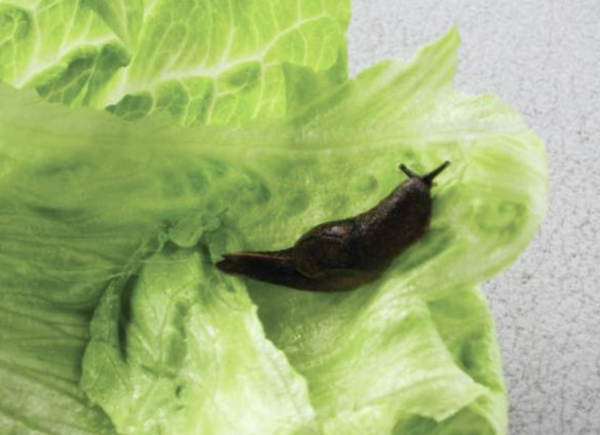
The CDC this week reports finding the spread of Angiostrongylus cantonensis, (Rat Lungworm) into Georgia.  Originally described in Asia, where most human infections are reported, is now endemic in different regions of the world. In the United States, A. cantonensis was initially reported in Hawaii, and later in Texas, Louisiana, Alabama, and Florida, likely introduced by infected rats and gastropods through trade routes, such as on merchant ships.

In Hawaii, where severe human illnesses have been reported over the last decade, public health officials have released a stark warning:

“This is a serious disease that can be acquired on any of our islands because slugs and snails throughout the state carry the parasite responsible for the illness,” said Keith Kawaoka, deputy director of Environmental Health. “This is a grim reminder that we all need to take precautions when working in our gardens and on farms, and eliminate slugs, snails and rats from our communities to reduce the risks posed by this parasitic disease.”

Angiostrongyliasis, also known as rat lungworm, is a disease that affects the brain and spinal cord. It is caused by a parasitic nematode (roundworm parasite) called A. cantonensis. The adult form of A. cantonensis is only found in rodents. However, infected rodents can pass larvae of the worm in their feces. Snails, slugs, and certain other animals (including freshwater shrimp, land crabs, and frogs) can become infected by ingesting this larvae; these are considered intermediate hosts. Humans can become infected with A. cantonensis if they eat (intentionally or otherwise) a raw or undercooked infected intermediate host, thereby ingesting the parasite.

There is a new film out about the dangers of this nasty parasite – https://www.ratlungwormfilm.com

This infection can cause a rare type of meningitis (eosinophilic meningitis). Some infected people don’t have any symptoms or only have mild symptoms; in some other infected people the symptoms can be much more severe. When symptoms are present, they can include severe headache and stiffness of the neck, tingling or painful feelings in the skin or extremities, low-grade fever, nausea, and vomiting. Sometimes, a temporary paralysis of the face may also be present, as well as light sensitivity. The symptoms usually start 1 to 3 weeks after exposure to the parasite, but have been known to range anywhere from 1 day to as long as 6 weeks after exposure. Although it varies from case to case, the symptoms usually last between 2–8 weeks; symptoms have been reported to last for longer periods of time.

You can get angiostrongyliasis by eating food contaminated by the larval stage of A.cantonensis worms. In Hawaii, these larval worms can be found in raw or undercooked snails or slugs. Sometimes people can become infected by eating raw produce that contains a small, infected snail or slug, or part of one. It is not known for certain whether the slime left by infected snails and slugs are able to cause infection. Angiostrongyliasis is not spread person-to-person.

Diagnosing angiostrongyliasis can be difficult, as there are no readily available blood tests. In Hawaii, cases can be diagnosed with a polymerase chain reaction (PCR) test, performed by the State Laboratories Division, that detects A. cantonensis DNA in patients’ cerebrospinal fluid (CSF) or other tissue. However, more frequently diagnosis is based on a patient’s exposure history (such as if they have history of travel to areas where the parasite is known to be found or history of ingestion of raw or undercooked snails, slugs, or other animals known to carry the parasite) and their clinical signs and symptoms consistent with angiostrongyliasis as well as laboratory finding of eosinophils (a special type of white blood cell) in their CSF.

There is no specific treatment for the disease. The parasites cannot mature or reproduce in humans and will die eventually. Supportive treatment and pain medications can be given to relieve the symptoms, and some patients are treated with steroids. No anti-parasitic drugs have been shown to be effective in treating angiostrongyliasis, and there is concern that they could actually make the symptoms worse because of the body’s response to potentially more rapidly dying worms. Persons with symptoms should consult their health care provider for more information.

To prevent angiostrongyliasis, don’t eat raw or undercooked snails or slugs, and if you handle snails or slugs, be sure to wear gloves and wash your hands. Eating raw or undercooked freshwater shrimp, land crabs and frogs may also result in infection, although, there has not been any documented cases in Hawaii. You should also thoroughly inspect and wash fresh produce and vegetables, especially if eaten raw. Eliminating snails, slugs, and rats founds near houses and gardens might also help reduce risk exposure to A. cantonensis.

When preparing food for cooking, any suspect food products should be boiled for at least 3 to 5 minutes, or frozen at 5°F (15°C) for at least 24 hours; this will kill the larval stage of the worm.

According to Global News, six children with hemolytic uremic syndrome (HUS) remain in hospital on Thursday as a result of the Calgary Fueling Brains daycare E. coli Outbreak – two of which remain on dialysis. In the past day, two children were discharged from hospital.

On Thursday, AHS said there were a total of 349 lab-confirmed cases linked to the outbreak. That’s one fewer than on Wednesday, which AHS said was confirmed as not part of the original outbreak.

Two more cases of secondary transmission were confirmed, both within an already-impacted household for a total of 29 secondary cases. AHS said some secondary cases are expected in “significant outbreaks” like the one declared on Sept. 4. 

According to McHenry County Health Department at least six cases of Shiga Toxin-Producing E. coli (STEC) have now been reported at suburban Huntley High School.

In a letter released to parents on Wednesday, officials said they had been contacted by the McHenry County Health Department about the outbreak.

Health officials are working to determine “common exposures” among the individuals who have been diagnosed with the illness, but no definitive source has been identified at this time.

According to the press release, any child who experiences symptoms of E. coli must be kept home until they are symptom-free for at least 48 hours.

E. coli is extremely contagious, with officials saying it can be spread by:

-Swallowing water while swimming, or drinking water contaminated with STEC bacteria

-Person-to-person transmission, where the bacteria passes from stool or soiled fingers of one person to another through food handling or direct contact.

-Animal contact by touching or handling animals carrying the bacteria

Symptoms of E. coli typically include an acute onset of diarrhea and/or vomiting. Nausea, abdominal cramps, fever and body aches are also typical symptoms, all of which can last for 5-to-10 days.

The illness often has an incubation period of 2-to-10 days, according to officials.

No further information was immediately available.

E. coli:  Marler Clark, The Food Safety Law Firm, is the nation’s leading law firm representing victims of E. coli outbreaks and hemolytic uremic syndrome (HUS). The E. coli lawyers of Marler Clark have represented thousands of victims of E. coli and other foodborne illness infections and have recovered over $850 million for clients. Marler Clark is the only law firm in the nation with a practice focused exclusively on foodborne illness litigation.  Our E. coli lawyers have litigated E. coli and HUS cases stemming from outbreaks traced to ground beef, raw milk, lettuce, spinach, sprouts, and other food products.  The law firm has brought E. coli lawsuits against such companies as Jack in the Box, Dole, ConAgra, Cargill, and Jimmy John’s.  We have proudly represented such victims as Brianne KinerStephanie Smith and Linda Rivera.

If you or a family member became ill with an E. coli infection or HUS after consuming food and you’re interested in pursuing a legal claim, contact the Marler Clark E. coli attorneys for a free case evaluation.

Additional Resources: