Canada is reporting 26 ill in British Columbia 7, Ontario 7, Quebec 8, Prince Edward Island 2, Newfoundland and Labrador 2.

In the United States since the last update on November 17, 2023, 56 more illnesses have been reported. As of November 24, 99 people infected with the outbreak strain of Salmonella have been reported from 32 states. Arkansas 1, Arizona 7, California 1, Colorado 2, Georgia 3, Iowa 5, Illinois 4, Indiana 2, Kentucky 5, Massachusetts 1, Maryland 1, Michigan 1, Minnesota 13, Missouri 9, Mississippi 1, North Carolina 2, Nebraska 4, New Jersey 1, Nevada 2, New York 1, Ohio 8 Oklahoma 1, Oregon 1, Pennsylvania 1, Rhode Island 1, South Carolina 3, Tennessee 4, Texas 3, Utah 1, Virginia 1, Washington 1 and Wisconsin 8.

Illnesses started on dates ranging from October 17, 2023, to November 10, 2023.

Of 77 people with information available, 45 have been hospitalized. Two deaths have been reported from Minnesota.

Public health officials collect many different types of information from sick people, including their age, race, ethnicity, other demographics, and the foods they ate in the week before they got sick. This information provides clues to help investigators identify the source of the outbreak.  Age of ill ranges from less than 1 to 100 years of age.  60% are male and 40% are female.

State and local public health officials are interviewing people about the foods they ate in the week before they got sick. Of the 33 people interviewed, 29 (88%) reported eating cantaloupe. 

Recalled whole cantaloupe from the following brands:

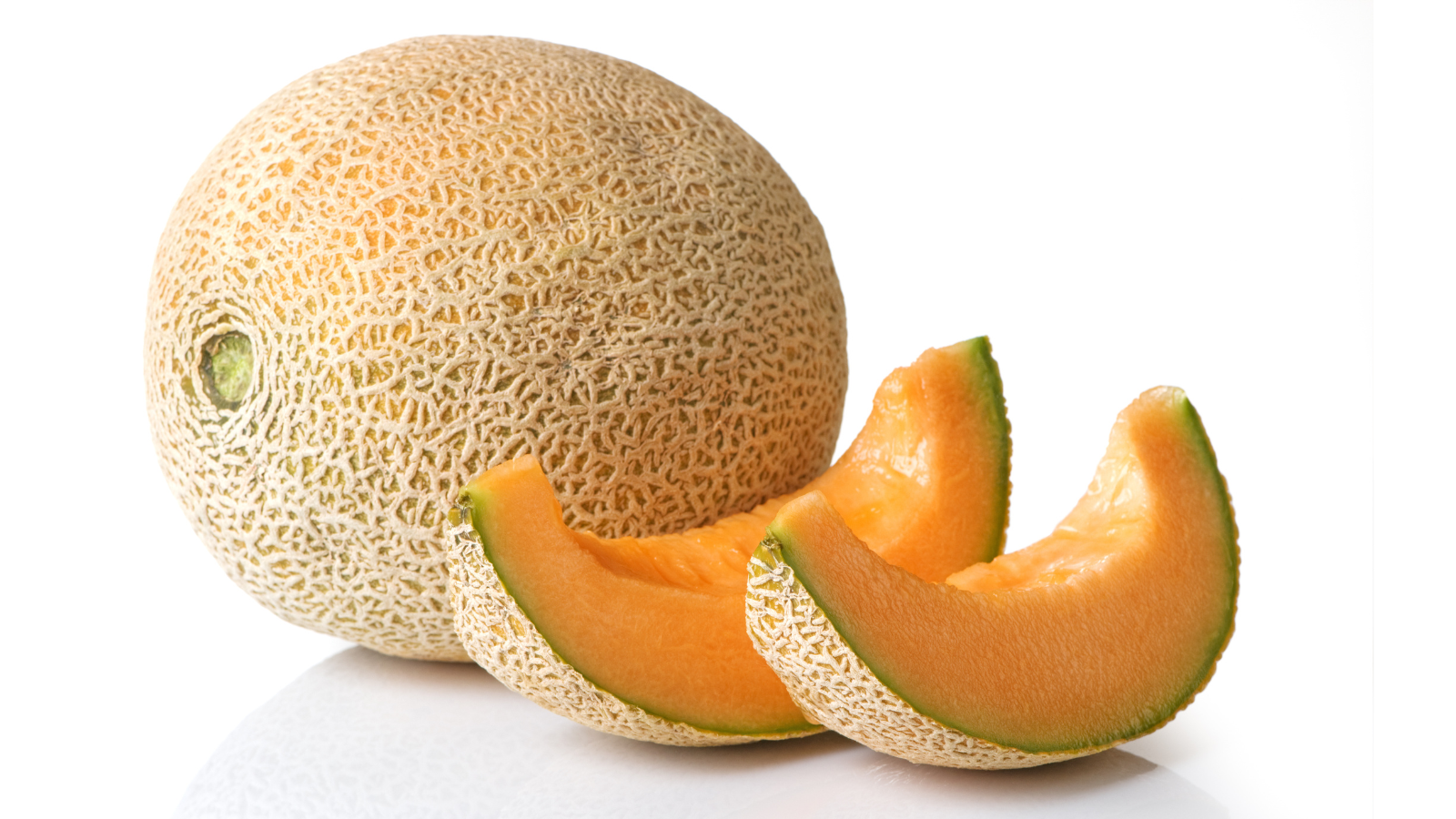
  • Whole fresh cantaloupes with a label on the cantaloupe that says “Malichita” or “Rudy”, “4050”, and “Product of Mexico/produit du Mexique”
  • Cantaloupe was sold at retail stores in AZ, CA, MD, NJ, TN, IL, IN, KY, MI, OH, OK, WI, TX, FL, and Canada. This list may not include all states as the cantaloupes could have reached consumers through further retail distribution.
  • Retailers and wholesalers would have received recalled whole melons from Crown Jewels Produce in boxes labeled “Malachita/Z Farms” or from Sofia Produce doing business as TruFresh in boxes labeled “Malichita” or “Rudy.”

Recalled cut cantaloupe and products made from recalled whole cantaloupes:

  • ALDI cantaloupe, cut cantaloupe, and pineapple spears in clamshell packaging with Best-by dates between October 27 and October 31.
  • Vinyard cantaloupe chunks and cubes, fruit mixes, melon medleys, and fruit cups containing cantaloupe. Most have a “Vinyard” label, and some have a red label with “Fresh” sold between October 30 and November 10 in Oklahoma stores.
  • Freshness Guaranteed seasonal blend, melon trio, melon mix, fruit blend, fruit bowl, seasonal fruit tray, fruit mix, and cantaloupe chunks; and RaceTrac fruit medley sold in clear square or round plastic containers at select retail stores in IN, MI, OH, KY, NC, TN, VA, IL, TX, LA (see recall announcement for lot codes and “best by” dates).

CDC is advising people not to eat, sell, or serve recalled fruit.

As of November 17, there have been 14 laboratory-confirmed cases of Salmonella Soahanina and Sundsvall illness linked to this outbreak in the following provinces: British Columbia (3), Ontario (3) and Quebec (8). Additional Salmonella infections are under investigation and more illnesses associated with this outbreak may be confirmed. Individuals became sick between mid-October and early-November 2023. Three individuals have been hospitalized. No deaths have been reported. Individuals who became ill are between 0 to 100 years of age. The majority of cases (57%) are female.

The Canadian Food Inspection Agency (CFIA) issued food recall warnings on November 1 and November 14 for Malichita brand cantaloupes sold between October 11 and November 14, 2023. Through the CFIA investigation the outbreak strain of Salmonella that made people sick was found in a sample of the recalled Malichita brand cantaloupe.

More recent illnesses may be reported in the outbreak because there is a period between when a person becomes ill and when the illness is reported to public health officials. For this outbreak, the illness reporting period is between 2 and 4 weeks.

The U.S. CDC is also investigating an outbreak of Salmonella Sundsvall illnesses linked to cantaloupes that is the same genetic strain as illnesses reported in this outbreak.

It has long been said that, in 1885, pioneering American veterinary scientist, Daniel E. Salmon, discovered the first strain of Salmonella. Actually, though, Theobald Smith, research-assistant to Dr. Salmon, discovered the first strain of SalmonellaSalmonella Choleraesuis. But being in charge, Dr. Salmon received all of the credit.[1] Today, the number of known serotypes of Salmonella bacteria totals over two thousand. And in recent years, concerns have been raised, as particular strains of Salmonella have become resistant to traditional antibiotics.

There are two Salmonella species: Salmonella enterica (S. enterica) and Salmonella bongori (S. bongori). S. bongori strains predominantly colonize cold-blooded reptiles, whereas S. enterica strains are capable of infecting both humans and mammals.[2] Based on factors such as morphology, structure, mode of reproduction, and other criteria, the two species are further classified into subgroups called serotypes or serovars. More than 2,600 serotypes have been described for Salmonella, and they are characterized by the type(s) of animal they are found in or by the clinical symptoms they cause.[3] Of these, less than 100 are responsible for most human Salmonella infections.[4]

Where Does Salmonella Come From?

Salmonellae are widely distributed in nature and are found in the intestinal tract of wild and domesticated animals and in humans. Salmonella poisoning can occur when a person ingests contaminated fecal particles transmitted by another infected human or animal.[5]

Salmonella enterica serotypes Typhi, Sendai, and Paratyphi A, B, or C are found exclusively in humans. These serotypes, collectively referred to as typhoidal Salmonella, cause enteric fever (also known as typhoid or paratyphoid fever if caused by serotypes Typhi or Paratyphi, respectively).[6] Most often, enteric fever is acquired through ingestion of food or water contaminated with human feces. Most U.S. residents who are diagnosed with typhoidal Salmonella are infected while traveling abroad in areas where typhoid fever and paratyphoid fever are common. Three types of vaccines against S. Typhi are commercially available, although there is still not a single licensed vaccine available against S. Paratyphi A.[7] Persons planning to travel outside of the United States are advised to find out if a vaccine for typhoid fever is recommended (see www.cdc.gov/travel). 

Most Salmonella infections are caused by eating contaminated food. One study found that 87% of all confirmed cases of Salmonella are foodborne. Foods of animal origin, including meat, poultry, eggs, or dairy products can become contaminated with Salmonella. Eating uncooked or inadequately cooked food—or food cross contaminated with uncooked or undercooked products—can lead to human infections. As explained in a comprehensive report issued by the U.S. Department of Agriculture’s Economic Research Service:

Salmonella contamination occurs in a wide range of animal and plant products. Poultry products and eggs are frequently contaminated with S. Enteritidis, while beef products are commonly contaminated with S.Typhimurium. Other food sources of Salmonella may include raw milk or other dairy products and pork.

In the past two decades, consumption of produce, especially sprouts, tomatoes, fruits, leafy greens, nuts, and nut butters, has been associated with Salmonella illnesses.[8] The surface of fruits and vegetables may be contaminated by human or animal feces. Changes in food consumption and production, as well as the rapid growth of international trade in agricultural products, have facilitated the transmission of Salmonella associated with fresh fruits and vegetables. 

In the United States, Salmonella is the second most commonly isolated bacterial pathogen when laboratory diagnosis of diarrhea is sought.[9] However, passive laboratory surveillance, which uses voluntary reporting by health care providers and facilities, captures only a fraction of illnesses that actually occur. Furthermore, only a small proportion of illnesses are confirmed by laboratory testing and reported to public health agencies. Thus, researchers rely on quantitative statistical modeling to estimate the incidence of foodborne illness. These estimates are used to direct policy and interventions.

What are the Symptoms of Salmonellosis?

Salmonella infections can produce a broad range of disease, from no symptoms to severe illness. The most common clinical presentation is acute gastroenteritis. Symptoms commonly include diarrhea and abdominal cramps, often accompanied by fever of 100°F to 102°F (38°C to 39°C). More serious infections may also involve bloody diarrhea, vomiting, headache, and body aches.[10]

The Incubation period, or the time from Ingestion of the bacteria until the symptoms start, is generally 6 to 72 hours; however, there is evidence that in some situations the incubation can be longer than 10 days. People with salmonellosis usually recover without treatment within three to seven days. Nonetheless, Salmonella bacteria can persist in the intestinal tract and stool for many weeks after the resolution of symptoms—on average, one month in adults and longer in children.[11]

Treatment of Salmonellosis

S. Typhi and S. Paratyphi are capable of causing systemic illness if they invade the bloodstream (termed “bacteremia”). “Septicemia” or “sepsis” (bloodstream infection or “blood poisoning”) occurs if the bacteria multiply in the blood and cause the immune system to respond by activating inflammatory mechanisms. This may result in the development of “systemic inflammatory response syndrome,” or “SIRS.” By definition, SIRS includes tachycardia, tachypnea, fever, and abnormal white blood cell count. When the bacteria involved are S. Typhi or S. Paratyphi, this serious illness is called enteric typhoid, or paratyphoid fever. Symptoms may start gradually and include fever, headache, malaise, lethargy, and abdominal pain. In children, it can present seemingly innocuously as a non-specific fever. The incubation period for S. Typhi is usually 8 to 14 days, but it can range from three to 60 days. For S. Paratyphi infections, the incubation period is similar to that of nontyphoidal Salmonella—one to 10 days.[12]

Medical treatment is acutely important, though, if the patient becomes severely dehydrated or if the infection spreads from the intestines. Persons with severe diarrhea often require re-hydration, usually with intravenous (IV) fluids. But antibiotics are not necessary or indicated unless the infection spreads from the intestines, at which time the infection can be treated with ampicillin, gentamicin, trimethoprim/sulfamethoxazole, or ciprofloxacin. Unfortunately, though, some Salmonella bacteria have become resistant to antibiotics, largely as a result of the use of antibiotics to promote the growth of feed animals.[13]


[1]           Kass EH. (1987). A brief perspective on the early history of American infectious disease epidemiology. Yale J Biol Med. 60(4):341-8. 

[2]           Hernandez, A. K. C. Salmonella bongori. Poultry and Avian Diseases. Encyclopedia of Agriculture and Food Systems. https://www.sciencedirect.com/topics/agricultural-and-biological-sciences/salmonella-bongori.

[3]           Boore AL, et al. (2015). Salmonella enterica Infections in the United States and Assessment of Coefficients of Variation: A Novel Approach to Identify Epidemiologic Characteristics of Individual Serotypes, 1996–2011. PloS One. 10(12): e0145416

[4]           Besser JM. (2018). Salmonella epidemiology: a whirlwind of change. Food Microbiol. 71:55-9.

[5]           Chiu, C.-H. (2019). Salmonella, Non-Typhoidal Species (S. Choleraesuis, S. Enteritidis, S. Hadar, S. Typhimurium). http://www.antimicrobe.org/b258.asp. 

[6]           Ohad eGal-Mor, Erin C Boyle, & Guntram A. Grassl. (2014). Same species, different diseases: how and why typhoidal and non-typhoidal Salmonella enterica serovars differ. Frontiers in Microbiology, 5. https://doi.org/10.3389/fmicb.2014.00391

[7]           Id.

[8]           National Typhoid and Paratyphoid Fever Surveillance Annual Summary, 2015.” Centers for Disease Control and Prevention, 6 Nov. 2018. Available at: https://www.cdc.gov/typhoid-fever/reports/annual-report-2015.html

[9]           “National Enteric Disease Surveillance: Salmonella Annual Report, 2016.” Centers for Disease Control and Prevention, 28 Feb. 2018. Available at: https://www.cdc.gov/nationalsurveillance/pdfs/2016-Salmonella-report-508.pdf

[10]         “Salmonella.” Centers for Disease Control and Prevention, 24 Jun. 2020. Available at: https://www.cdc.gov/salmonella/

[11]         Id.

[12]         Miller, S. and Pegues, D. “Salmonella Species, Including Salmonella Typhi” in Mandell, Douglas, and Bennett’s Principles and Practice of Infectious Diseases, Sixth Edition, Chap. 220, pp. 2636-50 (2005).

[13]         Medalla, F., Gu, W., Mahon, B. E., Judd, M., Folster, J., Griffin, P. M., & Hoekstra, R. M. (2016). Estimated Incidence of Antimicrobial Drug-Resistant Nontyphoidal Salmonella Infections, United States, 2004-2012. Emerging infectious diseases23(1), 29–37. https://doi.org/10.3201/eid2301.160771

Listeria is a gram-positive, rod-shaped bacterium that is ubiquitous and can grow under either anaerobic (without oxygen) or aerobic (with oxygen) conditions. 

The Prevalence of Listeria in Food and the Environment

Listeriosis is one of the most important bacterial infections worldwide that arises mainly from the consumption of contaminated food.[1] The disease is caused by Listeria monocytogenes, which is considered an opportunistic pathogen that affects mainly those with underlying immune conditions, such as pregnant women, neonates, and elders, resulting in septicemia, meningitis, and/or meningoencephalitis. Of the six species of Listeria, only L. monocytogenes causes disease in humans. It thrives between bacteria 86-98.6oF (30-37oC), but Listeria can grow at temperatures as low as −0.4°C and survive in freezing conditions down to −18°C.[2] This unique quality allows thermal characteristics to be used as a means of differentiating Listeria from other possibly-contaminating bacteria. 

Listeria monocytogenes is omnipresent in nature; it is found widely in such places as water, soil, infected animals, human and animal feces, raw and treated sewage, leafy vegetables, effluent from poultry and meat processing facilities, decaying corn and soybeans, improperly fermented silage, and raw (unpasteurized)  milk.[3]

Foodborne listeriosis is relatively rare but is a serious disease with high fatality rates (20%–30%) compared with other foodborne microbial pathogens. Severe L. monocytogenes infections are responsible for high hospitalization rates (91%) among the most common foodborne pathogens, may cause sporadic cases or large outbreaks, and can persist in food-processing environments and multiply at refrigeration temperatures, making L. monocytogenes a significant public health concern.[4]

Ready-to-eat foods are a notable and consistent source of Listeria. For example, a research study done by the Listeria Study Group found that L. monocytogenes grew from at least one food specimen in the refrigerators of 64% of persons with a confirmed Listeria infection (79 of 123 patients), and in 11% of more than 2,000 food specimens collected in the study. Moreover, 33% of refrigerators (26 of 79) contained foods that grew the same strain with which the individual had been infected, a frequency much higher than would be expected by chance. The danger posed by the risk of Listeria in ready-to-eat meats prompted the USDA to declare the bacterium an adulterant in these kinds of meat products and, as a result, to adopt a zero-tolerance policy for the presence of this deadly pathogen. The Code of Federal Regulations includes requirements for the post-lethality control of Listeria in meat and poultry products. This regulation is referred to as “The Listeria Rule” and was enacted in 2003. The rule outlines prevention and control measures that must be taken in processing facilities to reduce the risk of contamination of ready-to-eat products.[5]

Transmission of and Infection with Listeria

Listeria typically spreads to people through contaminated food or water but can also be transmitted from mother to fetus. Except for the transmission of mother to fetus, human-to-human transmission of Listeria is not known to occur. Infection is caused almost exclusively by the ingestion of the bacteria, most often through the consumption of contaminated food. The most widely accepted estimate of foodborne transmission is 85-95% of all Listeria cases. 

The infective dose—that is, the number of bacteria that must be ingested to cause illness—is not known but is suspected to vary based on the strain. In an otherwise healthy person, an extremely large number of Listeria bacteria must be ingested to cause illness—estimated to be somewhere between 10-100 million viable bacteria (or colony forming units “CFU”) in healthy individuals, and only 0.1-10 million CFU in people at high risk of infection. Even with such a dose, a healthy individual will suffer only a fever, diarrhea, and related gastrointestinal symptoms.

The amount of time from infection to the onset of symptoms—typically referred to as the incubation period—can vary to a significant degree.[6]

According to the CDC, symptoms of Listeria infection can develop at any time from the same day of exposure to 70 days after eating contaminated food. According to the FDA, gastroenteritis (or non-invasive illness) has an onset time of a few hours to 3 days, while invasive illness can have an onset varying from 3 days to 3 months. According to one authoritative text:

The incubation period for invasive illness is not well established, but evidence from a few cases related to specific ingestions points to 11 to 70 days, with a mean of 31 days. In one report, two pregnant women whose only common exposure was attendance at a party developed Listeria bacteremia with the same uncommon enzyme type; incubation periods for illness were 19 and 23 days.

Adults can get listeriosis by eating food contaminated with Listeria, but babies can be born with listeriosis if their mothers eat contaminated food during pregnancy. The mode of transmission of Listeria to the fetus is either transplacental via the maternal bloodstream or ascending from a colonized genital tract. Infections during pregnancy can cause premature delivery, miscarriage, stillbirth, or serious health problems for the newborn. Pregnant women make up around 30% of all infection cases while accounting for 60% of cases involving the 10- to 40-year age group.


[1]           Reda, W. W., Abdel-Moein, K., Hegazi, A., Mohamed, Y., & Abdel-Razik, K. (2016). Listeria monocytogenes: An emerging food-borne pathogen and its public health implications. The Journal of Infection in Developing Countries10(02), 149-154. https://doi.org/10.3855/jidc.6616

[2]           Santos, T., Viala, D., Chambon, C., Esbelin, J., & Hébraud, M. (2019, May 24). Listeria monocytogenes Biofilm Adaptation to Different Temperatures Seen Through Shotgun Proteomics. https://www.frontiersin.org/articles/10.3389/fnut.2019.00089/full. 

[3]           Manning, A. (2019). Microbial Food Spoilage and Food Borne Diseases. In Food microbiology and food processing (pp. 125–130). Chapter 2. ED-TECH PRESS. 

[4]           Arslan, F., Meynet, E., Sunbul, M. et al. The clinical features, diagnosis, treatment, and prognosis of neuroinvasive listeriosis: a multinational study. Eur J Clin Microbiol Infect Dis 34,1213–1221 (2015). https://doi.org/10.1007/s10096-015-2346-5

[5]           USDA Staff. (2014, January 1). Controlling Listeria monocytogenes in Post-lethality Exposed Ready-to-Eat Meat and Poultry Products. https://www.fsis.usda.gov/wps/portal/fsis/topics/regulatory-compliance/guidelines/2014-0001.

[6]           Goulet V, King LA, Vaillant V, de Valk H. What is the incubation period for listeriosis? BMC Infect Dis. 2013; 13:11. Published 2013 Jan 10. doi:10.1186/1471-2334-13-11

The FDA is busy trying to find the links to two E. coli outbreaks that have thus far sickened 12 and 37. Interestingly, neither the FDA, CDC nor any state health department is reporting on the Listeria outbreak that has sickened 11. However, the FDA published a recall notice for HMC nectarines, peaches and plums after the peaches seem to have been linked to the illnesses. No further details have been made available over the weekend. Oddly, not on the chart is a Salmonella outbreak that has sickened 43 in the US and perhaps 17 in Canada linked to now recalled cantaloupe. Also, not on the chart in the Victor dog food outbreak that has sickened 7 in 7 states so far. We also know that Gill’s diced onions have sickened at least 73 in 15 states.

Sadly, at least 34 children have been sickened by excessive lead in WanaBana, FDA and other state partners collected and analyzed additional product samples of fruit puree and applesauce pouches. FDA detected elevated levels of lead in one finished product sample of WanaBana Apple Cinnamon Puree collected from Dollar Tree. The level detected in the FDA sample of WanaBana apple cinnamon puree is 2.18 parts per million (ppm), which, for context, is more than 200 times greater than the action level the FDA has proposed in draft guidance for fruit purees and similar products intended for babies and young children. Weis, and Schnucks fruit puree pouches.

More to come on Monday?

I wrote this blog a decade ago – some things have not changed.

What do Cantaloupes and Baseball have in Common?

At Least Baseball Won’t Kill You.

I stopped being a fan of Alex Rodriquez years ago when he left the Mariners, so I was not that particularly bothered when he was banned from baseball for steroid use.

A-Rod’s banning, along with the past steroid-induced sins of Mark McGwire, Barry Bonds and others, show that player punishment or embarrassment does not always stop the crime.

No serious person can believe that players have an incentive to play “clean.”  More homers and strikeouts mean more fans in the stands, or glued to TV commercials, and even more revenue for the owners.  More revenue for owners translates into bonuses for players, incentivizing players to cheat.  Owners talk all season about the evils of steroid use as they stuff great gobs of money into their pockets that they make from players advantaged by steroids.

Money talks and ethics walk.

Players are the well-paid chattel of owners who want to win at any cost.  Owners may well feign ignorance of steroid-induced homers or strikes, but they covet them nonetheless.  Banning A-Rod changes nothing.

Want to change the direction of baseball overnight?  Change the incentives.  If the Yankees had been banned from Baseball for a year and a half – not A-Rod – you can bet that no player in baseball would touch the stuff again.

So, what does cantaloupe have to do with Baseball?  Much, in addition to both being round.  Like players and the baseball industry, incentives are wrong with cantaloupe growers – actually all food – and the retail industry.

In 2011, Listeria-tainted cantaloupes grown in Eastern Colorado sickened 147 in two dozen states, killing at least 33.  It was the largest foodborne outbreak death toll in the United States in 100 years.  That is saying a lot given that the Centers for Disease Control and prevention estimate that food sickens 48,000,000, hospitalizes 135,000 and kills over 3,000 each year.

The year before, a third generation cantaloupe grower had been enticed by a broker-shipper preferred by Walmart and Kroger to expand its market nationwide.  An auditor recommended by Walmart inspected the farm and packing shed in 2011, while the cantaloupes were actually being washed by un-chlorinated, Listeria-tainted water.  The farm, as with most food audits, got a superior rating of 96%.  That was the green light for the cantaloupes to ship to your local Walmart or Kroger.

Those same retailers distance themselves from such behavior, clucking constantly about food safety from “farm to fork” and creating a “culture of food safety.”  They hire auditors as middlemen in the food-safety chain to give them cover to ignore food safety risks.

The grower of the tainted cantaloupe has gone bankrupt.  The grower is also facing criminal misdemeanor charges for selling food considered to be “adulterated,” which according to Federal law is food that “bears or contains any poisonous or deleterious substance, which may render it injurious to health.”  These charges, unlike a felony charge, “do not require proof of fraudulent intent, or even of knowing or willful conduct.”  The grower does face fines and jail nonetheless.

Countless other growers and manufacturers of food produced in the last decades have faced both civil and criminal liability – yet food poisoning continues.

Sound a bit like players facing suspension over and over again?

Retailers, like team owners, require audits, set the rules, called specifications, for how food – like cantaloupes – should be safely produced.  They then ignore their own rules because living by their rules costs a cent or two more, and that seems not worth the price.  Why?  Because just like Baseball owners who can pass the buck to the players, it is not retailers who are on the hook if there is a problem – the growers are.

Team owners squeeze their players by demanding performance.  No home runs or strike-outs – no place on the team.  Retailers squeeze their suppliers on price.  Not the lowest price?  You are out.  In fact, retailers squeeze growers for the last bit of profit, leaving little for growers to invest in producing safer food – an oddly perverse incentive.

Want to change the direction of food safety overnight?  Change the incentives.

Most Americans do not realize that the retailers they buy their food from are mainly insulated from civil and criminal liability.   Only their suppliers have liability.  But, if we were to put the onus of compensating customers for medical bills and lost wages onto the retailers that profit the most from the sale, their incentives to buy food that will not kill you would go up a lot.

Want to change the incentive of a retailer who sells you food that can make you sick or kill you?  Have them face jail time or fines if they do.

Want to make food safer from “farm to fork” in a “culture of food safety?”  Pay fair wages to farm workers and fair prices to growers.  Both are investments in safer food.

Like steroid use in baseball, food safety will not change until those with the most power have the incentive to change behavior.  Banning players or bankrupting cantaloupe growers does nothing to change the dynamic.  Banning baseball owners would stop steroid use overnight.  Fining or jailing retailers who sell food that kills people – well, that will do it.

I spent a few hours today digging back in the Food Safety News archives and found the following recalls and outbreaks linked to Cantaloupe – I may have missed a few – but there are still way too many.

October 2009 – California’s Department of Public Health is warning consumers in the Golden State not to eat Del Monte brand whole cantaloupe sold between Oct. 5th and 16th at Northern California and Nevada Raley’s, Bel Air, Nob Hill Foods, and Food Sources stores.

November 2009 – Cantaloupes packed under the Majesty label have been recalled by Brawley, CA-based Five Crowns Marketing because of possible contamination with Salmonella. The recall comes after laboratory analysis conducted by a consignee on a lot of cantaloupes packed by Five Crowns Marketing on November 4, 2009, resulted in a confirmed positive for Salmonella. Five Crowns Marketing issued a warning and voluntary recall on all cantaloupes shipped from the same lot.

October 2010 – Del Monte Fresh Produce N.A. Inc. Thursday said it was recalling certain cantaloupes grown and shipped from Arizona for distribution in the Detroit area. In a statement, Del Monte Fresh said the recalled cantaloupes “have the potential to be contaminated with Salmonella.” The Salmonella was discovered through random testing by the Michigan Department of Agriculture.  No illnesses have yet been associated with the recall.

December 2010 – The U.S. Food and Drug Administration issued a Class 1 recall for HDC-brand whole cantaloupe after tests detected Salmonella in cantaloupe at a California distribution center for Raley’s Family of Fine Foods Stores. Raley’s has recalled all HDC whole cantaloupe sold at its stores in Bel Air, Nob Hill and Food Source stores from Dec. 4-17.  Raley’s also isolated and destroyed all implicated cantaloupe at the distribution center, according to a spokeswoman, who added that any cantaloupe currently on the shelf are not affected by the recall.

March 2011 – Del Monte Fresh recalled 4,992 cartons of cantaloupes on March 22, after the U.S. Food and Drug Administration notified the Coral Gables, FL-based company of the outbreak. Product traceback information indicated the cantaloupes were from a single grower in Guatemala.

June 2011 – Eagle Produce of Scottsdale, Arizona has recalled 1,760 cartons of cantaloupes because the melons may be contaminated with Salmonella. The recall is the result of a routine and random test directed by the USDA and carried out by the New York Department of Agriculture. The company has ceased the production and distribution of the cantaloupes.

August 2012 – Wal Mart Stores, Inc. has instructed outlet managers to pull any cantaloupes grown in Indiana from its shelves, Bloomberg reports. Wal Mart could not confirm if any stores sourced cantaloupes from Indiana, but the company took the step as a precautionary measure. The company did confirm that Sam’s Club stores do not carry cantaloupes from Indiana. A multistate outbreak of Salmonella Typhimurium linked to cantaloupes grown in southwestern Indiana has killed two people in Kentucky and sickened 141 people nationwide, the Kentucky Department for Public Health and the Indiana State Department of Health have confirmed to Food Safety News. 31 people have been hospitalized, according to the U.S. Food and Drug Administration.

September 2012 – As many as one-half million California-grown cantaloupes were recalled Thursday “out of an abundance of caution” by Fresno-based DFI Marketing Inc. Most have already been consumed without any illnesses being associated with them. But a single sample in a test by USDA’ Microbiological Data Program (MDP) did come back positive for Salmonella and that prompted recall of the cantaloupes that were widely distributed from Aug. 27 to Sept. 10. 

August 2013 – The Heeren Brothers Produce in Grand Rapids, MI, is recalling Athena cantaloupes that were distributed to local independent grocers, according to a local press report from WZZM. According to the report, 5,400 Athena Cantaloupes, distributed by Heeren Brothers Produce between July 23 and July 26, were recalled after routine sampling by the U.S. Food and Drug Administration found Listeria. The products have the potential to be contaminated and should not be eaten. Heeren Brothers alerted the retailers the positive test result. According to WZZM, there have been no reports of any illnesses connected to the fruit.

February 2016 – Freshpoint Vancouver Ltd. is recalling Del Monte and Sysco Imperial Fresh brand cantaloupes because of possible Salmonella contamination.  Consumers should not consume and retailers, hotels, restaurants and institutions should not sell, serve or use the recalled melons, according to the Feb. 18 recall notice on the Canadian Food Inspection Agency (CFIA) website. “Food contaminated with Salmonella may not look or smell spoiled but can still make you sick. Consumers who are unsure if they have the affected cantaloupes are advised to check with their retailer,” according to the notice. This recall was triggered by CFIA test results. 

March 2016 – A Bi-Lo grocery store in Glennville, GA, is recalling freshcut cantaloupe three days after state officials notified the chain that a random sample collected at the store tested positive for Listeria monocytogenes.

December 2017 – At least 20 people are sick with Salmonella Newport infections linked to pre-cut watermelon and cantaloupe that was sold up to and including today at various grocery stores. State and federal officials are trying to determine what company supplied the fruit and whether any is still on store shelves. Anyone who bought pre-cut watermelon or cantaloupe — or mixed fresh fruit products containing watermelon or cantaloupe — in Washington or Oregon is urged to throw it away, according to an alert from the Washington Department of Health.

June 2018 – Caito Foods recalled fresh melon Saturday after the federal Centers for Disease Control and Prevention (CDC) reported a multistate Salmonella outbreak that has sickened 60 people, sending 32 to hospitals. The Indianapolis-based Caito Foods recalled fresh cut watermelon, honeydew melon, cantaloupe and fresh-cut mixed fruit containing one of these melons because these products have the potential to be contaminated with Salmonella. The recall includes a long list of brands including Trader Joe’s, Delish, Whole Foods, Sprouts, Renaissance and Open Acres.

April 2019 – The federal Centers for Disease Control and Prevention (CDC) late Friday reported a multistate investigation which began on April 2, 2019, when PulseNet identified the outbreak. As of April 12, 2019, 93 people infected with the outbreak strain of Salmonella Carrau have been reported from nine states – Alabama 1, Illinois 5, Indiana 18, Kentucky 16, Michigan 19, Minnesota 3, Missouri 3, Ohio 27, Wisconsin 1. In response, Caito Foods has recalled fresh cut watermelon, fresh cut honeydew melon, fresh cut cantaloupe and fresh cut mixed fruit containing one of these melons, produced at the Caito Foods facility in Indianapolis because these products have the potential to be contaminated with Salmonella Carrau.

September 2019 –   FDA and the Pennsylvania Department of Health (DOH) are investigating an outbreak of illnesses caused by Salmonella Javiana in Pennsylvania. Epidemiologic and traceback evidence indicate that fruit mix with cantaloupe, honeydew, pineapple, and grapes from Tailor Cut Produce of North Brunswick, New Jersey, are a potential source of this outbreak. Foodservice and institutional food operators should not sell or serve the fruit mix with cantaloupe, honeydew, pineapple, and grapes prepared by Tailor Cut Produce. Tailor Cut Produce reports that their products may be found in restaurants, banquet facilities, hotels, schools and institutional food service establishments in New Jersey, New York, and Pennsylvania.

October 2020 – Grand Rapids, MI-based Meijer, in conjunction with Eagle Produce,LLC in Aguila, AZ., today announced the recall of whole cantaloupes and some cut cantaloupe fruit trays and bowls. The recall is part of a sampling investigation by the Michigan Department of Agriculture and Rural Development and is due to the potential risk of Salmonella. The multi-state recall involves the whole cantaloupe and some cut cantaloupe fruit trays and bowls in various weights ranging from 6 to 40 ounces sold between Sept. 26 and Oct. 5 at all Meijer stores in Michigan, Ohio, Indiana, Illinois, Kentucky, and Wisconsin. There have been no illnesses reported to date.

March 2022 – Freshcut fruit from Liberty Fruit Company Inc. is being recalled after government testing found a sample positive for Salmonella. The Kansas City, KS, company distributed the products to retailers and foodservice operations in four states,  Missouri, Kansas, Iowa and Nebraska, according to the company’s recall notice posted by the Food and Drug Administration. The products are packaged in 4-ounce, 8-ounce, 16-ounce and 32-ounce consumer containers as well as 5-pound foodservice containers. The recalled products are labeled as one of the following: Fruit Medley, Fruit Tray, Fruit Salad, Cantaloupe Chunks, Hawaiian Blend, and Melon Medley. The expiration dates marked on the labels range from March 21 through March 26.

April 2023 – The FDA is reporting that an August 2022 outbreak that sickened almost 90 people was linked to cantaloupe from three farms in Indiana. The agency finally reported yesterday where the sick people lived. The Food and Drug Administration notice posted on April 27 says the Centers for Disease Control and Prevention notified the FDA of the outbreak in the summer of 2022, but there is nothing on the CDC website about the outbreak. According to the FDA, 88 people across 11 states were sickened by Salmonella Typhimurium, with 32 people requiring hospitalization. No deaths were reported. There were likely many more people sickened because people with less significant symptoms often do not seek medical attention. Also, regardless of the severity of symptoms, many patients are not tested for foodborne pathogens because the illnesses mimic other infections.

September 2023 – Eagle Produce LLC of Scottsdale, AZ, is initiating a recall of 6,456 cases of whole cantaloupe with the potential to be contaminated with Salmonella following an FDA test conducted on cantaloupe in a distribution center. The Kandy brand melons were distributed Sept. 5 -16 in California, Illinois, Indiana, Iowa, Kentucky, Louisiana, Maryland, Michigan, Minnesota, Missouri, North Carolina, North Dakota, Ohio, South Dakota, Tennessee, Texas, Virginia, West Virginia, Wisconsin and Washington D.C. and sold in various retail supermarkets.

November 2023 – Vinyard Fruit and Vegetable Company of Oklahoma City, OK, is recalling freshcut cantaloupe products because they have the potential to be contaminated with Salmonella. Some of the freshcut cantaloupe products have best-by dates stretching to Nov. 22. Because of a Nov. 8 recall of fresh, whole cantaloupes by Sophia Foods LLC, doing business as Trufresh, in response to a notification by the Canadian Food Inspection Agency of a potential contamination with Salmonella, Vinyard Fruit and Vegetable Company is issuing this recall. Cantaloupes recalled by Sophia Foods LLC were used as a raw material in 12 Vinyard cantaloupe products.

As of November 17, 43 people infected with the outbreak strain of Salmonella have been reported from 15 states. Illnesses started on dates ranging from October 17, 2023, to November 6, 2023. Of 30 people with information available, 17 have been hospitalized. No deaths have been reported.

At least 17 people are believed to have fallen ill from Salmonella-contaminated cantaloupes, the Canadian Food Inspection Agency said late Friday. The British Columbia Centre for Disease Control’s website listed eight confirmed cases in British Columbia as of Wednesday, while Public Health Ontario said that at least one case had been identified in that province as of Friday. Another eight cases of Salmonella were suspected of being linked to recalled cantaloupes in Quebec.

Public health investigators are using the PulseNet system to identify illnesses that may be part of this outbreak. CDC PulseNet manages a national database of DNA fingerprints of bacteria that cause foodborne illnesses. DNA fingerprinting is performed on bacteria using a method called whole genome sequencing (WGS). WGS showed that bacteria from sick people’s samples are closely related genetically. This suggests that people in this outbreak got sick from the same food – Cantaloupe.

Salmonella:  Marler Clark, The Food Safety Law Firm, is the nation’s leading law firm representing victims of Salmonella outbreaks. The Salmonella lawyers of Marler Clark have represented thousands of victims of Salmonella and other foodborne illness outbreaks and have recovered over $850 million for clients.  Marler Clark is the only law firm in the nation with a practice focused exclusively on foodborne illness litigation.  Our Salmonella lawyers have litigated Salmonella cases stemming from outbreaks traced to a variety of foods, such as cantaloupe, tomatoes, ground turkey, salami, sprouts, cereal, peanut butter, and food served in restaurants.  The law firm has brought Salmonella lawsuits against such companies as Cargill, ConAgra, Peanut Corporation of America, Sheetz, Taco Bell, Subway and Wal-Mart.  

If you or a family member became ill with a Salmonella infection, including Reactive Arthritis or Irritable bowel syndrome (IBS), after consuming food and you’re interested in pursuing a legal claim, contact the Marler Clark Salmonella attorneys for a free case evaluation.

Additional Resources:

Salmonella Outbreak Lawsuits


The HMC Group Marketing, Inc., which does business as HMC Farms, is voluntarily recalling peaches, plums and nectarines sold in retail stores between May 1 and November 15, 2022 and between May 1 and November 15, 2023. The fruit is being recalled because it has the potential to be contaminated with Listeria monocytogenes, an organism that can cause serious and sometimes fatal infections in young children, frail or elderly people, and others with weakened immune systems. Although healthy individuals may suffer only short-term symptoms such as high fever, severe headache, stiffness, nausea, abdominal pain, and diarrhea. Listeria infection can cause miscarriages and stillbirths among pregnant women.

The recalled fruit was distributed nationwide and sold at retail stores as individual pieces of fruit bearing PLU stickers (see photos) or in consumer packaging (also shown in the attached photos) AND sold at retail between May 1 and November 15, 2022 and between May 1 and November 15, 2023.

This recall includes only conventionally grown fruit – no organic fruit is being recalled. Peaches, plums, and nectarines currently available for sale at retail stores are not included in this recall.

The recalled peaches have been linked to an outbreak of Listeriosis that has resulted in eleven illnesses.

Listeria:  Marler Clark, The Food Safety Law Firm, is the nation’s leading law firm representing victims of Listeriaoutbreaks. The Listeria lawyers of Marler Clark have represented thousands of victims of Listeria and other foodborne illness outbreaks and have recovered over $850 million for clients.  Marler Clark is the only law firm in the nation with a practice focused exclusively on foodborne illness litigation.  Our Listeria lawyers have litigated Listeria cases stemming from outbreaks traced to a variety of foods, such as lettuce, polony, deli meat, cantaloupe, cheese, celery and milk.  

If you or a family member became ill with a Listeria infection after consuming food and you’re interested in pursuing a legal claim, contact the Marler Clark Listeria attorneys for a free case evaluation.

Additional Resources:

The Marler Clark Listeria lawyers have unmatched experience representing victims of Listeria.

Abbott Cheese Listeria Litigation – British Columbia (2002)

Jensen Farms Rocky Ford Cantaloupe Listeria Outbreak Lawsuits – Nationwide (2011)

Marte brand Frescolina ricotta salata cheese Listeria outbreak – Multistate (2012)

Sangar Fresh Cut Produce Listeria Outbreak Lawsuit – Texas (2010)

Whittier Farms Pasteurized Milk Listeria Outbreak Lawsuit – Massachusetts (2007)

Bidart Caramel Apple Listeria Outbreak Lawsuit – Nationwide (2014)

As of November 17, 43 people infected with the outbreak strain of Salmonella have been reported from 15 states. Illnesses started on dates ranging from October 17, 2023, to November 6, 2023. Of 30 people with information available, 17 have been hospitalized. No deaths have been reported.

Canada is also investigating a Salmonella outbreak linked to cantaloupes. The strain causing the outbreak in Canada is the same as the US outbreak strain. The Canadian Food Inspection Agency found Salmonella in a sample of Malichita brand cantaloupe, and WGS showed that the Salmonella on the cantaloupe is closely related genetically to the bacteria from sick people in Canada. This suggests that people in the Canadian and US outbreaks likely got sick from eating cantaloupe.

It is hard to forget the multistate outbreak of Listeria monocytogenes infections involving 5 distinct strains associated with consumption of cantaloupe grown at Jensen Farms’ production fields in Granada, Colorado. A total of 147 persons were reported to the CDC. Thirty three persons died, and one pregnant woman miscarried. Among persons for whom information is available, reported illness onset ranged from July 31, 2011 through October 27, 2011. Ages of ill persons ranged from less than 1 year of age to 96 years, with the median age of 78 years old. Most ill persons were over 60 years old or had health conditions that weakened their immune systems. Seven of the illnesses were related to pregnancy(three newborns; four pregnant women). Among the 145 ill persons with available information on whether they were hospitalized, 143(99%) were hospitalized. Among the 144 ill persons with available information on what they ate, 134 (93%) reported consuming cantaloupes in the month before illness onset.

Several ill persons remembered the type of cantaloupe they had eaten and said they were Rocky Ford cantaloupes, which are grown in the Rocky Ford region of southeastern Colorado. Source tracing of the cantaloupes indicated that they came from Jensen Farms, and were marketed as being from the Rocky Ford region. These cantaloupes were shipped between July 29 through September 10 to at least 24 states with possible further distribution. Laboratory testing by the Colorado Department of Public Health and Environment identified Listeria monocytogenes bacteria on cantaloupes collected from grocery stores and from ill persons’ homes. Laboratory testing by FDA identified L. monocytogenes matching outbreak strains in samples from equipment and cantaloupe at the Jensen Farms’ packing facility in Granada, Colorado. The processing equipment and the decision not to chlorinate the water used to wash the cantaloupes were two probable causes of the contamination. Here are some of the 33 who died that I represented:

This outbreak had several unusual features. This was the first listeriosis outbreak associated with melon. Five widely differing pulse field gel electrophoresis (PFGE) pattern combinations and two serotypes (1/2a and 1/2b) were associated with the outbreak. This outbreak was unusually large and resulted in the highest number of deaths of any U.S. foodborne outbreak since a listeriosis outbreak in 1998 (See Bil Mar Foods Ready-to-eat Meats 1998).

1985 Multistate/Multiprovince Outbreak of Chemical Poisoning Linked to Melons

In July, persons in the US and Canada (Alberta; British Columbia) developed symptoms of poisoning with a cholinesterase-inhibitor. The most severe signs and symptoms included seizures, loss of consciousness, cardiac arrhythmia, hypotension, dehydration, and anaphylaxis. Oregon officials identified aldicarb sulfoxide (ASO) in several watermelons consumed by persons who had been ill. ASO is a systemic carbamate pesticide which was not registered for use on watermelons. It was primarily used …

1985 Outbreak of Campylobacter jejuni Infections Linked to Cantaloupe, Wisconsin

A confirmed outbreak of Campylobacter jejuni infections was associated with eating cantaloupe in Wisconsin. The exposure location was not available.

1990 Multistate Outbreak of Salmonella Chester Linked to Cut Up Cantaloupe

A multistate (30 states, states not described) outbreak of Salmonella Chester was linked to the consumption of cut cantaloupe that had been served in salad bars.

1991 Multistate/Multiprovince Outbreak of Salmonella Poona Linked to Cantaloupe

During June and July 1991, more than 400 laboratory-confirmed Salmonella Poona infections occurred in 23 states and Canada (Ontario, Newfoundland, Quebec, Saskatchewan). Illness was associated with eating cut up cantaloupe in salad bars or fruit salads. At least 72 of the cases were in Canada. Salmonella was never isolated from cantaloupe as the produce had been consumed, or discarded, before the epidemiologic investigations began. Although industry sources identified the…

1993 Multistate Outbreak of E coli O157:H7 Infections at Sizzler Restaurants

From March through August 1993, outbreaks of E. coli O157:H7 occurred at four separate Oregon and Washington Sizzler restaurants. These restaurants served meats and seafood entries and featured a large, self-service, salad and food bar with more than 100 items. Consumption of beef or other meats was not associated with illness in any of the outbreaks. The locations having outbreaks included: Grants Pass, Oregon (Mar.); North Bend, Oregon (Mar.); Corvallis, Oregon (Aug.); Seattle, …

1997 Outbreak of Salmonella Saphra Infections Linked to Imported Mexican Cantaloupe, California

Twenty-four persons were known to be infected with a genetically indistinguishable strain of Salmonella Saphra. A case control study implicated the consumption of cantaloupe as a risk for illness. A traceback identified one growing region in Mexico as a source of cantaloupe for 95% of the case-patients. Very few persons reported washing cantaloupe prior to cutting them.

1998 Outbreak of Salmonella Oranienburg Infections Linked to Cantaloupe, Ontario

An outbreak of Salmonella Oranienburg infections occurred in Ontario, Canada. Cantaloupe consumption was a risk factor for illness.

1999 Outbreak of Norovirus at a Restaurant Linked to Consumption of Melon, Iowa

A confirmed outbreak of Norovirus was associated with eating cantaloupe, honeydew melon, or watermelon while at a restaurant in Iowa. Read More

2000 Multistate Outbreak of Salmonella Poona Linked to Cantaloupe

An outbreak of Salmonella Poona occurred among people who ate whole or pre-cut cantaloupe. This outbreak was one of three outbreaks that occurred between 2000 and 2002 involving imported, Mexican cantaloupe. These outbreaks led to an import alert on cantaloupes from Mexico.

2001 Multistate Outbreak of Salmonella Poona Linked to Viva Brand/Shipley Sales Cantaloupes

An outbreak of Salmonella Poona occurred among persons who had eaten Viva brand cantaloupe imported from Mexico; the outbreak was first discovered in California. Cantaloupes were purchased whole and pre-cut. The Salmonella Poona strain that was isolated had a rare biochemical trait, the inability to produce hydrogen sulfide. Shipley Sales, the US importer of the cantaloupes, could not provide proper Mexican documentation for inspection when requested by the U.S. Food and …

2001 Outbreak of Salmonella at a Nursing Home Linked to Cantaloupe, Oregon

A confirmed outbreak of Salmonellosis occurred in Oregon. The vehicle of infection was cantaloupe. The exposure locations were “nursing home, assisted living, home care” or restaurant. Read More

2002 Multistate/Multiprovince Outbreak of Salmonella Poona Linked to Susie Cantaloupe Distributed by I. Kunik Company

This multistate Salmonella Poona outbreak was one of three outbreaks that occurred between 2000 and 2002 involving imported Mexican cantaloupe. Ten of the cases occurred in Canada. These outbreaks led to an import alert on cantaloupes from Mexico. The cantaloupe was purchased whole or eaten as part of a fruit salad or garnish. The cantaloupe had been distributed by the I. Kunik Company of McAllen, Texas, who had purchased it from a Mexican producer.

2002 Outbreak of Salmonella Berta Infections Linked to Fruit, Washington

A confirmed outbreak of Salmonella Berta infections was associated with eating fruit, specifically cantaloupe, grapes, or watermelon, at a church in Washington state.

2003 Outbreak of Norovirus Linked to Fruit, Florida

A confirmed outbreak of Norovirus was associated with eating fruit, specifically cantaloupe, pineapple, or bananas, at an unknown location in Florida. Read More

2003 Multistate Outbreak of Salmonella Muenchen Linked to Cantaloupe/Honeydew Melon

A confirmed multistate outbreak of Salmonella Muenchen was associated with eating cantaloupe or honeydew melon in day care center or private home.

2005 Outbreak of Salmonella Newport Linked to Cantaloupe or Ground Beef, Colorado

A confirmed outbreak of Salmonella Newport occurred in Colorado. The vehicles of infection were cantaloupe and ground beef. The exposure location was not given. The circumstances of how these vehicles became contaminated were not described.

2005 Outbreak of Salmonella Enteritidis at a Private Home, Utah

A confirmed outbreak of Salmonella Enteritidis occurred in Utah among people who had eaten together in a private home. The vehicles of infection were described as cantaloupe, barbequed chicken, and corned beef. The circumstances behind how these foods became contaminated were not described.

2006 Multistate/Multiprovince Outbreak of Salmonella Oranienburg Infections Linked to Fruit Salad

Public health officials in New Hampshire identified a cluster of three Salmonella Oranienburg cases that matched by pulsed field gel electrophoresis (PFGE), a genetic fingerprinting technique. Two of the persons were co-workers at a long-term care facility, and one was a patron of the cafeteria of that facility. The PFGE pattern was unusual and prompted Centers for Disease Control and Prevention (CDC) to look for other recently reported cases that matched that pattern. Thirty-eight…

2007 Outbreak of Salmonella Litchfield Linked to Consumption of Cantaloupe, California

A confirmed outbreak of Salmonella Litchfield was linked to the consumption of cantaloupe that was eaten in private homes. Read More

2007 Multistate Outbreak of Salmonella Linked to Cantaloupe Produced by Agropecuraria Montelibano Cantaloupe 2008

Cantaloupes grown in Honduras by the company, Agropecuraria Montelibano, were implicated in an outbreak of Salmonella Litchfield in the USA and Canada.

2007 Outbreak of Salmonella Litchfield at a Restaurant, Wyoming

A confirmed outbreak of Salmonella Litchfield was associated with eating at a restaurant in Wyoming. The vehicle of infection in this outbreak was not described. A multistate outbreak of Salmonella Litchfield involving cantaloupe was concurrent with this outbreak, however the CDC described this outbreak as separate in the National Outbreaks Reporting System.

2008 Outbreak of Salmonella Newport Linked to Cantaloupe/Watermelon, Colorado

A confirmed outbreak of Salmonella Newport was linked to eating cantaloupe or watermelon while at a private home in Colorado.

2008 Outbreak of Norovirus Linked to Cantaloupe, California

A confirmed outbreak of Norovirus occurred among people who had eaten cantaloupe at a restaurant in California. Read More

2008 Outbreak of E. Coli O157:H7 at a Private Home, Colorado

A confirmed outbreak of E. coli O157:H7 occurred among people who had eaten cantaloupe or ground beef at a private home in Colorado.

2011 Multistate Outbreak of Salmonella Panama Linked to De Monte Cantaloupe

Del Monte Fresh Produce recalled whole cantaloupes after an epidemiologic link was found between the cantaloupe and an outbreak of Salmonella Panama. The cantaloupes were sold as a package of three through warehouse clubs in Alaska, California, Colorado, Idaho, Montana, Oregon, and Washington. The cantaloupes were grown in Guatemala.

2011 Multistate Outbreak of Listeria monocytogenes Linked to Jensen Farms Rocky Ford Cantaloupe

A multistate outbreak of Listeria monocytogenes infections involving 5 distinct strains was associated with consumption of cantaloupe grown at Jensen Farms’ production fields in Granada, Colorado. A total of 147 persons were reported to the CDC. Thirty-three persons died, and one pregnant woman miscarried. Among persons for whom information is available, reported illness onset ranged from July 31, 2011, through October 27, 2011. Ages of ill persons ranged from less than 1 year of a…

2011 Multistate Outbreak of Salmonella Uganda Infections Linked to Cantaloupe

In 2011, CDC along with state and local public health agencies investigated an outbreak of Salmonella Uganda infections associated with consumption of cantaloupe. Eleven states reported 25 cases. Four people were hospitalized. No one died. Illness onset dates ranged from June 6 to July 15, 2011. 

2012 Multistate Outbreak of Salmonella Newport and Salmonella Typhimurium Infections Linked to Cantaloupe

On Friday, August 17, 2012, public health officials in several states and the FDA announced a multistate outbreak of Salmonella Typhimurium linked to cantaloupe grown in southwestern Indiana. By September 13, 2012, state and federal investigators had identified 261 ill persons in 24 states infected with two Salmonella serotypes – Typhimurium and Newport. Illness onset dates ranged from July 6, 2012, to September 16, 2012. Ill persons ranged in age from less than 1 year to 10…

2012 Norovirus at a Restaurant, Mendota Heights, Minnesota

In late May 2012 Minnesota public health officials investigated an outbreak of norovirus at a restaurant located in Mendota Heights (Dakota County), Minnesota. The outbreak was first reported by a chef at the restaurant who said he had received complaints of illness among people who ate at the restaurant following a burial service on May 26. Twenty-five gathering attendees were interviewed. Five persons met the case definition.

2012 Outbreak of Norovirus at a Catered Luncheon, Kansas

In January 2012, Kansas public health officials investigated an outbreak of norovirus associated with a luncheon catered by McAlister’s Deli in Wichita, Kansas. Six outbreak associated cases were identified. No one was hospitalized and no one died.

2017 Multistate Outbreak of Salmonella Newport Infections Linked to Pre-cut Fruit

In December 2017 Washington State Department of Health announced an outbreak of Salmonella infections linked to consumption of pre-cut watermelon, cantaloupe, or fruit mixes containing watermelon or cantaloupe. Twenty-four cases from Washington (21) and Oregon (3) were identified. Known onset dates ranged from October 28, 2017, to December 6, 2017. There were 6 reported hospitalizations and one death, but it was not attributable to their salmonellosis.

2018 Multistate Outbreak of Salmonella Adelaide Infections Linked to Pre-Cut Melon

On June 8, 2018, local, state and federal public health and regulatory officials announced a multistate outbreak of Salmonella Adelaide infections linked to consumption of fresh cut melons. As of July 24, seventy-seven people infected with the outbreak strain of Salmonella Adelaide infections had been reported by 9 states. Thirty-six people had been hospitalized. There were no deaths. Illnesses started on dates ranging from April 30, 2018, to July 2, 2018. Epidemiologic and…

2019 Multistate Outbreak of Salmonella Carrau Infections Linked to Caito Foods, LLC Pre-Cut Melon

On April 12, 2019, the CDC announced an outbreak of Salmonella Carrau infections linked to consumption of pre-cut watermelon, honeydew and cantaloupe. Ten states reported 137 outbreak associated cases. Thirty-eight people were hospitalized. There were no deaths. Illnesses started on dates ranging from March 3, 2019, to May 1, 2019. On April 12, Caito Foods LLC issued a recall of these melons packaged in clear, plastic clamshell containers.

2019-2020 Multistate Outbreak of Salmonella Javiana Infections Linked to Cut Fruit

In November and December 2019, the CDC, public health and regulatory officials in several states, the US Food and Drug Administration (FDA) investigated a multistate outbreak of Salmonella Javiana infections linked to cut fruit produced by Tailor Cut Produce. On February 18, 2020, investigators declared the outbreak to be over. 

2020 Multistate Outbreak of Salmonella Newport Infections Associated with Watermelon and Cantaloupe Consumption

In 2020 CDC, FDA, and state partners investigated an outbreak of Salmonella Newport infections associated with consumption of watermelon and cantaloupe. PulseNet identified 80 cases from 15 states. Isolates were highly related by cgMLST with 0-12 alleles. Isolation dates ranged from July 7 to October 22, 2020. There were 17 hospitalizations and no deaths.

2022 Multistate Outbreak of Salmonella Typhimurium Infections Associated with Cantaloupe

Between July and September 2022, an outbreak of Salmonella Typhimurium infections occurred. Eighty-seven outbreak cases were reported by 11 states. Thirty-two people were hospitalized. No one died.