In the United States as of December 15, 302 people infected with one of the outbreak strains of Salmonella have been reported from 42 states. Of 263 people with information available, 129 (49%) have been hospitalized. Four deaths have been reported, three from Minnesota and one from Oregon.

States impacted: Alaska 1, Arkansas 2, Arizona 14, California 14, Colorado 9, Connecticut 2, Florida 1, Georgia 6, Iowa 8, Illinois 18, Indiana 7, Kansas 2, Kentucky 8, Massachusetts 2, Maryland 6, Michigan 6, Minnesota 26, Missouri 15, Mississippi 1, Montana 2, North Carolina 6, Nebraska 7, New Hampshire 1, New Jersey 6, New Mexico 2, Nevada 5, New York 10, Ohio 13, Oklahoma 4, Oregon 6, Pennsylvania 5, Rhode Island 1, South Carolina 9, South Dakota 1, Tennessee 5, Texas 23, Utah 11, Virginia 7, Washington 4, Wisconsin 22, West Virginia 3 and Wyoming 1.

Forty people resided at long-term care facilities when they got sick. Of 17 interviewed, 11 reported eating cantaloupe. Thirty children attended childcare centers when they got sick. Of 26 children with information available, 17 ate cantaloupe.

In Canada as of December 15, there have been 153 laboratory-confirmed cases of Salmonella illness linked to this outbreak in the following provinces: British Columbia (17), Alberta (3), Ontario (20), Quebec (103), Prince Edward Island (2), New Brunswick (2), Nova Scotia (4) and Newfoundland and Labrador (2). 

Fifty-three (53) individuals have been hospitalized. Six deaths have been reported. Individuals who became ill are between 0 to 100 years of age. Most of the individuals who became sick are children 5 years of age or younger (35%), or adults 65 years of age or older (44%). Half of the cases (50%) are female.

Since the last update on December 7, 302 people infected with one of the outbreak strains of Salmonella have been reported from 42 states. Illnesses started on dates ranging from October 16, 2023, to November 28, 2023. Of 263 people with information available, 129 (49%) have been hospitalized. Four deaths have been reported, three from Minnesota and one from Oregon.

States impacted: Alaska 1, Arkansas 2, Arizona 14, California 14, Colorado 9, Connecticut 2, Florida 1, Georgia 6, Iowa 8, Illinois 18, Indiana 7, Kansas 2, Kentucky 8, Massachusetts 2, Maryland 6, Michigan 6, Minnesota 26, Missouri 15, Mississippi 1, Montana 2, North Carolina 6, Nebraska 7, New Hampshire 1, New Jersey 6, New Mexico 2, Nevada 5, New York 10, Ohio 13, Oklahoma 4, Oregon 6, Pennsylvania 5, Rhode Island 1, South Carolina 9, South Dakota 1, Tennessee 5, Texas 23, Utah 11, Virginia 7, Washington 4, Wisconsin 22, West Virginia 3 and Wyoming 1.

State and local public health officials are interviewing people about the foods they ate in the week before they got sick. Of the 145 people interviewed, 107 (74%) reported eating cantaloupe. This percentage was significantly higher than the 19.6% of respondents who reported eating cantaloupe in the FoodNet Population Survey—a survey that helps estimate how often people eat various foods linked to diarrheal illness. Of the 107 people who reported eating cantaloupe, 56 people specifically reported eating pre-cut cantaloupe and 29 reported eating whole cantaloupe.

Forty people resided at long-term care facilities when they got sick. Of 17 interviewed, 11 reported eating cantaloupe. Thirty children attended childcare centers when they got sick. Of 26 children with information available, 17 ate cantaloupe.

United States Outbreak

More patients have been identified in the Salmonella outbreak traced to cantaloupe. The outbreak is now spread across 42 states. Since the most recent update, on Dec. 7, another 72 patients have been confirmed, bringing the total number of sick people to 302. 

Of 263 people interviewed so far, half have been hospitalized. Four people have died, according to the Centers for Disease Control and Prevention. The outbreak strains of Salmonella in this outbreak are particularly virulent as the pathogen generally does not cause such a high percentage of hospitalizations.

At least 40 patients resided at long-term care facilities when they got sick. Of 17 interviewed, 11 reported eating cantaloupe. Thirty children attended childcare centers when they got sick. Of 26 children with information available, 17 ate cantaloupe. The age range for patients is less than 1 to 100 years old. The outbreak is hitting young children and older adults particularly hard with 26 percent of the patients being 5 years old or younger and 48 percent being 65 years old or older.

Canadian outbreak

There is a related outbreak in Canada involving cantaloupe from the same supplier in Mexico. Recalls there also include pre-cut products.

As of Dec. 15, there have been 153 laboratory-confirmed cases of Salmonella Soahanina, Sundsvall and Oranienburg illness linked to this outbreak, according to the Public Health Agency of Canada. Of patients with the information available, 53 have been hospitalized. Six patients have died.

Patients became sick between mid-October and late-November. Individuals who became ill are between less than 1 to 100 years old. The majority of the individuals who became sick are children 5 years of age or younger, 35 percent, or adults 65 years of age or older, 44 percent.

A number of recalls have been initiated. They include whole cantaloupe and a variety of pre-cut products, some with cantaloupe mixed with other fruits. 

Recalled whole cantaloupe from the following brands are:

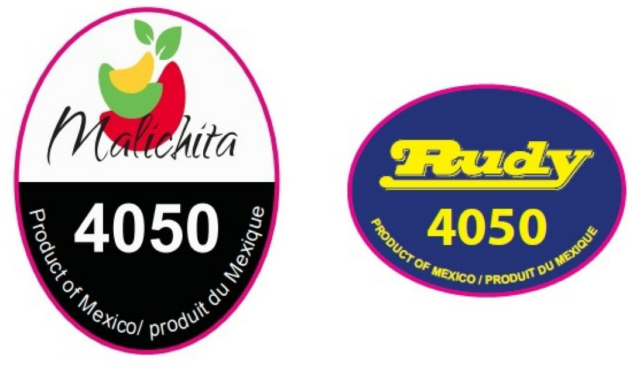
  • Whole fresh cantaloupes with a label on the cantaloupe that says “Malichita” or “Rudy,” “4050,” and “Product of Mexico/produit du Mexique.”
  • Retailers and wholesalers would have received recalled whole melons from Sofia Produce doing business as TruFresh in boxes labeled “Malichita” or “Rudy,” or from Crown Jewels Produce in boxes labeled “Malichita/Z Farms,” or from Pacific Trellis in corrugated cartons with certain lot codes.

Recalled pre-cut cantaloupe and products containing pre-cut cantaloupes made from recalled whole cantaloupes are:

  • ALDI cantaloupe, cut cantaloupe, and pineapple spears in clamshell packaging with Best-by dates between Oct. 27 and Oct. 31 and sold in IL, IN, IA, KY, MI, and WI.
  • Vinyard cantaloupe chunks and cubes, fruit mixes, melon medleys, and fruit cups containing cantaloupe. Most have a “Vinyard” label, and some have a red label with “Fresh” sold between October 30 and November 10 in Oklahoma stores.
  • Freshness Guaranteed (sold at Walmart stores) seasonal blend, melon trio, melon mix, fruit blend, fruit bowl, seasonal fruit tray, fruit mix, and cantaloupe chunks; and RaceTrac fruit medley sold in clear square or round plastic containers. Recalled products were sold at select retail stores in IN, MI, OH, KY, NC, TN, VA, IL, TX, and LA (see recall announcement for lot codes and “best by” dates).
  • KwikTrip 6-oz mixed fruit cup, 6-oz cantaloupe cup, and 16-oz fruit tray distributed to Kwik Trip, Kwik Star, Stop-N-Go, Tobacco Outlet Plus Grocery, and Tobacco Outlet Plus convenience stores in WI, MN, IA, MI, IL, and SD.
  • Bix Produce 5.75-oz Created Fresh! cantaloupe Grab N’ Go fruit cups, Created Fresh! Grab N’ Go mixed fruit cups, and Jack & Olive mixed fruit cups sold in MN, ND, SD, and WI.
  • GHGA pre-cut products containing cantaloupe branded as Sprouts Farmers Market, Trader Joes, and unbranded products sold at Kroger. Recalled products were distributed to Kroger stores in AL and GA, Sprout’s Farmers Market stores in AL, GA, NC, and SC, and Trader Joe’s stores in AL, FL, GA, SC, and TN (see recall for lot codes and “sell-by” dates).
  • Cut Fruit Express Caribou Coffee Fruit Mix CHPG 6.5oz and Cut Fruit Express-brand of 6.5oz, 15oz, 16oz, 32oz packages of Fruit Mix containing cantaloupes. This recall also includes food service packages of cantaloupe chunks and fruit mixes containing cantaloupe.
  • TGD Cuts, LLC fresh-cut fruit cup, clamshell and tray products containing cantaloupe.
  • Stop & Shop
    Truefresh Cantaloupe that was purchased between Oct. 23 – Nov. 11, 2023 in CT, NJ, and NY.

Salmonella:  Marler Clark, The Food Safety Law Firm, is the nation’s leading law firm representing victims of Salmonella outbreaks. The Salmonella lawyers of Marler Clark have represented thousands of victims of Salmonella and other foodborne illness outbreaks and have recovered over $850 million for clients.  Marler Clark is the only law firm in the nation with a practice focused exclusively on foodborne illness litigation.  Our Salmonella lawyers have litigated Salmonella cases stemming from outbreaks traced to a variety of foods, such as cantaloupe, tomatoes, ground turkey, salami, sprouts, cereal, peanut butter, and food served in restaurants.  The law firm has brought Salmonella lawsuits against such companies as Cargill, ConAgra, Peanut Corporation of America, Sheetz, Taco Bell, Subway and Wal-Mart.  

If you or a family member became ill with a Salmonella infection, including Reactive Arthritis or Irritable bowel syndrome (IBS), after consuming food and you’re interested in pursuing a legal claim, contact the Marler Clark Salmonella attorneys for a free case evaluation.

Additional Resources:

Wake County Public Health and Wake County Environmental Services are alerting the public of three confirmed cases of norovirus, all linked to a local Raleigh restaurant. Norovirus is a very contagious illness that can make people sick soon after coming in contact with an infected person, eating contaminated food, or touching contaminated surfaces. All individuals who became sick are recovering. Before they became ill, residents visited Sushi Nine, an Asian restaurant located at 3812 Western Blvd., Raleigh. 

The first person to report to Wake County about feeling ill after eating in the restaurant was Friday, Dec. 1. Staff immediately responded and initiated the investigation. Soon after more reports reached Wake County’s Public Health Communicable Disease team. In total 241 complaints were received, and all of those diners reported visiting the restaurant between Saturday, Nov. 28 and Tuesday, Dec. 5. Staff have been able to interview more than 170 of the complainants so far and all have been asked to give stool samples, the only way to lab test for norovirus. Only three people provided samples so far and all three samples came back positive for the norovirus. The County is continuing to investigate all complaints. 

The restaurant voluntarily closed for deep cleaning on Tuesday, Dec. 5. It has since reopened to the public. An environmental health consultant is conducting daily visits to the establishment. No new complaints have been reported since the restaurant reopened on Friday, Dec. 8.

Wake County is currently investigating all potential sources of exposure. And so far, the investigation is not pointing to a single type of food that might have been the source, as those who reported becoming sick ate a variety of menu items. It is common with norovirus investigations to not be able to narrow down to a specific source of contamination. 

It was April 1999 and I had started Marler Clark just a year before. However, I still had the political bug (I had been elected in 1977, at 19, as the first and youngest elected official in the state of Washington and perhaps in the U.S), and I was being asked to explore a run against a sitting senator. I did several trips to D.C. and decided to tour the state to see if people were interested in a 40 something foodborne illnesses lawyer as a possible senator.

The day my third daughter was born, I flew to Eastern Washington to meet with party officials and activists (her birth certificate said “Baby Girl Marler”). At the airport I was met with the smiling face of a reporter who asked a bunch of questions, including what was the name of the new Marler. Time seemed to stand still for a moment before I blurted out “Sydney Camille Marler” – a name that my wife and I had not agreed on.

Note: Sidney (with an i) was my wife’s grandfather and Camille was mine.

After getting home my wife mentioned that we should probably come up with a name – I sheepishly said, “Have you read the paper?” Well, I am still married, I am not a senator, and Syd’s name fits her well.

At least 125 children impacted.

According to reporting in Politico, Tainted cinnamon applesauce pouches that have sickened scores of children in the U.S. may have been purposefully contaminated with lead, according to FDA’s Deputy Commissioner for Human Foods Jim Jones.

“We’re still in the midst of our investigation. But so far all of the signals we’re getting lead to an intentional act on the part of someone in the supply chain and we’re trying to sort of figure that out,” Jones said in an exclusive interview. The pouches found to be contaminated were sold under three brands — Weis, WanaBana and Schnucks — that are all linked to a manufacturing facility in Ecuador. The FDA says it’s conducting an inspection of that facility.

CDC’s National Center for Environmental Health is conducting case finding efforts in collaboration with state and local health departments. CDC’s case definition for state partners includes a blood lead level of 3.5 µg/dL or higher measured within 3 months after consuming a recalled WanaBana, Schnucks, or Weis brand fruit puree product after November 2022. As of December 8, CDC has received reports of 46 confirmed cases, 68 probable cases, and 11 suspected cases for a total of 125 cases from 22 different states through their reporting structure. For more information, please visit CDC’s page to review their case reporting methodology and findings.

In the United States as of December 6, 230 people infected with one of the outbreak strains of Salmonella have been reported from 38 states. Illnesses started on dates ranging from October 16, 2023, to November 20, 2023. Of 185 people with information available, 96 (52%) have been hospitalized. Three deaths have been reported, two from Minnesota and one from Oregon.

Whole cantaloupe recall:

  • Whole fresh cantaloupes with a label on the cantaloupe that says “Malichita” or “Rudy”, “4050”, and “Product of Mexico/produit du Mexique”.
  • Retailers and wholesalers would have received recalled whole melons from Crown Jewels Produce in boxes labeled “Malichita/Z Farms” or from Sofia Produce doing business as TruFresh in boxes labeled “Malichita” or “Rudy”, or from Pacific Trellis in corrugated cartons with certain lot codes.

Recalled pre-cut cantaloupe and products containing pre-cut cantaloupes (these products are made from recalled whole cantaloupes):

  • ALDIcantaloupe, cut cantaloupe, and pineapple spears in clamshell packaging with Best-by dates between October 27 and October 31 and sold in IL, IN, IA, KY, MI, and WI.
  • Vinyard cantaloupe chunks and cubes, fruit mixes, melon medleys, and fruit cups containing cantaloupe. Most have a “Vinyard” label, and some have a red label with “Fresh” sold between October 30 and November 10 in Oklahoma stores.
  • Freshness Guaranteed (sold at select Walmart stores) seasonal blend, melon trio, melon mix, fruit blend, fruit bowl, seasonal fruit tray, fruit mix, and cantaloupe chunks; and RaceTrac fruit medley sold in clear square or round plastic containers. Recalled products were sold at select retail stores in IN, MI, OH, KY, NC, TN, VA, IL, TX, and LA (see recall announcement for lot codes and “best by” dates).
  • KwikTrip 6-oz mixed fruit cup, 6-oz cantaloupe cup, and 16-oz fruit tray distributed to Kwik Trip, Kwik Star, Stop-N-Go, Tobacco Outlet Plus Grocery, and Tobacco Outlet Plus convenience stores in WI, MN, IA, MI, IL, and SD.
  • Bix Produce 5.75-oz Created Fresh! cantaloupe Grab N’ Go fruit cups, Created Fresh! Grab N’ Go mixed fruit cups, and Jack & Olive mixed fruit cups sold in MN, ND, SD, and WI.
  • GHGA pre-cut products containing cantaloupe branded as Sprouts Farmers Market, Trader Joes, and unbranded products sold at Kroger. Recalled products were distributed to Kroger stores in AL and GA, Sprout’s Farmers Market stores in AL, GA, NC, and SC, and Trader Joe’s stores in AL, FL, GA, SC, and TN (see recall for lot codes and “sell-by” dates).
  • Cut Fruit Express Caribou Coffee Fruit Mix CHPG 6.5oz and Cut Fruit Express-brand of 6.5oz, 15oz, 16oz, 32oz packages of Fruit Mix containing cantaloupes. This recall also includes food service packages of cantaloupe chunks and fruit mixes containing cantaloupe.
  • TGD Cuts, LLC fresh-cut fruit cup, clamshell and tray products containing cantaloupe.
  • FDA has compiled a list of recalls being conducted by companies that received and used recalled melons to make pre-cut cantaloupe or products containing pre-cut cantaloupes. This list will be updated as the agency receives notifications of new recalls.

In Canada, as of December 7, there have been 129 laboratory-confirmed cases of Salmonella Soahanina, Sundsvall and Oranienburg illness linked to this outbreak in the following provinces: British Columbia (15), Ontario (17), Quebec (91), Prince Edward Island (2), New Brunswick (2), and Newfoundland and Labrador (2). Additional Salmonella infections are under investigation and more illnesses associated with this outbreak may be confirmed. Individuals became sick between mid-October and mid-November 2023. Forty-four (44) individuals have been hospitalized. Five deaths have been reported. Individuals who became ill are between 0 to 100 years of age. The majority of the individuals who became sick are children 5 years of age or younger (35%), or adults 65 years of age or older (45%). About half of the cases (52%) are female.

FDA is conducting an onsite inspection at the Austrofoods facility located in Ecuador. Cinnamon samples collected from the lots used in recalled products will undergo laboratory analysis. FDA will update this advisory to share the sample results once the analysis is complete. 

To date, the FDA has worked with Ecuadorian authorities to gather information about Negasmart, the supplier of cinnamon to Austrofoods, including whether the cinnamon in the recalled products was used in other products exported to the United States. Working together with Ecuadorian authorities, the FDA has confirmed that, of Negasmart’s direct customers, only Austrofoods ships product to the US. In addition, the FDA has confirmed that Negasmart does not directly export products to the US. 

As of December 11, 2023, FDA has received 65 reports of adverse events potentially linked to recalled product. To date, confirmed complainants, or people for whom an adverse event was submitted, are under 6 years of age. 

CDC’s National Center for Environmental Health is conducting case finding efforts in collaboration with state and local health departments. CDC’s case definition for state partners includes a blood lead level of 3.5 µg/dL or higher measured within 3 months after consuming a recalled WanaBana, Schnucks, or Weis brand fruit puree product after November 2022. As of December 8, CDC has received reports of 46 confirmed cases, 68 probable cases, and 11 suspected cases for a total of 125 cases from 22 different states through their reporting structure. For more information, please visit CDC’s page to review their case reporting methodology and findings.

CDC and FDA have different data sources, so the counts reported by each agency will not directly correspond. In addition, some people who were affected by the contaminated product might be reflected in both the numbers reported by the FDA and the numbers reported by CDC, so the numbers should not be added together.

FDA’s investigation is ongoing to determine the point of contamination and whether additional products are linked to illnesses. FDA will update the advisory as information becomes available.

FDA, along with CDC and state and local partners, is investigating reports of elevated blood lead levels in individuals with reported exposure to Apple Cinnamon Fruit Puree pouches manufactured in Ecuador and sold under WanaBana, Weis, and Schnucks brands.

  • WanaBana apple cinnamon fruit puree pouches are sold nationally and are available through multiple retailers including Amazon, Dollar Tree, and other online outlets.
  • FDA is aware that recalled WanaBana Apple Cinnamon Puree is still on the shelves at several Dollar Tree stores in multiples states. This product should not be available and consumers should not purchase this product.
  • Schnucks-brand cinnamon-flavored applesauce pouches and variety pack are sold at Schnucks and Eatwell Markets grocery stores.
  • Weis-brand cinnamon applesauce pouches are sold at Weis grocery stores.


FDA is aware that recalled WanaBana Apple Cinnamon Puree is still on the shelves at several Dollar Tree stores in multiple states. FDA is working with the firm to ensure an effective recall. This product should not be available for sale and consumers should not purchase or consume this product as it is potentially contaminated with lead, which can be harmful to health, particularly for children.

To properly discard the product, consumers and retailers should carefully open the pouch and empty the content into a trash can before discarding the packaging to prevent others from salvaging recalled product from the trash. Clean up any spills after discarding the product then wash your hands. 

FDA’s investigation is ongoing to determine the point of contamination and whether additional products are linked to illnesses. At this time, the FDA is not aware of any other reports of illnesses or elevated blood lead level adverse events reported for other cinnamon-containing products or cinnamon.

FDA and other state partners collected and analyzed additional product samples of fruit puree and applesauce pouches. FDA detected elevated levels of lead in one finished product sample of WanaBana Apple Cinnamon Puree collected from Dollar Tree. The level detected in the FDA sample of WanaBana apple cinnamon puree is 2.18 parts per million (ppm), which, for context, is more than 200 times greater than the action level the FDA has proposed in draft guidance for fruit purees and similar products intended for babies and young children. 

FDA’s leading hypothesis is that cinnamon used in these recalled pouches is the likely source of contamination for these products; however, the FDA has not yet been able to collect and test samples of the cinnamon used in the recalled products. The FDA is continuing to work with Ecuadorian authorities to investigate the source of the cinnamon. At this time, FDA has no indication that this issue extends beyond these recalled products, but to further protect public health, FDA is screening incoming shipments of cinnamon from multiple countries for lead contamination. 

In addition to determining the source of cinnamon, FDA’s investigation is ongoing to determine the point of contamination and whether additional products are linked to illnesses. At this time, the FDA is not aware of any other reports of illnesses or elevated blood lead level adverse events reported for other cinnamon-containing products or cinnamon.

The FDA also reminds industry that it is the legal responsibility of companies distributing food products that are sold in the U.S., to comply with applicable requirements in the Federal Food, Drug, and Cosmetic Act and FDA’s regulations

By law, food manufacturers have a responsibility to significantly minimize or prevent chemical hazards when needed. This includes putting in place any needed preventive controls to reduce or eliminate the presence of lead in their products. Most food manufacturers and processors are covered by the preventive control provisions of the Current Good Manufacturing Practice, Hazard Analysis, and Risk-Based Preventive Controls for Human Food rule. The preventive control provisions require industry to implement controls to significantly minimize or prevent any identified chemical hazards, such as lead, requiring a control. In addition, some manufacturers may conduct verification activities like testing the final product. 

For more information please see FDA’s Draft Guidance for Industry on Hazard Analysis and Risk-Based Preventive Controls for Human Food.

CDC, public health and regulatory officials in several states, and the U.S. Food and Drug Administration (FDA) collected different types of data to investigate a multistate outbreak of Salmonella Thompson infections. Epidemiologic, laboratory, and traceback data showed that onions processed at Gills Onions were contaminated with Salmonella and made people sick.

As of December 4, 2023, a total of 80 people infected with the outbreak strain of Salmonella were reported from 23 states: Arizona 1, California 17, Colorado 1, Georgia 1, Iowa 1, Idaho 1, Illinois 4, Indiana 2, Kentucky 1, Massachusetts 1, Michigan 6, Montana 2, North Dakota 2, New York 1, Ohio 3, Oregon 3, Tennessee 1, Texas 1, Utah 19, Virginia 3, Washington 4, Wisconsin 4 and Wyoming 1. Illnesses started on dates ranging from August 2, 2023, to November 11, 2023. Of the 72 people with information available, 18 (25%) were hospitalized. One death from Wisconsin was reported.

Public health investigators used the PulseNet system to identify illnesses that may have been part of this outbreak. CDC PulseNet manages a national database of DNA fingerprints of bacteria that cause foodborne illnesses. DNA fingerprinting is performed on bacteria using a method called whole genome sequencing (WGS). WGS showed that bacteria from sick people’s samples were closely related genetically. This suggested that people in this outbreak got sick from the same food.

The outbreak strain was identified by FDA in October 2023 in environmental samples collected from the farm where the onions were grown. Other Salmonella strains were also identified from samples taken from the onion farm. CDC identified people who got sick with these strains of Salmonella, but there was not enough epidemiologic or traceback evidence to confirm these illnesses were part of the outbreak.

FDA conducted a traceback investigation and determined that onions processed at Gills Onions were available at points of service where people ate prior to becoming ill. Meal records from the long-term care facilities showed that people were served diced onions from Gills Onions.

On October 23, 2023, Gills Onions recalled fresh diced onion products.

This just fell into my inbox:

I’m reaching out to provide an update on FDA’s proposal to unify the Human Foods Program (HFP).  The proposed reorganization package is now under review at HHS, which begins the formal external review process. The FDA’s proposed reorganization package includes new updates that not only shift how the agency’s food and field work is conducted, but also impacts a number of additional FDA offices outside of these programs.  

The proposed changes highlight the agency-wide nature of the proposed reorganization package, including the following: 

·         Making the FDA’s HFP and product Centers solely responsible for receipt, triage and closing consumer and whistleblower complaints, rather than this role being split between Centers and field Offices.  

·         Renaming ORA as the Office of Inspections and Investigations (OII) and solidifying its role as the frontline of the FDA’s field-based inspection, investigation and import operations.  

·         Establishing an Office of the Chief Medical Officer (OCMO) in the Office of the Commissioner to strengthen central coordination of cross-agency medical issues, including special populations such as people with rare diseases and children.  

·         Merging the Office of Counterterrorism and Emerging Threats (OCET) and the Office of Regulatory Science and Innovation (ORSI) to form a new office; both offices are currently housed within the FDA’s Office of the Chief Scientist (OCS).  

·         Creating an Office of Enterprise Transformation in the Office of the Commissioner to drive high-priority cross-cutting business process improvement efforts.   

In addition to HHS’ review, there are several critical steps remaining before the agency can implement the proposed program, including review by the Office of Management and Budget and issuing a Federal Register Notice. We are hopeful that implementation can begin in calendar year 2024. 

Today, the FDA is also releasing a progress update on the important actions the agency has taken to address areas for improvement found in FDA’s Internal Evaluation of the FDA’s Infant Formula Response

More information about today’s updates on the HFP and additional modernization efforts can be found in FDA’s Press Release at https://www.fda.gov/news-events/press-announcements/fda-advances-reorganization-proposal-unified-human-foods-program-field-operations-and-additional