Unfortunately, the United States number will likely increase this coming week after the Holiday break.

Marler Clark has been in the lead for all the Cantaloupe Outbreaks Lawsuits over the last decades. Here is a sampling:

As of December 22, there have been 164 laboratory-confirmed cases of Salmonella Soahanina, Sundsvall and Oranienburg illness linked to this outbreak in the following provinces: British Columbia (18), Alberta (4), Ontario (21), Quebec (111), Prince Edward Island (2), New Brunswick (2), Nova Scotia (4) and Newfoundland and Labrador (2). Sixty-one (61) individuals have been hospitalized. Seven deaths have been reported. Individuals who became ill are between 0 to 100 years of age. Most of the individuals who became sick are children 5 years of age or younger (36%), or adults 65 years of age or older (45%).

As of December 14, 302 people infected with one of the outbreak strains of Salmonella have been reported from 42 states: Alaska 1, Arizona 14, Arkansas 2, California 14, Colorado 9, Connecticut 2, Florida 1, Georgia 6, Illinois 18, Indiana 7, Iowa 8, Kansas 2, Kentucky 8, Maryland 6, Massachusetts 2, Michigan 6, Minnesota 26, Mississippi 1, Missouri 15, Montana 2, Nebraska 7, Nevada 5, New Hampshire 1, New Jersey 6, New Mexico 2, New York 10, North Carolina 6, Ohio 13, Oklahoma 4, Oregon 6, Pennsylvania 5, Rhode Island 1, South Carolina 9, South Dakota 1, Tennessee 5, Texas 23, Utah 11, Virginia 7, Washington 4, West Virginia 3, Wisconsin 22, Wyoming 1. Illnesses started on dates ranging from October 16, 2023, to November 28, 2023. Of 263 people with information available, 129 (49%) have been hospitalized. Four deaths have been reported, three from Minnesota and one from Oregon. Range in age from <1 to 100 years – Median age of 61 years – 26% are 5 years or younger – 8% are 65 years or older.

Recalled Cantaloupe
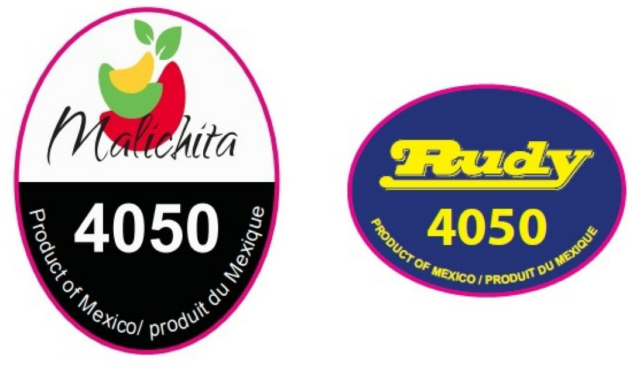
Malichita and Rudy brand whole cantaloupes

Pre-cut fruit products made with recalled whole cantaloupes 

  • Kwik Trip cantaloupe cups, mixed fruit cups, and fruit tray with sell-by dates from November 4 through December 3
  • TGD Cuts cantaloupe chunks, mixed fruits, and fruit trays with use-by dates from November 2 through November 24
  • Freshness Guaranteed and RaceTrac cantaloupe chunks, seasonal blend, melon mixes, and fruit mixes with best-by dates from November 7 through November 12
  • Stop & Shop cantaloupe purchased from October 23 through November 11
  • Vinyard cantaloupe cubes, melon medleys, and fruit medleys sold in Oklahoma stores from October 30 through November 10
  • Kroger, Sprouts Farmers Market, and Trader Joe’s cantaloupe chunks, mixed melons, fruit medleys, and fruit trays with best-by dates from October 28 through November 8
  • Cut Fruit Express cantaloupe chunks, melon mixes, and fruit mixes with use-by dates from November 4 through November 6
  • ALDI [PDF – 2 pages] whole cantaloupes, cantaloupe chunks, and pineapple spears with best-by dates from October 27 through October 31
  • Bix Produce cantaloupe fruit cups and mixed fruit cups with sell-by dates of October 25 and October 26
  • All cantaloupe recalls are listed on FDA’s cantaloupe recall website.

I have been doing this kind of work for over 30 years and I seldom have seen such a detailed report as this done in any outbreak. Kudos to the folks at McHenry County and others involved in the investigation. Below are the bullet points – full report can be found HERE.

We do represent several of the kids impacted and will determine next steps after a few more reads of the report.

  • The most likely mode of transmission of STEC in the HHS cafeteria was through an infected food handler. At the time of the investigation a HHS food handler, that worked at both the cold sandwich station, providing garnishes (lettuce and cheese) to the sandwiches, and at the cookie station was confirmed by PCR, to have been intermittently shedding STEC, Shiga toxin 2.
  • Sixteen (16) cases were identified. All cases were students or non-cafeteria staff. One food handler from the HHS cafeteria tested positive for STEC 2 (Appendix E, Table 1) but reported never experiencing symptoms. 
  • Among the sixteen (16) cases, fifteen (15) cases (93.8%) ate from the HHS cafeteria at sometime during the school day. Of the fifteen (15) cases, all fifteen (15) cases (93.8%) ate lunch from the cafeteria.
  • Stool specimen collection from food handlers confirmed that one HHS food handler was intermittently shedding STEC Shiga toxin 2 (PCR positive) as specimen #1 was negative, specimen #2 positive, specimen #3 negative, specimen #4 positive and specimens #5 and #6 were negative. 
  • Sixteen (16) individuals met the case definition for the case-control study conducted by the Epidemiology and Communicable Disease Programs. A case-control study only identifies a sample of ill individuals during a specific timeframe. It does not necessarily identify all individuals who became ill but only cases and controls to collect sufficient data to statistically prove a hypothesis of the cause of illness. Therefore, the total number of ill individuals identified via this case-control study may not represent the total number of ill individuals associated with this cluster of illness.
  • The HHS cafeteria is the point source(s) location for the transmission of illness in this outbreak. The epidemiological investigation identified that 15 of 16 cases (93.7% of cases) ate food from the HHS Cafeteria.
  • The only food items found to be significantly associated with illness were from the cafeteria, and food items from all other sources were not found to be associated with illness. Eating a sandwich from the cold sandwich station and eating cookies from the cafeteria were found to be associated with illness. All 15 cases that ate lunch from the cafeteria ate a sandwich from the cold sandwich station and all cases with information available for lettuce ate lettuce on their sandwich.
  • The outbreak of STEC at HHS was linked to a multistate outbreak by WGS. However, this does not imply that the source for the multistate outbreak, which is unidentified to date, is the same as for the outbreak at HHS. It is likely that the multistate outbreak and the outbreak at HHS share a common source by a student or staff member of HHS becoming ill with STEC after exposure to the source of the multistate outbreak at an external location. Once introduced into HHS, STEC was transmitted primarily through the HHS cafeteria.
  • In this illness outbreak, the likeliest scenario is that the infected food handler failed to wash their hands correctly, or thoroughly enough, or frequently enough, which resulted in contamination of either surfaces (trays, utensils food packaging, etc.) or food items at the cold sub sandwich station and cookie station. This allowed transmission of the pathogen either through contact with contaminated surfaces and/or ready-to-eat food items which acted as fomites. Without a further cooking step after contamination, the pathogen remained viable and resulted in illness following consumption. STEC can be present for up to 16 months on surfaces without proper sanitization.

 E. coli, Sources, Characteristics, and Identification

E. coli is an archetypal commensal bacterial species that lives in mammalian intestines. E. coli O157:H7 is one of thousands of serotypes Escherichia coli.[1] The combination of letters and numbers in the name of the E. coli O157:H7 refers to the specific antigens (proteins which provoke an antibody response) found on the body and tail or flagellum[2]respectively and distinguish it from other types of E. coli.[3] Most serotypes of E. coli are harmless and live as normal flora in the intestines of healthy humans and animals.[4] The E. coli bacterium is among the most extensively studied microorganism.[5] The testing done to distinguish E. coli O157:H7 from its other E. coli counterparts is called serotyping.[6] Pulsed-field gel electrophoresis (PFGE),[7] sometimes also referred to as genetic fingerprinting, is used to compare E. coli O157:H7 isolates to determine if the strains are distinguishable.[8] A technique called multilocus variable number of tandem repeats analysis (MLVA) is used to determine precise classification when it is difficult to differentiate between isolates with indistinguishable or very similar PFGE patterns.[9]

E. coli O157:H7 was first recognized as a pathogen in 1982 during an investigation into an outbreak of hemorrhagic colitis[10] associated with consumption of hamburgers from a fast food chain restaurant.[11] Retrospective examination of more than three thousand E. coli cultures obtained between 1973 and 1982 found only one (1) isolationwith serotype O157:H7, and that was a case in 1975.[12] In the ten (10) years that followed there were approximately thirty (30) outbreaks recorded in the United States.[13] This number is likely misleading, however, because E. coliO157:H7 infections did not become a reportable disease in any state until 1987 when Washington became the first state to mandate its reporting to public health authorities.[14] As a result, only the most geographically concentrated outbreak would have garnered enough notice to prompt further investigation.[15]

The E. coli O157:H7 Bacteria

E. coli O157:H7’s ability to induce injury in humans is a result of its ability to produce numerous virulence factors, most notably Shiga-like toxins.[16] Shiga toxin (Stx) has multiple variants (e.g. Stx1, Stx2, Stx2c), and acts like the plant toxin ricin by inhibiting protein synthesis in endothelial and other cells.[17] Shiga toxin is one of the most potent toxins known.[18] In addition to Shiga toxins, E. coli O157:H7 produces numerous other putative virulence factors including proteins, which aid in the attachment and colonization of the bacteria in the intestinal wall and which can lyse red blood cells and liberate iron to help support E. coli metabolism.[19]

E. coli O157:H7 evolved from enteropathogenic E. coli serotype O55:H7, a cause of non-bloody diarrhea, through the sequential acquisition of phage-encoded Stx2, a large virulence plasmid, and additional chromosomal mutations.[20]The rate of genetic mutation of E. coli O157:H7 indicates that the common ancestor of current E. coli O157:H7 clades[21] likely existed some 20,000 years ago.[22] E. coli O157:H7 is a relentlessly evolving organism,[23] constantly mutating and acquiring new characteristics, including virulence factors that make the emergence of more dangerous variants a constant threat.[24] The CDC has emphasized the prospect of emerging pathogens as a significant public health threat for some time.[25]

Although foods of a bovine origin are the most common cause of both outbreaks and sporadic cases of E. coliO157:H7 infections[26], outbreak of illnesses have been linked to a wide variety of food items. For example, produce has, since at least 1991, been the source of substantial numbers of outbreak-related E. coli O157:H7 infections.[27] Other unusual vehicles for E. coli O157:H7 outbreaks have included unpasteurized juices, yogurt, dried salami, mayonnaise, raw milk, game meats, sprouts, and raw cookie dough.[28]

According to a recent study, an estimated 93,094 illnesses are due to domestically acquired E. coli O157:H7 each year in the United States.[29] Estimates of foodborne acquired O157:H7 cases result in 2,138 hospitalizations and 20 deaths annually.[30] The colitis caused by E. coli O157:H7 is characterized by severe abdominal cramps, diarrhea that typically turns bloody within twenty-four (24) hours, and sometimes fevers.[31] The incubation period—which is to say the time from exposure to the onset of symptoms—in outbreaks is usually reported as three (3) to four (4) days, but may be as short as one (1) day or as long as ten (10) days.[32] Infection can occur in people of all ages but is most common in children.[33] The duration of an uncomplicated illness can range from one (1) to twelve (12) days.[34] In reported outbreaks, the rate of death is 0-2%, with rates running as high as 16-35% in outbreaks involving the elderly, like those have occurred at nursing homes.[35]

What makes E. coli O157:H7 remarkably dangerous is its very low infectious dose,[36] and how relatively difficult it is to kill these bacteria.[37] Unlike Salmonella, for example, which usually requires something approximating an “egregious food handling error, E. coli O157:H7 in ground beef that is only slightly undercooked can result in infection,”[38] as few as twenty (20) organisms may be sufficient to infect a person and, as a result, possibly kill them.[39] And unlike generic E. coli, the O157:H7 serotype multiplies at temperatures up to 44°F, survives freezing and thawing, is heat resistant, grows at temperatures up to 111°F, resists drying, and can survive exposure to acidic environments.[40]

And, finally, to make it even more of a threat, E. coli O157:H7 bacteria are easily transmitted by person-to-person contact.[41] There is also the serious risk of cross-contamination between raw meat and other food items intended to be eaten without cooking. Indeed, a principle and consistent criticism of the USDA E. coli O157:H7 policy is the fact that it has failed to focus on the risks of cross-contamination versus that posed by so-called improper cooking.[42] With this pathogen, there is ultimately no margin of error. It is for this precise reason that the USDA has repeatedly rejected calls from the meat industry to hold consumers primarily responsible for E. coli O157:H7 infections caused, in part, by mistakes in food handling or cooking.[43]

Hemolytic Uremic Syndrome (HUS)

E. coli O157:H7 infections can lead to a severe, life-threatening complication called hemolytic uremic syndrome (HUS).[44] HUS accounts for the majority of the acute deaths and chronic injuries caused by the bacteria.[45] HUS occurs in 2-7% of victims, primarily children, with onset five to ten days after diarrhea begins.[46] It is the most common cause of renal failure in children.[47] Approximately half of the children who suffer HUS require dialysis, and at least 5% of those who survive have long term renal impairment.[48] The same number suffers severe brain damage.[49] While somewhat rare, serious injury to the pancreas, resulting in death or the development of diabetes, can also occur.[50] There is no cure or effective treatment for HUS.[51]

HUS is believed to develop when the toxin from the bacteria, known as Shiga-like toxin (SLT), enters the circulation through the inflamed bowel wall.[52] SLT, and most likely other chemical mediators, attach to receptors on the inside surface of blood vessel cells (endothelial cells) and initiate a chemical cascade that results in the formation of tiny thrombi (blood clots) within these vessels.[53] Some organs seem more susceptible, perhaps due to the presence of increased numbers of receptors, and include the kidney, pancreas, and brain.[54]  By definition, when fully expressed, HUS presents with the triad of hemolytic anemia (destruction of red blood cells), thrombocytopenia (low platelet count), and renal failure (loss of kidney function).[55]

As already noted, there is no known therapy to halt the progression of HUS. HUS is a frightening complication that even in the best American centers has a notable mortality rate.[56] Among survivors, at least five percent will suffer end stage renal disease (ESRD) with the resultant need for dialysis or transplantation.[57] But, “[b]ecause renal failure can progress slowly over decades, the eventual incidence of ESRD cannot yet be determined.”[58] Other long-term problems include the risk for hypertension, proteinuria (abnormal amounts of protein in the urine that can portend a decline in renal function), and reduced kidney filtration rate.[59] Since the longest available follow-up studies of HUS victims are 25 years, an accurate lifetime prognosis is not really available and remains controversial.[60] All that can be said for certain is that HUS causes permanent injury, including loss of kidney function, and it requires a lifetime of close medical-monitoring.


[1]           E. coli bacteria were discovered in the human colon in 1885 by German bacteriologist Theodor Escherich. Feng, Peter, Stephen D. Weagant, Michael A. Grant, Enumeration of Escherichia coli and the Coliform Bacteria, in BACTERIOLOGICAL ANALYTICAL MANUAL (8th Ed. 2002), http://www.cfsan.fda.gov/~ebam/bam-4.html. Dr. Escherich also showed that certain strains of the bacteria were responsible for infant diarrhea and gastroenteritis, an important public health discovery. Id. Although the bacteria were initially called Bacterium coli, the name was later changed to Escherichia coli to honor its discoverer. Id.

[2]           Not all E. coli are motile. For example, E. coli O157:H7 which lack flagella are thus E. coli O157:NM for non-motile.

[3]           CDC, Escherichia coli O157:H7, General Information, Frequently Asked Questions: What is Escherichia coli O157:H7?, http://www.cdc.gov/ncidod/dbmd/diseaseinfo/escherichiacoli_g.htm.

[4]           Marion Nestle, Safe Food:  Bacteria, Biotechnology, and Bioterrorism, 40-41 (1st Pub. Ed. 2004).

[5]           James M. Jay, MODERN FOOD MICROBIOLOGY at 21 (6th ed. 2000). (“This is clearly the most widely studied genus of all bacteria.”)

[6]           Beth B. Bell, MD, MPH, et al. A Multistate Outbreak of Escherichia coli O157:H7-Associated Bloody Diarrhea and Hemolytic Uremic Syndrome from Hamburgers:  The Washington Experience, 272 JAMA (No. 17) 1349, 1350 (Nov. 2, 1994) (describing the multiple step testing process used to confirm, during a 1993 outbreak, that the implicated bacteria were E. coli O157:H7).

[7]           Jay, supra note 5, at 220-21 (describing in brief the PFGE testing process).

[8]           Id. Through PFGE testing, isolates obtained from the stool cultures of probable outbreak cases can be compared to the genetic fingerprint of the outbreak strain, confirming that the person was in fact part of the outbreak. Bell, supra note 6, at 1351-52. Because PFGE testing soon proved to be such a powerful outbreak investigation tool, PulseNet, a national database of PFGE test results was created. Bala Swaminathan, et al. PulseNet:  The Molecular Subtyping Network for Foodborne Bacterial Disease Surveillance, United States, 7 Emerging Infect. Dis. (No. 3) 382, 382-89 (May-June 2001) (recounting the history of PulseNet and its effectiveness in outbreak investigation).

[9]           Konno T. et al. Application of a multilocus variable number of tandem repeats analysis to regional outbreak surveillance of Enterohemorrhagic Escherichia coli O157:H7 infections. Jpn J Infect Dis. 2011 Jan; 64(1): 63-5.

[10]         “[A] type of gastroenteritis in which certain strains of the bacterium Escherichia coli (E. coli) infect the large intestine and produce a toxin that causes bloody diarrhea and other serious complications.”  The Merck Manual of Medical Information, 2nd Home Ed. Online, http://www.merck.com/mmhe/sec09/ch122/ch122b.html.

[11]         L. Riley, et al. Hemorrhagic Colitis Associated with a Rare Escherichia coli Serotype, 308 New. Eng. J. Med. 681, 684-85 (1983) (describing investigation of two outbreaks affecting at least 47 people in Oregon and Michigan both linked to apparently undercooked ground beef). Chinyu Su, MD & Lawrence J. Brandt, MD, Escherichia coli O157:H7 Infection in Humans, 123 Annals Intern. Med. (Issue 9), 698-707 (describing the epidemiology of the bacteria, including an account of its initial discovery).

[12]         Riley, supra note 11 at 684. See also Patricia M. Griffin & Robert V. Tauxe, The Epidemiology of Infections Caused by Escherichia coliO157:H7, Other Enterohemorrhagic E. coli, and the Associated Hemolytic Uremic Syndrome, 13 Epidemiologic Reviews 60, 73 (1991).

[13]         Peter Feng, Escherichia coli Serotype O157:H7:  Novel Vehicles of Infection and Emergence of Phenotypic Variants, 1 Emerging Infect. Dis. (No. 2), 47, 47 (April-June 1995) (noting that, despite these earlier outbreaks, the bacteria did not receive any considerable attention until ten years later when an outbreak occurred 1993 that involved four deaths and over 700 persons infected).

[14]         William E. Keene, et al. A Swimming-Associated Outbreak of Hemorrhagic Colitis Caused by Escherichia coli O157:H7 and Shigella Sonnei, 331 New Eng. J. Med. 579 (Sept. 1, 1994). See also Stephen M. Ostroff, MD, John M. Kobayashi, MD, MPH, and Jay H. Lewis, Infections with Escherichia coli O157:H7 in Washington State:  The First Year of Statewide Disease Surveillance, 262 JAMA (No. 3) 355, 355 (July 21, 1989). (“It was anticipated the reporting requirement would stimulate practitioners and laboratories to screen for the organism.”)

[15]         See Keene, supra note 14 at 583. (“With cases scattered over four counties, the outbreak would probably have gone unnoticed had the cases not been routinely reported to public health agencies and investigated by them.”)  With improved surveillance, mandatory reporting in 48 states, and the broad recognition by public health officials that E. coli O157:H7 was an important and threatening pathogen, there were a total of 350 reported outbreaks from 1982-2002. Josef M. Rangel, et al. Epidemiology of Escherichia coli O157:H7 Outbreaks, United States, 1982-2002, 11 Emerging Infect. Dis. (No. 4) 603, 604 (April 2005).

[16]         Griffin & Tauxe, supra note 12, at 61-62 (noting that the nomenclature came about because of the resemblance to toxins produced by Shigella dysenteries).

[17]         Sanding K, Pathways followed by ricin and Shiga toxin into cells, Histochemistry and Cell Biology, vol. 117, no. 2:131-141 (2002). Endothelial cells line the interior surface of blood vessels. They are known to be extremely sensitive to E. coli O157:H7, which is cytotoxigenic to these cells making them a primary target during STEC infections.

[18]         Johannes L, Shiga toxins—from cell biology to biomedical applications. Nat Rev Microbiol 8, 105-116 (February 2010). Suh JK, et al.Shiga Toxin Attacks Bacterial Ribosomes as Effectively as Eucaryotic Ribosomes, Biochemistry, 37 (26); 9394–9398 (1998).

[19]         Welinder-Olsson C, Kaijser B. Enterohemorrhagic Escherichia coli (EHEC). Scand J. Infect Dis. 37(6-7): 405-16 (2005). See alsoUSDA Food Safety Research Information Office E. coli O157:H7 Technical Fact Sheet:  Role of 60-Megadalton Plasmid (p0157) and Potential Virulence Factors, http://fsrio.nal.usda.gov/document_fsheet.php?product_id=225.

[20]         Kaper JB and Karmali MA. The Continuing Evolution of a Bacterial Pathogen. PNAS vol. 105 no. 12 4535-4536 (March 2008). Wick LM, et al. Evolution of genomic content in the stepwise emergence of Escherichia coli O157:H7. J Bacteriol 187:1783–1791(2005).

[21]         A group of biological taxa (as species) that includes all descendants of one common ancestor.

[22]         Zhang W, et al. Probing genomic diversity and evolution of Escherichia coli O157 by single nucleotide polymorphisms. Genome Res 16:757–767 (2006).

[23]         Robins-Browne RM. The relentless evolution of pathogenic Escherichia coli. Clin Infec Dis. 41:793–794 (2005).

[24]         Manning SD, et al. Variation in virulence among clades of Escherichia coli O157:H7 associated with disease outbreaks. PNAS vol. 105 no. 12 4868-4873 (2008). (“These results support the hypothesis that the clade 8 lineage has recently acquired novel factors that contribute to enhanced virulence. Evolutionary changes in the clade 8 subpopulation could explain its emergence in several recent foodborne outbreaks; however, it is not clear why this virulent subpopulation is increasing in prevalence.”)

[25]         Robert A. Tauxe, Emerging Foodborne Diseases: An Evolving Public Health Challenge, 3 Emerging Infect. Dis. (No. 4) 425, 427 (Oct.-Dec. 1997). (“After 15 years of research, we know a great deal about infections with E. coli O157:H7, but we still do not know how best to treat the infection, nor how the cattle (the principal source of infection for humans) themselves become infected.”)

[26]         CDC, Multistate Outbreak of Escherichia coli O157:H7 Infections Associated with Eating Ground Beef—United States, June-July 2002, 51 MMWR 637, 638 (2002) reprinted in 288 JAMA (No. 6) 690 (Aug. 14, 2002).

[27]         Rangel, supra note 15, at 605.

[28]         Feng, supra note 13, at 49. See also USDA Bad Bug Book, Escherichia coli O157:H7, http://www.fda.gov/food/foodsafety/foodborneillness/foodborneillnessfoodbornepathogensnaturaltoxins/badbugbook/ucm071284.htm.

[29]         Scallan E, et al. Foodborne illness acquired in the United States –major pathogens, Emerging Infect. Dis. Jan. (2011), http://www.cdc.gov/EID/content/17/1/7.htm.

[30]         Id., Table 3.

[31]         Griffin & Tauxe, supra note 12, at 63.

[32]         Centers for Disease Control, Division of Foodborne, Bacterial and Mycotic Diseases, Escherichia coli general information, http://www.cdc.gov/nczved/dfbmd/disease_listing/stec_gi.htmlSee also PROCEDURES TO INVESTIGATE FOODBORNE ILLNESS, 107 (IAFP 5th Ed. 1999) (identifying incubation period for E. coli O157:H7 as “1 to 10 days, typically 2 to 5”).

[33]         Su & Brandt, supra note 11 (“the young are most often affected”).

[34]         Tauxe, supra note 25, at 1152.

[35]         Id.

[36]         Griffin & Tauxe, supra note 12, at 72. (“The general patterns of transmission in these outbreaks suggest that the infectious dose is low.”)

[37]         V.K. Juneja, O.P. Snyder, A.C. Williams, and B.S. Marmer, Thermal Destruction of Escherichia coli O157:H7 in Hamburger, 60 J. Food Prot. (vol. 10). 1163-1166 (1997) (demonstrating that, if hamburger does not get to 130°F, there is no bacterial destruction, and at 140°F, there is only a 2-log reduction of E. coli present).

[38]         Griffin & Tauxe, supra note 12, at 72 (noting that, as a result, “fewer bacteria are needed to cause illness that for outbreaks of salmonellosis”). Nestle, supra note 4, at 41. (“Foods containing E. coli O17:H7 must be at temperatures high enough to kill all of them.”) (Italics in original)

[39]         Patricia M. Griffin, et al.  Large Outbreak of Escherichia coli O157:H7 Infections in the Western United States:  The Big Picture, in RECENT ADVANCES IN VEROCYTOTOXIN-PRODUCING ESCHERICHIA COLI INFECTIONS, at 7 (M.A. Karmali & A. G. Goglio eds. 1994). (“The most probable number of E. coli O157:H7 was less than 20 organisms per gram.”)  There is some inconsistency with regard to the reported infectious dose. Compare Chryssa V. Deliganis, Death by Apple Juice:  The Problem of Foodborne Illness, the Regulatory Response, and Further Suggestions for Reform, 53 Food Drug L.J. 681, 683 (1998) (“as few as ten”) with Nestle, supra note 4, at 41 (“less than 50”). Regardless of these inconsistencies, everyone agrees that the infectious dose is, as Dr. Nestle has put it, “a miniscule number in bacterial terms.”  Id.

[40]         Nestle, supra note 4, at 41.

[41]         Griffin & Tauxe, supra note 12, at 72. The apparent “ease of person-to-person transmission…is reminiscent of Shigella, an organism that can be transmitted by exposure to extremely few organisms.”  Id. As a result, outbreaks in places like daycare centers have proven relatively common. Rangel, supra note 15, at 605-06 (finding that 80% of the 50 reported person-to-person outbreak from 1982-2002 occurred in daycare centers).

[42]         See, e.g. National Academy of Science, Escherichia coli O157:H7 in Ground Beef: Review of a Draft Risk Assessment, Executive Summary, at 7 (noting that the lack of data concerning the impact of cross-contamination of E. coli O157:H7 during food preparation was a flaw in the Agency’s risk-assessment), http://www.nap.edu/books/0309086272/html/.

[43]         Kriefall v. Excel, 265 Wis.2d 476, 506, 665 N.W.2d 417, 433 (2003). (“Given the realities of what it saw as consumers’ food-handling patterns, the [USDA] bored in on the only effective way to reduce or eliminate food-borne illness”—i.e., making sure that “the pathogen had not been present on the raw product in the first place.”)  (Citing Pathogen Reduction, 61 Fed. Reg. at 38966).

[44]         Griffin & Tauxe, supra note 12, at 65-68. See also Josefa M. Rangel, et alEpidemiology of Escherichia coli O157:H7 Outbreaks, United States, 1982-2002, 11 Emerging Infect. Dis. (No. 4) 603 (April 2005) (noting that HUS is characterized by the diagnostic triad of hemolytic anemia—destruction of red blood cells, thrombocytopenia—low platelet count, and renal injury—destruction of nephrons often leading to kidney failure).

[45]         Richard L. Siegler, MD, The Hemolytic Uremic Syndrome, 42 Ped. Nephrology, 1505 (Dec. 1995) (noting that the diagnostic triad of hemolytic anemia, thrombocytopenia, and acute renal failure was first described in 1955). (“[HUS] is now recognized as the most frequent cause of acute renal failure in infants and young children.”)  See also Beth P. Bell, MD, MPH, et alPredictors of Hemolytic Uremic Syndrome in Children During a Large Outbreak of Escherichia coli O157:H7 Infections, 100 Pediatrics 1, 1 (July 1, 1997), at http://www.pediatrics.org/cgi/content/full/100/1/e12.

[46]         Tauxe, supra note 25, at 1152. See also Nasia Safdar, MD, et alRisk of Hemolytic Uremic Syndrome After Treatment of Escherichia coliO157:H7 Enteritis: A Meta-analysis, 288 JAMA (No. 8) 996, 996 (Aug. 28, 2002). (“E. coli serotype O157:H7 infection has been recognized as the most common cause of HUS in the United States, with 6% of patients developing HUS within 2 to 14 days of onset of diarrhea.”). Amit X. Garg, MD, MA, et alLong-term Renal Prognosis of Diarrhea-Associated Hemolytic Uremic Syndrome: A Systematic Review, Meta-Analysis, and Meta-regression, 290 JAMA (No. 10) 1360, 1360 (Sept. 10, 2003). (“Ninety percent of childhood cases of HUS are…due to Shiga-toxin producing Escherichia coli.”)

[47]         Su & Brandt, supra note 11.

[48]         Safdar, supra note 46, at 996 (going on to conclude that administration of antibiotics to children with E. coli O157:H7 appeared to put them at higher risk for developing HUS).

[49]         Richard L. Siegler, MD, Postdiarrheal Shiga Toxin-Mediated Hemolytic Uremic Syndrome, 290 JAMA (No. 10) 1379, 1379 (Sept. 10, 2003).

[50]         Pierre Robitaille, et al., Pancreatic Injury in the Hemolytic Uremic Syndrome, 11 Pediatric Nephrology 631, 632 (1997) (“although mild pancreas involvement in the acute phase of HUS can be frequent”).

[51]         Safdar, supra note 46, at 996. See also Siegler, supra note 49, at 1379. (“There are no treatments of proven value, and care during the acute phase of the illness, which is merely supportive, has not changed substantially during the past 30 years.”)

[52]         Garg, supra note 46, at 1360.

[53]         Id. Siegler, supra note 45, at 1509-11 (describing what Dr. Siegler refers to as the “pathogenic cascade” that results in the progression from colitis to HUS).

[54]         Garg, supra note 46, at 1360. See also Su & Brandt, supra note 11, at 700.

[55]         Garg, supra note 46, at 1360. See also Su & Brandt, supra note 11, at 700.

[56]         Siegler, supra note 45, at 1519 (noting that in a “20-year Utah-based population study, 5% dies, and an equal number of survivors were left with end-stage renal disease (ESRD) or chronic brain damage.”)

[57]         Garg, supra note 46, at 1366-67.

[58]         Siegler, supra note 45, at 1519.

[59]         Id. at 1519-20. See also Garg, supra note 46, at 1366-67.

[60]         Garg, supra note 46, at 1368.

Canada:164 lab confirmed cases with 61 hospitalized with 7 deaths. (as of December 22)

United States: 302 lab confirmed cases with 129 hospitalized with 4 deaths. (as of December 14)

According to health officials, only a small proportion of all Salmonella infections are diagnosed and reported to health departments. It is estimated that for every reported case, there are approximately 38.6 undiagnosed infections.[1] The CDC estimates that 1.4 million cases, 15,000 hospitalizations, and 400 deaths are caused by Salmonella infections in the U.S. every year.[2] 

As of December 22, there have been 164 laboratory-confirmed cases of Salmonella Soahanina, Sundsvall and Oranienburg illness linked to this outbreak in the following provinces: British Columbia (18), Alberta (4), Ontario (21), Quebec (111), Prince Edward Island (2), New Brunswick (2), Nova Scotia (4) and Newfoundland and Labrador (2). Sixty-one (61) individuals have been hospitalized. Seven deaths have been reported. Individuals who became ill are between 0 to 100 years of age. Most of the individuals who became sick are children 5 years of age or younger (36%), or adults 65 years of age or older (45%).

As of December 14, 302 people infected with one of the outbreak strains of Salmonella have been reported from 42 states: Alaska 1, Arizona 14, Arkansas 2, California 14, Colorado 9, Connecticut 2, Florida 1, Georgia 6, Illinois 18, Indiana 7, Iowa 8, Kansas 2, Kentucky 8, Maryland 6, Massachusetts 2, Michigan 6, Minnesota 26, Mississippi 1, Missouri 15, Montana 2, Nebraska 7, Nevada 5, New Hampshire 1, New Jersey 6, New Mexico 2, New York 10, North Carolina 6, Ohio 13, Oklahoma 4, Oregon 6, Pennsylvania 5, Rhode Island 1, South Carolina 9, South Dakota 1, Tennessee 5, Texas 23, Utah 11, Virginia 7, Washington 4, West Virginia 3, Wisconsin 22, Wyoming 1. Illnesses started on dates ranging from October 16, 2023, to November 28, 2023. Of 263 people with information available, 129 (49%) have been hospitalized. Four deaths have been reported, three from Minnesota and one from Oregon. Range in age from <1 to 100 years – Median age of 61 years – 26% are 5 years or younger – 8% are 65 years or older.

Recalled Cantaloupe

Malichita and Rudy brand whole cantaloupes

Pre-cut fruit products made with recalled whole cantaloupes 

  • Kwik Trip cantaloupe cups, mixed fruit cups, and fruit tray with sell-by dates from November 4 through December 3
  • TGD Cuts cantaloupe chunks, mixed fruits, and fruit trays with use-by dates from November 2 through November 24
  • Freshness Guaranteed and RaceTrac cantaloupe chunks, seasonal blend, melon mixes, and fruit mixes with best-by dates from November 7 through November 12
  • Stop & Shop cantaloupe purchased from October 23 through November 11
  • Vinyard cantaloupe cubes, melon medleys, and fruit medleys sold in Oklahoma stores from October 30 through November 10
  • Kroger, Sprouts Farmers Market, and Trader Joe’s cantaloupe chunks, mixed melons, fruit medleys, and fruit trays with best-by dates from October 28 through November 8
  • Cut Fruit Express cantaloupe chunks, melon mixes, and fruit mixes with use-by dates from November 4 through November 6
  • ALDI [PDF – 2 pages] whole cantaloupes, cantaloupe chunks, and pineapple spears with best-by dates from October 27 through October 31
  • Bix Produce cantaloupe fruit cups and mixed fruit cups with sell-by dates of October 25 and October 26
  • All cantaloupe recalls are listed on FDA’s cantaloupe recall website.

_____________________

[1] Voetsch, Andrew, et al., “FoodNet Estimate of the Burden of Illness Caused By Non-Typhoidal Salmonella Infections in the United States,” CLINICAL INFECTIOUS DISEASES, Vol. 15, No. 38, Supplement 3, pp. S127-34 (April 15, 2004) available online at http://cid.oxfordjournals.org/content/38/Supplement_3/S127.long

[2] Tauxe, R, “Emerging Foodborne Diseases: An Evolving Public Health Challenge.,” EMERGING INFECTIOUS DISEASES, Vol. 3, No. 4, pp. 425-34 (1997) at http://www.ncbi.nlm.nih.gov/pmc/articles/PMC2640074/pdf/9366593.pdf

As of December 22, there have been 164 laboratory-confirmed cases of Salmonella Soahanina, Sundsvall and Oranienburg illness linked to this outbreak in the following provinces: British Columbia (18), Alberta (4), Ontario (21), Quebec (111), Prince Edward Island (2), New Brunswick (2), Nova Scotia (4) and Newfoundland and Labrador (2). Additional Salmonella infections are under investigation and more illnesses associated with this outbreak may be confirmed. Individuals became sick between mid-October and early December 2023. Sixty-one (61) individuals have been hospitalized. Seven deaths have been reported. Individuals who became ill are between 0 to 100 years of age. The majority of the individuals who became sick are children 5 years of age or younger (36%), or adults 65 years of age or older (45%). About half of the cases (52%) are female.

As of December 14, 302 people infected with one of the outbreak strains of Salmonella have been reported from 42 states. Illnesses started on dates ranging from October 16, 2023, to November 28, 2023. Of 263 people with information available, 129 (49%) have been hospitalized. Four deaths have been reported, three from Minnesota and one from Oregon.

I have been doing this kind of work for over 30 years and I seldom have seen such a detailed report as this done in any outbreak. Kudos to the folks at McHenry County and others involved in the investigation. Below are the bullet points – full report can be found HERE.

We do represent several of the kids impacted and will determine next steps after a few more reads of the report.

  • The most likely mode of transmission of STEC in the HHS cafeteria was through an infected food handler. At the time of the investigation a HHS food handler, that worked at both the cold sandwich station, providing garnishes (lettuce and cheese) to the sandwiches, and at the cookie station was confirmed by PCR, to have been intermittently shedding STEC, Shiga toxin 2.
  • Sixteen (16) cases were identified. All cases were students or non-cafeteria staff. One food handler from the HHS cafeteria tested positive for STEC 2 (Appendix E, Table 1) but reported never experiencing symptoms. 
  • Among the sixteen (16) cases, fifteen (15) cases (93.8%) ate from the HHS cafeteria at sometime during the school day. Of the fifteen (15) cases, all fifteen (15) cases (93.8%) ate lunch from the cafeteria.
  • Stool specimen collection from food handlers confirmed that one HHS food handler was intermittently shedding STEC Shiga toxin 2 (PCR positive) as specimen #1 was negative, specimen #2 positive, specimen #3 negative, specimen #4 positive and specimens #5 and #6 were negative. 
  • Sixteen (16) individuals met the case definition for the case-control study conducted by the Epidemiology and Communicable Disease Programs. A case-control study only identifies a sample of ill individuals during a specific timeframe. It does not necessarily identify all individuals who became ill but only cases and controls to collect sufficient data to statistically prove a hypothesis of the cause of illness. Therefore, the total number of ill individuals identified via this case-control study may not represent the total number of ill individuals associated with this cluster of illness.
  • The HHS cafeteria is the point source(s) location for the transmission of illness in this outbreak. The epidemiological investigation identified that 15 of 16 cases (93.7% of cases) ate food from the HHS Cafeteria.
  • The only food items found to be significantly associated with illness were from the cafeteria, and food items from all other sources were not found to be associated with illness. Eating a sandwich from the cold sandwich station and eating cookies from the cafeteria were found to be associated with illness. All 15 cases that ate lunch from the cafeteria ate a sandwich from the cold sandwich station and all cases with information available for lettuce ate lettuce on their sandwich.
  • The outbreak of STEC at HHS was linked to a multistate outbreak by WGS. However, this does not imply that the source for the multistate outbreak, which is unidentified to date, is the same as for the outbreak at HHS. It is likely that the multistate outbreak and the outbreak at HHS share a common source by a student or staff member of HHS becoming ill with STEC after exposure to the source of the multistate outbreak at an external location. Once introduced into HHS, STEC was transmitted primarily through the HHS cafeteria.
  • In this illness outbreak, the likeliest scenario is that the infected food handler failed to wash their hands correctly, or thoroughly enough, or frequently enough, which resulted in contamination of either surfaces (trays, utensils food packaging, etc.) or food items at the cold sub sandwich station and cookie station. This allowed transmission of the pathogen either through contact with contaminated surfaces and/or ready-to-eat food items which acted as fomites. Without a further cooking step after contamination, the pathogen remained viable and resulted in illness following consumption. STEC can be present for up to 16 months on surfaces without proper sanitization.

What are they thinking – not!

Product

Recalled cinnamon apple puree and applesauce products. Information on lot codes and UPCs can be found in the firm’s recall announcement.

  • Recalled WanaBana apple cinnamon fruit puree pouches – including three packs
  • Recalled Schnucks-brand cinnamon-flavored applesauce pouches and variety pack
  • Recalled Weis-brand cinnamon applesauce pouches

Symptoms of Lead Toxicity

Lead is toxic to humans and can affect people of any age or health status. Protecting children from exposure to lead is particularly important because they are more susceptible to lead toxicity. Most children have no obvious immediate symptoms. Parents and caretakers should consult a healthcare provider if you suspect a child may have been exposed to lead. Short term exposure to lead could result in the following symptoms: headache; abdominal pain/colic; vomiting; anemia. Longer term exposure could result in the following additional symptoms: irritability; lethargy; fatigue; muscle aches or muscle prickling/burning; constipation; difficulty concentrating/muscular weakness; tremor; weight loss.

Stores Affected

  • WanaBana apple cinnamon fruit puree pouches are sold nationally and have been available through multiple retailers, including Amazon, Dollar Tree, Family Dollar/Dollar Tree combination stores, and other online outlets.
    • FDA is aware that, as of December 13, recalled WanaBana Apple Cinnamon Puree product (including recalled three packs) was still on the shelves at several Dollar Tree stores in multiple states. As of December 19, FDA also received a report that recalled WanaBana Apple Cinnamon Puree product (including recalled three packs) is on shelves at Family Dollar/Dollar Tree combination stores. This product should not be available for sale and consumers should not purchase this product.
  • Schnucks-brand cinnamon-flavored applesauce pouches and variety pack are sold at Schnucks and Eatwell Markets grocery stores.
  • Weis-brand cinnamon applesauce pouches are sold at Weis grocery stores.

Status

Ongoing; updates to this advisory will be provided as they become available.

Recommendation

  • Consumers should not eat, sell, or serve recalled WanaBana, Schnucks, or Weis-brand apple cinnamon pouches and should discard them.
  • These products have a long shelf life. Consumers should check their homes and discard these products.
  • To properly discard the product, consumers and retailers should carefully open the pouch and empty the content into a trash can before discarding the packaging to prevent others from salvaging recalled product from the trash. Clean up any spills after discarding the product then wash your hands.
  • Most children have no obvious immediate symptoms of lead exposure. If there’s suspicion that a child may have been exposed to lead, parents should talk to their child’s healthcare provider about getting a blood test.
  • Contact your healthcare provider if you think you may have symptoms of lead toxicity after eating recalled fruit pouches.
  • If you or your child have symptoms or exposure to this product, you can also file a complaint or adverse event report (illness or serious allergic reaction).

No safe level of lead in children’s blood has been identified. CDC does not use the term “elevated blood lead levels” when recommending what actions to take based on a child’s blood lead level (BLL).” CDC

FDA’s onsite inspection of the Austrofoods facility in Ecuador has ended. However, the FDA investigation of the elevated lead levels in recalled cinnamon applesauce pouches continues. During the inspection, investigators collected samples of cinnamon supplied by Negasmart to Austrofoods. These samples have undergone analysis and results show extremely high levels of lead contamination, 5110 parts per million (ppm) and 2270 ppm. For context, the international standard-setting body, Codex Alimentarius Commission (Codex)External Link Disclaimer is considering adopting a maximum level of 2.5 ppm for lead in bark spices, including cinnamon, in 2024.

The FDA has tested multiple products and, based on the current evidence, there are no further products being added to the recall at this time. Additionally, FDA and state partners have tested at least 136 samples of non-cinnamon containing products and all have been negative for elevated lead levels. Of those, 136 non-cinnamon containing samples, eleven are the Smoothie Mango Passionfruit Banana flavor of WanaBana purees, three of these samples are of the same lot that the Agencia Nacional de Regulación, Control y Vigilancia Sanitaria (ARCSA) originally reported as positive for lead, and FDA results were negative for elevated lead for all samples. In addition, FDA collected samples of WanaBana Organic Mango Puree at import and sample results are negative for elevated levels of lead.

At this time, FDA is still relying on officials in Ecuador to support the investigation into Negasmart. To date, FDA has confirmed that Negasmart does not ship product directly to the U.S. and that, of Negasmart’s direct customers, only Austrofoods ships product to the U.S.

Further, Ecuadorian officials from ARCSA report that Negasmart does not ship product outside Ecuador. ARCSA also reports that in their testing thus far, raw/unprocessed cinnamon from all cinnamon importers in Ecuador do not appear to be contaminated with lead, whereas the ground or powdered cinnamon from Negasmart is contaminated. The Ecuadorian processor used by Negasmart is not currently operating.

While our information at this time indicates that in the U.S. the contaminated cinnamon is limited to only the applesauce products that have already been recalled, the FDA is still investigating whether the cinnamon in the recalled products was used in other products exported to the U.S. To date, increased screening for imported cinnamon from certain countries remains in place and FDA has no indication that this issue extends beyond these recalled products.

The FDA has limited authority over foreign ingredient suppliers who do not directly ship product to the U.S. This is because their food undergoes further manufacturing/processing prior to export. Thus, the FDA cannot take direct action with Negasmart. However, we are continuing to work closely with Ecuadorian officials, as they are conducting their own rapidly evolving investigations into the source of contamination. FDA is actively assessing information received, using all available resources to further protect public health.

In addition to coordinating with Ecuadorian officials, FDA also is continuing to take steps to make other countries aware of the ongoing investigation into elevated lead levels in cinnamon applesauce pouches manufactured by Austrofoods. As part of this effort, FDA sends updates of the FDA public health advisory to other countries through the World Health Organization (WHO) International Food Safety Authority Network (INFOSAN), which includes more than 200 partner countries.

Finally, we understand there is heightened awareness and interest in this incident, especially for families with small children. For that reason, in addition to continuing to provide timely updates on our investigation, FDA is also providing a timeline detailing the early stages of our investigation in an effort to be as transparent and forthcoming with information as possible.

You can find previous updates not captured by the initial timeline below in the Previous Updates section. FDA will update the advisory as information becomes available.

Product

Recalled cinnamon apple puree and applesauce products. Information on lot codes and UPCs can be found in the firm’s recall announcement.

  • Recalled WanaBana apple cinnamon fruit puree pouches – including three packs
  • Recalled Schnucks-brand cinnamon-flavored applesauce pouches and variety pack
  • Recalled Weis-brand cinnamon applesauce pouches

Symptoms of Lead Toxicity

Lead is toxic to humans and can affect people of any age or health status. Protecting children from exposure to lead is particularly important because they are more susceptible to lead toxicity. Most children have no obvious immediate symptoms. Parents and caretakers should consult a healthcare provider if you suspect a child may have been exposed to lead. Short term exposure to lead could result in the following symptoms: headache; abdominal pain/colic; vomiting; anemia. Longer term exposure could result in the following additional symptoms: irritability; lethargy; fatigue; muscle aches or muscle prickling/burning; constipation; difficulty concentrating/muscular weakness; tremor; weight loss.

Stores Affected

  • WanaBana apple cinnamon fruit puree pouches are sold nationally and are available through multiple retailers including Amazon, Dollar Tree, and other online outlets.
    • FDA is aware that, as of December 7, recalled WanaBana Apple Cinnamon Puree product (including recalled three packs) was still on the shelves at several Dollar Tree stores in multiple states. This product should not be available for sale and consumers should not purchase this product.
  • Schnucks-brand cinnamon-flavored applesauce pouches and variety pack are sold at Schnucks and Eatwell Markets grocery stores.
  • Weis-brand cinnamon applesauce pouches are sold at Weis grocery stores.

Status

Ongoing; updates to this advisory will be provided as they become available.

Recommendation

  • Consumers should not eat, sell, or serve recalled WanaBana, Schnucks, or Weis-brand apple cinnamon pouches and should discard them.
  • These products have a long shelf life. Consumers should check their homes and discard these products.
  • To properly discard the product, consumers and retailers should carefully open the pouch and empty the content into a trash can before discarding the packaging to prevent others from salvaging recalled product from the trash. Clean up any spills after discarding the product then wash your hands.
  • Most children have no obvious immediate symptoms of lead exposure. If there’s suspicion that a child may have been exposed to lead, parents should talk to their child’s healthcare provider about getting a blood test.
  • Contact your healthcare provider if you think you may have symptoms of lead toxicity after eating recalled fruit pouches.
  • If you or your child have symptoms or exposure to this product, you can also file a complaint or adverse event report (illness or serious allergic reaction).

United States Outbreak

More patients have been identified in the Salmonella outbreak traced to cantaloupe. The outbreak is now spread across 42 states. Since the most recent update, on Dec. 7, another 72 patients have been confirmed, bringing the total number of sick people to 302. 

Of 263 people interviewed so far, half have been hospitalized. Four people have died, according to the Centers for Disease Control and Prevention. The outbreak strains of Salmonella in this outbreak are particularly virulent as the pathogen generally does not cause such a high percentage of hospitalizations.

At least 40 patients resided at long-term care facilities when they got sick. Of 17 interviewed, 11 reported eating cantaloupe. Thirty children attended childcare centers when they got sick. Of 26 children with information available, 17 ate cantaloupe. The age range for patients is less than 1 to 100 years old. The outbreak is hitting young children and older adults particularly hard with 26 percent of the patients being 5 years old or younger and 48 percent being 65 years old or older.

Canadian outbreak

There is a related outbreak in Canada involving cantaloupe from the same supplier in Mexico. Recalls there also include pre-cut products.

As of Dec. 15, there have been 153 laboratory-confirmed cases of Salmonella Soahanina, Sundsvall and Oranienburg illness linked to this outbreak, according to the Public Health Agency of Canada. Of patients with the information available, 53 have been hospitalized. Six patients have died.

Patients became sick between mid-October and late-November. Individuals who became ill are between less than 1 to 100 years old. The majority of the individuals who became sick are children 5 years of age or younger, 35 percent, or adults 65 years of age or older, 44 percent.

What is the Salmonella Bacteria?

Salmonella is a bacterium that causes one of the most common enteric (intestinal) infections in the United States – salmonellosis. The term Salmonella refers to a group or family of bacteria that variously cause illness in humans.Salmonella serotype typhimurium and Salmonella serotype enteritidis are the most common in the United States.

What is the Incidence of Salmonella Infections?

In 2009, over 40,000 cases of Salmonella (13.6 cases per 100,000 persons) were reported to the Centers for Disease Control and Prevention (CDC) by public health laboratories across the nation, representing a decrease of approximately 15% from the previous year, but a 4.2% increase since 1996. [1] Overall, the incidence of Salmonella in the United States has not significantly changed since 1996. Only a small proportion of all Salmonella infections are diagnosed and reported to health departments. It is estimated that for every reported case, there are approximately 38.6 undiagnosed infections. The CDC estimates that 1.4 million cases, 15,000 hospitalizations, and 400 deaths are caused by Salmonella infections in the U.S. every year.

Salmonella can be grouped into more than 2,400 serotypes. The two most common serotypes in the U.S. are S.Typhimurium and S. Enteritidis. S. Typhi, the serotype that causes typhoid fever, is uncommon in the U.S. But globally, typhoid fever continues to be a significant problem, with an estimated 12-33 million cases occurring annually. Moreover, outbreaks in developing countries have a high deathrate, especially when caused by strains of the bacterium that are resistant to antibiotic treatment.

Salmonella are found in the intestinal tract of wild and domesticated animals and humans. Some serotypes of Salmonella, such as S. Typhi and S. Paratyphi are only found in humans. For ease of discussion, it is generally useful to group Salmonellae into two broad categories: typhoidal, which includes S. Typhi and S. Paratyphi, and non-typhoidal, which includes all other serotypes.

What is the Prevalence of Salmonella in Food and Elsewhere?

Most Salmonella infections are caused by eating contaminated food, especially food from animal origins. One study found that 87% of all confirmed cases of Salmonella were foodborne, with 10 percent from person-to-person infection and 3% caused by pets. Food remains the most common vehicle for the spread of Salmonella, and eggs are the most common food implicated. Chicken is also a major cause of Salmonella. Beginning in 1998, the publisher of Consumer Reports magazine has conducted surveys and tested chicken at retail for Salmonella and Campylobacter. Its 2009 study found 14% of broiler chickens at grocery stores to contain Salmonella. A USDA Baseline Data Collection Program report done in 1994 documented Salmonella contamination on 20.0% of broiler-chicken carcasses. However, in 2009 the same USDA data collection survey showed the prevalence of Salmonella in broiler chickens at 7.5%. Additionally, turkey carries a lower risk with a prevalence of 1.66%.  

While Salmonella comes from animal feces, fruits and vegetables can become contaminated. A common source is raw sprouts, which have been the subject of at least 30 reported outbreaks of foodborne illnesses since 1996. The U.S. Department of Health and Human Services cautions against consuming raw sprouts under any circumstances: “Unlike other fresh produce, seeds and beans need warm and humid conditions to sprout and grow. These conditions are also ideal for the growth of bacteria, including Salmonella, Listeria, and E. coli.”

What are the Symptoms of Salmonella Infection?

Salmonella infections can have a broad range of illness, from no symptoms to severe illness. The most common clinical presentation is acute gastroenteritis. Symptoms include diarrhea, and abdominal cramps, often accompanied by fever of 100°F to 102°F (38°C to 39°C). Other symptoms may include bloody diarrhea, vomiting, headache and body aches. The incubation period, or the time from ingestion of the bacteria until the symptoms start, is generally 6 to 72 hours; however, there is evidence that in some situations the incubation can be longer than 10 days. People with salmonellosis usually recover without treatment within 3 to 7 days. Nonetheless, the bacteria will continue to be present in the intestinal tract and stool for weeks after recovery of symptoms—on average, 1 month in adults and longer in children. 

What are the Complications of Salmonella Infection?

In approximately 5% of non-typhoidal infections, patients develop bacteremia. In a small proportion of those cases, the bacteria can cause a focal infection, where it becomes localized in a tissue and causes an abscess, arthritis, endocarditis, or other severe illness. Infants, the elderly, and immune-compromised persons are at greater risk for bacteremia or invasive disease. Additionally, infection caused by antimicrobial-resistant non-typhoidal Salmonella serotypes appears to be more likely to cause bloodstream infections. 

Overall, approximately 20% of cases each year require hospitalization, 5% of cases have an invasive infection, and one-half of 1% die. Infections in infants and in people 65 years of age or older are much more likely to require hospitalization or result in death. There is some evidence that Salmonella infections increase the risk of developing digestive disorders, including irritable bowel syndrome.

Although most persons that become ill with diarrhea caused by Salmonella recover without any further problems, a small number of persons develop a complication often referred to as reactive arthritis. The terminology used to describe this type of complication has changed over time. The term “Reiter’s Syndrome” was used for many years but has now fallen into disfavor. The precise proportion of persons that develop reactive arthritis following a Salmonella infection is unknown, with estimates ranging from 2 to 15%. Symptoms of reactive arthritis include inflammation (swelling, redness, heat, and pain) of the joints, the genitourinary tract (reproductive and urinary organs), or the eyes.

More specifically, symptoms of reactive arthritis include pain and swelling in the knees, ankles, feet and heels. It may also affect wrists, fingers, other joints, or the lower back. Tendonitis (inflammation of the tendons) or enthesitis (inflammation where tendons attach to the bone) can occur. Other symptoms may include prostatitis, cervicitis, urethritis (inflammation of the prostate gland, cervix or urethra), conjunctivitis (inflammation of the membrane lining the eyelid) or uveitis (inflammation of the inner eye). Ulcers and skin rashes are less common. Symptoms can range from mild to severe.

One study showed that on average, symptoms developed 18 days after infection. A small proportion of those persons (15%) had sought medical care for their symptoms, and two thirds of persons with reactive arthritis were still experiencing symptoms 6 months later. Although most cases recover within a few months, some continue to experience complications for years. Treatment focuses on relieving the symptoms.

How to Diagnose a Salmonella Infections?

Salmonella bacteria can be detected in stool. In cases of bacteremia or invasive illness, the bacteria can also be detected in the blood, urine, or on rare occasions in tissues. The test consists of growing the bacteria in culture. A fecal, blood or other sample is placed in nutrient broth or on agar and incubated for 2-3 days. After that time, a trained microbiologist can identify the bacteria, if present, and confirm its identity by looking at biochemical reactions. Treatment with antibiotics before collecting a specimen for testing can affect bacterial growth in culture, and lead to a negative test result even when Salmonella causes the infection.

What is the Treatment for Salmonella Infection?

Salmonella infections usually resolve in 3 to 7 days, and many times require no treatment. Persons with severe diarrhea may require rehydration, often with intravenous fluids. Antimicrobial therapy (or treatment with antibiotics) is not recommended for uncomplicated gastroenteritis. In contrast, antibiotics are recommended for persons at increased risk of invasive disease, including infants younger than 3 months of age. 

What are the steps a person can take to prevent a Salmonella infection?

In general, safe cooking and preparation of food can kill existing Salmonella bacteria and prevent it from spreading. Additionally, safe choices at the grocery store can greatly reduce the risk of Salmonella. 

  • Always wash your hands before you start preparing food.
  • Cook poultry until it reaches an internal temperature of 165 ºF.
  • Cook beef and pork until they reach 160ºF. High quality steaks (not needle or blade tenderized) can be safely cooked to 145ºF.
  • Cook eggs until they reach 160ºF or until the yoke is solid. Pasteurized eggs are available in some grocery stores.
  • Do not eat or drink foods containing raw eggs. Examples include homemade eggnog, hollandaise sauce, and undercooked French toast.
  • Never drink raw (unpasteurized) milk. 
  • Avoid using the microwave for cooking raw foods of animal origin. Microwave-cooked foods do not reach a uniform internal temperature, resulting in undercooked areas and survival of Salmonella.
  • If you are served undercooked meat, poultry, or eggs in a restaurant don’t hesitate to send your food back to the kitchen for further cooking.
  • Avoid cross-contamination. That means that you should never allow foods that will not be cooked (like salads) to encounter raw foods of animal origin (e.g., on dirty countertops, kitchen sinks, or cutting boards). Wash hands, kitchen work surfaces, and utensils with soap and water immediately after they have been in contact with raw foods of animal origin.
  • Wash hands with soap after handling reptiles, amphibians or birds, or after contact with pet feces. Infants and persons with compromised immune systems should have no direct or indirect contact with such pets.
  • Reptiles, amphibians or birds, or any elements of their housing (such as water bowls) should never be allowed in the kitchen.
  • Avoid eating in animal barns and wash your hands with soap and water after visiting petting zoos or farm settings.
  • Always wash your hands after going to the bathroom. The hands of an infected person who did not wash his or her hands adequately after using the bathroom may also contaminate food. 

References

1. CDC, “Salmonella Annual Summary Tables 2009,” 2009, available online at

http://www.cdc.gov/ncezid/dfwed/PDFs/SalmonellaAnnualSummaryTables2009.pdf

2. CDC, “Preliminary FoodNet Data on the Incidence of Infection with Pathogens Transmitted Commonly through Food—10 States, 2008,” MORBIDITY AND MORTALITY WEEKLY REPORT, Vol. 58, No. 14, pp. 333-37 (April 10, 2009), online at http://www.cdc.gov/mmwr/preview/mmwrhtml/mm5813a2.htm

3. Voetsch, Andrew, et al., “FoodNet Estimate of the Burden of Illness Caused By Non-Typhoidal Salmonella Infections in the United States,” CLINICAL INFECTIOUS DISEASES, Vol. 15, No. 38, Supplement 3, pp. S127-34 (April 15, 2004) available online at http://cid.oxfordjournals.org/content/38/Supplement_3/S127.long

4. American Academy of Pediatrics, “Salmonella infections,” RED BOOK: 2006 Report of the Committee on Infectious Diseases, edited by L. K. Pickering, pp. 581–584 (27th ed. 2006).

5. Miller, S. and Pegues, D., “Salmonella Species, Including Salmonella Typhi,” in Mandell, Douglas, and Bennett’s PRINCIPLES AND PRACTICE OF INFECTIOUS DISEASES, Sixth Edition, Chap. 220, pp. 2636-650 (2005). 

6. Behravesh, C.B., et al., “Salmonellosis,” in CONTROL OF COMMUNICABLE DISEASES MANUAL, 19th Edition, published by American Public Health Association, pp. 535-540. (Heymann, D, editor 2008).

7.  Medus, C, et al., “Salmonella Outbreaks in Restaurants in Minnesota, 1995 through 2003—Evaluation of the Role of Infected Foodworkers,” JOURNAL OF FOOD PROTECTION, Vol. 69, No. 8, pp. 1870-78 (Aug. 2006), article abstract and paid-access to full-text available online at http://www.ncbi.nlm.nih.gov/pubmed/16924912

8.  Jones, Timothy F., et al, “Salmonellosis Outcomes Differ Substantially By Serotype,” JOURNAL OF INFECTIOUS DISEASES, Vol. 198, No. 1, pp. 109-14 (July 1, 2008) at http://jid.oxfordjournals.org/content/198/1/109.full

9.  Varma, Jay K., et al., “Antimicrobial-Resistant Non-typhoidal Salmonella is Associated with Excess Bloodstream Infections and Hospitalizations, JOURNAL OF INFECTIOUS DISEASES, Vol. 191, No. 4,  pp. 554-61 (Feb. 15, 2005) available online at http://jid.oxfordjournals.org/content/191/4/554.long

10. Townes, John M., “Reactive Arthritis after Enteric Infections in the United States: The Problem of Definition,” CLINICAL INFECTIOUS DISEASES, Vol. 50, Issue 2, pp. 247-54 (2010) available online at http://cid.oxfordjournals.org/content/50/2/247.long

11. National Institute of Arthritis and Musculoskeletal and Skin Diseases, “Reactive Arthritis—Questions and Answers,” (online publication-date: April 2009), available at

http://www.niams.nih.gov/Health_Info/Reactive_Arthritis/default.asp#a (last accessed on July 20, 2011)

12. Townes, John M., et al., “Reactive Arthritis Following Culture-Confirmed Infections with Bacterial Enteric Pathogens in Minnesota and Oregon: A Population-based Study,” ANNALS OF RHEUMATIC DISEASE, Vol. 67, No. 12, pp. 1689-96 (Dec. 2008) article abstract at http://www.ncbi.nlm.nih.gov/pubmed/18272671

13.       CDC, SALMONELLA SURVEILLANCE: ANNUAL SUMMARY: 2005 (2007).  http://www.cdc.gov/ncidod/dbmd/phlisdata/salmtab/2005/SalmonellaIntroduction2005.pdf

14.       Tauxe, R, “Emerging Foodborne Diseases: An Evolving Public Health Challenge.,” EMERGING INFECTIOUS DISEASES, Vol. 3, No. 4, pp. 425-34 (1997) at http://www.ncbi.nlm.nih.gov/pmc/articles/PMC2640074/pdf/9366593.pdf

15.       USDA Food Safety and Inspection Service (FSIS), NATIONWIDE BROILER CHICKEN MICROBIOLOGICAL BASELINE DATA COLLECTION PROGRAM, July 1994—July 1995, (April 1996), online at http://www.fsis.usda.gov/OPHS/baseline/broiler1.pdf

16.       USDA Food Safety and Inspection Service (FSIS), THE NATIONWIDE MICROBIOLOGICAL BASELINE DATA COLLECTION PROGRAM: YOUNG CHICKEN SURVEY, July 2007—June 2008, at http://www.fsis.usda.gov/PDF/Baseline_Data_Young_Chicken_2007-2008.pdf

17.       USDA Food Safety and Inspection Service (FSIS), THE NATIONWIDE MICROBIOLOGICAL BASELINE DATA COLLECTION PROGRAM: YOUNG TURKEY SURVEY, Aug. 2008—July 2009, at http://www.fsis.usda.gov/PDF/Baseline_Data_Young_Turkey_2008-2009.pdf

18.       Wallinga, D, “Antimicrobial Use in Animal Feed:  An Ecological and Public Health Problem,” MINNESOTA MEDICINE, Vol. 85, No. 10 pp. 12-16 (Oct. 2002).

19.       White, David, National Antimicrobial Resistance Monitoring System (NARMS), Meetings for Expert Reviews on the NARMS Program, June 23-24, 2005, Rockville, MD, TRANSCRIPT, http://www.fda.gov/AnimalVeterinary/SafetyHealth/AntimicrobialResistance/NationalAntimicrobialResistanceMonitoringSystem/ucm143994.htm

20.       Council for Agriculture, Science and Technology (CAST), “Foodborne Pathogens: Risks and Consequences: Task Force Report No.122,” pp. 1-87 (Sept. 1994) download at http://www.cast-science.org/publications/index.cfm/foodborne_pathogens_risks_and_consequences?show=product&productID=2852

21.       Buzby, Jean, et al., USDA Economic Research Service, “Bacterial Foodborne Disease—Medical Costs and Productivity Losses,” AER-741, August 1996, available online at http://www.ers.usda.gov/Publications/AER741/

22.       Buzby, Jean and Roberts, Tonya, “The Economics of Enteric Infections: Human Foodborne Disease Costs, GASTROENTEROLOGY, Vol. 136, No. 6, pp. 1851-62 (May 2009).

23.       “Outbreak of Salmonella serotype javiana infections—Orlando, Florida, June 2002,” MORBIDITY AND MORTALITY WEEKLY REPORT, Vol. 51, No. 31, pp. 683-4 (Aug.  9, 2002) at http://www.cdc.gov/mmwr/preview/mmwrhtml/mm5131a2.htm

24.       Kass, E. H., “A Brief Perspective on the Early History of American Infectious Disease Epidemiology,” Yale Journal of Biology & Medicine, vol. 60, No. 4, pp. 341-48 (1987) http://www.ncbi.nlm.nih.gov/pmc/articles/PMC2590246/pdf/yjbm00082-0043.pdf

25.       Patrick. ME, et al.  “Salmonella Enteritidis infections, United States, 1985–1999,” EMERGING INFECTIOUS DISEASES, Vol. 10, No. 1 (Jan. 2004), available online at http://www.cdc.gov/ncidod/EID/vol10no1/02-0572.htm.

26.       Buzby, Jean and Roberts, Tonya, “The Economics of Enteric Infections: Human Foodborne Disease Costs, GASTROENTEROLOGY,  Vol. 136, No. 6, pp. 1851-62 (May 2009).

27.       Consumers Union, “How Safe is that Chicken?” CONSUMER REPORTS (Jan. 2010), online at http://www.consumerreports.org/cro/magazine-archive/2010/january/food/chicken-safety/overview/chicken-safety-ov.htm

28.       USDA Food Safety and Inspection Service (FSIS), FACT SHEETS, “Egg Products Preparation,” April 2011, available online at http://www.fsis.usda.gov/Factsheets/Focus_On_Shell_Eggs/index.asp

29.       Foodsafety.gov, “Sprouts: What You Should Know,” online at http://www.foodsafety.gov/keep/types/fruits/sprouts.html (last visited February 17, 2012).

30.       CDC, INVESTIGATION ANNOUNCEMENT: MULTISTATE OUTBREAK OF HUMAN SALMONELLA HEIDELBERG INFECTIONS, Aug. 2011, available online at http://www.cdc.gov/salmonella/heidelberg/080111/

31.       CDC, SALMONELLA: PREVENTION, Sep. 2010, available online at http://www.cdc.gov/salmonella/general/prevention.html

32.       USDA Food Safety and Inspection Service (FSIS), FACT SHEETS, “Salmonella Questions and Answers,” May 2011, available online at http://www.fsis.usda.gov/factsheets/salmonella_questions_&_answers/

33. Illinois Department of Public Health, HEALTHBEAT, Salmonella, Jan. 2009, available online at http://www.idph.state.il.us/public/hb/hbsam.htm

Sushi Nine Norovirus Outbreak

Wake County Public Health and Wake County Environmental Services are alerting the public of three confirmed cases of norovirus, all linked to a local Raleigh restaurant. Norovirus is a very contagious illness that can make people sick soon after coming in contact with an infected person, eating contaminated food, or touching contaminated surfaces. All individuals who became sick are recovering. Before they became ill, residents visited Sushi Nine, an Asian restaurant located at 3812 Western Blvd., Raleigh. 

The first person to report to Wake County about feeling ill after eating in the restaurant was Friday, Dec. 1. Staff immediately responded and initiated the investigation. Soon after more reports reached Wake County’s Public Health Communicable Disease team. In total 241 complaints were received, and all of those diners reported visiting the restaurant between Saturday, Nov. 28 and Tuesday, Dec. 5. Staff have been able to interview more than 170 of the complainants so far and all have been asked to give stool samples, the only way to lab test for norovirus. Only three people provided samples so far and all three samples came back positive for the norovirus. The County is continuing to investigate all complaints. 

The restaurant voluntarily closed for deep cleaning on Tuesday, Dec. 5. It has since reopened to the public. An environmental health consultant is conducting daily visits to the establishment. No new complaints have been reported since the restaurant reopened on Friday, Dec. 8.

Wake County is currently investigating all potential sources of exposure. And so far, the investigation is not pointing to a single type of food that might have been the source, as those who reported becoming sick ate a variety of menu items. It is common with norovirus investigations to not be able to narrow down to a specific source of contamination. 

What is Norovirus?

The Centers for Disease Control and Prevention (CDC) estimates that noroviruses cause nearly 21 million cases of acute gastroenteritis annually, making noroviruses the leading cause of gastroenteritis in adults in the United States. 

Nature has created an ingenious bug in norovirus. The round blue ball structure of norovirus is a protein surrounding the virus’s genetic material. The virus attaches to the outside of cells lining the intestine, and then transfers its genetic material into those cells. Once the genetic material has been transferred, norovirus reproduces, finally killing the human cells and releasing new copies of itself that attach to more cells of the intestine’s lining.

Humans are the only host of norovirus, and norovirus has several mechanisms that allow it to spread quickly and easily. Norovirus infects humans in a pathway like the influenza virus’ mode of infection. In addition to their similar infective pathways, norovirus and influenza also evolve to avoid the immune system in a similar way. Both viruses are driven by heavy immune selection pressure and antigenic drift, allowing evasion of the immune system, which results in outbreaks. Norovirus can survive a wide range of temperatures and in many different environments. Moreover, the viruses can spread quickly, especially in places where people are in proximity, such as cruise ships and airline flights, even those of short duration. 

How is Norovirus transmitted?

Norovirus causes nearly 60% of all foodborne illness outbreaks. Norovirus is transmitted primarily through the fecal-oral route, with fewer than 100 norovirus particles needed to cause infection. Transmission occurs either person-to-person or through contamination of food or water. CDC statistics show that food is the most common vehicle of transmission for noroviruses; of 232 outbreaks of norovirus between July 1997 and June 2000, 57% were foodborne, 16% were spread from person-to-person, and 3% were waterborne. When food is the vehicle of transmission, contamination occurs most often through a food handler improperly handling a food directly before it is eaten.

Infected individuals shed the virus in large numbers in their vomit and stool, shedding the highest number of viral particles while they are ill. Aerosolized vomit has also been implicated as a mode of norovirus transmission. Previously, it was thought that viral shedding ceased approximately 100 hours after infection; however, some individuals continue to shed norovirus long after they have recovered from it, in some cases up to 28 days after experiencing symptoms. Viral shedding can also precede symptoms, which occurs in approximately 30% of cases. Often, an infected food handler may not even show symptoms.

What are the Symptoms & Risks of a Norovirus Infection?

Norovirus illness usually develops 24 to 48 hours after ingestion of contaminated food or water. Symptoms typically last a relatively short amount of time, approximately 24 to 48 hours. These symptoms include nausea, vomiting, diarrhea, and abdominal pain.  Headache and low-grade fever may also accompany this illness. People infected with norovirus usually recover in two to three days without serious or long-term health effects. 

Although symptoms usually only last one to two days in healthy individuals, norovirus infection can become quite serious in children, the elderly, and immune-compromised individuals. In some cases, severe dehydration, malnutrition, and even death can result from norovirus infection, especially among children and among older and immune-compromised adults in hospitals and nursing homes.

How do you Diagnose a Norovirus Infection?

Diagnosis of norovirus illness is based on the combination of symptoms, particularly the prominence of vomiting, little fever, and the short duration of illness.  If a known norovirus outbreak is in progress, public health officials may obtain specimens from ill individuals for testing in a lab. These lab tests consist of identifying norovirus under an electron microscope. 

How do you Treat a Norovirus Infection?

There is no specific treatment available for norovirus. In most healthy people, the illness is self-limiting and resolves in a few days; however, outbreaks among infants, children, elderly, and immune-compromised populations may result in severe complications among those affected. Death may result without prompt measures. The replacement of fluids and minerals such as sodium, potassium and calcium – otherwise known as electrolytes – lost due to persistent diarrhea is vital. This can be done either by drinking large amounts of liquids, or intravenously.

How do you Prevent a Norovirus Infection?

Common settings for norovirus outbreaks include restaurants and events with catered meals (36%), nursing homes (23%), schools (13%), and vacation settings or cruise ships (10%). Proper hand washing is the best way to prevent the spread of norovirus. 

Shellfish (oysters, clams, mussels) pose the greatest risk and any serving may be contaminated with norovirus; there is no way to detect a contaminated oyster, clam, or mussel from a safe one.  Shellfish become contaminated when their waters become contaminated—e.g., when raw sewage is dumped overboard by recreational or commercial boaters). Shellfish are filter feeders and will concentrate virus particles present in their environment. With shellfish, only complete cooking offers reliable protection; steaming does not kill the virus or prevent its transmission. 

References

  1. American Public Health Association (APHA), Heymann, David L., editor, “Norovirus Infection,” in CONTROL OF COMMUNICABLE DISEASES MANUAL, pp. 227-29, (18th Ed. 2008).
  2. Antonio, J, et al., “Passenger Behaviors During Norovirus Outbreaks on Cruise Ships,” INTERNATIONAL SOCIETY OF TRAVEL MAGAZINE, Vol. 15, No. 3, pp. 172-176 (May-June 2008). Abstract available online at http://www.ncbi.nlm.nih.gov/pubmed/18494694
  3. Benson, V. and Merano, M.A., “Current estimates from the National Health Interview Survey 1995,” VITAL HEALTH STATISTICS, SERIES 10 (Nat’l Center for Health Statistics 1998). Abstract available online at http://www.ncbi.nlm.nih.gov/pubmed/9914773
  4. Cáceres, VM, et al., “A viral gastroenteritis outbreak associated with person-to-person spread among hospital staff,” INFECTION CONTROL AND HOSPITAL EPIDEMIOLOGY, Vol. 19, No. 3, pp. 162-7 (March 1998). Abstract available online at http://www.ncbi.nlm.nih.gov/pubmed/9552183
  5. CDC, Norovirus:  Technical Fact Sheet, from Centers for Disease Control and Prevention Web site,http://www.cdc.gov/ncidod/dvrd/revb/gastro/norovirus-factsheet.htm (last modified on August 24, 2011) (last checked on Jan. 3, 2012). 
  6. CDC, Norovirus in Healthcare Facilities Fact Sheet, released December 21, 2006, available through Centers for Disease Control and Prevention website, at http://www.cdc.gov/ncidod/dvrd/revb/gastro/downloads/noro-hc-facilities-fs-508.pdf (last checked on January 4, 2012).
  7. CDC, Facts about Norovirus on Cruise Ships, last updated July 20, 2009, available through the Centers for Disease Control and Prevention website, at http://www.cdc.gov/nceh/vsp/pub/Norovirus/Norovirus.htm (last checked on January 4, 2012). 
  8. CDC, “Outbreaks of Gastroenteritis Associated with Noroviruses on Cruise Ships – United States, 2002,” MORBIDITY AND MORTALITY WEEKLY REPORT, Vol. 51, No. 49, pp. 1112-15 (Dec. 13, 2002). Full text available online at http://www.cdc.gov/mmwr/preview/mmwrhtml/mm5149a2.htm
  9. CDC, “Updated Norovirus Outbreak Management and Disease Prevention Guidelines,” MORBIDITY AND MORTALITY WEEKLY REPORT, Vol. 60, Recommendations and Reports No. 3, pp. 1-15 (March 4, 2011). Full text available online at http://www.cdc.gov/mmwr/preview/mmwrhtml/rr6003a1.htm
  10. CDC, “Norwalk-like viruses’—Public health consequences and outbreak management,” MORBIDITY AND MORTALITY WEEKLY REPORT, Vol. 50, Recommendations and Reports No. 9, pp. 1-18 (June 1, 2001). Full text available online at http://www.cdc.gov/mmwr/preview/mmwrhtml/rr5009a1.htm
  11. Duizer, E, et al., “Probabilities in norovirus outbreak diagnosis,” JOURNAL OF CLINICAL VIROLOGY, Vol. 40, No. 1, pp. 38-42 (Sept. 2007). Abstract available online at http://www.ncbi.nlm.nih.gov/pubmed/17631044
  12. Donaldson, E., et al., “Viral shape-shifting: norovirus evasion of the human immune system,” NATURE REVIEWS, MICROBIOLOGY, Vol. 8, No. 3, pp. 231-239 (March 2010). Abstract available online at http://www.ncbi.nlm.nih.gov/pubmed/20125087
  13. Fankhauser, RL, et al., “Epidemiologic and molecular trends of ‘Norwalk-like viruses’ associated with outbreaks of gastroenteritis in the United States,” JOURNAL OF INFECTIOUS DISEASES, Vol.186, No. 1, pp. 1-7 (July 1, 2002). Full text of article available online at http://jid.oxfordjournals.org/content/186/1/1.long
  14. Gerencher, Christine L., Reporter, “Understanding How Disease Is Transmitted via Air Travel: Summary of a Symposium,” Conference Proceedings 47, Transportation Research Board of the National Academies (2010). Full summary available online at http://onlinepubs.trb.org/onlinepubs/conf/CP47.pdf
  15. Glass, RI, et al., “The Epidemiology of Enteric Caliciviruses from Humans: A Reassessment Using New Diagnostics,” JOURNAL OF INFECTIOUS DISEASES, Vol. 181, Supplement 2, pp. S254-61 (2000). Full text available online at http://jid.oxfordjournals.org/content/181/Supplement_2/S254.long
  16. Glass, R, Parashar, U.D., and Estes, M.K., “Norovirus Gastroenteritis,” NEW ENGLAND JOURNAL OF MEDICINE, Vol. 361, No. 18, pp. 1776-1785 (Oct. 29, 2009). Full text available online at http://www.sepeap.org/archivos/pdf/11191.pdf
  17. Janneke, C, et al., “Enhanced Hygiene Measures and Norovirus Transmission during an Outbreak,” EMERGING INFECTIOUS DISEASES, Vol. 15, No., pp. 24-30 (Jan. 2009). Full text available online at http://wwwnc.cdc.gov/eid/article/15/1/08-0299_article.htm
  18. Harris, JP, et al., “Deaths from Norovirus among the Elderly, England and Wales,” EMERGING INFECTIOUS DISEASES, Vol. 14, No. 10, pp. 1548-1552 (Oct. 2008). Full text available online athttp://wwwnc.cdc.gov/eid/article/14/10/08-0188_article.htm
  19. Kirkland, KB, et al., “Steaming oysters does not prevent Norwalk-like gastroenteritis,” PUBLIC HEALTH REPORTS, Vol. 111, pp. 527-30 (1996). Full text available online at http://www.ncbi.nlm.nih.gov/pmc/articles/PMC1381901/pdf/pubhealthrep00045-0057.pdf
  20. Maunula, L, Miettinen, IT, and Bonsdorff, CH, “Norovirus Outbreaks from Drinking Water,” EMERGING INFECTIOUS DISEASES, Vol. 11, No. 11, pp. 1716-1721 (2005).  Full text available online at http://wwwnc.cdc.gov/eid/content/11/11/pdfs/v11-n11.pdf
  21. Lopman, Ben, Zambon, Maria, and Brown, David, “The Evolution of Norovirus, the ‘Gastric Flu,’” Public Library of Science: Medicine, Vol. 5, Issue 2, pp.187-189 (Feb. 2010). Full text available online at http://www.ncbi.nlm.nih.gov/pmc/articles/PMC2235896/pdf/pmed.0050042.pdf
  22. Lowther, J, Henshilwood, K, and Lees DN, “Determination of Norovirus Contamination in Oysters from Two Commercial Harvesting Areas over an Extended Period, Using Semiquantitative Real-Time Reverse Transcription PCR,” JOURNAL OF FOOD PROTECTION, Vol. 71, No. 7, pp. 1427-1433 (2008). Abstract available online at http://www.ncbi.nlm.nih.gov/pubmed/18680943
  23. Lysen, M, et al., “Genetic Diversity among Food-Borne and Waterborne Norovirus Strains Causing Outbreaks in Sweden,” JOURNAL OF CLINICAL MICROBIOLOGY, Vol. 47, No. 8, pp. 2411-2418 (2009). Full text available online at http://www.ncbi.nlm.nih.gov/pmc/articles/PMC2725682/?tool=pubmed
  24. Marks, PJ, et al., “Evidence of airborne transmission of Norwalk-like virus (NLV) in a hotel restaurant,” EPIDEMIOLOGY AND INFECTION, Vol. 124, No. 3, pp. 481-87 (June 2000). Full text available online at http://www.cdc.gov/nceh/ehs/Docs/Evidence_for_Airborne_Transmission_of_Norwalk-like_Virus.pdf
  25. Mayo Clinic, “Norovirus Infection,” Mayo Clinic Web site, information last updated April 15, 2011 (as of last checking on Jan. 3, 2012), available online at http://www.mayoclinic.com/health/norovirus/DS00942/DSECTION=1
  26. Mead, Paul M, et al., “Food-related Illness and Death in the United States,” EMERGING INFECTIOUS DISEASES, Vol. 5, No. 5, pp. 607-25 (September-October 1999). Full text available online at  http://www.ncbi.nlm.nih.gov/pmc/articles/PMC2627714/pdf/10511517.pdf
  27. Middleton, PJ, Szmanski, MT, and Petric M, “Viruses associated with acute gastroenteritis in young children,” AMERICAN JOURNAL OF DISEASES OF CHILDREN, Vol. 131, No. 7, pp. 733-37 (July 1977). Abstract available online at http://www.ncbi.nlm.nih.gov/pubmed/195461
  28. Patterson, T, Hutchin, P, and Palmer S, “Outbreak of SRSV gastroenteritis at an international conference traced to food handled by a post symptomatic caterer,” EPIDEMIOLOGY AND INFECTION,  Vol. 111, No. 1, pp. 157-162 (Aug. 1993). Available online at http://www.ncbi.nlm.nih.gov/pmc/articles/PMC2271183/?tool=pubmed
  29. Ozawa, K, et al., “Norovirus Infections in Symptomatic and Asymptomatic Food Handlers in Japan,” JOURNAL OF CLINICAL MICROBIOLOGY, Vol. 45, No. 12, pp. 3996-4005 (Oct. 2007). Abstract available online at http://jcm.asm.org/content/45/12/3996.abstract
  30. Said, Maria, Perl, Trish, and Sears Cynthia, “Gastrointestinal Flu: Norovirus in Health Care and Long-Term Care Facilities,” HEALTHCARE EPIDEMIOLOGY, vol. 47, pp. 1202-1208 (Nov. 1, 2008). Full text available online at http://cid.oxfordjournals.org/content/47/9/1202.full.pdf+html
  31. Scallan, E., et al., “Foodborne Illness Acquired in the United States—Major Pathogens,” EMERGING INFECTIOUS DISEASES, Vol. 17, No. 1, pp. 7-15 (2011). Full text available online at http://wwwnc.cdc.gov/eid/article/17/1/p1-1101_article.htm
  32. Siebenga, JJ, et al., “Norovirus Illness Is a Global Problem: Emergence and Spread of Norovirus GII.4 Variants, 2001–2007,” JOURNAL OF INFECTIOUS DISEASES, Vol. 200, No. 5, pp. 802-812 (2009). Full text available online at http://jid.oxfordjournals.org/content/200/5/802.long
  33. Treanor, John J. and Dolin, Raphael, “Norwalk Virus and Other Calciviruses,” in Mandell, Douglas, and Bennett’s PRINCIPLES AND PRACTICE OF INFECTIOUS DISEASES, Fifth Edition, Chap. 163, pp. 1949-56 (2000, Mandell, Bennett, and Dolan, Editors).
  34. Tu, E.T., et al., “Epidemics of Gastroenteritis during 2006 Were Associated with the Spread of Norovirus GII.4 Variants 2006a and 2006b,” CLINICAL INFECTIOUS DISEASES, Vol. 46, No. 3, pp. 413-420 (Feb. 1, 2008). Full text available online at http://cid.oxfordjournals.org/content/46/3/413.full
  35. Tu E.T., et al., “Norovirus excretion in an age-care setting,” JOURNAL OF CLINICAL MICROBIOLOGY, Vol. 46, pp. 2119-21 (June 2008). Full text available online at http://www.ncbi.nlm.nih.gov/pmc/articles/PMC2446857/pdf/2198-07.pdf
  36. Verhoef, L, et al., “Emergence of New Norovirus Variants on Spring Cruise Ships and Prediction of Winter Epidemics,” EMERGING INFECTIOUS DISEASES, Vol. 14, No. 2, pp. 238-243 (Feb. 2008). Full text available online at http://www.ncbi.nlm.nih.gov/pmc/articles/PMC2600213/pdf/06-1567_finalR.pdf
  37. Vinje, J, “A Norovirus Vaccine on the Horizon?” EMERGING INFECTIOUS DISEASES, Vol. 202, No. 11, pp. 1623-1625 (2010). Full text available online at http://jid.oxfordjournals.org/content/202/11/1623.full
  38. Westrell T, et al., “Norovirus outbreaks linked to oyster consumption in the United Kingdom, Norway, France, Sweden and Denmark,”  EURO-SURVEILLANCE (European Communicable Disease Bulletin), Vol. 15, No. 12 (Mar. 25 2010). Full text available online at http://www.eurosurveillance.org/images/dynamic/EE/V15N12/art19524.pdf