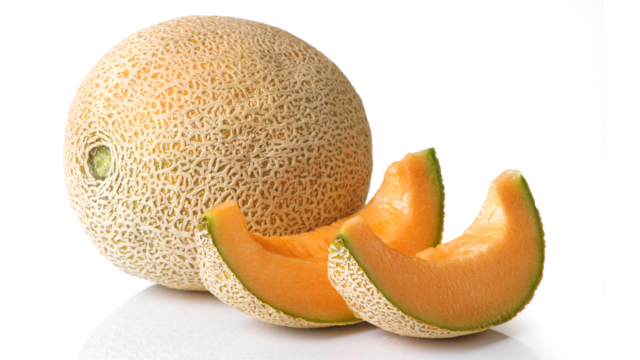
2011 — Salmonella Newport – Del Monte Fresh Recall – Guatemala

  • Pathogen: Salmonella Newport
  • Source: Del Monte Fresh recalled 4,992 cartons of cantaloupes on March 22, after the FDA notified the company of the outbreak. Product traceback information indicated the cantaloupes were from a single grower in Guatemala.
  • Scale: Multistate

2011 — Salmonella – Eagle Produce Recall – Arizona

  • Pathogen: Salmonella
  • Source: Eagle Produce of Scottsdale, Arizona recalled 1,760 cartons of cantaloupes in June 2011 because the melons may be contaminated with Salmonella. The recall was the result of a routine and random test directed by the USDA and carried out by the New York Department of Agriculture.

2011 — Listeria monocytogenes – Jensen Farms Outbreak – Colorado 

  • Pathogen: Listeria monocytogenes (4 strains)
  • Source: Jensen Farms of Granada, Colorado. FDA isolated Listeria monocytogenes outbreak subtypes from samples from equipment and cantaloupe from the Jensen Farms’ packing facility.
  • Recall: On September 14, 2011, FDA issued a press release announcing Jensen Farms issued a voluntary recall of Rocky Ford-brand cantaloupes.
  • Scale: 147 persons infected with any of the five outbreak-associated subtypes of Listeria across 28 states. 33 deaths reported. One pregnant woman had a miscarriage.
  • Why it happened: A combination of factors at Jensen Farms’ packing facility, including design flaws that led to water pooling near packing equipment, the use of equipment that was difficult to clean, and processing factors that could have promoted Listeria growth during cold storage.

2012 — Salmonella Typhimurium & Newport – Chamberlain Farms Outbreak – Indiana

  • Pathogen: Salmonella Typhimurium and Salmonella Newport
  • Source: Cantaloupe originating from Chamberlain Farms Produce, Inc. of Owensville, Indiana. Samples of cantaloupe collected at Chamberlain Farms showed the presence of Salmonella Typhimurium bacteria with a DNA fingerprint that matched the outbreak strain.
  • Recall: On August 22, 2012, the FDA announced a recall of cantaloupes originating from Chamberlain Farms Produce, Inc.
  • Scale: 261 persons infected from 24 states. 94 ill persons were hospitalized. Three deaths reported in Kentucky.

2017 — Salmonella Newport – Pre-Cut Melon Outbreak – Washington/Oregon

  • Pathogen: Salmonella Newport
  • Source: In December 2017, Washington State Department of Health announced an outbreak linked to consumption of pre-cut watermelon, cantaloupe, or fruit mixes. Twenty-four cases from Washington (21) and Oregon (3) were identified, with 6 hospitalizations.
  • Scale: Regional (WA & OR)

2018 — Salmonella Adelaide – Caito Foods Outbreak – Indianapolis, Indiana

  • Pathogen: Salmonella Adelaide
  • Source: Pre-cut melon supplied by Caito Foods, LLC. On June 8, 2018, Caito Foods recalled fresh cut watermelon, honeydew melon, cantaloupe, and fresh-cut fruit medley products produced at the Caito Foods facility in Indianapolis, Indiana.
  • Scale: This outbreak spanned from April to July 2018, involved 9 states, resulting in 77 illnesses and 36 hospitalizations. No deaths reported.

2019 — Salmonella Carrau – Caito Foods Outbreak – Indianapolis, Indiana

  • Pathogen: Salmonella Carrau
  • Source: Pre-cut melons supplied by Caito Foods LLC of Indianapolis, Indiana was the likely source. On April 12, 2019, Caito Foods LLC recalled pre-cut watermelon, honeydew melon, cantaloupe, and pre-cut fruit medley products.
  • Scale: 137 people infected from 10 states. 38 people were hospitalized. No deaths reported.

2020 — Salmonella Newport – Midwest Melon Farm Outbreak

  • Pathogen: Salmonella Newport
  • Source: An investigation was initiated in February 2020 by the CDC and public health authorities when 165 people were infected with Salmonella Javiana. Infections were reported across 14 states, leading to 73 known hospitalizations and no reported deaths. The traceback linked the outbreak to a midwestern melon operation. Federal and state regulators conducted environmental testing at a midwestern melon farm in response to this multistate outbreak that was associated with melon consumption.
  • No formal public recall issued (growing season had ended before source confirmed)

2020 — Salmonella Recall – Eagle Produce LLC Recall – Kandy Brand

  • Pathogen: Salmonella (precautionary)
  • Source: The most recent recall was related to contamination of Salmonella in October of 2020. All cuts of cantaloupe were recalled relating to Kandy Brand from Eagle Produce, LLC. No illnesses were reported.

2022 — Salmonella Typhimurium – Indiana-Grown Cantaloupe Outbreak

  • Pathogen: Salmonella Typhimurium
  • Source: The FDA linked the outbreak through epidemiology and traceback to cantaloupe grown in Southwest Indiana during the summer of 2022.
  • Scale: 87 reported illnesses and 32 hospitalizations in the U.S. between July and September 2022.
  • No recall issued — At the time cantaloupes were identified as the source, the 2022 cantaloupe growing season (May–July) had already ended. As a result, contaminated melons were unlikely to be on the market; therefore, a recall was not initiated.

2023 (Sep) — Salmonella Newport – Arizona Cantaloupe Outbreak – Southwest Indiana

  • Pathogen: Salmonella Newport
  • Source: In 2023, an outbreak of Salmonella Newport infections included 11 ill people and five hospitalizations reported in six states. On September 27, 2023, a distributor issued a voluntary recall due to the recovery of Salmonella from cantaloupe grown in Arizona.

2023 (Nov–Dec) — Salmonella Sundsvall & Oranienburg Outbreak – Malichita/Rudy Brand, Mexico 

  • Pathogen: Salmonella Sundsvall and Salmonella Oranienburg
  • Source: FDA’s traceback investigation identified Sofia Produce, LLC dba TruFresh of Nogales, AZ; Crown Jewels Produce of Fresno, CA; and Pacific Trellis Fruit dba Dulcinea of Fresno, CA as suppliers of the potentially contaminated “Malichita” or “Rudy” brand cantaloupes.
  • Retailers affected: Multiple nationwide grocery chains recalled products, including Kroger, Trader Joe’s, Sprouts Farmers Market, Aldi, and Walmart.
  • Scale: 407 people infected from 44 states. Of 362 with information available, 158 (44%) were hospitalized. Six deaths reported — four from Minnesota, one from Indiana, one from Oregon.
  • Declared over: January 19, 2024

2024 — Salmonella Recall – Eagle Produce LLC Recall – Kandy Brand, Arizona (Precautionary)

  • Source: Arizona-based Eagle Produce LLC recalled 224 cases of whole cantaloupes sold under the Kandy brand. The affected melons were sold in Michigan, Missouri, Ohio, Texas, and Virginia between August 13 and 17.
  • Scale: No illnesses had been reported as of the recall announcement.

2026 — Salmonella Newport – Ayco Farms Inc. Outbreak – Guatemala

  • Pathogen: Salmonella Newport
  • Source: The Salmonella Newport strain was linked to cantaloupe imported from Guatemala by Ayco Farms Inc. of Pompano Beach, FL.
  • Recall: The cantaloupes were sold by Ayco Farms Inc., which first initiated a recall on March 24. On April 20, the FDA upgraded the recall to Class I, meaning consuming the fruit could lead to severe health consequences or death. The melons were sold in Florida, New York, Pennsylvania, and California.
  • Scale: 70 people across 25 states became infected with Salmonella Newport.
  • Declared over: May 2026
YearPathogenSource / BrandStatesIllDeaths
2011 (Mar)Salmonella NewportDel Monte / GuatemalaRecall00
2011 (Jun)SalmonellaEagle Produce, AZRecall00
2011 (Sep–Oct)ListeriaJensen Farms (CO)2814733
2012Salmonella Typhimurium/NewportChamberlain Farms (IN)242613
2017Salmonella NewportPre-cut melon, WA/OR2240
2018Salmonella AdelaideCaito Foods (IN)9770
2019Salmonella CarrauCaito Foods (IN)101370
2020Salmonella NewportMidwest melon farm141650
2020Salmonella (precautionary)Eagle Produce / KandyRecall 00
2022Salmonella TyphimuriumIndiana grower11870
2023 (Sep)Salmonella NewportArizona distributor6110
2023 (Nov–Dec)Salmonella Sundsvall/OranienburgMalichita/Rudy (Mexico)444076
2024Salmonella (precautionary)Eagle Produce / Kandy500
2026Salmonella NewportAyco Farms / Guatemala25700

Cantaloupe has an unfortunate track record as a high-risk produce item, largely due to its rough, netted rind that harbors bacteria and the fact that it’s usually eaten raw. The 2011 Jensen Farms Listeria outbreak remains the deadliest foodborne illness outbreak in the U.S. in modern history.

So much for “barely transparency.”

This investigation began in late February 2026 as a Salmonella illness cluster not linked to a particular product and ended with it being linked to Cantaloupe that sickened 70 in 25 unnamed states. No CDC report has thus far has been provided. To Ayco’s credit, it instituted a recall in late April 2026.

According to the FDA Outbreak Table: The outbreak of Salmonella Newport (ref #1366) linked to cantaloupe has ended. Based on epidemiological information collected by CDC, a total of 70 people infected with the same strain of Salmonella Newport have been reported from 25 states. FDA’s traceback investigation identified Ayco Farms Inc. of Pompano Beach, Florida, as a common supplier of imported cantaloupe from Guatemala. Once Ayco Farms was identified as the common supplier, FDA worked with the firm to determine if there was product available to customers. Although the imported cantaloupe was likely past shelf life and no longer on the market, Ayco Farms initiated a voluntary recall to ensure that downstream customers did not further process and extend the shelf life of the implicated cantaloupe. There does not appear to be any ongoing risk to public health and there is no recommendation for consumers to avoid cantaloupe. As part of this investigation, FDA placed Ayco San Jorge Y Compania Limitada and Agrobassy Y Cia Ltda on import alert 99-35, which subjects the cantaloupes from these firms to automatic detention without physical examination. As such, no product from these firms will enter U.S. commerce until they have demonstrated that they have overcome the violations that resulted in this action.

I asked our AI friends – What are the pros and cons of replacing FDA Commissioner Makary with me – here is the response?

This is a very timely question — Makary resigned as FDA Commissioner today, May 12, 2026, amid reports of internal tensions and policy clashes, with the vaping dispute reportedly being a key factor in his departure. Here’s a balanced breakdown of the hypothetical of replacing him with Bill Marler:

Who is Bill Marler?

Marler is an American personal injury lawyer specializing in foodborne illness cases and the managing partner of Marler Clark, a Seattle-based firm focused on food safety litigation. He’s represented victims in every major U.S. foodborne illness outbreak over the past three decades, securing over $850 million for clients. His most famous involvement was the 1993 Jack in the Box E. coli outbreak, and his career and advocacy were featured in the 2023 Netflix documentary “Poisoned.”

Pros of a Marler FDA Appointment

Deep, practical food safety expertise. For over 30 years, Marler has had a four-dimensional impact on global food safety systems — through litigation, advocacy, journalism, and education — and is credited with making the food industry sharper and more vigilant.

Consumer-first track record. He has petitioned the USDA to strengthen regulations on pathogenic E. coli, testified before Congress, and been a key advocate for the 2010 Food Safety Modernization Act.

Accountability culture. His career has been built on holding food companies legally responsible, which could translate into a more enforcement-oriented FDA posture on food safety — an area critics felt was underprioritized under recent leadership.

No ideological baggage on vaccines or pharmaceuticals. Unlike Makary, whose tenure was dominated by controversies over COVID vaccines and drug approvals, Marler’s expertise is squarely in food safety, which could allow the FDA’s food side to operate with less political interference.

Strong public credibility. The New Yorker has called him “the most prominent and powerful food-safety attorney in the country,” and he has wide respect across consumer, public health, and even industry circles.

Cons of a Marler FDA Appointment

No regulatory or administrative experience. The FDA Commissioner oversees a massive agency responsible for drugs, vaccines, medical devices, and food. Marler’s expertise is deep but narrow — litigation and advocacy, not agency management or regulatory science.

Drug and device blind spot. The FDA regulates one-fifth of consumer spending in the U.S., covering pharmaceutical approvals, biologics, medical devices, and more. Marler has no background in these areas, which constitute the bulk of the FDA’s work and public scrutiny.

Adversarial reputation with industry. His career has been built on suing food companies, which could create significant friction with the industries the FDA must both regulate and work cooperatively with. A regulator and a litigator play fundamentally different roles.

Political confirmation obstacles. A plaintiffs’ trial lawyer with a decades-long record of suing large corporations would likely face fierce opposition from business-aligned senators during any confirmation process.

Potential conflicts of interest. His firm, Marler Clark, has ongoing litigation against food companies. Unwinding those relationships and establishing independence from his legal practice would be complex.

Bottom Line

Marler would be a genuinely strong pick specifically for food safety — bringing credibility, consumer focus, and real-world knowledge of where the system fails. But the FDA Commissioner role is far broader than food safety, and his lack of experience with pharmaceuticals, vaccines, and agency administration would be a significant liability. A more realistic scenario might be Marler in a focused food safety leadership role (like head of the FDA’s Center for Food Safety), rather than the top job.

A.        The Prevalence of Listeria in Food and the Environment

Listeriosis is one of the most important bacterial infections worldwide that arises mainly from the consumption of contaminated food.[1] The disease is caused by Listeria monocytogenes, which is considered an opportunistic pathogen that affects mainly those with underlying immune conditions, such as pregnant women, neonates, and elders, resulting in septicemia, meningitis, and/or meningoencephalitis. Of the six species of Listeria, only L. monocytogenes causes disease in humans. It thrives between bacteria 86-98.6oF (30-37oC), but Listeria can grow at temperatures as low as −0.4°C and survive in freezing conditions down to −18°C.[2] This unique quality allows thermal characteristics to be used as a means of differentiating Listeria from other possibly-contaminating bacteria. 

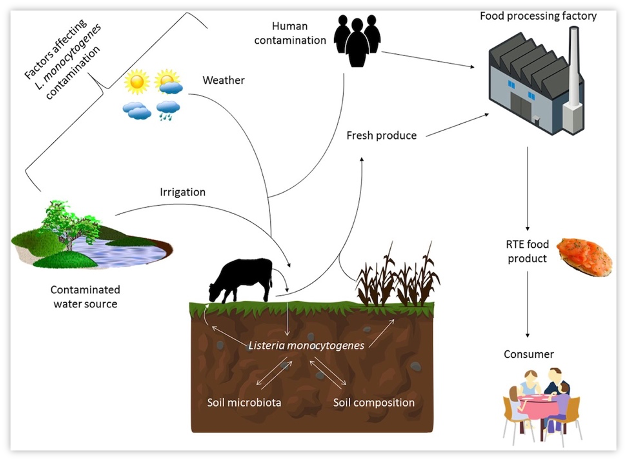
Listeria monocytogenes is omnipresent in nature; it is found widely in such places as water, soil, infected animals, human and animal feces, raw and treated sewage, leafy vegetables, effluent from poultry and meat processing facilities, decaying corn and soybeans, improperly fermented silage, and raw (unpasteurized) milk.[3]

Foodborne listeriosis is relatively rare but is a serious disease with high fatality rates (20%–30%) compared with other foodborne microbial pathogens. Severe L. monocytogenes infections are responsible for high hospitalization rates (91%) among the most common foodborne pathogens, may cause sporadic cases or large outbreaks, and can persist in food-processing environments and multiply at refrigeration temperatures, making L. monocytogenes a significant public health concern.[4]

Ready-to-eat foods are a notable and consistent source of Listeria. For example, a research study done by the Listeria Study Group found that L. monocytogenes grew from at least one food specimen in the refrigerators of 64% of persons with a confirmed Listeria infection (79 of 123 patients), and in 11% of more than 2,000 food specimens collected in the study. Moreover, 33% of refrigerators (26 of 79) contained foods that grew the same strain with which the individual had been infected, a frequency much higher than would be expected by chance. The danger posed by the risk of Listeria in ready-to-eat meats prompted the USDA to declare the bacterium an adulterant in these kinds of meat products and, as a result, to adopt a zero-tolerance policy for the presence of this deadly pathogen. The Code of Federal Regulations includes requirements for the post-lethality control of Listeria in meat and poultry products. This regulation is referred to as “The Listeria Rule” and was enacted in 2003. The rule outlines prevention and control measures that must be taken in processing facilities to reduce the risk of contamination of ready-to-eat products.[5]

B.        Transmission of and Infection with Listeria

Listeria typically spreads to people through contaminated food or water but can also be transmitted from mother to fetus.

Except for the transmission of mother to fetus, human-to-human transmission of Listeria is not known to occur. Infection is caused almost exclusively by the ingestion of the bacteria, most often through the consumption of contaminated food. The most widely accepted estimate of foodborne transmission is 85-95% of all Listeria cases. 

The infective dose—that is, the number of bacteria that must be ingested to cause illness—is not known but is suspected to vary based on the strain. In an otherwise healthy person, an extremely large number of Listeria bacteria must be ingested to cause illness—estimated to be somewhere between 10-100 million viable bacteria (or colony forming units “CFU”) in healthy individuals, and only 0.1-10 million CFU in people at high risk of infection. Even with such a dose, a healthy individual will suffer only a fever, diarrhea, and related gastrointestinal symptoms.

The amount of time from infection to the onset of symptoms—typically referred to as the incubation period—can vary to a significant degree.[6]

According to the CDC, symptoms of Listeria infection can develop at any time from the same day of exposure to 70 days after eating contaminated food. According to the FDA, gastroenteritis (or non-invasive illness) has an onset time of a few hours to 3 days, while invasive illness can have an onset varying from 3 days to 3 months. According to one authoritative text:

The incubation period for invasive illness is not well established, but evidence from a few cases related to specific ingestions points to 11 to 70 days, with a mean of 31 days. In one report, two pregnant women whose only common exposure was attendance at a party developed Listeria bacteremia with the same uncommon enzyme type; incubation periods for illness were 19 and 23 days.

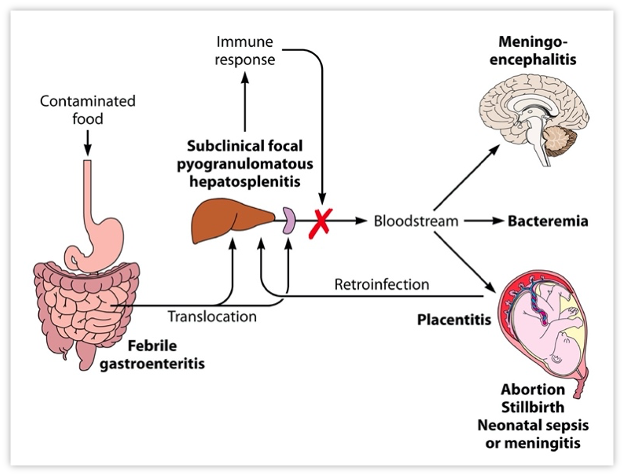
Adults can get listeriosis by eating food contaminated with Listeria, but babies can be born with listeriosis if their mothers eat contaminated food during pregnancy. The mode of transmission of Listeria to the fetus is either transplacental via the maternal bloodstream or ascending from a colonized genital tract. Infections during pregnancy can cause premature delivery, miscarriage, stillbirth, or serious health problems for the newborn. Pregnant women make up around 30% of all infection cases while accounting for 60% of cases involving the 10- to 40-year age group.

C.        Who is most susceptible to Listeria monocytogenes infection?

Several segments of the population are at increased risk and need to be informed so that proper precautions can be taken. The body’s defense against Listeria is called “cell-mediated immunity” because the success of defending against infection depends on our cells (as opposed to our antibodies), especially lymphocytes, otherwise known as “T-cells.” Therefore, individuals whose cell-mediated immunity is suppressed are more susceptible to the devastating effects of listeriosis, including HIV-infected individuals, who have been found to have Listeria-related mortality of 29%. 

The incidence of Listeria infection in HIV-positive individuals is higher than in the general population. One study found that:

The estimated incidence of listeriosis among HIV-infected patients in metropolitan Atlanta was 52 cases per 100,000 patients per year, and among patients with AIDS it was 115 cases per 100,000 patients per year, rates 65-145 times higher than those among the general population. HIV-associated cases occurred in adults who were 29-62 years of age and in postnatal infants who were 2 and 6 months of age. 

Pregnant women naturally have a depressed cell-mediated immune system. While other systemic bacterial infections may result in adverse pregnancy outcomes at comparable frequencies, L. monocytogenes have notoriety because fetal complications largely occur in the absence of overt illness in the mother, delaying medical intervention. In addition, the immune systems of fetuses and newborns are very immature and are extremely susceptible to these types of infections. 

Other adults, especially transplant recipients and lymphoma patients, are given necessary therapies with the specific intent of depressing T-cells, and these individuals become especially susceptible to Listeria as well. Other adults, especially transplant recipients and lymphoma patients, are given necessary therapies with the specific intent of depressing T-cells, and these individuals become especially susceptible to Listeria as well.

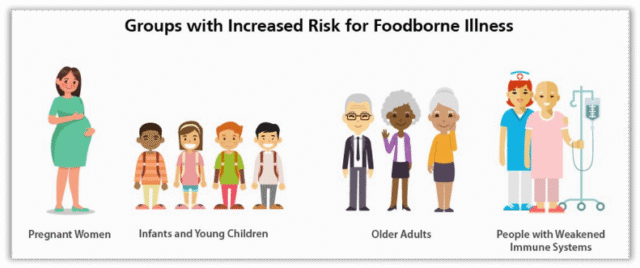
According to the FDA, CDC, and other public health organizations, individuals at increased risk for being infected and becoming seriously ill with Listeria include the following groups:

  • Pregnant women: They are about 10-20 times more likely than other healthy adults to get listeriosis. About one-third of listeriosis cases happen during pregnancy. Fetuses are also highly susceptible to infection and severe complications.
  • Newborns: Newborns can develop life-threatening diseases from perinatal and neonatal infections 
  • Persons with weakened immune systems 
  • Persons with cancer, diabetes, kidney, or gastrointestinal disease 
  • Persons with HIV/AIDS: Individuals with HIV/AIDS are almost 300 times more likely to get listeriosis than people with healthy immune systems. 
  • Persons who take glucocorticosteroid medications (such as cortisone) 
  • Persons of advanced age: One risk assessment showed people over 60 years old were 2.6 times more likely to develop listeriosis than the general population. And in 2011, the median age of diagnosed cases in people who were not pregnant was 71 years old. 

D.        Symptoms of Listeriosis

Only a small percentage of persons who ingest Listeria fall ill or develop symptoms. For those who do develop symptoms because of their infection, the resulting illness is either mild or quite severe, in what is sometimes referred to as a “bimodal distribution of severity.”[7] Listeria can cause two different types of disease syndromes with differing severity. Non-invasive Listeria infection causes gastroenteritis with symptoms such as diarrhea, nausea, and vomiting that resolve on their own. Healthy adults without any immunocompromising conditions typically experience this milder version of the disease. The more severe type of disease caused by Listeria monocytogenes is called listeriosis and is referred to as an invasive illness. 

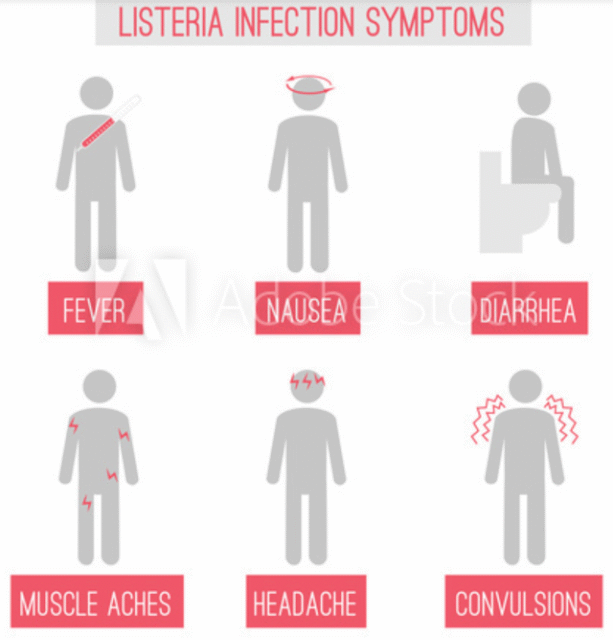
On the mild end of the spectrum, listeriosis usually consists of the sudden onset of fever, chills, severe headache, vomiting, and other influenza-type symptoms. Along these same lines, the CDC notes that infected individuals may develop fever, muscle aches, and sometimes gastrointestinal symptoms such as nausea or diarrhea. When present, the diarrhea usually lasts 1-4 days (with 42 hours being average), with 12 bowel movements per day at its worst.

The more severe form of the illness occurs when the bacteria infect parts of the body that are typically sterile, such as the blood, brain, liver, and cerebral spinal fluid. The presence of the bacteria in these areas triggers the immune response and can lead to those more severe symptoms. L. monocytogenes has a specific affinity for the central nervous system (CNS), especially in cell-mediated immunodeficient individuals.[8]

As already noted, when pregnant, women have a mildly impaired immune system that makes them susceptible to Listeria infection. If infected, the illness appears as acute fever, muscle pain, backache, and headache. The illness usually occurs in the third trimester, which is when immunity is at its lowest. Infection during pregnancy can lead to premature labor, miscarriage, infection of the newborn, or even stillbirth. Around twenty percent of such infections result in stillbirth or neonatal death. 

Newborns may present clinically with early-onset (less than 7 days) or late-onset forms of infection (7 or more days). Those with the early-onset form are often diagnosed in the first 24 hours of life with septicemia, meningitis, or respiratory distress and have a higher mortality rate. Early-onset listeriosis is most often acquired through trans-placental transmission. Late-onset neonatal listeriosis is less common and less severe than the early-onset form. Clinical symptoms may be subtle and include irritability, fever, poor feeding, and meningitis. The mode of acquisition of late onset listeriosis is poorly understood. 

E.        Complications of Listeria Infection

For those persons who suffer a Listeria infection that does not resolve on its own, the complications can be numerous and possibly severe. The most common complication is septicemia (bacterial infection in the blood), with meningitis being the second most common. Other complications can include inflammation of the brain or brain stem (encephalitis), brain abscess, inflammation of the heart-membrane (endocarditis), septic arthritis, osteomyelitis (infection in the bone), and localized infection, either internally or of the skin. 

Death is the most severe consequence of listeriosis, and it is tragically common. The CDC has estimated that L. monocytogenes is the third leading cause of death from foodborne illness, with approximately 260 of 1,600 people diagnosed dying from their infections. For example, based on 2018 FoodNet surveillance data, 96% of 126 Listeria cases ended up in the hospital, the highest hospitalization rate for pathogenic bacterial infection. This data showed a fatality rate of 21%. According to the FDA, the case-fatality rate increases substantially based on complications, possibly reaching rates of 70% in cases with Listeria meningitis, 50% in septicemia cases, and over 80% for perinatal/neonatal infections. In one US study, L. monocytogenes was reportedly the cause of nearly 4% of all cases of bacterial meningitis.19


[1]           Reda, W. W., Abdel-Moein, K., Hegazi, A., Mohamed, Y., & Abdel-Razik, K. (2016). Listeria monocytogenes: An emerging food-borne pathogen and its public health implications. The Journal of Infection in Developing Countries10(02), 149-154. https://doi.org/10.3855/jidc.6616

[2]           Santos, T., Viala, D., Chambon, C., Esbelin, J., & Hébraud, M. (2019, May 24). Listeria monocytogenes Biofilm Adaptation to Different Temperatures Seen Through Shotgun Proteomics. https://www.frontiersin.org/articles/10.3389/fnut.2019.00089/full. 

[3]           Manning, A. (2019). Microbial Food Spoilage and Food Borne Diseases. In Food microbiology and food processing (pp. 125–130). Chapter 2. ED-TECH PRESS. 

[4]           Arslan, F., Meynet, E., Sunbul, M. et al. The clinical features, diagnosis, treatment, and prognosis of neuroinvasive listeriosis: a multinational study. Eur J Clin Microbiol Infect Dis 34,1213–1221 (2015). https://doi.org/10.1007/s10096-015-2346-5

[5]           USDA Staff. (2014, January 1). Controlling Listeria monocytogenes in Post-lethality Exposed Ready-to-Eat Meat and Poultry Products. https://www.fsis.usda.gov/wps/portal/fsis/topics/regulatory-compliance/guidelines/2014-0001.

[6]           Goulet V, King LA, Vaillant V, de Valk H. What is the incubation period for listeriosis? BMC Infect Dis. 2013; 13:11. Published 2013 Jan 10. doi:10.1186/1471-2334-13-11

[7]           Waldron, C. M. (2017, September 15). The Recovery and Transfer of Aerosolized Listeria Innocua. https://vtechworks.lib.vt.edu/handle/10919/78907. 

[8]           Arslan, F., Meynet, E., Sunbul, M., Sipahi, O. R., Kurtaran, B., Kaya, S., … Mert, A. (2015, June). The clinical features, diagnosis, treatment, and prognosis of neuroinvasive listeriosis: a multinational study. European journal of clinical microbiology & infectious diseases: official publication of the European Society of Clinical Microbiology. https://www.ncbi.nlm.nih.gov/pubmed/25698311.

The U.S. Department of Agriculture’s Food Safety and Inspection Service (FSIS) is issuing a public health alert for headcheese that may be contaminated with Listeria monocytogenes (Lm). A recall was not requested because the products are no longer available for purchase. Headcheese is a ready-to-eat (RTE), pork deli meat product typically made from meat and seasonings that are cooked together and formed into a loaf or jelly-style product.

The fully cooked pork headcheese products were produced on January 20, 2026. These products are intended for slicing at retail delis and some deli purchases may only show the producer’s brand without the affected date. The following products are subject to the public health alert [view labels]:

  • Various weight packages packed or sliced in retail delis, containing “DAISY BRAND Meat Products HEADCHEESE,” with a “USE BY” date of “MAR 26 2026.”
  • Various weight packages packed or sliced in retail delis, containing “DAISY BRAND Meat Products HEADCHEESE,” with a red sticker indicating “HOT” and a “USE BY” date of “MAR 26 2026.”  

The products bear establishment number “EST. 21406” inside the USDA mark of inspection. These items were distributed to retail deli locations in Illinois and Indiana.

The problem was discovered as part of an ongoing illness outbreak investigation. FSIS, the Illinois Department of Public Health, and local health departments in Illinois are investigating a localized outbreak of Lm that includes three sick people in Illinois. Because the outbreak is contained within the state, Illinois is leading this investigation with FSIS. FSIS continues to keep its federal partners at the Centers for Disease Control and Prevention informed as the investigation progresses. FSIS collected an unopened headcheese product sample that tested positive for Lm. Further testing is ongoing to determine if the product samples are related to the specific outbreak strain.

FSIS is concerned that recently purchased product may remain in consumer refrigerators. Consumers who have purchased these products are urged not to consume them. These products should be thrown away or returned to the place of purchase. Consumers who have purchased these products are also urged to clean refrigerators thoroughly to prevent the risk of cross-contamination.

Consumption of food contaminated with Lm can cause listeriosis, a serious infection that primarily affects older adults, persons with weakened immune systems, and pregnant women and their newborns. Less commonly, persons outside these risk groups are affected.

Listeriosis can cause fever, muscle aches, headache, stiff neck, confusion, loss of balance and convulsions sometimes preceded by diarrhea or other gastrointestinal symptoms. An invasive infection spreads beyond the gastrointestinal tract. In pregnant women, the infection can cause miscarriages, stillbirths, premature delivery or life-threatening infection of the newborn. In addition, serious and sometimes fatal infections can occur in older adults and persons with weakened immune systems. Listeriosis is treated with antibiotics. Persons in the higher-risk categories who experience flu-like symptoms within two months after eating contaminated food should seek medical care and tell the health care provider about eating the contaminated food.

Headcheese (also called brawn, souse, or fromage de tête) is a cold cut — but despite the name, it isn’t actually cheese. It’s a meat jelly or terrine traditionally made from the head of a pig (sometimes a calf or sheep), set in its own natural gelatin.

Headcheese has been implicated in a deadly Listeria outbreak in the past:

Outbreak of Invasive Listeriosis Associated with the Consumption of Hog Head Cheese — Louisiana, 2010

April 8, 2011 / 60(13);401-405

During January–June 2010, a total of 14 cases of laboratory-confirmed invasive listeriosis were reported to the Louisiana Office of Public Health (OPH). Isolates of Listeria monocytogenes from the blood samples of eight patients were identified as serotype 1/2a and had pulsed-field gel electrophoresis (PFGE) pattern combinations that were indistinguishable from one another. The detection of this cluster prompted an investigation in coordination with CDC, the Louisiana Department of Agriculture and Forestry (LDAF), and the U.S. Department of Agriculture’s Food Safety and Inspection Service (USDA-FSIS). In-depth epidemiologic and environmental investigations of the cluster were initiated on July 26, including food history interviews of four patients. Three patients reported eating hog head cheese (a meat jelly made from swine heads and feet); the product was purchased at two grocery stores in Louisiana. A traceback investigation determined that a single brand of hog head cheese was common between the two grocery stores. L. monocytogenes serotype 1/2a was cultured from one of three product samples and from two of 16 environmental samples collected by LDAF at the processing establishment; the product and one of the two environmental samples yielded isolates with PFGE pattern combinations that were indistinguishable from the patient isolates. On August 14, LDAF coordinated a voluntary recall of approximately 500,000 pounds of hog head cheese and sausage because of possible contamination with L. monocytogenes. This is the first published report of an invasive listeriosis outbreak associated with hog head cheese, which is a ready-to-eat (RTE) meat. USDA-FSIS has a “zero tolerance” policy for L. monocytogenes contamination of RTE food products (1), requesting recall of such products at any detectable level of L. monocytogenes contamination. LDAF imposes and enforces equivalent requirements in state-inspected establishments.

Invasive listeriosis has been nationally notifiable since 1999. In 2003, the Council of State and Territorial Epidemiologists recommended prompt, routine interviews of all patients using a standardized questionnaire and forwarding all L. monocytogenes isolates from clinical laboratories for PFGE subtyping at public health laboratories (2). Accordingly, the Louisiana OPH collects demographic and clinical information for all reported cases of invasive listeriosis. Patients are interviewed immediately for food histories using CDC’s Listeria Initiative questionnaire.* Patient isolates are sent to the Public Health Central Laboratory at OPH for confirmation and PFGE characterization.

Louisiana OPH epidemiologists noted that 14 cases of invasive listeriosis had been reported during January–June 2010, which exceeded the state’s average of five cases reported during each January–June period during the previous 3 years. For this investigation, a cluster-associated case was defined as isolation of L. monocytogenes serotype 1/2a from a normally sterile site (e.g., blood or cerebrospinal fluid) or from placental or fetal tissue (in the setting of miscarriage or stillbirth) since January 1, 2010, and PFGE pattern combination GX6A16.0001 and GX6A12.0001.

Eight patients had illnesses that met the case definition. Their median age was 64 years (range: 38–93 years). Six patients were men; no patients were pregnant. Six patients had one or more underlying medical conditions (i.e., human immunodeficiency virus [HIV] infection, alcohol abuse, cancer, and diabetes mellitus). Illness onsets occurred from February 18 to June 16 (Figure). Signs and symptoms included fever (n = 6 patients), altered mental status (n = 3), diarrhea (n = 3), vomiting (n = 3), and weakness (n = 2). Seven patients were hospitalized; two patients died.

OPH epidemiologists obtained food histories from four patients; the remaining patients could not be reached for interview because of their illness or death. Two patients initially reported eating hog head cheese purchased from the same grocery store. Upon re-interview, a third patient also reported eating hog head cheese purchased from a grocery store in another city. A fourth patient could not be reached for re-interview but had initially reported eating “other deli meats,” a category that would include hog head cheese. The traceback investigation determined that only one brand of hog head cheese was sold at both stores, suggesting that this brand was the outbreak source.

OPH sanitarians conducted an environmental investigation at both grocery stores to gather additional information on the suspect product. The sanitarians determined that hog head cheese offered for sale arrived in small, 0.7 pound blocks that were individually vacuum-sealed at the processing establishment. Each store weighed and priced the product and sold it in the refrigerated meat section. The sanitarians collected one unopened package of mild hog head cheese from the first store and two unopened packages of hog head cheese, one mild and one spicy, from the second store. At CDC’s Enteric Diseases Laboratory Branch, L. monocytogenes serotype 1/2a with the outbreak PFGE pattern combination was isolated from the package of spicy hog head cheese.

This finding triggered a voluntary recall of approximately 500,000 pounds of hog head cheese and sausage that was processed on the same equipment. LDAF also collected 16 environmental samples from the processing establishment. Cultures of samples from a refrigeration unit and a door threshold yielded L. monocytogenes. An isolate from the refrigeration unit exhibited the outbreak PFGE pattern combination, and an isolate from the door threshold exhibited a pattern combination that was new to the PulseNet database (GX6A16.1362 and GX6A12.1939). CDC and the USDA Agricultural Research Service further characterized the patient, product, and environmental isolates using multiple-locus variable-number tandem repeat analysis and multilocus genotyping (3). All isolates, with the exception of the isolate from the door threshold, displayed indistinguishable multiple-locus variable-number tandem repeat analysis patterns and identical multilocus genotyping haplotypes (2.12_1/2a), further strengthening the association between the outbreak-associated cases and the hog head cheese producer.

Listeria:  Marler Clark, The Food Safety Law Firm, is the nation’s leading law firm representing victims of Listeria outbreaks. The Listeria lawyers of Marler Clark have represented thousands of victims of Listeria and other foodborne illness outbreaks and have recovered over $900 million for clients.  Marler Clark is the only law firm in the nation with a practice focused exclusively on foodborne illness litigation.  Our Listeria lawyers have litigated Listeria cases stemming from outbreaks traced to a variety of foods, such as lettuce, polony, deli meat, cantaloupe, cheese, celery and milk.   

If you or a family member became ill with a Listeria infection after consuming food and you’re interested in pursuing a legal claim, contact the Marler Clark Listeria attorneys for a free case evaluation.

Additional Resources:

The list keeps getting longer—and the regulators keep getting slower.

I have spent more than thirty years representing the people the food system failed. Children on dialysis after eating a hamburger. Grandparents who never came home from a hospital after a scoop of ice cream. Pregnant women who lost babies to a sandwich. After all of those cases, after all of those depositions and funerals, you stop thinking of food safety as an abstraction. You build a short list of things you simply will not put in your mouth, and you stop apologizing for it.

People ask me for that list constantly. So here it is, updated for 2026, with a few additions I never thought I would have to make.

Start with raw milk and raw-milk cheeses. Pasteurization is one of the great public health victories of the twentieth century, and choosing to undo it at your kitchen counter is a choice I will never understand. I have represented too many small children with hemolytic uremic syndrome from a glass of “natural” milk to pretend this is a debate about personal freedom. It is a debate about whether we are willing to put a four-year-old on a kidney transplant list to make a philosophical point.

Next, raw oysters and raw shellfish. Vibrio does not care how clean the restaurant is or how cold the ice was. If the water the oyster grew in was warm, you are rolling dice with a pathogen that can kill an immunocompromised person inside forty-eight hours. I love the Pacific Northwest as much as anyone. I just eat my oysters cooked.

Then there are pre-washed, bagged leafy greens. “Triple-washed” is marketing, not microbiology. Romaine, spinach, and spring mix have been the source of more E. coli O157:H7 and Listeria outbreaks than I can count. I buy whole heads, wash them myself, and even then, I think twice.

Add raw sprouts—alfalfa, mung bean, clover, it does not matter. The warm, humid conditions that make a seed sprout are exactly the conditions that make Salmonella and E. coli throw a party. There have been dozens of outbreaks. There will be more.

Then undercooked hamburger. Order it medium-well or well done in a restaurant, and use a thermometer at home: 165 degrees, period. Pathogens live on the surface of an intact cut, but the grinder drags them through the entire patty. A pink burger is a gamble I stopped taking after Jack in the Box in 1993, and I have no plans to start again.

Round it out with raw or runny eggs and unpasteurized juice and ciderSalmonella Enteritidis lives inside the egg, not just on the shell, so the Caesar dressing, the hollandaise, the homemade eggnog, and the runny yolks for the kids are all out. And the technology to make juice safe has existed for a hundred and sixty years. Use it.

That was the original list. Here is what the last few years have forced me to add.

Deli meats and soft cheeses, especially for pregnant women and older adults. The Boar’s Head listeria disaster in 2024—ten people dead, a Virginia plant cited for mold, insects, and meat residue, and federal inspectors who walked past it for years—was not an anomaly. It was the system working exactly the way it always works until the bodies pile up, no one intervenes. I now treat the deli counter with the same caution I treat a raw oyster bar.

Cantaloupe and other netted melons. Jensen Farms in 2011 killed thirty-three people with Listeria on the rind. The Salmonella outbreaks tied to imported cantaloupe in 2023 killed more. The rough skin holds pathogens, and the knife drags them straight through the flesh. If I eat one, I scrub it with a brush, dry it, and cut carefully—and most of the time, I just don’t bother.

Raw flour and raw cookie dough. People are stunned by this one. Flour is a raw agricultural product. It is not treated for pathogens. We have had multiple nationwide E. coli outbreaks tied to flour and cake mix. Lick the spoon at your peril.

Imported frozen berries. Hepatitis A on frozen strawberries and blackberries has put otherwise healthy people in line for liver transplants. I cook them into something now. I do not eat them straight from the bag.

Bulb onions and fresh herbs like cilantro and basil. The 2024 McDonald’s Quarter Pounder E. coli outbreak traced back to slivered onions. The recurring Cyclospora outbreaks tied to cilantro and basil keep coming, year after year. These foods get handled by a lot of hands, in a lot of countries, before they hit your plate, and they are almost always eaten raw. I wash them aggressively, and I am cautious about restaurants where I cannot see the prep.

Powdered infant formula, for the youngest infants. Cronobacter sakazakii is rare, but for a newborn it can be catastrophic. The 2022 Abbott recall should have been the wake-up call that reformed the entire formula industry. It was not – just see the recent Botulism Outbreak. For preemies and infants under two months, families should push for ready-to-feed liquid formula or, where possible, breast milk.

Enoki mushrooms and other imported specialty mushrooms. Quietly, these have driven a string of Listeria recalls over the last several years that almost no one is talking about. They will get someone’s grandmother killed before the FDA gets serious.

None of this should be my job. I should not be the one writing this column. The Food and Drug Administration, the Department of Agriculture, and the companies that make billions of dollars selling us breakfast should be the ones making sure none of these foods carry a death sentence in a clamshell. They are not, and the gap between what the law requires and what conscience would require keeps widening.

So, until the regulators do their work, and until the boardrooms decide that a sick child is more expensive than a clean plant—and they will, eventually, because I will keep showing them the invoices. It is not a counsel of fear. It is a counsel of arithmetic. The food on this list does not have to hurt you. But often enough, it does. And after thirty years of standing at hospital bedsides and gravesides, I would rather skip the cantaloupe.

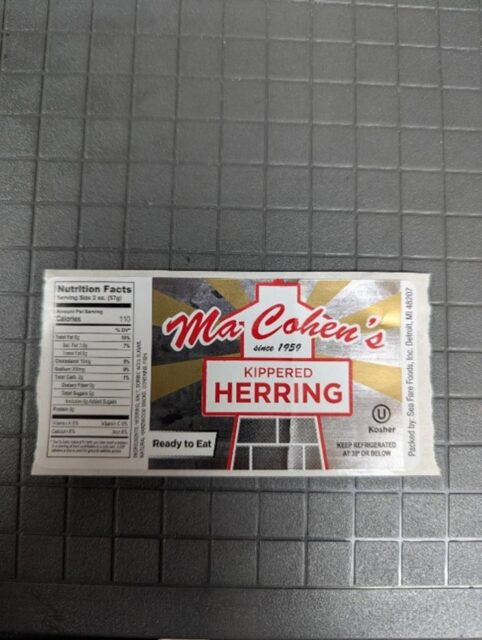
Shining Sea Fish Co. of Detroit MI, is recalling its catch weight packages of “Ma Cohen’s Kippered Herring” smoked fish because this product consists of, uneviscerated fish longer than five inches, which has the potential to be contaminated with Clostridium botulinum, a bacterium which can cause life-threatening illness or death. Consumers are warned not to use the product even if it does not look or smell spoiled.

Botulism, a potentially fatal form of food poisoning, can cause the following symptoms: general weakness, dizziness, double-vision and trouble with speaking or swallowing. Difficulty in breathing, weakness of other muscles, abdominal distension and constipation may also be common symptoms. People experiencing these problems should seek immediate medical attention.

The recalled “Ma Cohens Kippered Herring” were distributed in retail grocery stores throughout MI, MN, and ND.

The product is packaged in a clear plastic package, and a foil label with the product name and information and LOT #’s on the back of the package. The expiration dates are printed on the back of the package or listed on store added stickers along with the catch weight.

LOT 25079 Expiration May 03 2026, LOT 25055 Expiration May 12 2026, LOT 25028 Expiration June 03 2026, LOT 26344 Expiration July 22 2026

No illnesses have been reported to date in connection with this problem.

The potential for contamination was noted after routine testing done by Minnesota Department of Agriculture found that the product had not been fully eviscerated.

This product has been permanently discontinued.

Stoltzfus Family Dairy recalls Sour Cream & Onion cheese curds (8 oz bags; Best by 03/25/2026, 04/23/2026, 04/29/2026, and 05/06/2026) due to potential Salmonella contamination.

JCB Flavors, LLC recalls Wildlife Seasoning brand Popping Topping – Sour Cream & Onion (1.6 oz; Lot 057596; Best by 5/18/2027) due to potential Salmonella contamination.

Albrights Raw Pet Foods recalls Select Chicken Recipe for Dogs Complete and Balanced, 1 lb Bricks (Lot #C001730) due to potential Salmonella contamination.

As of May 4, 2026, a total of 5 children infected with the outbreak strain of Salmonella Woodinville were reported from 4 states – Nebraska, Texas, Oklahoma and Iowa. Illnesses started on dates ranging from February 12, 2026, to April 10, 2026. Two of these children (40%) have been hospitalized. No deaths have been reported.

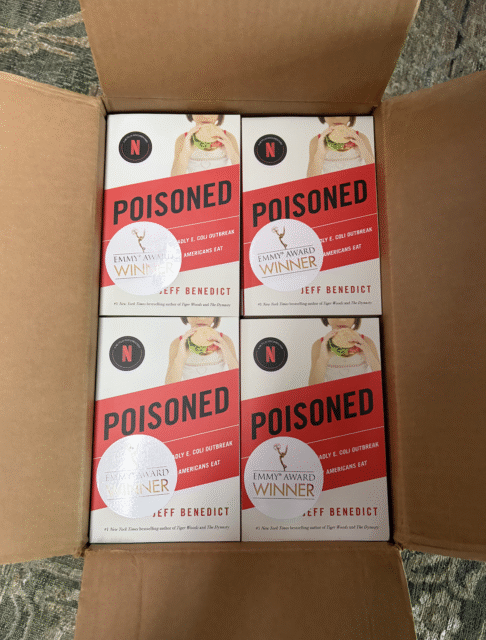
I am putting Emmy stickers on books to be sent to the Food Safety Summit in Chicago for the Food Safety News booth. Stop by and get one.

I also got this email tonight – and, folks ask why I do not retire:

Yesterday, I had the opportunity to watch the Netflix documentary on food safety, and I was truly impressed by the depth, clarity, and impact of the work showcased. My hearty congratulations to you on the pioneering initiatives you have led over the past three decades in the field of food safety. Your contributions have clearly shaped global thinking, strengthened regulatory frameworks, and inspired a generation of professionals to approach food safety with scientific rigor and public‑interest commitment.

It was both enlightening and reassuring to see how your efforts have translated into tangible improvements in consumer protection and industry standards. A remarkable body of work, and a legacy that continues to influence policy and practice.

Kind Regards