I’ve been suing people over cantaloupe for years. I’m not happy about it. But here we are — again.

Let me walk you through what three decades of depositions, hospital visits, and funerals have taught me about this fruit.

The Outbreaks You Should Know

In 2011, Jensen Farms in Holly, Colorado, shipped melons that killed 33 Americans and sickened 147 across 28 states. Nearly every single person who got sick was hospitalized. Pregnant women. Newborns. A miscarriage. All from a packinghouse where FDA investigators found pooling water on the floor, old equipment that couldn’t be properly cleaned, and truck tires — fresh from a neighboring cattle operation — rolling right through the facility. Thirty-three people died. And the owners of Jensen Farms got probation.

In 2012, Chamberlain Farms sent out cantaloupes that sickened 261 people across 24 states and killed three.

In 2023, Malichita and Rudy brand cantaloupes from Mexico sickened 595 people in the U.S. and Canada — 407 Americans in 44 states, 190 Canadians. Six Americans died. Two more Canadians. Eight people total who went to the grocery store, bought a piece of fruit, and didn’t come home. A quarter of the American patients were children under five. Nearly half were seniors over 65.

And just this year — 2026 — cantaloupe imported from Guatemala sickened at least 70 people across 25 states. The CDC didn’t even bother warning the public while the outbreak was active.

This is not bad luck. This is a pattern.

Why This Keeps Happening

Here’s what the food industry doesn’t want you to think too hard about: cantaloupe is almost perfectly designed to make people sick.

The netted rind acts like a bacterial sponge — it traps pathogens and protects them from sanitizers. Unlike most produce, bacteria doesn’t just sit on the surface of a cantaloupe after harvest — it grows there. The fruit sits on the ground during production, soaking up whatever is in the soil or irrigation water. When it “slips” from the vine at harvest, the stem scar becomes an open door for pathogens to travel directly into the flesh. And when you cut it open — transferring whatever is on that rough rind to your knife, your cutting board, and into the edible part — you’ve done the contamination’s work for it.

Then you eat it raw. No cooking. No kill step. Nothing standing between the bacteria and you.

The hospitalization rate in the 2023 outbreak was 44%. That’s equivalent to Listeria — a pathogen we treat like a public health emergency. Salmonella in cantaloupe is hospitalizing people at Listeria rates, and we keep acting surprised.

What I Want You to Understand

I’ve sat across from enough grieving families to tell you that none of this is abstract. The 33 people who died in 2011 had names. They had grandchildren who visited on Sundays. They had doctors who told their families there was nothing more to do.

The companies that grew and packed and shipped those melons knew — or should have known — that their facilities were not safe. The regulatory system that was supposed to catch this had gaps you could drive a truck through. And in some cases, literally did.

I’ve been saying for years that cantaloupe is a high-risk food that deserves serious, sustained attention from the FDA, from growers, and from importers — especially those bringing melons in from Mexico and Central America, where some of the worst outbreaks have been traced.

We have the science. We have the outbreak history. We have the body count. What we don’t seem to have is the political will to treat this fruit with the seriousness it demands.
Until the boardrooms decide that a sick child is more expensive than a clean packing facility — and they will, eventually, because I will keep showing them the invoices — the cantaloupe outbreaks will continue.

I’ve been doing this for over 30 years. I’d love nothing more than to stop.

Historical associations between powdered infant formula and pathogens such as Cronobacter spp., Salmonella, and Clostridium botulinum should be considered when designing and implementing controls for the safe manufacture of all foods for infants and young children.

In a letter from the FDA – Infant Formula Manufacturers, Packers, Distributors, Exporters, Importers, and Retailers were warned.

March 8, 2023 –  Copy of Letter

Dear Infant Formula Manufacturers, Packers, Distributors, Exporters, Importers, and Retailers:

This letter is directed to manufacturers, packers, distributors, exporters, importers, and retailers involved in the manufacturing and distribution of powdered infant formula. In late 2021 and early 2022, a series of Cronobacter spp. illnesses among infants in the U.S. was associated with feeding a certain brand of powdered infant formula. The U.S. Food and Drug Administration (FDA or “the Agency”) inspection of the associated manufacturing facility revealed the presence of Cronobacter spp. within the production environment, as well as other insanitary conditions, leading to a nationwide recall. This recall and the temporary shutdown of the plant was a major contributing factor to the infant formula shortage experienced across the U.S. in 2022. In response, the FDA developed a strategy to prevent future Cronobacter spp. Illnesses associated with powdered infant formula and is issuing this letter to share current information to assist industry in improving the microbiological safety of powdered infant formula.

Call to Action

The FDA is calling on all members of the infant formula industry to help protect our most vulnerable population. Specifically, FDA asks that you:

1) Evaluate your established system of production and in-process controls (which must cover all stages of processing, from the receipt and acceptance of the raw materials, ingredients, and components through the storage and distribution of the finished product) and ensure that appropriate controls are implemented in accordance with 21 CFR 106.6(c) at any point, step, or stage in the production process where control is necessary to prevent adulteration of infant formula;

2) Ensure full compliance with all relevant regulations – including the Infant Formula Requirements Pertaining to Current Good Manufacturing Practice, Quality Control Procedures, Quality Factors, Records and Reports, and Notifications rule (21 CFR part 106) and the Current Good Manufacturing Practice, Hazard Analysis, and Risk-Based Preventive Controls for Human Food rule (21 CFR part 117);

3) Consider the concerns shared in this letter when evaluating your established system of production and in-process controls, including when taking corrective actions; and

4) Ensure adherence to the notification requirement of an adulterated or misbranded infant formula any time product has left the facility, in accordance with 21 CFR 106.150. Lastly, FDA asks that firms voluntarily notify the Agency any time a product sample is found to be positive for Cronobacter spp. or Salmonella, even if the affected lot(s) have not been distributed.

Areas of Concern at Powdered Infant Formula Manufacturing Facilities

The FDA has reviewed conditions during recent inspections of powdered infant formula manufacturers, including routine surveillance inspections, for-cause inspections to follow up on consumer complaints, and other interactions with manufacturers.1 FDA has identified the following areas for improvement across the infant formula industry (summarized here and expanded in the letter below):

1. Controlling water in dry production areas

2. Verifying the effectiveness of controls through environmental monitoring

3. Implementing appropriate corrective actions following the isolation of a pathogen from an environmental sample or a product sample

4. Implementing effective supply-chain controls for biological hazards

5. Identifying all relevant biological hazards

FDA is sharing this information with you with the expectation that you will act to mitigate potential food safety risks in powdered infant formula in accordance with FDA regulations while further striving to improve operations, especially given the critical nature of these products.

1) Controlling water in dry production areas

The food industry acknowledges that reducing the presence of water in dry production environments for low moisture foods is essential to controlling environmental contamination, e.g., from Salmonella and Cronobacter spp. In several inspections at powdered infant formula manufacturing facilities, FDA observed water present during production in areas that were intended to remain dry (at least during production). The sources of the water included leaks from roofs or other exterior facility features, leaks from equipment (during production and/or during sanitation), and condensation. Records of water observed by employees in the dry processing areas, and the identified sources can help a firm analyze trends or identify recurring problems. 

However, not all firms adequately record this information. The incidence of water in dry production environments should receive prompt consideration by the industry. Poorly maintained equipment that leaked during clean-in-place (CIP) procedures was identified as one source of water in the dry production environment. However, sanitation activities, specifically, CIP procedures used on certain equipment, introduce a large amount of water to equipment surfaces. Ensuring that equipment surfaces are fully dried following a CIP procedure and before starting production is also important for equipment used to process low moisture foods, such as powdered infant formula. Several firms had either poor or no documentation that their dry-out procedures following a CIP procedure or other sanitation activity were capable of fully drying equipment surfaces, including food contact surfaces. FDA further noted that CIPs were being performed at greater frequencies than previously observed. Leaks in equipment, unverified dry out procedures, and increased CIP frequency raise concerns with the management of water related to sanitation activities and represent potential areas for improvement.

2) Verifying the effectiveness of controls through environmental monitoring

Environmental monitoring is an important verification measure to ensure that sanitation and hygiene controls are effectively preventing pathogens from entering or persisting in dry production areas. Inspections of powdered infant formula manufacturers revealed that, while facilities had implemented some form of environmental monitoring programs (EMPs), there were differences with regards to where in the facility sampling and testing was conducted specifically for pathogens, e.g.Cronobacter spp.

Some firms have EMPs that limit the collection of environmental samples for Cronobacter spp. while relying heavily on monitoring for Enterobacteriaceae (EB) within the production area. Monitoring EB populations on environmental surfaces in dry production areas may serve as a useful indicator that unexpected water may have been introduced or some other breakdown of hygienic control may have occurred. However, FDA is not aware of sufficient data demonstrating a correlation between EB populations and the presence of Cronobacter spp. On environmental surfaces. Environmental samples collected by FDA investigators during these inspections recovered Cronobacter spp. from environmental surfaces where the firms were only conducting routine environmental testing for EB.

Manufacturers of powdered infant formula must establish a system of process controls covering all stages of processing that are designed to ensure that the product does not become adulterated due to the presence of microorganisms in the formula or in the processing environment. A well-designed and implemented EMP should provide information about the hygienic conditions at all stages of processing, while focusing the greatest amount of sampling on surfaces from which the risk of contamination to the product is greatest. While testing environmental surfaces for EB provides some information on the conditions within the facility, the presence or absence of EB on environmental surfaces is not a reliable indicator for the presence of Cronobacter spp.2 Therefore, FDA encourages the direct testing for Cronobacter spp. at some frequency within the processing environment for powdered infant formula.

3) Implementing appropriate corrective actions following the isolation of a pathogen from an environmental sample or a product sample

When verification testing detects a pathogen, e.g.Salmonella or Cronobacter spp., in an environmental or product sample, firms must implement a corrective action plan as required under 21 CFR 106.6. The goals of a corrective action plan are to prevent affected product from entering the market and to determine the root cause of the problem to prevent recurrence. Effective corrective action plans often involve conducting a root cause investigation (RCI), (i.e., performing an investigation to determine the source of the contamination) to inform appropriate containment and corrective action activities. 

During our inspections, FDA investigators reviewed and/or observed corrective actions taken in response to detecting Cronobacter spp. in environmental and product samples. As part of their RCI, some facilities disassembled certain equipment, collected environmental samples from food contact surfaces, and tested those samples for indicator organism populations, e.g., total aerobic plate counts, total coliforms, or total EB. The presence or absence of EB on environmental surfaces is not a reliable indicator for the presence of Cronobacter spp. In other instances, when responding to the detection of Cronobacter spp. in a product sample, some facilities immediately initiated sanitation activities on suspected environmental or equipment surfaces and then collected samples from these surfaces to verify sanitation effectiveness This approach limited their ability to determine whether those surfaces contributed to the contamination event. FDA encourages firms conducting an RCI to thoroughly investigate the potential sources of contamination by collecting environmental samples before performing sanitation activities, in addition to other RCI activities such as evaluating incoming ingredients and reviewing production records.

During the production of powdered infant formula where the product is in a dry powder form, manufacturing activities may operate for extended periods of time between complete sanitation activities. Although limited dry cleaning may be conducted between some production lots (e.g., vacuuming, brushing, tapping, sweeping, or flushing equipment surfaces), FDA has observed during inspections that many production lots may be processed on such equipment without an intervening sanitation break that would involve the application of a sanitizing treatment to all food contact surfaces (hereafter referred to as sanitation break). The best current available science demonstrates that the only adequate remediation for food contact surfaces contaminated by a bacterial pathogen is the application of a sanitizing treatment (e.g., a thermal treatment or a chemical treatment). To date, other remediation procedures, such as physical dry-cleaning techniques, have not proven effective against eliminating pathogens from equipment surfaces. Additionally, the widespread availability of whole genome sequencing (WGS) has offered an unprecedented opportunity for conducting RCIs following the detection of a pathogen in an environmental or product sample. In reviewing product testing plans and EMPs, FDA investigators noted that some facilities do not use technologies such as WGS to investigate pathogen isolates to help determine the root cause. Samples collected during some of our investigations identified more than one strain of Cronobacter spp. within the same facility. FDA strongly recommends using WGS (and the public database of genomes available at the National Center for Biotechnology Information) to analyze and investigate any pathogen isolated from a production environment or product. The data from this analysis can provide the most complete information available to identify and implement appropriate and effective corrective actions.

4) Implementing effective supply-chain controls for biological hazards

Some facilities involved in the manufacturing of powdered infant formula have processes or process steps that use raw materials or other ingredients in a manner that does not apply a treatment to these raw materials or other ingredients that would be lethal to bacterial pathogens, such as Salmonella or Cronobacter spp. An example of this process would be the dry blending of an ingredient into an infant formula base to produce a finished powdered infant formula product. The powdered infant formula manufacturer must evaluate any known or reasonably foreseeable hazards associated with these raw materials or other ingredients, determine if they require control at the supplier, and if they do, establish a supply chain program for those raw materials or other ingredients (see 21 CFR 117.405(a)(1)).

In addition to inspections of powdered infant formula manufacturers, the FDA has also conducted inspections of domestic and foreign suppliers of raw materials and ingredients used in the manufacturing of powdered infant formula. FDA observed that the supply-chain program at the powdered infant formula manufacturer did not always fully characterize the risk associated with bacterial pathogens, such as Cronobacter spp., at the supplier’s facility. Suppliers of raw materials or other ingredients that will not receive a lethal treatment at the powdered infant formula manufacturing facility are an extension of the infant formula manufacturing process, particularly when it comes to sanitation controls for production and maintaining a production environment in conditions suitable for producing infant formula. Verifying these conditions at the supplier, as well as informing the suppliers of the intended use of their raw materials or other ingredients, are the responsibility of the powdered infant formula manufacturer.

5) Identifying all relevant biological hazards

Although much of the recent focus has been on Cronobacter spp., FDA reminds the industry that there are other known or reasonably foreseeable biological hazards associated with powdered infant formula. FDA has conducted follow up investigations in response to complaints related to Cronobacter spp. infections, Salmonella infections, and infant botulism cases among infants who consumed powdered infant formula from a variety of manufacturers.

Historical associations between powdered infant formula and pathogens such as Cronobacter spp., Salmonella, and Clostridium botulinum should be considered when designing and implementing controls for the safe manufacture of all foods for infants and young children. Our regulations define an infant as a person not more than 12 months of age (21 CFR 106.3). However, many infant formula manufacturers also produce powdered drinks intended for other young children, such as toddler drinks intended for persons aged 12 to 36 months. Although the risk of certain pathogens, such as Cronobacter spp., may be lower for persons in this age range than for infants, there is still a risk for some who may have certain medical conditions or reduced immune function. Accordingly, FDA encourages industry to evaluate its practices to mitigate the potential risk of Cronobacter spp. and other biological hazard contamination in all foods for infants and young children.

In Closing

This letter is intended to assist industry in improving the microbiological safety of powdered infant formula. The information shared includes certain observations from recent FDA inspections at facilities involved in the manufacturing of powdered infant formula and subsequent dialogue with those firms. While this letter focuses on certain observations FDA found concerning, the Agency also observed many procedures and practices that were performed in compliance with the applicable regulations.

As stated above, FDA calls on all members of the infant formula industry to use the information in this letter to take prompt action to improve processes and programs for the protection of our most vulnerable population. FDA will continue conducting inspections and working with industry to ensure the safety of all infant formula in the U.S. market. In closing, FDA thanks industry members for improvements made thus far and everyone’s continued efforts to ensure the safety of infant formula products in the United States.

Sincerely,

Robert M. Califf, M.D.

Commissioner of Food and Drugs

Susan T. Mayne, Ph.D.

Director Center for Food Safety and Applied Nutrition U.S. Food & Drug Administration

1 Information relating to publicly disclosed inspectional findings is available on the FDA website. See, e.g., Infant Formula Information and Ongoing FDA Efforts to Increase Supply. Where appropriate, based on concerns from inspectional findings, FDA also conducted regulatory meetings with certain firms, during which the Agency engaged in detailed discussions with those firms concerning their corrective actions to cited deviations and reminded them of their obligations to comply with all applicable FDA regulations. In addition to gaining information through inspectional activities and exchanges about corrective actions, FDA gained information through the review of manufacturing and related processes related to FDA’s issuance of its May 2022 guidance providing increased flexibilities regarding infant formula to help facilitate the availability of safe and nutritionally adequate infant formula products in the U.S. marketplace on a temporary basis to address the formula shortage.

2 See e.g., Current Good Manufacturing Practices, Quality Control Procedures, Quality Factors, Notification Requirements, and Records and Reports, for Infant Formula, 79 Fed Reg 7934, 7983-7984 (Feb 10, 2014).

Viral hepatitis is a major global public health problem affecting hundreds of millions of people and is associated with significant morbidity and mortality. Five biologically unrelated hepatotropic viruses cause most of the global burden of viral hepatitis: hepatitis A virus (HAV), hepatitis B virus (HBV), hepatitis C virus (HCV), hepatitis D (delta) virus (HDV), and hepatitis E virus (HEV). HBV, HCV, HDV, and, occasionally, HEV can produce chronic infections, whereas HAV does not.

Hepatitis A is a communicable (or contagious) disease that often spreads from person to person.[1] Person-to-person transmission occurs via the “fecal-oral route,” while all other exposure is generally attributable to contaminated food or water.[2] Food-related outbreaks are usually associated with contamination of food during preparation by a HAV-infected food handler.[3] The food handler is generally not ill because the peak time of infectivity—that is, when the most virus is present in the stool of an infected individual—occurs two weeks before illness begins.[4]

Fresh produce contaminated during cultivation, harvesting, processing, and distribution has also been a source of hepatitis A.[5] In 1997, frozen strawberries were the source of a hepatitis A outbreak in five states.[6] Six years later, in 2003, fresh green onions were identified as the source of a HAV outbreak traced to consumption of food at a Pennsylvania restaurant.[7] Other fruits and vegetables, such as blueberries and lettuce, have also been associated with HAV outbreaks in the U.S. as well as in other developed countries.[8] HAV is relatively stable and can survive for several hours on fingertips and hands and up to two months on dry surfaces.[9] The virus can be inactivated by heating to 185°F (85°C) or higher for one minute, or disinfecting surfaces with a 1:100 dilution of household bleach in tap water.[10] HAV can still be spread from cooked food if it is contaminated after cooking.[11]

Although ingestion of contaminated food is a common means of spread for HAV, it may also be spread by household contact among families or roommates, sexual contact, or by direct inoculation from persons sharing illicit drugs.[12] Children are often asymptomatic, or have unrecognized infections, and can pass the virus through ordinary play, unknown to their parents, who may later become infected from contact with their children.[13]

What are the Symptoms of Hepatitis A?

    Hepatitis A may cause no symptoms at all when it is contracted, especially in children.[14] Asymptomatic individuals will only know they were infected (and have become immune, given that you can only get hepatitis A once) by getting a blood test later in life.[15] Approximately 10 to 12 days after exposure, HAV is present in blood and is excreted via the biliary system into the feces.[16] Although the virus is present in the blood, its concentration is much higher in feces.[17] HAV excretion begins to decline at the onset of clinical illness, and decreases significantly by 7 to 10 days after onset of symptoms.[18] Most infected persons no longer excrete virus in the feces by the third week of illness. Children may excrete HAV longer than adults.[19]

    Seventy percent of HAV infections in children younger than six years of age are asymptomatic; in older children and adults, infection tends to be symptomatic with more than 70% of those infected developing jaundice.[20] Symptoms typically begin about 28 days after contracting HAV, but can begin as early as 15 days or as late as 50 days after exposure.[21] The symptoms include muscle aches, headache, anorexia (loss of appetite), abdominal discomfort, fever, and malaise.[22]

    After a few days of typical symptoms, jaundice (also termed “icterus”) sets in.[23] Jaundice is a yellowing of the skin, eyes, and mucous membranes that occurs because bile flows poorly through the liver and backs up into the blood.[24] The urine will also turn dark with bile and the stool light or clay-colored from lack of bile.[25] When jaundice sets in, initial symptoms such as fever and headache begin to subside.[26]

    In general, symptoms usually last less than two months, although 10% to 15% of symptomatic persons have prolonged or relapsing disease for up to 6 months.[27] It is not unusual, however, for blood tests to remain abnormal for six months or more.[28] The jaundice so commonly associated with HAV can also linger for a prolonged period in some infected persons, sometimes as long as eight months or more.[29] Additionally, pruritus, or severe “itchiness” of the skin, can persist for several months after the onset of symptoms. These conditions are frequently accompanied by diarrhea, anorexia, and fatigue.[30]

    Relapse is possible with hepatitis A, typically within three months of the initial onset of symptoms.[31] Although relapse is more common in children, it does occur with some regularity in adults.[32] The vast majority of persons who are infected with hepatitis A fully recover, and do not develop chronic hepatitis.[33] Persons do not carry HAV long-term as with hepatitis B and C.[34]

    Fulminant Hepatitis A

    Fulminant hepatitis A, or acute liver failure, is a rare but devastating complication of HAV infection.[35] As many as 50% of individuals with acute liver failure may die or require emergency liver transplantation.[36] Elderly patients and patients with chronic liver disease are at higher risk for fulminant hepatitis A.[37] In parallel with a declining incidence of acute HAV infection in the general population, however, the incidence of fulminant HAV appears to be decreasing.[38]

    HAV infects the liver’s parenchymal cells (internal liver cells).[39] Once a cell has been penetrated by the viral particles, the hepatitis A releases its own toxins that cause, in essence, a hostile takeover of the host’s cellular system.[40]The cell then produces new viral components that are released into the bile capillaries or tubes that run between the liver’s parenchymal cells.[41] This process results in the death of liver cells, called hepatic necrosis.[42]

    The fulminant form of hepatitis occurs when this necrotic process kills so many liver cells—upwards of three-quarters of the liver’s total cell count—that the liver can no longer perform its job.[43] Aside from the loss of liver function, fulminant hepatic failure can lead to encephalopathy and cerebral edema.[44] Encephalopathy is a brain disorder that causes central nervous system depression and abnormal neuromuscular function.[45] Cerebral edema is a swelling of the brain that can result in dangerous intracranial pressure.[46] Intracranial hypertension leading to brainstem herniation and sepsis with multiple organ failure are the leading causes of death in individuals with fulminant hepatic failure.[47]

    Hepatitis A is much more common in countries with underdeveloped sanitation systems and, thus, is a risk in most of the world.[48] An increased transmission rate is seen in all countries other than the United States, Canada, Japan, Australia, New Zealand, and the countries of Western Europe.[49] Nevertheless, infections continue to occur in the United States, where approximately one-third of the population has been previously infected with HAV.[50]

    Incidence of Hepatitis A

    Each year, approximately 1,600 to 4,500 cases of hepatitis A occur in the United States.[51] Historically, acute hepatitis A rates have varied cyclically, with nationwide increases every 10 to 15 years.[52] The national rate of HAV infections has declined steadily since the last peak in 1995.[53] After a surge peaking at 18,846 reported cases in 2019 due to widespread person-to-person outbreaks, cases have declined substantially. In 2023, there were 1,648 reported cases and approximately 3,300 estimated infections after adjusting for underreporting—a 91% decrease from the 2019 peak.[54]

    In 2023, the CDC reported 1,648 new confirmed cases of hepatitis A, with an estimated 3,300 actual infections after adjusting for underascertainment and underreporting.[55] After annual increases from 2015 through 2019—driven by widespread outbreaks among people who use drugs and people experiencing homelessness—reported cases declined sharply. From 2019 to 2023, the rate of newly reported cases decreased by 91%.[56][57]

    Hepatitis A outbreaks associated with fresh, frozen, and minimally processed produce, worldwide, from 1983 to 2016. Adapted and expanded from Sivapalasingam et al., 2004 and Fiore, 2004. Italics indicate instances where the food was locally sourced with respect to the cases. The implicated foods were raw unless listed otherwise.

    The economic burden of hepatitis A in the United States remains substantial. A retrospective analysis of privately insured patients (2012–2018) found that the average cost of hepatitis A-related care was $2,520 per patient (in 2020 dollars), rising to $17,373 for hospitalized patients.[58] During the 2016–2020 outbreak period, hospitalization costs associated with person-to-person outbreaks across 32 states exceeded $306.8 million.[59] In a 2007 Ohio study, each case of HAV infection attributable to contaminated food was estimated to cost at least $10,000, including medical and other non-economic costs.[60] Nationwide, adults who become ill miss an average of 27 workdays per illness, and 11 to 22 percent of those infected are hospitalized.[61] All of these costs are entirely preventable given the effectiveness of a vaccination in providing immunity from infection.[62]

    Prevention

    Hepatitis A can be spread by eating food that was touched by a person with the disease. People should get the vaccine within 14 days of exposure (the date they ate food from the restaurant) for the vaccine to be most effective at protecting against hepatitis A. The earlier the vaccine is given, the more effective it is in preventing the disease. In some cases, a dose of immune globulin (antibodies) is also needed, depending on the person’s age and health. People who ate food from the restaurant and have previously received two doses of hepatitis A vaccine or have already had hepatitis A infection, do not need another dose of the vaccine. People who were exposed but only received one dose in the past should get a second dose.


    [1]           Feinstone, Stephen and Gust, Ian, “Hepatitis A Virus,” supra note 1.

    [2]           Id.; See also Jaykus Lee Ann, “Epidemiology and Detection as Options for Control of Viral and Parasitic Foodborne Disease,” Emerging Infectious Diseases, Vol. 3, No. 4, pp. 529-39 (October-December 1997). Full text of the article is available online at http://www.ncbi.nlm.nih.gov/pmc/articles/PMC2640072/pdf/9366607.pdf

    [3]           Fiore, Anthony, supra note 7CDC, “Hepatitis A,” supra note 5; See also CDC, “Surveillance for Acute Viral Hepatitis – United States, 2007, Morbidity and Mortality Weekly Report, Surveillance Summaries, Vol. 58, No. SS03 (May 22, 2009) at http://www.cdc.gov/mmwr/preview/mmwrhtml/ss5803a1.htm.

    [4]           Fiore, Anthony, Division of Viral Hepatitis, CDC, “Hepatitis A Transmitted by Food,” supra note 7. 

    [5]           Id.; See also, Wheeler, C, et al., “An Outbreak of Hepatitis A Associated with Green Onions,” New England Journal of Medicine, Vol. 353, 890-97 (2005). Full text of article available at http://www.nejm.org/doi/full/10.1056/NEJMoa050855.

    [6]           Hutin YJF, et al., “A Multistate, Foodborne Outbreak of Hepatitis A,” New England Journal of Medicine, Vol. 340, pp. 595-602 (1999). Full text of article is online at http://nejm.org/doi/full/10.1056/NEJM199902253400802.

    [7]           Wheeler, C, et al., “An Outbreak of Hepatitis A Associated with Green Onions,” supra note 15.

    [8]           Butot S, et al., “Effects of Sanitation, Freezing and Frozen Storage on Enteric Viruses in Berries and Herbs,” Intentional Journal of Food Microbiology, Vol. 126, No. 4, pp. 233-246 (2003). Full text of article is available at http://www.prograd.uff.br/virologia/sites/default/files/bulot_et_al_2008_inactivation.pdf.; Calder, L, et al., An Outbreak of Hepatitis A Associated with Consumption of Raw Blueberries,” Epidemiology and Infection, Vol. 131, No. 1 745-51 (2003) at http://www.ncbi.nlm.nih.gov/pmc/articles/PMC2870016/pdf/12948375.pdf.

    [9]           Feinstone, Stephen and Gust, Ian, “Hepatitis A Virus,” supra note 1; Mayo Clinic Staff, “Hepatitis A,” supra note 1.

    [10]         CDC, “Updated recommendations from Advisory Committee on Immunization Practices (ACIP) for use of hepatitis A vaccine in close contacts of newly arriving international adoptees,” Morbidity and Mortality Weekly Report, Vol. 58, No. 36,  (Sept. 18, 2006), http://www.cdc.gov/mmwr/preview/mmwrhtml/mm5836a4.htm; Fiore, Anthony, et al., Advisory Committee on Immunization Practices (ACIP), Prevention of Hepatitis-A Through Active or Passive Immunization: Recommendations, Morbidity & Mortality Weekly Review, Vol. 55, Report 407, (May 29, 2006) at http://www.cdc.gov/mmwr/preview/mmwrhtml/rr5507a1.htm; Todd, Ewan C.D., et al., “Outbreaks Where Food Workers Have Been Implicated in the Spread of Foodborne Disease. Part 6. Transmission and Survival of Pathogens in the Food Processing and Preparation-environment,” Journal of Food Protection, Vol. 72, 202-19 (2009). Full text of the article is available online at http://courses.washington.edu/eh451/articles/Todd_2009_food%20processing.pdf.

    [11]         Fiore, Anthony, Division of Viral Hepatitis, CDC, “Hepatitis A Transmitted by Food,” supra note 7.

    [12]         Id.See also, Mayo Clinic Staff, “Hepatitis A,” supra note 1.

    [13]         Feinstone, Stephen and Gust, Ian, “Hepatitis A Virus,” supra note 1; Piazza, M, et al., “Safety and Immunogenicity of Hepatitis A Vaccine in Infants: A Candidate for Inclusion in Childhood Vaccination Program,” Vol. 17, pp. 585-588 (1999). Abstract at http://www.ncbi.nlm.nih.gov/pubmed/10075165; Schiff, E.R., “Atypical Manifestations of hepatitis-A,” Vaccine, Vol. 10, Suppl. 1, pp. 18-20 (1992). Abstract at http://www.ncbi.nlm.nih.gov/pubmed/1475999.

    [14]         Fiore, Anthony, Division of Viral Hepatitis, CDC, “Hepatitis A Transmitted by Food,” supra note 7

    [15]         Mayo Clinic Staff, “Hepatitis A,” supra note 1. 

    [16]         CDC, “Hepatitis A,” supra note 5; Feinstone, Stephen and Gust, Ian, “Hepatitis A Virus,” supra note 1

    [17]         Feinstone, Stephen and Gust, Ian, “Hepatitis A Virus,” supra note 1

    [18]         Id.

    [19]         Id.See also Sagliocca, Luciano, et al., “Efficacy of Hepatitis A Vaccine in Prevention of Secondary Hepatitis A Infection: A Randomized Trial,” Lancet, Vol. 353, 1136-39 (1999). Abstract at http://www.thelancet.com/journals/lancet/article/PIIS0140-6736(98)08139-2/abstract.

    [20]         CDC, “Hepatitis A,” supra note 5.

    [21]         Id.See also Feinstone, Stephen and Gust, Ian, “Hepatitis A Virus,” supra note 1; Fiore, Anthony, Division of Viral Hepatitis, CDC, “Hepatitis A Transmitted by Food,” supra note 7.

    [22]         CDC, “Hepatitis A,” supra note 5; Feinstone, Stephen and Gust, Ian, “Hepatitis A Virus,” supra note 1; Mayo Clinic Staff, “Hepatitis A,” supra note 1.

    [23]         Feinstone, Stephen and Gust, Ian, “Hepatitis A Virus,” supra note 1; Mayo Clinic Staff, “Hepatitis A,” supra note 1.

    [24]         Mayo Clinic Staff, “Hepatitis A,” supra note 1.

    [25]         CDC, “Hepatitis A,” supra note 5; Feinstone, Stephen and Gust, Ian, “Hepatitis A Virus,” supra note 1; Mayo Clinic Staff, “Hepatitis A,” supra note 1. 

    [26]         Mayo Clinic Staff, “Hepatitis A,” supra note 1.

    [27]         Fiore, Anthony, et al., Advisory Committee on Immunization Practices (ACIP), Prevention of Hepatitis-A Through Active or Passive Immunization: Recommendations,” supra note 20; Gilkson Miryam, et al., “Relapsing Hepatitis A. Review of 14 cases and literature survey,” Medicine, Vol. 71, No. 1, 14-23 (Jan. 1992). Abstract of article online at http://www.ncbi.nlm.nih.gov/pubmed/1312659.

    [28]         Feinstone, Stephen and Gust, Ian, “Hepatitis A Virus,” supra note 1.

    [29]         Feinstone, Stephen and Gust, Ian, “Hepatitis A Virus,” supra note 1; Mayo Clinic Staff, “Hepatitis A,” supra note 1.

    [30]         CDC, “Hepatitis A,” supra note 5; Mayo Clinic Staff, “Hepatitis A,” supra note 1.

    [31]         Gilkson Miryam, et al., “Relapsing Hepatitis A. Review of 14 cases and literature survey,” supra note 37.

    [32]         Feinstone, Stephen and Gust, Ian, “Hepatitis A Virus,” supra note 1; Gilkson Miryam, et al., “Relapsing Hepatitis A. Review of 14 cases and literature survey,” supra note 37.

    [33]         Mayo Clinic Staff, “Hepatitis A,” supra note 1.

    [34]         CDC Summary, “Disease Burden from Viral Hepatitis A, B and C in the United States, 2004-2009, at http://www.cdc.gov/hepatitis/pdfs/disease_burden.pdf; CDC, “Hepatitis A,” supra note 5.

    [35]         Detry, Oliver, et al., “Brain Edema and Intracranial Hypertension in Fulminant Hepatic Failure: Pathophysiology and Management,” World Journal of Gastroenterology, Vol. 12, No. 46 pp. 7405-7412 (Dec. 14, 2006). Full article is available online at http://www.wjgnet.com/1007-9327/12/7405.pdf.

    [36]         Taylor, Ryan, et al., “Fulminant Hepatitis A Virus Infection in the United States: Incidence, Prognosis, and Outcomes,” Hepatology, Vol. 44, 1589-1597. Full text http://deepblue.lib.umich.edu/bitstream/2027.42/55879/1/21349_ftp.pdf.

    [37]         Id.See also Feinstone, Stephen and Gust, Ian, “Hepatitis A Virus,” supra note 1.

    [38]         Taylor, Ryan, et. al., “Fulminant Hepatitis A Virus Infection in the United States: Incidence, Prognosis, and Outcomes,” supra note 46. 

    [39]         Detry, Oliver, et al., “Brain Edema and Intracranial Hypertension in Fulminant Hepatic Failure: Pathophysiology and Management,” supra note 45; Feinstone, Stephen and Gust, Ian, “Hepatitis A Virus,” supra note 1.

    [40]         Feinstone, Stephen and Gust, Ian, “Hepatitis A Virus,” supra note 1; Schiff, E.R., “Atypical Manifestations of hepatitis-A,” supra note 23. 

    [41]         Detry, Oliver, et al., “Brain Edema and Intracranial Hypertension in Fulminant Hepatic Failure: Pathophysiology and Management,” supra note 45.

    [42]         Id.See also Taylor, Ryan, et. al., “Fulminant Hepatitis A Virus Infection in the United States: Incidence, Prognosis, and Outcomes,” supra note 46. 

    [43]         Detry, Oliver, et al., “Brain Edema and Intracranial Hypertension in Fulminant Hepatic Failure: Pathophysiology and Management,” supra note 45; Taylor, Ryan, et. al., “Fulminant Hepatitis A Virus Infection in the United States: Incidence, Prognosis, and Outcomes,” supra note 46.

    [44]         Detry, Oliver, et al., “Brain Edema and Intracranial Hypertension in Fulminant Hepatic Failure: Pathophysiology and Management,” supra note 45.

    [45]         Detry, Oliver, et al., “Brain Edema and Intracranial Hypertension in Fulminant Hepatic Failure: Pathophysiology and Management,” supra note 45; Feinstone, Stephen and Gust, Ian, “Hepatitis A Virus,” supra note 1.

    [46]         Detry, Oliver, et al., “Brain Edema and Intracranial Hypertension in Fulminant Hepatic Failure: Pathophysiology and Management,” supra note 45.

    [47]         Detry, Oliver, et al., “Brain Edema and Intracranial Hypertension in Fulminant Hepatic Failure: Pathophysiology and Management,” supra note 45; Taylor, Ryan, et. al., “Fulminant Hepatitis A Virus Infection in the United States: Incidence, Prognosis, and Outcomes,” supra note 46.

    [48]         Feinstone, Stephen and Gust, Ian, “Hepatitis A Virus,” supra note 1; Jaykus Lee Ann, “Epidemiology and Detection as Options for Control of Viral and Parasitic Foodborne Disease,” supra note 12. 

    [49]         CDC, “Update: Prevention of Hepatitis A after Exposure to Hepatitis A Virus and in International Travelers, Updated ACIP Recommendations,” Morbidity and Mortality Weekly Report, Vol. 56, No. 41, pp. 1080-84 (Oct. 19, 2007), online at http://www.cdc.gov/mmwr/preview/mmwrhtml/mm5641a3.htm.

    [50]         CDC, “Surveillance for Acute Viral Hepatitis – United States 2007,” supra note 13; Fiore, Anthony, Division of Viral Hepatitis, CDC, “Hepatitis A Transmitted by Food,” supra note 7.

    [51]         CDC, Hepatitis A Surveillance, 2023 Viral Hepatitis Surveillance Report, available at https://www.cdc.gov/hepatitis-surveillance-2023/hepatitis-a/index.html (reporting 1,648 confirmed cases and an estimated 3,300 infections in 2023).

    [52]         Hutin YJF, et al., “A Multistate, Foodborne Outbreak of Hepatitis A,” supra note 16. 

    [53]         CDC, Hepatitis A Outbreaks, available at https://www.cdc.gov/hepatitis-a/outbreaks/ (reporting a 91% decrease in newly reported cases from 2019 to 2023); CDC, Hepatitis A Surveillance, 2023 Viral Hepatitis Surveillance Report, available at https://www.cdc.gov/hepatitis-surveillance-2023/hepatitis-a/index.html.

    [54]         CDC, Hepatitis A Surveillance, 2023 Viral Hepatitis Surveillance Report, available at https://www.cdc.gov/hepatitis-surveillance-2023/hepatitis-a/index.html.

    [55]         CDC, Hepatitis A Surveillance, 2023 Viral Hepatitis Surveillance Report, available at https://www.cdc.gov/hepatitis-surveillance-2023/hepatitis-a/index.html; CDC, Hepatitis A Outbreaks, available at https://www.cdc.gov/hepatitis-a/outbreaks/.

    [56]         Id.

    [57]         Id.

    [58]         Swart E, et al., “Healthcare resource utilization and costs associated with hepatitis A in the United States: a retrospective database analysis,” J Med Econ. (2024), available at https://pubmed.ncbi.nlm.nih.gov/39092467/ (mean cost $2,520 per patient in 2020 USD; $17,373 for hospitalized patients); Welch C, et al., “Hepatitis A Hospitalization Costs, United States, 2017,” Emerg. Infect. Dis., Vol. 26, No. 5 (May 2020), available at https://wwwnc.cdc.gov/eid/article/26/5/19-1224_article (estimating outbreak hospitalization costs exceeded $306.8 million as of Feb. 2020).

    [59]         Bownds, Lynne, et al., “Economic Impact of a Hepatitis A Epidemic in a Mid-Sized Urban Community: The Case of Spokane, Washington,” Journal of Community Health, Vol. 28, No. 4, pp. 233-46 (2003). Abstract at http://www.ncbi.nlm.nih.gov/pubmed/12856793; Fiore, Anthony, et al., Advisory Committee on Immunization Practices (ACIP), Prevention of Hepatitis-A Through Active or Passive Immunization: Recommendations,” supra note 20.

    [60]         Scharff, RL, et al., “Economic Cost of Foodborne Illness in Ohio,” Journal of Food Protection, Vol. 72, No. 1, pp. 128-36 (2009). Abstract available online at http://www.ingentaconnect.com/content/iafp/jfp/2009/00000072/00000001/art00018.

    [61]         CDC, “Surveillance for Acute Viral Hepatitis – United States 2007,” supra note 13; CDC, “Hepatitis A,” supra note 5.

    [62]         CDC, “Hepatitis A,” supra note 5; Fiore, Anthony, et al., Advisory Committee on Immunization Practices (ACIP), Prevention of Hepatitis-A Through Active or Passive Immunization: Recommendations,” supra note 20.

    As of February 26, 2025, the investigation

    • included 28 cases of confirmed infant botulism,
    • included 20 cases of probable infant botulism, and
    • excluded 3 cases initially suspected to be infant botulism but ultimately diagnosed with other illnesses.

    For the 48 cases now included in the investigation, 

    • The infants were from 17 states (see map).
    • Illnesses started on dates ranging from December 24, 2023, through November 29, 2025 (see timeline).
    • All 48 infants were hospitalized and treated with BabyBIG®, a medication used to treat infant botulism. No deaths were reported.
    • The infants ranged in age from 16 to 264 days and 22 (46%) were female.

    The FDA and CDC have remained somewhat silent on any further updates on the Botulism Outbreaks root cause analysis and what we will do to prevent future outbreaks. We are continuing to push for answers in the litigation and with outreach to legislators – and my musings on Marler Blog or Food Safety News. The reality is what happened to these babies should not be forgotten. Many of these babies are still suffering ongoing symptoms, some are still on feeding tubes and seeing ongoing care.

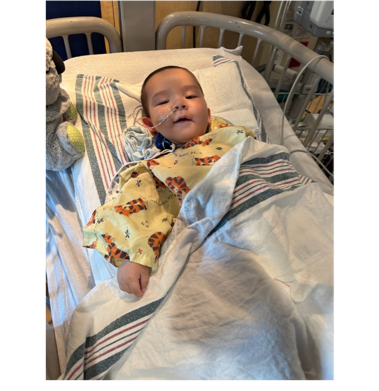
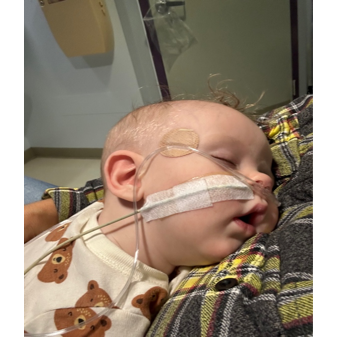
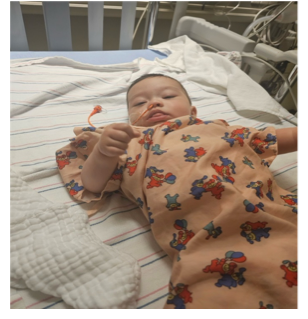
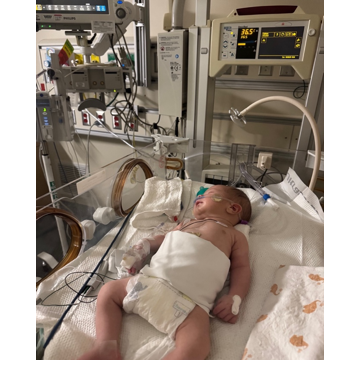
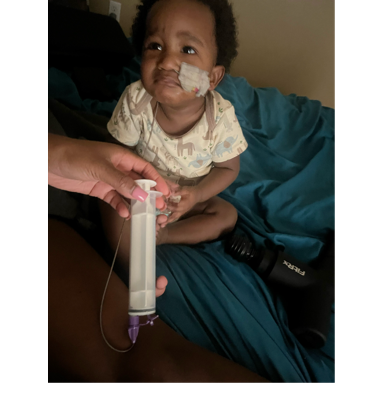
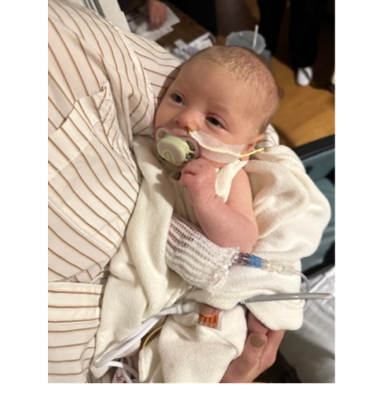
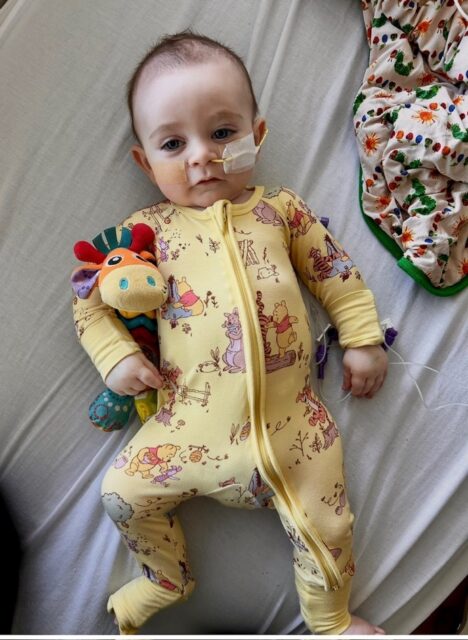
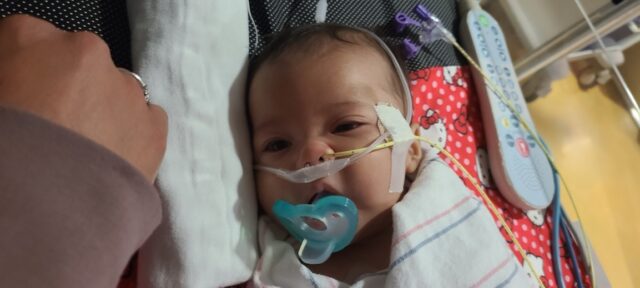
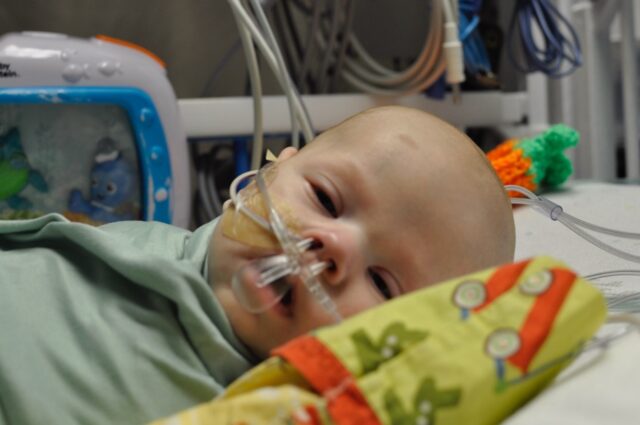
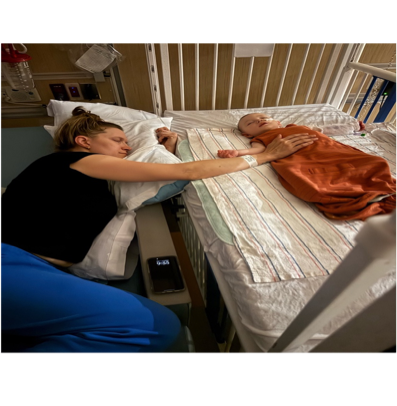
    Here is a reminder of 11 of the two dozen babies I am honored to represent:

    Baby 1: When our six-month-old son was diagnosed with infant botulism, our world stopped. Watching our baby, who should have been learning, growing, and thriving – was suddenly facing a life-threatening condition, which is something no parent is prepared for. In the span of three days, our healthy baby boy exhibited failure to thrive, as he lost function of his motor skills, was unable to swallow, and his digestive tract was impacted. The fear and helplessness of seeing our child suffer and not knowing if he would recover or what long-term effects such as paralysis, respiratory issues, or even death that he might face, is a trauma that will stay with us forever.

    What makes this experience even harder to accept is knowing it may have been prevented. Families should not have to endure this kind of trauma due to preventable risks or corporate negligence. Companies must be held accountable for their role in protecting the health and safety of the most vulnerable, especially infants who have no voice of their own. 

    We believe it is critical that Congress understands the real human cost behind cases like ours. We urge Congress to recognize these failures and to hold companies fully accountable for their role in protecting infants and families. Strong action can spare other families from enduring the fear, heartbreak, and lasting trauma that ours has endured. No parent should ever have to watch their child fight for their life because of failures that could have been avoided.

    Baby 2: “It’s been a nightmare.” That’s what I find myself saying to friends and acquaintances after sharing the story of what happened to my son over the last three months. What began as a slow, but noticeable weight loss and decreased feeds in late October quickly spiraled into a lengthy hospitalization with multiple readmissions for various setbacks and complications. Silent aspiration, oxygen levels in the low 80s, inability to feed from a bottle normally, the inability to hold his head up, and the inability to breath without oxygen. These are some of the complications he encountered. 

    The darkest day was the day he got air-flighted from Flagstaff to Phoenix Children’s Hospital. That’s when the realization hit that my previously perfect baby was very seriously ill. It was just two days after that when they told us our son had had three small strokes in the back of his brain. After finally getting treated with Baby BIG, the antitoxin for infant Botulism, we noticed dramatic improvements in our son’s ability to hold his head up within just 2-3 days. We are thankful for this life-saving treatment. I understand the cost of Baby BIG is just over $69,000 for one dose. I can’t help but wonder how different our lives would be, how different Kohen’s life would be, if manufacturers were required to screen for microorganisms like Botulism and Cronobacter. The cost of screening is surely less than the antitoxin for Botulism, and with Botulism diagnoses on the rise something needs to be done to prevent another family from going through what we’ve endured. I didn’t realize when I chose to stop breastfeeding at two months postpartum that my research of formulas should include whether or not companies voluntarily screen for these microorganisms. 

    The ripple effect of the has affected not just our son, but also his parents, his brother, his grandparents, aunts, uncle, friends and neighbors. It’s taken an entire community who rallied together to get us to the place we are in today, which is a place of uncertainty, but also hope. He is still fed through an NG tube and any formula he eats by mouth has to be thickened so he doesn’t aspirate it into his lungs. We are hopeful he will make a full recovery in time, but I still mourn all that’s been lost in our new baby experience from this  illness. 

    Baby 3: As for a statement, this experience was the hardest thing my wife and I have ever been through. Our daughter changed so much overnight and kept getting worse.  She had no energy, could barely move or open her eyes, couldn’t hold her head up or eat or drink. We had to take her to the hospital 4 times before someone suspected botulism. We didn’t know if she was going to survive. 

    She was in the hospital for 3 weeks but has required many follow up visits with her doctor and other specialists. She still hasn’t fully recovered and will require more visits with doctors and physical therapists to get her development back on track. My wife and I have had to take a lot of time off from work and this situation has had a tremendous effect on our mental and emotional state. We will do whatever we have to in order for our daughter to recover, but it hasn’t been easy. 

    Baby 4: I am one of the many parents directly impacted by the ByHeart infant formula botulism contamination. As a parent, nothing prepares you for the fear and helplessness of realizing that something meant to nourish and protect your baby would instead cause them harm. This experience shattered our sense of safety at one of the most vulnerable moments in our lives, when our only focus should have been our child’s healthy growth and development.

    Like many families, we chose ByHeart because of the trust it cultivated—positioning itself as a transparent, science-backed, and parent-first brand. We relied on this formula as our baby’s primary source of nutrition, believing it met the highest safety and quality standards; that trust was not given lightly. We depend on companies and regulators to ensure that what reaches store shelves is unquestionably safe. When that trust is broken, the consequences are not just emotional—they were physical and long-lasting.

    This crisis underscores the urgent need for stronger oversight and a faster, more proactive FDA response to contamination risks in infant formula production. We urge Congress to ensure the FDA is empowered with the resources, authority, and accountability measures necessary to prevent failures like this from happening again. No parent should ever have to question whether feeding their baby could put their child’s life at risk.

    Baby 5: This experience has changed our lives. 

    From feeling disgusted in myself when I eat; seeing that my son cannot enjoy a meal with me, and from having to be his life support and watch him relearn communication; I’m convinced at times that I am incompetent. 

    My son’s strength gives me motivation to fight and speak up for him. 

    I never thought being so proud to be a mother ; would come with my baby meeting fear at a defenseless age . 

    I have faith in all who goal to correct this situation.

    No matter the mountain I’m going to climb it for my son, and I appreciate you for hearing our voices. 

    Baby 6: We want to share our experience and the profound mental and emotional hardship our family has endured following our two-month-old infant’s diagnosis with botulism. This experience has been deeply traumatic, and it has permanently altered what should have been a time of bonding, joy, and learning to care for our first child. We are grateful that this situation is now being thoroughly investigated and given the serious attention it deserves, so that stronger safety measures can be put in place to prevent other families from enduring the same ordeal.

    It is devastating when new parents—already navigating the vulnerability and uncertainty of caring for a newborn—are forced to confront a life-threatening illness that was both unnecessary and preventable. From the earliest weeks, we knew something was wrong. For several weeks prior to her diagnosis, we repeatedly sought medical guidance to address significant feeding challenges. More than half of each bottle would drain from her mouth, leaving us fearful that she was not receiving the nutrition she desperately needed. In response, we fed her nearly twice the recommended amount, increased the frequency of feedings, and woke her throughout the night to ensure she was getting enough nourishment.

    Despite our constant vigilance and growing concern, we had no explanation for her worsening condition. Watching our newborn slowly deteriorate—without answers—was emotionally unbearable. The fear, self-doubt, and helplessness we experienced during this time are difficult to put into words. It was not until we received an automated call from the retailer where we purchased ByHeart infant formula that we finally began to understand the cause of what our child was suffering.

    Seeing our two-month-old baby connected to feeding tubes and vital monitors was one of the most heartbreaking and traumatizing moments of our lives. The emotional toll of witnessing her in that state, combined with extreme sleep deprivation, overwhelming stress, lost work, and ongoing medical and recovery appointments, has had a lasting impact on our mental health and our family’s well-being.

    We sincerely hope no other family ever has to experience this kind of fear and trauma during what should be the most precious and formative time of their child’s life. We are thankful that this incident is receiving the attention necessary to address and correct critical safety testing deficiencies, and we pray that meaningful changes are made to ensure the safety of infants and peace of mind for parents everywhere.

    Baby 7: Our son was hospitalized with infant botulism after consuming powdered infant formula—something we gave him believing it was safe and carefully regulated. In a matter of days, a healthy baby lost the ability to eat, move, and function normally. No parent should ever have to watch their child suffer this way from a product specifically designed for infants. This should not have happened, and the fact that it did points to serious failures that must be addressed.

    What is often missing from policy discussions is the human reality behind these cases. We are not data points or rare anomalies—we are families whose lives have been permanently altered. The emotional trauma, financial strain, and long-term uncertainty do not end when a hospital stay ends. Action is urgent because babies are still being born, parents are still relying on these products, and families should not have to wait for another child to be harmed before safeguards are strengthened. Accountability and meaningful change are necessary to ensure infant safety is truly non-negotiable.

    Baby 8: We believe companies can correct mistakes only when there is real accountability. In this case, warnings about potential contamination were ignored, and infant safety failed. If there isn’t real regulatory change that comes from this, the message to the industry will be that the risk to babies’ lives can simply be priced in as a cost of doing business. We’re asking Congress to put child safety ahead of profit and ensure this never happens again.

    Baby 9: I want to be able to share my perspective and take as my daughter’s mom, since she is unable to advocate for herself as she is only 9 months old. She was 6 months old when she was treated for Infant Botulism at Rady’s Children Hospital in San Diego CA. As a working mom, and some who was struggling to produce milk to feed my daughter, I trusted and used the Byheart formula for only 5 weeks. It is crazy how those 5 weeks were so impactful on our daughter, and how I saw the light and spirit of her change. I had no idea what was happening to her, only knowing something was not right, as my daughter who was always a happy, outgoing, smiley baby with no health issues, was fading and changing that last two weeks before we were aware that out daughter was impacted and needed treatment for Infant Botulism.

    As parents, this experience has been absolutely heartbreaking and something we will carry with us forever. We have always been extremely cautious about what we put in her body and what we expose her to from the food she eats to the clothing she wears and the toys she plays with. We carefully research products and make decisions with her safety and well-being at the forefront. We truly believed we were making the best possible choice for our child when we purchased what we thought was a high-quality, safe, and trustworthy formula. It is devastating to know that what we believed was the best choice for her turned out to be anything but.

    During her illness, we watched our daughter change in ways that were terrifying and deeply distressing. Her face became frozen, her expression disappeared, and tears would roll down her face while she was unable to cry out for help, her body was weak, and she wasn’t being active and strong like she normally was. At the time, we did not fully understand that paralysis was slowly spreading through her body. Not knowing what was happening, how much she was suffering, or how far the paralysis might progress is something no parent should ever experience. As a school psychologist, I worry what this impact may have on her long term social emotional well-being. 

    She lost abilities she had already developed her ability to vocalize, to cry, and to control her muscles. She could not communicate her needs or discomfort, and as her parents, we were left helpless, watching our child struggle without being able to comfort her or understand what she was feeling. We now know that had she not received medical care when she did, we could have lost our child. Even with treatment, the risk of severe and lasting long-term impacts was very real.

    After treatment, her recovery was not immediate. It took significant time for her mouth and feeding abilities to improve, and while there has been progress, we continue to live with uncertainty about the long-term effects. She now struggles with ongoing gastrointestinal issues and severe constipation that requires daily medication. Because she is still so young, she cannot tell us what she feels, if she is uncomfortable, or if something is wrong, and that uncertainty is incredibly painful as a parent.

    This experience has changed our family forever. The fear, the helplessness, and the lasting uncertainty are things no family should have to endure. Our hope in sharing her story is that no other child or family has to go through this. If changes can be made to prevent this from happening again, then sharing our pain and experience may help protect other children and families from enduring the same trauma.

    Baby 10: I researched the ByHeart formula after being told I needed to start supplementing my baby’s feeds due to him losing weight. I initially chose ByHeart due to it being labeled as organic, whole milk from grass-fed cows, close to breast milk, being awarded the Clean Label Project Purity award, made by us in the US with globally-sourced ingredients, and being clinically tested. I started feeding my baby ByHeart formula on September 18th of 2025. My baby first started to show signs of Infant Botulism on October 19th of 2025, while we were attending church. He began to be unable to support his neck and started to have a decrease in his appetite.

    My baby’s symptoms started to increase while in the middle of moving from Washington state to Tennessee. When we arrived in Idaho Falls on October 22nd, the symptoms reached their most concerning levels. My baby was unable to lift his head and limbs, was extremely lethargic, unable to open his eyes, not crying, refusing to eat, and could not close his mouth. He was rushed to the Mountain View Hospital emergency room around 8 pm. When we entered the emergency room, we were immediately brought back for care by a large team of staff. My baby then had his temperature taken twice rectally, had blood drawn, and had a urine sample taken using a catheter. During all of this, my baby did not react at all. He was then admitted to Mountain View Hospital, where he stayed from October 22nd to 24th of 2025. During my baby’s stay, he was put on a feeding tube along with oxygen. My baby was also administered a glycerin suppository, which delayed the results for the Infant Botulism test. On the night of October 23rd, my baby’s staff realized that he was not processing formula, and the formula had to be removed via his feeding tube. On the 24th of October, the doctors were concerned as there was no improvement in my baby. The doctors proceeded to consult Intermountain Health Primary Children’s Hospital in Salt Lake City, Utah, where it was discussed that Infant Botulism was an extreme possibility for my baby. At that point, both hospitals agreed that it was in the best interest of my baby to have him medivac’d via plane to Intermountain Health Primary Children’s Hospital.

    While being medivac’d to Intermountain Health Primary Children’s Hospital in Salt Lake City, Utah, my fiancé had to collect my dog from a boarding facility and “race” down to Salt Lake City with all our personal items to meet my baby and I at Intermountain Health Primary Children’s Hospital in Salt Lake City, Utah. My baby and I arrived at Intermountain Health Primary Children’s Hospital in Salt Lake City, Utah, and were immediately rushed to the Pediatric Intensive Care Unit (PICU). My baby was then attended to by four nurses, a neurologist, and additional staff. At this point, I was finally convinced to get rest at a hotel versus staying in the hospital room with my baby. This decision was extremely emotionally difficult as I felt like I was abandoning my baby. However, I knew that I needed proper rest to adequately care for my son.

    My baby received BabyBIG on October 25th while still in the PICU. He received treatment even though, at the time, he was not diagnosed with Infant Botulism due to his symptoms being so concerning to hospital staff. The California CDC agreed to this treatment even without a positive test for Infant Botulism. My baby was then moved from the PICU to the long-term care unit on the 27th of October to monitor his care. Once moved to the long-term care unit, we contacted and were approved by the Ronald McDonald organization for long-term housing due to the cost

    of staying in hotels for an extensive amount of time. During the entire time of our stay in Salt Lake City, we also had to pay for the boarding of our family dog.

    Between October 27th and November 30th, I had multiple conversations with the Utah CDC, California CDC, and Washington State CDC, and insurance to explain the situation and to turn in the ByHeart formula for testing for Botulism. During a call with Washington State Insurance, I was pressured to ask the Intermountain Health Primary Children’s Hospital staff if my baby could be transferred to Tennessee or if my fiancé could fly to Tennessee to establish residency due to the enormous cost of care for my baby. My baby was released from Intermountain Health Primary Children’s Hospital in Salt Lake City on November 30th in the middle of a snowstorm.

    During the long-term care for my baby, Halloween and Thanksgiving were missed with family due to our family not being able to afford travel expenses. My car’s registration also expired, causing frustration and fear while driving in Salt Lake City. This resulted in the title having to be sent overnight by mail to get a travel permit. While in Salt Lake City, my family had to receive my household goods from United Van Lines in Tennessee due to being in the process of moving.

    My baby had to receive physical therapy to be able to return to bottle feeding. During this time and to this day, he has a weakness in his ability to lift and control his neck/head. My baby struggles to roll over from “tummy time” to back. My baby is not able to sit up on his own and is barely able to with assistance. Having Infant Botulism has delayed my baby’s developmental progress. My baby is unable to eat baby food because he is unable to support his head and upper body. My baby’s attitude/personality has changed significantly. My baby now becomes easily frustrated and enraged with the simple milestones that he should be hitting for his age.

    This whole experience was an emotional rollercoaster due to it taking 17 months and fertility treatment to conceive. Some days, we were told that my baby could have died. Other days, we were waiting for him to get better. This has resulted in me becoming overprotective with my baby and not wanting to leave the house due to fear of my baby getting sick again. My baby is now only allowed to be held by close family members, and they are required to wash their hands before holding him. My baby, my fiancé, and I experience sleep issues due to remaining stress from this experience.

    Baby 11: When my daughter was sick with botulism, I felt constant, overwhelming terror. In the 7 months between her illness and the recall, I blamed myself for what happened. Since hearing of the recall, I have been anxiously fighting for answers but feeling powerless. My daughter is 1 of the 51 infants impacted by this outbreak but she is not just a number. She is a sweet, playful, strong little person who survived a harrowing experience. 

    According to the FDA Outbreak Table: The outbreak of Salmonella Newport (ref #1366) linked to cantaloupe has ended. Based on epidemiological information collected by CDC, a total of 70 people infected with the same strain of Salmonella Newport have been reported from 25 states. FDA’s traceback investigation identified Ayco Farms Inc. of Pompano Beach, Florida, as a common supplier of imported cantaloupe from Guatemala. Once Ayco Farms was identified as the common supplier, FDA worked with the firm to determine if there was product available to customers. Although the imported cantaloupe was likely past shelf life and no longer on the market, Ayco Farms initiated a voluntary recall to ensure that downstream customers did not further process and extend the shelf life of the implicated cantaloupe. There does not appear to be any ongoing risk to public health and there is no recommendation for consumers to avoid cantaloupe. As part of this investigation, FDA placed Ayco San Jorge Y Compania Limitada and Agrobassy Y Cia Ltda on import alert 99-35, which subjects the cantaloupes from these firms to automatic detention without physical examination. As such, no product from these firms will enter U.S. commerce until they have demonstrated that they have overcome the violations that resulted in this action.

    It has long been said that, in 1885, pioneering American veterinary scientist, Daniel E. Salmon, discovered the first strain of Salmonella. Actually, though, Theobald Smith, research-assistant to Dr. Salmon, discovered the first strain of SalmonellaSalmonella Choleraesuis. But being in charge, Dr. Salmon received all the credit.[1] Today, the number of known serotypes of Salmonella bacteria totals over two thousand. And in recent years, concerns have been raised, as strains of Salmonella have become resistant to traditional antibiotics.

    There are two Salmonella species: Salmonella enterica (S. enterica) and Salmonella bongori (S. bongori). S. bongori strains predominantly colonize cold-blooded reptiles, whereas S. enterica strains can infect both humans and mammals.[2] Based on factors such as morphology, structure, mode of reproduction, and other criteria, the two species are further classified into subgroups called serotypes or serovars. More than 2,600 serotypes have been described for Salmonella, and they are characterized by the type(s) of animal they are found in or by the clinical symptoms they cause.[3] Of these, less than 100 are responsible for most human Salmonella infections.[4]

    Where Does Salmonella Come From?

    Salmonellae are widely distributed in nature and are found in the intestinal tract of wild and domesticated animals and in humans. Salmonella poisoning can occur when a person ingests contaminated fecal particles transmitted by another infected human or animal.[5]

    Salmonella enterica serotypes Typhi, Sendai, and Paratyphi A, B, or C are found exclusively in humans. These serotypes, collectively referred to as typhoidal Salmonella, cause enteric fever (also known as typhoid or paratyphoid fever if caused by serotypes Typhi or Paratyphi, respectively).[6] Most often, enteric fever is acquired through ingestion of food or water contaminated with human feces. Most U.S. residents who are diagnosed with typhoidal Salmonella are infected while traveling abroad in areas where typhoid fever and paratyphoid fever are common. Three types of vaccines against S. Typhi are commercially available, although there is still not a single licensed vaccine available against S. Paratyphi A.[7] Persons planning to travel outside of the United States are advised to find out if a vaccine for typhoid fever is recommended (see www.cdc.gov/travel). 

    Most Salmonella infections are caused by eating contaminated food. One study found that 87% of all confirmed cases of Salmonella are foodborne. Foods of animal origin, including meat, poultry, eggs, or dairy products can become contaminated with Salmonella. Eating uncooked or inadequately cooked food—or food cross contaminated with uncooked or undercooked products—can lead to human infections. As explained in a comprehensive report issued by the U.S. Department of Agriculture’s Economic Research Service:

    Salmonella contamination occurs in a wide range of animal and plant products. Poultry products and eggs are frequently contaminated with S. Enteritidis, while beef products are commonly contaminated with S.Typhimurium. Other food sources of Salmonella may include raw milk or other dairy products and pork.

    In the past two decades, consumption of produce, especially sprouts, tomatoes, fruits, leafy greens, nuts, and nut butters, has been associated with Salmonella illnesses.[8] The surface of fruits and vegetables may be contaminated by human or animal feces. Changes in food consumption and production, as well as the rapid growth of international trade in agricultural products, have facilitated the transmission of Salmonella associated with fresh fruits and vegetables. 

    In the United States, Salmonella is the second most isolated bacterial pathogen when laboratory diagnosis of diarrhea is sought.[9] However, passive laboratory surveillance, which uses voluntary reporting by health care providers and facilities, captures only a fraction of illnesses that occur. Furthermore, only a small proportion of illnesses are confirmed by laboratory testing and reported to public health agencies. Thus, researchers rely on quantitative statistical modeling to estimate the incidence of foodborne illness. These estimates are used to direct policy and interventions.

    What are the Symptoms of Salmonellosis?

    Salmonella infections can produce a broad range of disease, from no symptoms to severe illness. The most common clinical presentation is acute gastroenteritis. Symptoms commonly include diarrhea and abdominal cramps, often accompanied by fever of 100°F to 102°F (38°C to 39°C). More serious infections may also involve bloody diarrhea, vomiting, headache, and body aches.[10]

    The incubation period, or the time from ingestion of the bacteria until the symptoms start, is generally 6 to 72 hours; however, there is evidence that in some situations the incubation can be longer than 10 days. People with salmonellosis usually recover without treatment within three to seven days. Nonetheless, Salmonella bacteria can persist in the intestinal tract and stool for many weeks after the resolution of symptoms—on average, one month in adults and longer in children.[11]

    Treatment of Salmonellosis

    S. Typhi and S. Paratyphi can cause systemic illness if they invade the bloodstream (termed “bacteremia”). “Septicemia” or “sepsis” (bloodstream infection or “blood poisoning”) occurs if the bacteria multiply in the blood and cause the immune system to respond by activating inflammatory mechanisms. This may result in the development of “systemic inflammatory response syndrome,” or “SIRS,” which is defined by the combination of tachycardia, tachypnea, fever, and abnormal white blood cell count. When the bacteria involved are S. Typhi or S. Paratyphi, this serious illness is called enteric typhoid, or paratyphoid fever. Symptoms may start gradually and include fever, headache, malaise, lethargy, and abdominal pain. In children, it can present seemingly innocuously as a non-specific fever. The incubation period for S. Typhi is usually 8 to 14 days, but it can range from three to 60 days. For S. Paratyphi infections, the incubation period is like that of nontyphoidal Salmonella—one to 10 days.[12]

    Medical treatment is acutely important, though, if the patient becomes severely dehydrated or if the infection spreads from the intestines. Persons with severe diarrhea often require re-hydration, usually with intravenous (IV) fluids. But antibiotics are not necessary or indicated unless the infection spreads from the intestines, at which time the infection can be treated with ampicillin, gentamicin, trimethoprim/sulfamethoxazole, or ciprofloxacin. Unfortunately, though, some Salmonella bacteria have become resistant to antibiotics, largely because of using them to promote the growth of feed animals.[13]

    MEDICAL COMPLICATIONS

    A.        Reactive Arthritis

    Formerly referred to as Reiter Syndrome, the term reactive arthritis refers to an inflammation of one or more joints, following an infection localized at a site distant from the affected joints. The predominant site of the infection is the gastrointestinal tract. And reactive arthritis can be post infection, meaning that the infection may not be active when diagnosed. Several bacteria, including Salmonella, can cause reactive arthritis.[14]  And although the resulting joint pain and inflammation can resolve completely over time, permanent joint damage can occur.[15]

    The symptoms of reactive arthritis include pain and swelling in the knees, ankles, feet, and heels. Less frequently, the upper extremities may be affected, including the wrists, elbows, and fingers. Tendonitis (inflammation of the tendons) or enthesitis (inflammation where tendons attach to the bone) can occur. Other symptoms may include prostatitis, cervicitis, urethritis (inflammation of the prostate gland, cervix, or urethra), conjunctivitis (inflammation of the membrane lining the eyelid), or uveitis (inflammation of the inner eye). Ulcers and skin rashes are less common. Symptoms can range from mild to severe and can occur anywhere from three days to six weeks after the antecedent infection and may involve one or more joints, though usually six or fewer. Although most cases recover within a few months, some continue to experience complications for years. Treatment focuses on relieving the symptoms.[16]

    B.        Irritable Bowel Syndrome

    Irritable bowel syndrome (IBS) is a functional disorder of the gastrointestinal tract. The hallmark symptoms of IBS are abdominal pain and altered bowel habits, ranging from constipation to diarrhea, or alternating diarrhea and constipation. Abdominal pain is usually crampy in nature, but character and sites can vary. In some patients, the pain is relieved by defecation but, in others, defecation may worsen the pain. Additional symptoms may include bloating, straining at stools, and a sense of incomplete evacuation.

    The observation that the onset of IBS symptoms can be precipitated by gastrointestinal infection dates to the 1950s. Mechanisms are not known but include changes in the microbiome, use of antibiotics to treat the infection, and an increase in enteroendocrine cells.

    Another consequence of infective gastroenteritis is the disruption of normal gut flora. Studies on postinfectious IBS have provided etiological insights into the pathogenesis of IBS. It is well documented that following infective gastroenteritis, more than 10% of affected individuals go on to develop postinfectious IBS.[17] The risk of postinfectious IBS appears greater with bacterial gastroenteritis compared to viral gastroenteritis.


    [1]           Kass EH. (1987). A brief perspective on the early history of American infectious disease epidemiology. Yale J Biol Med. 60(4):341-8. 

    [2]           Hernandez, A. K. C. Salmonella bongori. Poultry and Avian Diseases. Encyclopedia of Agriculture and Food Systems. https://www.sciencedirect.com/topics/agricultural-and-biological-sciences/salmonella-bongori.

    [3]           Boore AL, et al. (2015). Salmonella enterica Infections in the United States and Assessment of Coefficients of Variation: A Novel Approach to Identify Epidemiologic Characteristics of Individual Serotypes, 1996–2011. PloS One. 10(12): e0145416

    [4]           Besser JM. (2018). Salmonella epidemiology: a whirlwind of change. Food Microbiol. 71:55-9.

    [5]           Chiu, C.-H. (2019). Salmonella, Non-Typhoidal Species (S. Choleraesuis, S. Enteritidis, S. Hadar, S. Typhimurium). http://www.antimicrobe.org/b258.asp. 

    [6]           Ohad eGal-Mor, Erin C Boyle, & Guntram A. Grassl. (2014). Same species, different diseases: how and why typhoidal and non-typhoidal Salmonella enterica serovars differ. Frontiers in Microbiology, 5. https://doi.org/10.3389/fmicb.2014.00391

    [7]           Id.

    [8]           National Typhoid and Paratyphoid Fever Surveillance Annual Summary, 2015.” Centers for Disease Control and Prevention, 6 Nov. 2018. Available at: https://www.cdc.gov/typhoid-fever/reports/annual-report-2015.html

    [9]           “National Enteric Disease Surveillance: Salmonella Annual Report, 2016.” Centers for Disease Control and Prevention, 28 Feb. 2018. Available at: https://www.cdc.gov/nationalsurveillance/pdfs/2016-Salmonella-report-508.pdf

    [10]         “Salmonella.” Centers for Disease Control and Prevention, 24 Jun. 2020. Available at: https://www.cdc.gov/salmonella/

    [11]         Id.

    [12]         Miller, S. and Pegues, D. “Salmonella Species, Including Salmonella Typhi” in Mandell, Douglas, and Bennett’s Principles and Practice of Infectious Diseases, Sixth Edition, Chap. 220, pp. 2636-50 (2005).

    [13]         Medalla, F., Gu, W., Mahon, B. E., Judd, M., Folster, J., Griffin, P. M., & Hoekstra, R. M. (2016). Estimated Incidence of Antimicrobial Drug-Resistant Nontyphoidal Salmonella Infections, United States, 2004-2012. Emerging infectious diseases23(1), 29–37. https://doi.org/10.3201/eid2301.160771

    [14]         See “Reactive Arthritis.” Questions and Answers About. N.p., n.d. Web. 12 Nov. 2015.

    [15]         Id.

    [16]         “Reactive Arthritis.” National Institute of Arthritis and Musculoskeletal and Skin Diseases, Oct. 2016. Available at: https://www.niams.nih.gov/health-topics/reactive-arthritis

    [17]         Ng, Q. X., Soh, A., Loke, W., Lim, D. Y., & Yeo, W. S. (2018). The role of inflammation in irritable bowel syndrome (IBS). Journal of inflammation research11, 345–349. https://doi.org/10.2147/JIR.S174982

    Dr. Donald A. Prater, D.V.M., is the Acting Deputy Commissioner for Food. As the Acting Deputy Commissioner for Food, Dr. Prater leads the agency’s Human Foods Program, overseeing all FDA nutrition and food safety activities. In this role, Dr. Prater exercises authority over all Human Food Program entities and operations, including resource allocation, risk-prioritization strategy and decision making, policy initiatives, and major response activities involving human foods. Dr. Prater also oversees food resources in the agency’s Office of Inspections and Investigations.

    Prior to this role, he served as the agency’s Principal Deputy Associate Commissioner for Food since 2024 and was previously Acting Director of the FDA’s Center for Food Safety and Applied Nutrition, a role he took on in 2023. He adeptly helped lead the Center during a time of transition, prioritizing nutrition and the safety of the food supply, dietary supplements, and cosmetics while helping to re-envision the organization.

    Previously he had been the Associate Commissioner for Imported Food Safety in Office of Food Policy and Response, providing direction to and management of imported food safety programs. In addition, he served as a senior scientific advisor and technical expert on matters related to human and animal food safety and the implementation of the FDA Food Safety Modernization Act. Earlier in his FDA tenure, Dr. Prater was Director of the FDA’s Europe Office in Brussels, Belgium and the Department of Health and Human Services Country Representative to the European Union.  

    Dr. Prater received a Doctor of Veterinary Medicine from the Virginia-Maryland Regional College of Veterinary Medicine (government and corporate track) in 1996. Following a three-year residency in anatomic pathology, he joined the FDA’s Center for Veterinary Medicine (CVM) in 1999 as a Veterinary Medical Officer. There he served in several roles including leader of the Aquaculture Drugs Team, CVM Pathologist, and Director of the Division of Scientific Support. 

    On August 15, 2016, the Hawaii Department of Health (HDOH) identified raw scallops served at Genki Sushi restaurants on Oahu and Kauai as a likely source of an ongoing hepatitis A outbreak. The product of concern was identified to be Sea Port Bay Scallops (Wild Harvest, Raw Frozen) that originated in the Philippines (states “Product of the Philippines” on the box) and were distributed by Koha Oriental Foods. 

                As a result, HDOH ordered this product embargoed (not to be sold, purchased, or consumed) throughout the state, and the temporary closure of all Genki Sushi restaurants on Oahu and Kauai.

                As of November 30, 2016, HDOH has identified 292 cases of hepatitis A. Seventy-four have required hospitalization. Findings of the investigation suggest that the source of the outbreak is focused on Oahu. Eleven individuals are residents of the islands of Hawaii, Kauai, or Maui, and seven visitors have returned to the mainland or overseas. Onset of illness has ranged between June 12, 2016 and October 9, 2016. Many were hospitalized and there was one death.

                The FDA and CDC are supporting the HDOH in the investigation of hepatitis A virus (HAV) infections linked to scallops supplied by Sea Port Products Corp. On August 17, 2016, the FDA, HDOH, CDC, and state partners informed Sea Port Products Corp. that epidemiological, laboratory, and traceback information indicated that their scallops are the likely source of illnesses. On August 18, 2016, Sea Port Products Corp. initiated a voluntary recall of three lots of frozen Bay Scallops produced on November 23 and 24, 2015. The lot numbers for the recalled scallops are 5885, 5886, and 5887. The products were distributed to California, Hawaii, and Nevada. According to Sea Port Products Corp., the recalled products are not intended for retail sale. The FDA is working with the recalling firm to ensure their recall is effective and that recalled product is removed from the market.

                The FDA’s traceback investigation involved working with HDOH to trace the path of food eaten by those made ill back to a common source. The traceback investigation determined that Sea Port Products Corp. imported the scallops that were later supplied to certain Genki Sushi locations in Hawaii, where ill people reported eating.

                On August 17, 2016, FDA laboratory analysis of two scallop samples, which were collected on August 11, 2016, were confirmed positive for hepatitis A. These samples were imported by Sea Port Products Corp. and were produced on November 23 and 24, 2015.

    Hepatitis A:  Marler Clark, The Food Safety Law Firm, is the nation’s leading law firm representing victims of Hepatitis A outbreaks. The Hepatitis A lawyers of Marler Clark have represented thousands of victims of Hepatitis A and other foodborne illness outbreaks and have recovered over $900 million for clients.  Marler Clark is the only law firm in the nation with a practice focused exclusively on foodborne illness litigation.  Our Hepatitis A lawyers have litigated Hepatitis A cases stemming from outbreaks traced to a variety of sources, such as green onions, lettuce and restaurant food.  The law firm has brought Hepatitis A lawsuits against such companies as Costco, Subway, McDonald’s, Red Robin, Chipotle, Quiznos and Carl’s Jr.  We proudly represented the family of Donald Rockwell, who died after consuming Hepatitis A tainted food and Richard Miller, who required a liver transplant after eating food at a Chi-Chi’s restaurant.

    If you or a family member became ill with a Hepatitis A infection after consuming food and you’re interested in pursuing a legal claim, contact the Marler Clark Hepatitis A attorneys for a free case evaluation.

    Additional Resources:

    Death Cap and Western Destroying Angel mushrooms

    • As an update to the January 2026 Health Advisory describing an increase in mushroom poisoning cases identified in the Northern California and Central Coast regions, the California Department of Public Health (CDPH) and the California Poison Control System (CPCS) are alerting health care providers of a recent resurgence in poisoning cases associated with consumption of amatoxin-containing mushrooms in the Northern California and Central Coast regions.
    • As of May 11, 2026, 47 cases have been reported to CPCS, with severe illnesses resulting in four deaths and at least four liver transplants. Eight cases have been reported in the last four weeks (with four of the eight reported in the last week), in a time frame past the normal peak season. This greatly exceeds the typical report of less than 5 cases of mushroom poisonings each year in California. Since November 2026, hospitals across 12 counties have provided treatment to patients with poisoning symptoms. Death Cap and Western Destroying Angel mushrooms have reportedly been collected in a wide variety of locations including city, county, and national park areas across the Northern California and Central Coast regions beyond the initial clusters identified in the Monterey and San Francisco Bay areas.
    • Health care providers should consider mushroom poisoning as a differential diagnosis in patients presenting with recent or active gastrointestinal symptoms or elevation of liver enzymes. Ask patients about possible consumption of foraged mushrooms; Death Cap and Western Destroying Angel mushrooms can be mistaken for several edible mushroom varieties at different stages of growth. Contact California Poison Control System at 1-800-222-1222 for guidance on diagnosing and treating patients with suspected mushroom poisoning and to report cases. CDPH can assist with rapid amatoxin detection in the urine of patients as well as laboratory analyses of mushroom specimens – contact the CDPH Laboratory Response Network’s CT Training and Outreach Coordinator, Terri Jackson at (530) 304-7439 or Terri.Jackson@cdph.ca.gov​.
    • CDPH and CPCS have developed materials in multiple languages to support outreach and education on amatoxin-containing mushrooms. CDPH has also developed a dashboard to provide updated information on the outbreak including a case definition, an epidemic histogram of the outbreak, and selected case characteristics.

    184 sick, 53 hospitalized and 1 death reported in Washington.

    Since the last update on April 23, 2026, 150 new illnesses have been reported, including new outbreak strains of Salmonella Enteritidis and Salmonella Mbandaka.

    As of May 4, 2026, a total of 184 people infected with the outbreak strains of Salmonella Enteritidis (32 people), Mbandaka (19 people), and Saintpaul (133 people) have been reported from 31 states.

    Illnesses started on dates ranging from January 17, 2026, to April 20, 2026.

    Of 154 people with information available, 53 (34%) have been hospitalized.

    One death has been reported from Washington.

    The true number of sick people in an outbreak is likely much higher than the number reported, and the outbreak may not be limited to the states with known illnesses. This is because many people recover without medical care and are not tested for Salmonella. In addition, recent illnesses may not yet be reported as it usually takes 3 to 4 weeks to determine if a sick person is part of an outbreak.

    State and local public health officials are interviewing people about the animals they came into contact with in the week before they got sick.

    Of 141 people interviewed, 110 (78%) reported contact with backyard poultry.

    Of 65 patients with Salmonella Saintpaul infections who have specified species of backyard poultry, 51 (78%) reported chicks or chickens and 35 (54%) reported ducklings or ducks.

    Of 25 patients with information, 16 (64%) specify Pekin ducks.

    Patients included in the Salmonella Saintpaul outbreak have more frequently reported contact with ducklings or ducks, specifically Pekin ducks, versus other outbreaks where most patients reported contact with chicks and chickens.

    Of 70 people who reported owning backyard poultry, 61 (87%) purchased or obtained poultry since January 1, 2026. People reported getting their poultry from various places. Most reported purchasing from agricultural retail stores. Investigators continue to collect information about where sick people obtained poultry, including what hatcheries supplied the retail stores where people purchased poultry.

    These outbreak strains have been linked to 5 hatcheries. CDC is working with state partners to notify the hatcheries of these links and assess any links to upstream suppliers. Additional hatcheries may be linked to these outbreaks as the investigation continues.

    Investigators in Ohio collected samples from backyard poultry or from the inside of boxes used to ship poultry from hatcheries to retail stores. WGS showed that the Salmonella Saintpaul and Mbandaka found in these samples were the same strains as those found in sick people.

    One hundred and eighty-four human samples, 6 animal samples, and 1 environmental sample were assessed for predicted resistance by WGS analysis. Bacteria from 133 human samples and 6 animal samples predicted resistance to fosfomycin; all fosfomycin-resistant samples (100%) were Salmonella serotype Saintpaul. In addition, 27 human samples had predicted resistance to 1 or more of the following antibiotics: chloramphenicol, streptomycin, sulfisoxazole, tetracycline, and gentamicin; 32 human samples predicted nonsusceptibility to ciprofloxacin and resistance to nalidixic acid. Nineteen samples (18 human, 1 environmental) had no resistance.

    Most people with Salmonella illness recover without antibiotics. However, if antibiotics are needed, Salmonella illness with this predicted resistance may not be treatable with commonly recommended antibiotics and may require a different antibiotic choice. More information is available at the National Antimicrobial Resistance Monitoring System (NARMS).

    Salmonella:  Marler Clark, The Food Safety Law Firm, is the nation’s leading law firm representing victims of Salmonella outbreaks. The Salmonella lawyers of Marler Clark have represented thousands of victims of Salmonella and other foodborne illness outbreaks and have recovered over $900 million for clients.  Marler Clark is the only law firm in the nation with a practice focused exclusively on foodborne illness litigation.  Our Salmonella lawyers have litigated Salmonella cases stemming from outbreaks traced to a variety of foods, such as cantaloupe, tomatoes, ground turkey, salami, sprouts, cereal, peanut butter, and food served in restaurants.  The law firm has brought Salmonella lawsuits against such companies as Cargill, ConAgra, Peanut Corporation of America, Sheetz, Taco Bell, Subway and Wal-Mart.  

    If you or a family member became ill with a Salmonella infection, including Reactive Arthritis or Irritable bowel syndrome (IBS), after consuming food and you’re interested in pursuing a legal claim, contact the Marler Clark Salmonella attorneys for a free case evaluation.

    Additional Resources:

    William “Bill” Marler has been the leading food safety lawyer and advocate since the 1993 Jack-in-the-Box E. coli Outbreak which was chronicled in the book, “Poisoned” and in the recent Emmy Award winning Netflix documentary by the same name. Bill work has been profiled in the New Yorker, “A Bug in the System;” the Seattle Times, “30 years after the deadly E. coli outbreak, A Seattle attorney still fights for food safety;” the Washington Post, “He helped make burgers safer, Now he is fighting food poisoning again;” and several others. 

    Dozens of times a year Bill speaks to industry and government throughout the United States, Canada, Europe, Africa, China and Australia on why it is important to prevent foodborne illnesses.  He is also a frequent commentator on food litigation and food safety on Marler Blog. Bill is also the publisher of Food Safety News.

    Editor’s Note – May 14, 2026: Whole genome sequencing results show that headcheese samples collected by FSIS and produced at Crawford Sausage Co. (Est. 21406) tested positive for the outbreak strain of Listeria monocytogenes. FSIS continues to coordinate with the Illinois public health and agriculture partners on the outbreak investigation.

    WASHINGTON, May 9, 2026 – The U.S. Department of Agriculture’s Food Safety and Inspection Service (FSIS) is issuing a public health alert for headcheese that may be contaminated with Listeria monocytogenes (Lm). A recall was not requested because the products are no longer available for purchase. Headcheese is a ready-to-eat (RTE), pork deli meat product typically made from meat and seasonings that are cooked together and formed into a loaf or jelly-style product.

    The fully cooked pork headcheese products were produced on January 20, 2026. These products are intended for slicing at retail delis and some deli purchases may only show the producer’s brand without the affected date. The following products are subject to the public health alert [view labels]:

    • Various weight packages packed or sliced in retail delis, containing “DAISY BRAND Meat Products HEADCHEESE,” with a “USE BY” date of “MAR 26 2026.”
    • Various weight packages packed or sliced in retail delis, containing “DAISY BRAND Meat Products HEADCHEESE,” with a red sticker indicating “HOT” and a “USE BY” date of “MAR 26 2026.” 

    The products bear establishment number “EST. 21406” inside the USDA mark of inspection. These items were distributed to retail deli locations in Illinois and Indiana.

    The problem was discovered as part of an ongoing illness outbreak investigation. FSIS, the Illinois Department of Public Health, and local health departments in Illinois are investigating a localized outbreak of Lm that includes three sick people in Illinois. Because the outbreak is contained within the state, Illinois is leading this investigation with FSIS. FSIS continues to keep its federal partners at the Centers for Disease Control and Prevention informed as the investigation progresses. FSIS collected an unopened headcheese product sample that tested positive for Lm. Further testing is ongoing to determine if the product samples are related to the specific outbreak strain.

    FSIS is concerned that recently purchased product may remain in consumer refrigerators. Consumers who have purchased these products are urged not to consume them. These products should be thrown away or returned to the place of purchase. Consumers who have purchased these products are also urged to clean refrigerators thoroughly to prevent the risk of cross-contamination.

    Consumption of food contaminated with Lm can cause listeriosis, a serious infection that primarily affects older adults, persons with weakened immune systems, and pregnant women and their newborns. Less commonly, persons outside these risk groups are affected.

    Listeriosis can cause fever, muscle aches, headache, stiff neck, confusion, loss of balance and convulsions sometimes preceded by diarrhea or other gastrointestinal symptoms. An invasive infection spreads beyond the gastrointestinal tract. In pregnant women, the infection can cause miscarriages, stillbirths, premature delivery or life-threatening infection of the newborn. In addition, serious and sometimes fatal infections can occur in older adults and persons with weakened immune systems. Listeriosis is treated with antibiotics. Persons in the higher-risk categories who experience flu-like symptoms within two months after eating contaminated food should seek medical care and tell the health care provider about eating the contaminated food.