ucm444786Waymouth Farms, Inc. of New Hope, MN is recalling RAW PINE NUTS in various sizes, because it has the potential to be contaminated with Salmonella, an organism which can cause serious and sometimes fatal infections in young children, frail or elderly people, and others with weakened immune systems. Healthy persons infected with Salmonella often experience fever, diarrhea (which may be bloody), nausea, vomiting and abdominal pain. In rare circumstances, infection with Salmonella can result in the organism getting into the bloodstream and producing more severe illnesses such as arterial infections (i.e., infected aneurysms), endocarditis and arthritis.

The product was distributed nationwide through retail stores and mail order under the Good Sense® brand. A list of packaging sizes, UPC codes and expiration dates is found here.

The 4 oz. bags above may have been sold as a floor display, UPC 30243 86683 with a date range of Sep 05, 2015 to Feb 04, 2016.

Product was also sold in a 5 lb. bulk box, UPC 30243 02860, from 06/04/14 to 03/26/15 using the following Julian Codes:

1 155 14

1 183 14

1 210 14

1 223 14

1 239 14

1 260 14

1 281 14

1 282 14

1 317 14

1 351 14

1 020 15

1 050 15

1 085 15

This bulk product would have been sold from bulk self-service grocery bins.

No illnesses have been reported to date in connection with the problem.

The potential for contamination was noted after routine testing by the FDA revealed the presence of Salmonella in a 4 ounce package.

Production of the Pine Nuts has been suspended while Waymouth Farms, Inc. continues their investigation as to the source of the problem.
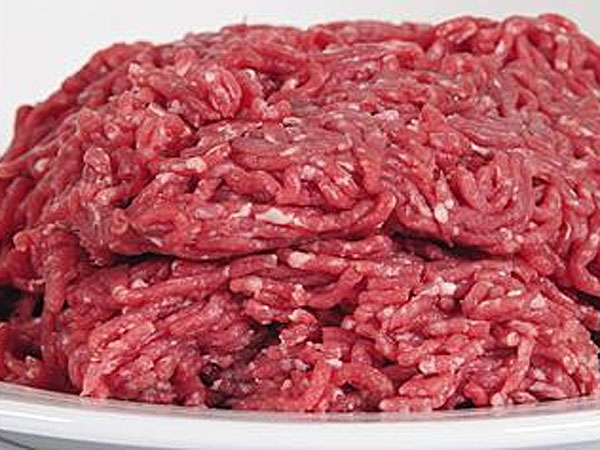
051914_groundbeef_600Skyline Provisions, Inc., a Harvey, Ill., establishment, is recalling 1,029 pounds of beef products contaminated with E. coli O157:H7, the U.S. Department of Agriculture’s Food Safety and Inspection Service (FSIS) announced today.

Produced between April 15-25, 2015, the following products are subject to recall:

17 ½ boxes of Aurora Packers Intact Beef Round Flats

On April 15, 2015, Skyline sold the product under their D&S label (Establishment number: 19300), ground and tested one and a half cases of the product. On April 21, 2015, these products were found positive for E. coli O157:H7. The remaining intact, products were sold to Jack & Pat’s Old Fashioned Market in Chicago Ridge, Ill., where the product was ground and sold in various amounts of ground chuck patties, ground chuck, ground round, sirloin patties and porter house patties.

FSIS discovered the problem during a routine sampling program. Neither FSIS nor the company received any reports of illnesses associated with consumption of this product. FSIS and the company are concerned that some product may have been sold and stored in consumers’ freezers.

E. coli O157:H7 is a potentially deadly bacterium that can cause dehydration, bloody diarrhea and abdominal cramps 2–8 days (3–4 days, on average) after exposure the organism. While most people recover within a week, some develop a type of kidney failure called hemolytic uremic syndrome (HUS). This condition can occur among persons of any age but is most common in children under 5-years old and older adults. It is marked by easy bruising, pallor, and decreased urine output. Persons who experience these symptoms should seek emergency medical care immediately.

shrimp_on_the_barbieConsumer Reports scientists tested 342 packages of frozen shrimp: 284 raw, 58 cooked, purchased at stores around the country. Among the findings:

  • Bacterial residues were found on more than half the raw samples (60 percent) tested — including salmonella, E. coli and listeria.
  • In seven raw shrimp samples, scientists detected the antibiotic-resistant superbug Methicillin-resistant Staphylococcus aureus, which can cause dangerous infections.
  • Illegal antibiotic residues were present on 11 samples.
  • The fish packages were purchased at Albertsons, Costco, Fry’s Marketplace, Hy-Vee, Kroger, Sprouts Farmers Market, and Walmart in 27 cities across the U.S.

Yummy, NOT time to put “shrimp on the Barbie.”

Screen Shot 2015-04-27 at 3.07.42 PM21 Confirmed Cases with One Death and 10 Suspected Cases

Based on laboratory tests and interviews with potluck attendees, public health officials have concluded that potato salad made with home-canned potatoes is the likely cause of a foodborne botulism outbreak following a church potluck in Lancaster on April 19.

Botulism is a rare but serious paralytic illness caused by a nerve toxin that is produced by certain kinds of bacteria.

As of today, there are 21 confirmed cases of botulism associated with this outbreak, including one death. There are 10 suspected cases in which the individuals are exhibiting symptoms consistent with botulism. Patients have been treated with a botulism antitoxin provided by the Centers for Disease Control and Prevention (CDC), and 12 remain hospitalized.

“This is a difficult time for our community, and our thoughts and prayers are with the affected individuals and their families,” said Mark Aebi, M.D., Health Commissioner & Medical Director for Fairfield Department of Health. “I want to thank our staff for their dedication and hard work during this outbreak as well as the tremendous support we have received from ODH and the CDC. FMC’s rapid assessment and participation in this response has been invaluable as well.”

Mary DiOrio, M.D., Medical Director of the Ohio Department of Health, noted the local, state and federal collaboration in responding to the outbreak. The response involved public health including Fairfield Department of Health, Ohio Department of Health, and CDC, as well as central Ohio hospitals including Fairfield Medical Center.

“I want to thank my colleagues in these public health agencies and hospitals for the tremendous work that they have done to treat individuals who have been sickened, and to investigate and control the outbreak,” she said.

ucm444554Greystone Foods, LLC voluntarily recalls Today’s Harvest Field Peas with Snaps, Silver Queen Corn, and Broccoli Florets with the sell by date 04/21/16 shipped to Publix Supermarkets warehouse in Lakeland, FL warehouse due to possible health risk.

Greystone Foods, LLC of Birmingham, Alabama is recalling any Today’s Harvest frozen Field Peas with Snaps, Broccoli Florets, and Silver Queen Corn with the sell by date of 04/21/16 because they have the potential to be contaminated with Listeria monocytogenes , an organism which can cause serious and sometimes fatal infections in young children, frail or elderly people, and others with weakened immune systems. Although healthy individuals may suffer only short-term symptoms such as high fever, headaches, stiffness, nausea, abdominal pain and diarrhea, Listeria infection can cause miscarriages and stillbirths among pregnant women.

Greystone Foods, LLC voluntarily recalls Today’s Harvest Field Peas with Snaps, Silver Queen Corn, and Broccoli Florets with the sell by date 04/21/16 shipped to Publix Supermarkets warehouse in Lakeland, FL warehouse due to possible health risk. To the best of our knowledge, none of these items left their warehouse. In an abundance of caution, Publix has decided to remove these items from their stores. No other grocers are involved in this recall.

These products come in 32 ounce clear plastic bags and are located in the freezer section of Publix. The sell by date of 04/21/16 is printed along the bottom seal of the bag in black ink.

No illnesses have been reported to date in connection with this problem.

The potential for contamination was noted after we were informed by our supplier that an area of their facility where the field peas with snaps were blended tested positive for Listeria monocytogenes on a non-food contact surface. All products involved in this recall were quickly identified and removed from commerce.

042615_puppydogchewrecall_25321Nylabone Products is recalling one lot of its 1.69 oz. package of the Puppy Starter Kit dog chews, because they have the potential to be contaminated with Salmonella.

The potential for contamination was noted after routine testing by the company revealed the presence of Salmonella in one lot of 1.69 oz. packages of the Puppy Starter Kit.

The product comes in a 1.69 oz. package marked with Lot #21935, UPC 0-18214-81291-3, located on the back of the package, and with an expiration date of 3/22/18 also stamped on the back of the package. The recalled Puppy Starter Kit consists of one lot of dog chews that were distributed nationwide, to Canada, and through one domestic online mail order facility.

No illnesses have been reported to date in connection with this problem. Salmonella can affect animals ingesting the product and there is risk to humans from handling contaminated products, especially if they have not thoroughly washed their hands after having contact with the products or any surfaces exposed to these products.

Healthy people infected with Salmonella should monitor themselves for some or all of the following symptoms: nausea, vomiting, diarrhea or bloody diarrhea, abdominal cramping and fever. Rarely, Salmonella can result in more serious ailments, including arterial infections, endocarditis, arthritis, muscle pain, eye irritation, and urinary tract symptoms. Consumers exhibiting these signs after having contact with this product should contact their healthcare providers.

Pets with Salmonella infections may be lethargic and have diarrhea or bloody diarrhea, fever, and vomiting. Some pets will have only decreased appetite, fever and abdominal pain. Infected but otherwise healthy pets can be carriers and infect other animals or humans. If your pet has consumed the recalled product and has these symptoms, please contact your veterinarian.

909daa7bb116854ddc20868f0a3dbe62I was reading John Lowe’s, CEO of Jeni’s Splendid Ice Creams, statement this morning that was published on its website yesterday (April 24). I must admit I was impressed.

Unlike many companies that find themselves in the crosshairs of a food recall and possible outbreak, Mr. Lowe immediately (after learning of positive sampling for Listeria by the Nebraska Department of Agriculture) “recalled every frozen product that we have made.”

Taking the step of recalling all products instead of a selected, limited recall will save Jeni’s from multiple recalls and the inevitable “death by a 1,000 cuts,” and will blunt comments that it was “dragging its feet” to a safer product.

Mr. Lowe’s other statements were equally impressive:

  • Jeni’s is now working with more than 10 top scientists—from sanitation experts to dairy processing experts as well as two labs, the FDA and Ohio Department of Agriculture.
  • Jeni’s began a broad sampling of products and testing suggests that Listeria was present in other pints.
  • Jeni’s completed a swab-testing regime at its production kitchen and those tests indicate the presence of Listeria in its production kitchen.
  • Jeni’s on April 24 began an extensive cleaning and eradication plan leading two teams in a systematic, thorough, top-to-bottom cleaning and Listeria eradication effort.
  • Jeni’s will not reopen the production kitchen until it is emphatically sure it is clean of Listeria and it will not open the production kitchen until it knows it will have the proper new systems in place to ensure this problem is never repeated.

All impressive, but it seems to also beg the question why Jeni’s was not doing this all along to prevent the recall in the first place, or at least since two prior Listeria outbreaks and recalls linked to two separate ice cream manufacturers over the last five months?

For example, five months ago, on December 23, 2014, Snoqualmie Gourmet Ice Cream[1] recalled all of its ice cream produced in 2014 after one of its products was linked to two Listeria illnesses. Snoqualmie Ice Cream immediately implemented several new updates, including:

  • New epoxy floor
  • Central sanitizing system
  • Comprehensive review of production systems
  • Total reset of facility
  • Employee retraining
  • Revised HACCP, GMP and SSOP programs
  • Will not use milk crates
  • Will require bacteria analysis from all suppliers
  • Production zones with designated uniforms, boots, strip curtains
  • Regular 3rd party environmental testing for bacteria
  • Hold and release program (tests all batches for bacteria before shipping)

You would think that Mr. Lowe, and Blue Bell’s CEO, Paul Kruse, might have looked at this and questioned if the same could happen to my customers and my company?

The bit more painful example that Jeni’s certainly could have observed has been the rolling recall of Blue Bell ice cream over the last months that recently shuttered all its plants and recalled all its product after being linked by the CDC to at least 10 Listeria illness (3 deaths) since 2010. Of course this outbreak would never have been noticed, nor the recall ever occurred, but for a random test of Blue Bell’s ice cream by the South Carolina Department of Agriculture and the good people at CDC’s PulseNet (more on this on another post).

On April 20, 2015, Blue Bell announced that it was recalling all ice cream and would be implementing a “test and hold” for all products made at all of its manufacturing facilities. Blue Bell also announce that it would be implementing additional safety procedures and testing including:

  • Expanding our already robust system of daily cleaning and sanitizing of equipment
  • Expanding our system of swabbing and testing our plant environment by 800 percent to include more surfaces
  • Sending samples daily to a leading microbiology laboratory for testing
  • Providing additional employee training

So, back to my question: Why do we seem to never learn from others Listeria mistakes?

[1] Full disclosure – I have been assisting Snoqualmie during this process.

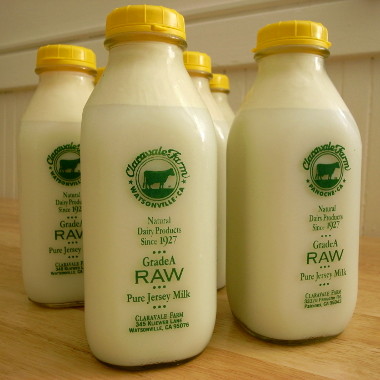
claravale-farm-raw-milkPlaintiff is Santa Cruz resident who was hospitalized and continues to suffer impairing side effects

A lawsuit has been filed on behalf of Santa Cruz resident John Surbridge who became ill with Campylobacter jejuni after drinking tainted raw milk products from Claravale Farm Company. The defendant, Claravale Farm Company, is based in San Benito County and sells dairy products in the state of California. Surbridge is represented by Marler Clark, a Seattle-based firm specializing food safety, and Rains, Lucia, Stern, PC of San Francisco.

On or around March 19, 2015, Surbridge drank Claravale Farms unpasteurized raw jersey milk, which was purchased by his roommate at a local farmers market.

A few days later, Surbridge began to feel the first symptoms of his illness, which developed into nausea, vomiting, bloody diarrhea, increasingly intense chest pains, and shortness of breath. He began to run a fever that spiked to 103 degrees.

Over the next several days, his symptoms worsened with excruciating stomach and chest pains, uncontrollable diarrhea, and shortness of breath. He was transported via ambulance to the emergency room where, after examination, he was hospitalized for three days.

Soon after being discharged from the hospital, Surbridge was contacted by the Health Services Agency who informed him he had tested positive for Campylobacter. He also then learned of a press release issued on March 24, 2015 about a California Department of Public Health investigation tracing back the illnesses of six northern California residents to multiple bottles of Claravale Farm raw milk that tested positive for Campylobacter. After additional tests, it was confirmed that Surbridge’s illness stemmed from the raw milk he drank from Claravale Farm.

“There’s an assumption that raw milk is better for you, but the reality is that whatever benefits there might be are eliminated by the fact that it can kill you. There’s a reason mass pasteurization of dairy products is the norm—so that people aren’t putting their lives and health at risk by enjoying a glass of milk,” said Bill Marler, principal of Marler Clark. Marler has been working to help improve food safety standards for decades and has represented numerous victims of raw milk contamination.

Even after recovering from a Campylobacter infection, victims can experience side effects for months or years. Surbridge is still being seen regularly by doctors to monitor his recovery. He continues to suffer pain and numbness in his arms, legs, and fingers. He has a difficult time holding onto silverware, cups, and his cell phone. In addition, he continues to struggle with shortness of breath and now has difficulty digesting milk.

072314jenislarge-field-of-dreams-blu-ray5When this latest Listeria Ice Cream recall, prompted by another random test by a Department of Agriculture (remember, the massive Blue Bell outbreak and recall was prompted by a South Carolina test) dropped into my inbox, for some reason I thought of the line from the movie “Field of Dreams” – “If you build it they will come.”  I guess the new tag line for Ice Cream and Listeria will be “If you test you will find it.”

Jeni’s Splendid Ice Creams has initiated a voluntary recall of all ice creams, frozen yogurts, sorbets, and ice cream sandwiches for all flavors and containers because of the possible presence of Listeria monocytogenes. The company is ceasing all sales and closing all scoop shops until all products are ensured to be 100% safe.

Listeria monocytogenes is an organism that can cause serious and sometimes fatal infections in young children, frail or elderly people and others with weakened immune systems. Although healthy individuals infected by Listeria may suffer only short-term symptoms such as high fever, severe headache, stiffness, nausea, abdominal pain, and diarrhea, infected pregnant women can suffer miscarriages or stillbirths.

The ice creams, frozen yogurts, sorbets, and ice cream sandwiches being recalled were distributed in the United States to retail outlets, including food service accounts and grocery markets, as well as online at jenis.com. This recall includes all products bearing the “Jeni’s” brand name.

The contamination was discovered in a sample randomly collected by the Nebraska Department of Agriculture.

Jeni’s Splendid Ice Creams is not aware of any illness reports to date related to the recalled products.

Tuna-Sushi-Salmonella-Recall-300x195The Ventura County Public Health Department announced a Salmonella Paratyphi outbreak on Monday. Eighteen cases have already been confirmed in Southern California with one case in Santa Barbara County and four in Ventura County. Seven other cases are from out-of-state, most of who had travel to Southern California.

In a statement released to the media, the Ventura County Health Department said the cause of the outbreak remains under investigation. “As of April 17th, 10 out of 10 people who completed detailed food questionnaires stated they had consumed sushi, and over 80 percent reported having eaten raw tuna,” said the Health Department. Twenty percent of affected patients have been hospitalized.

This particular strain of Salmonella had never been seen before March 2015, but the Health Department said that a closely related strain was responsible for a Salmonella outbreak that occurred in California and Hawaii back in 2010. That outbreak was found to be linked to raw tuna imported from Indonesia. “This strain is genetically different from the 2010 strain, so it appears the two strains are unrelated at this time,” noted the Health Department.