

In 2014 Stewart Parnell was found guilty of 72 counts of conspiracy and fraud, and sentenced to 28 years in federal prison. Michael Parnell, a food broker, was found guilty of conspiracy and sentenced to 20 years. The brothers are currently in federal prison after their 2014 trial where they were found guilty of deliberately sending peanut butter, tainted with Salmonella, into the food system.

In 2008, the state and the Centers for Disease Control and Prevention (CDC) traced a nationwide Salmonella outbreak to the Peanut Corporation of America plant in Blakely. During a raid, the plant was found to be infested with rats, roaches and water leaks.
The two brothers killed nine people and sickened hundreds by making tainted peanut butter, had asked that their sentences be vacated due to the alleged evidence trial counsel’s ineffective assistance.
United States Magistrate Judge, Thomas Q. Langstaff has recommended to the Court the following:
“Petitioner has failed to establish by a preponderance of the evidence trial counsel’s ineffective assistance. WHEREFORE, it is recommended that Petitioner Stewart Parnell’s Motion to Vacate, Set Aside, or Correct Sentence Pursuant to 28 U.S.C. § 2255 be DENIED.” Magistrate Rec SP denied
“Petitioner has failed to establish by a preponderance of the evidence trial counsel’s ineffective assistance. WHEREFORE, it is recommended that Petitioner Michael Parnell’s Motion to Vacate, Set Aside, or Correct Sentence Pursuant to 28 U.S.C. § 2255 be DENIED. Magistrate Rec MP denied
 Rafael Bernal had a interesting story this morning on Sodexo’s apparent mismanagement of the cafeterias in the House of Representatives complex – see,




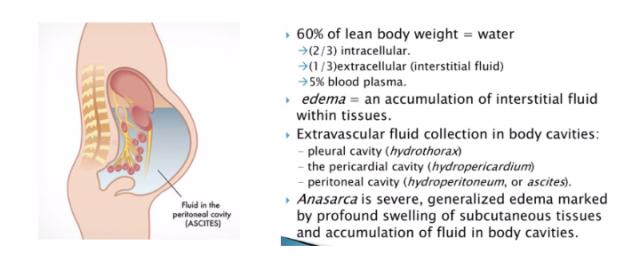
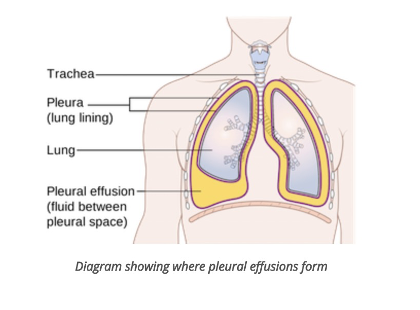
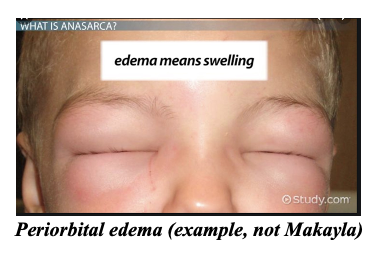

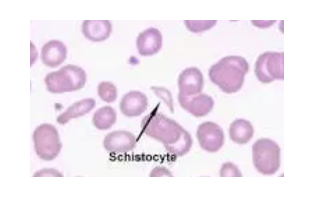
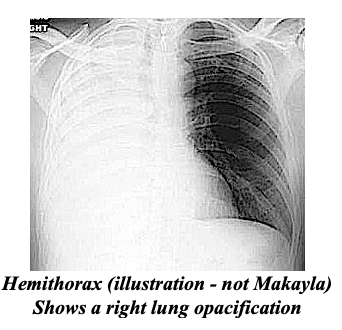
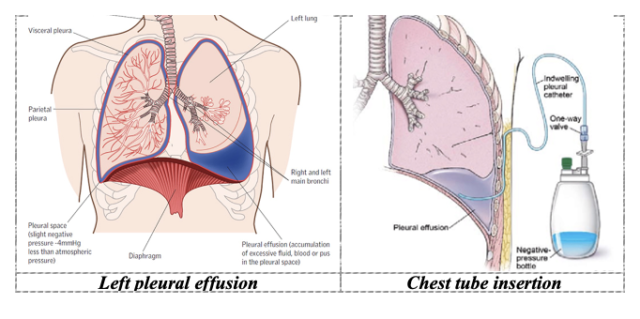






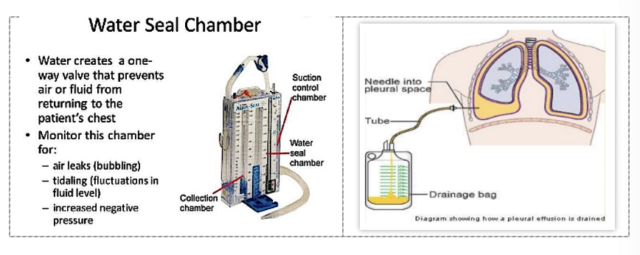

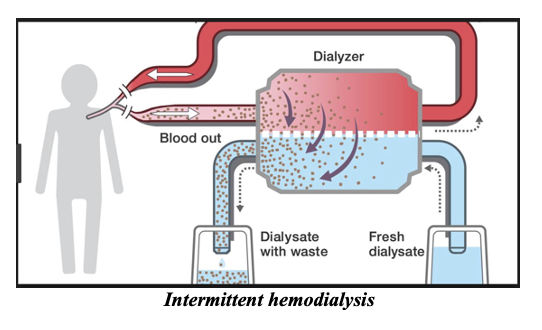
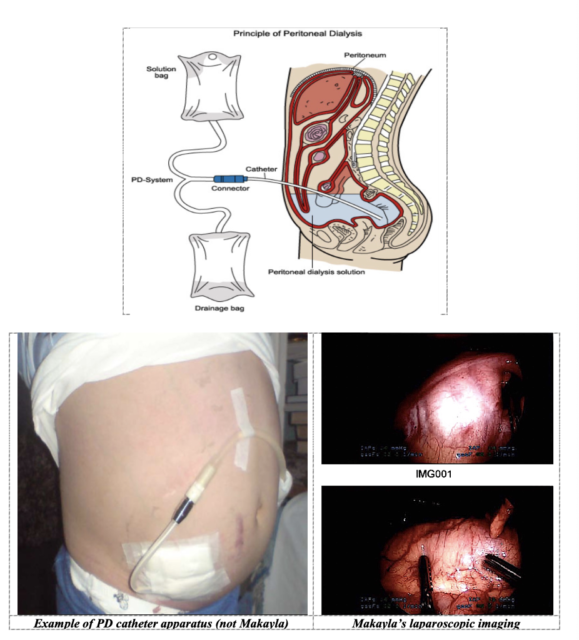





 Satya Vittala, MD examined Makayla for discharge in the early afternoon and did a discharge physical and summary of her hospitalization. She listed Makayla’s discharge diagnoses in her chart note:


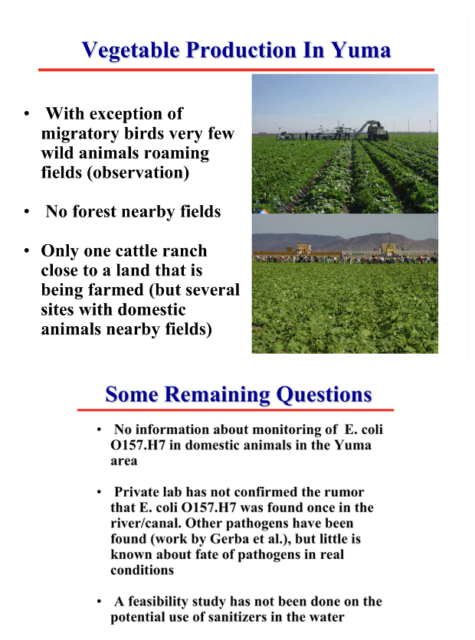
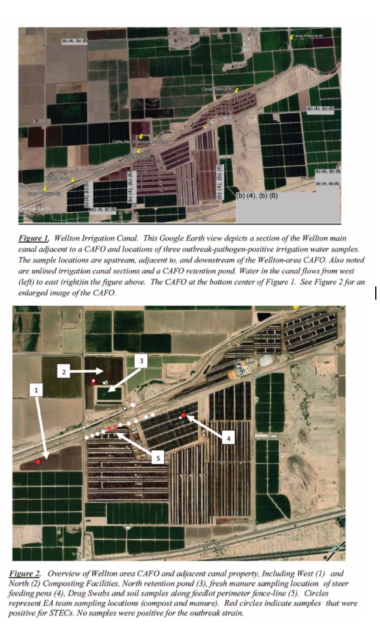

 Canada reports
 Humans are the only host of norovirus, and norovirus has several mechanisms that allow it to spread quickly and easily. Norovirus infects humans in a pathway similar to the influenza virus’ mode of infection. In addition to their similar infective pathways, norovirus and influenza also evolve to avoid the immune system in a similar way. Both viruses are driven by heavy immune selection pressure and antigenic drift, allowing evasion of the immune system, which results in outbreaks. Norovirus is able to survive a wide range of temperatures and in many different environments. Moreover, the viruses can spread quickly, especially in places where people are in close proximity, such as cruise ships and airline flights, even those of short duration. As noted by the CDC in its Final Trip Report,
 According to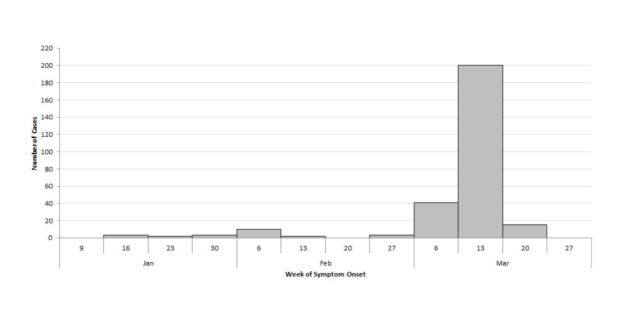
 “If you have a Fraîch’Up pizza in your freezer, do not eat it and throw it away”