

An Introduction to Norovirus
The Centers for Disease Control and Prevention (CDC) estimates that noroviruses cause nearly 21 million cases of acute gastroenteritis annually, making noroviruses the leading cause of gastroenteritis in adults in the United States. [1] According to a relatively recent article in the New England Journal of Medicine:
The Norwalk agent was the first virus that was identified as causing gastroenteritis in humans, but recognition of its importance as a pathogen has been limited because of the lack of available, sensitive, and routine diagnostic methods. Recent advances in understanding the molecular biology of the noroviruses, coupled with applications of novel diagnostic techniques, have radically altered our appreciation of their impact. Noroviruses are now recognized as being the leading cause of epidemics of gastroenteritis and an important cause of sporadic gastroenteritis in both children and adults.
Of the viruses, only the common cold is reported more often than a norovirus infection—also referred to as viral gastroenteritis. [2]
Nature has created an ingenious bug in norovirus. [3] The round blue ball structure of norovirus is actually a protein surrounding the virus’s genetic material. [4] The virus attaches to the outside of cells lining the intestine, and then transfers its genetic material into those cells. Once the genetic material has been transferred, norovirus reproduces, finally killing the human cells and releasing new copies of itself that attach to more cells of the intestine’s lining. [5]
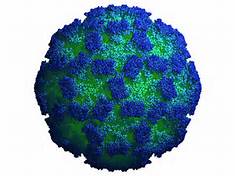
Norovirus (previously called “Norwalk-like virus” or NLV) is a member of the family Caliciviridae. The name derives from the Latin for chalice—calyx—meaning cup-like, and refers to the indentations of the virus surface. [6] The family of Caliciviridae consists of several distinct groups of viruses that were first named after the places where outbreaks occurred. The first of these outbreaks occurred in 1968 among schoolchildren in Norwalk, Ohio. The prototype strain was identified four years later, in 1972, and was the first virus identified that specifically caused gastroenteritis in humans. Other discoveries followed, with each strain name based on the location of its discovery—e.g., Montgomery County, Snow Mountain, Mexico, Hawaii, Parmatta, Taunton, and Toronto viruses. A study published in 1977 found that the Toronto virus was the second most common cause of gastroenteritis in children. Eventually this confusing nomenclature was resolved, first in favor of calling each of the strains a Norwalk-like virus, and then simply, a norovirus – the term used today.
Humans are the only host of norovirus, and norovirus has several mechanisms that allow it to spread quickly and easily. Norovirus infects humans in a pathway similar to the influenza virus’ mode of infection. In addition to their similar infective pathways, norovirus and influenza also evolve to avoid the immune system in a similar way. Both viruses are driven by heavy immune selection pressure and antigenic drift, allowing evasion of the immune system, which results in outbreaks. Norovirus is able to survive a wide range of temperatures and in many different environments. Moreover, the viruses can spread quickly, especially in places where people are in close proximity, such as cruise ships and airline flights, even those of short duration. [7] As noted by the CDC in its Final Trip Report:
Noroviruses can cause extended outbreaks because of their high infectivity, persistence in the environment, resistance to common disinfectants, and difficulty in controlling their transmission through routine sanitary measures.
Norovirus outbreaks can result from the evolution of one strain due to the pressure of population immunity. [8] Typically, norovirus outbreaks are dominated by one strain, but can also involve more than one strain. [9] For example, some outbreaks associated with shellfish have been found to contain up to seven different norovirus strains. [10] Swedish outbreak studies also reveal a high degree of genetic variability, indicating a need for wide detection methods when studying these outbreaks. [11]
By way of further example, in 2006, there was a large increase in the number of norovirus cases on cruise ships. Norovirus cases were increasing throughout Europe and the Pacific at the same time. [12] One issue with cruise ships is the close contact between people as living quarters are so close, and despite education efforts, there still seems to be a lack of public understanding regarding how the illness is spread. [13] On the other hand, reporting occurs much more quickly in these situations because of the close proximity and concentration of illness, allowing for the quicker detection of outbreaks. [14] Cruise ship outbreaks often occur when new strains of norovirus are appearing, providing a good indicator system for new norovirus strains. In this case, two new variants appeared within the global epidemic genotype, suggesting a strong pressure for evolution against the human immune system. [15] This points to the need for an international system of guidelines in tracing norovirus outbreaks.
Most norovirus outbreaks from contaminated food occur in food service settings, according to a Vital Signs report by the Centers for Disease Control and Prevention. Infected food workers are frequently the source of these outbreaks, often by touching ready-to-eat foods served in restaurants with their bare hands. The food service industry can help prevent norovirus outbreaks by enforcing food safety practices, such as making sure workers always practice good hand hygiene on the job and stay home when they are sick.
Norovirus often gets a lot of attention for outbreaks on cruise ships, but those account for only about 1 percent of all reported norovirus outbreaks. Norovirus is highly contagious and can spread anywhere people gather or food is served, making people sick with vomiting and diarrhea. [16]“Norovirus outbreaks from contaminated food in restaurants are far too common.” said CDC Director Tom Frieden, M.D., M.P.H. “All who prepare food, especially the food service industry, can do more to create a work environment that promotes food safety and ensures that workers adhere to food safety laws and regulations that are already in place.” [17]
How is Norovirus Transmitted?
Norovirus causes nearly 60% of all foodborne illness outbreaks. Norovirus is transmitted primarily through the fecal-oral route, with fewer than 100 norovirus particles needed to cause infection. [18] Transmission occurs either person-to-person or through contamination of food or water.[19] CDC statistics show that food is the most common vehicle of transmission for noroviruses; of 232 outbreaks of norovirus between July 1997 and June 2000, 57% were foodborne, 16% were spread from person-to-person, and 3% were waterborne. [20] When food is the vehicle of transmission, contamination occurs most often through a food handler improperly handling a food directly before it is eaten. [21]
Infected individuals shed the virus in large numbers in their vomit and stool, shedding the highest amount of viral particles while they are ill. Aerosolized vomit has also been implicated as a mode of norovirus transmission. [22] Previously, it was thought that viral shedding ceased approximately 100 hours after infection; however, some individuals continue to shed norovirus long after they have recovered from it, in some cases up to 28 days after experiencing symptoms. [23] Viral shedding can also precede symptoms, which occurs in approximately 30% of cases. Often, an infected food handler may not even show symptoms. In these cases, people can carry the same viral load as those who do experience symptoms. [24]
A Japanese study examined the ability of asymptomatic food handlers to transfer norovirus. Approximately 12% of asymptomatic food handlers were carriers for one of the norovirus genotypes. This was the first report of norovirus molecular epidemiology relating asymptomatic individuals to outbreaks, suggesting that asymptomatic individuals are an important link in the infectivity pathway. Asymptomatic infection may occur because some people may have acquired immunity, which explains why some show symptoms upon infection and some do not. Such immunity does not last long, though. These discoveries reveal just how complicated the pathway of norovirus infection is, as well as how difficult it is to define the true period of infectivity. Furthermore, it remains unclear why some people do not become sick with norovirus even when they are exposed. Very little is known about the differences in hygiene practices, behaviors, and personal susceptibility between those who become infected and those who do not, which brings up the potential for more research. [25] Discrepancies exist in the published research about infective doses for norovirus, with earlier studies having used a much higher dose to trigger immune responses.
Symptoms & Risks of a Norovirus Infection
Norovirus illness usually develops 24 to 48 hours after ingestion of contaminated food or water. Symptoms typically last a relatively short amount of time, approximately 24 to 48 hours. [26] These symptoms include nausea, vomiting, diarrhea, and abdominal pain. Headache and low-grade fever may also accompany this illness. People infected with norovirus usually recover in two to three days without serious or long-term health effects.
Although symptoms usually only last one to two days in healthy individuals, norovirus infection can become quite serious in children, the elderly, and immune-compromised individuals. [27] In some cases, severe dehydration, malnutrition, and even death can result from norovirus infection, especially among children and among older and immune-compromised adults in hospitals and nursing homes. [28] In England and Wales, 20% of those over the age of 65 die due to infectious intestinal illness other than Clostridium difficile. Recently, there have been reports of some long-term effects associated with norovirus, including necrotizing entercolitis, chronic diarrhea, and post-infectious irritable bowel syndrome, but more data is needed to support these claims. [29]
Diagnosing a Norovirus Infection
Diagnosis of norovirus illness is based on the combination of symptoms, particularly the prominence of vomiting, little fever, and the short duration of illness. [30] If a known norovirus outbreak is in progress, public health officials may obtain specimens from ill individuals for testing in a lab. These lab tests consist of identifying norovirus under an electron microscope. A reverse transcriptase polymerase chain reaction test (RT-PCR assay) also can detect norovirus in food, water, stool samples, and on surfaces. These tests isolate and replicate the suspected virus’ genetic material for analysis. [31] An ELISA can also be performed, which detects antigens. They are easier to perform than RT-PCR, but less sensitive and can also result in many false negatives. [32]
Treating a Norovirus Infection
There is no specific treatment available for norovirus. In most healthy people, the illness is self-limiting and resolves in a few days; however, outbreaks among infants, children, elderly, and immune-compromised populations may result in severe complications among those affected. [33] Death may result without prompt measures. The replacement of fluids and minerals such as sodium, potassium and calcium – otherwise known as electrolytes – lost due to persistent diarrhea is vital. This can be done either by drinking large amounts of liquids, or intravenously.
Recent research has looked into the potential for developing a norovirus vaccine. Researchers indicate that coming up with a norovirus vaccine would be similar to vaccinating for influenza, by using screening in order to select for the most prevalent strains. This is a quite challenging process. Other challenges include the fact that cell culture and small-animal models are limited, host pre-exposure histories are complicated, and there is always the potential for the evolution of novel immune escape variants, rendering the vaccine useless. [34] Furthermore, scientists would likely face a lack of funding to develop a vaccine because vaccine development is expensive. [35]
Preventing Norovirus Infection
Common settings for norovirus outbreaks include restaurants and events with catered meals (36%), nursing homes (23%), schools (13%), and vacation settings or cruise ships (10%). Proper hand washing is the best way to prevent the spread of norovirus.
The good news about norovirus is that it does not multiply in foods as many bacteria do. [36] In addition, thorough cooking destroys this virus. To avoid norovirus, make sure the food you eat is cooked completely. While traveling in in areas that have polluted water sources, raw vegetables should be washed thoroughly before being served, and travelers should drink only boiled drinks or carbonated bottled beverages without ice.
Shellfish (oysters, clams, mussels) pose the greatest risk and any particular serving may be contaminated with norovirus; there is no way to detect a contaminated oyster, clam, or mussel from a safe one. Shellfish become contaminated when their waters become contaminated—e.g., when raw sewage is dumped overboard by recreational or commercial boaters). Shellfish are filter feeders and will concentrate virus particles present in their environment. With shellfish, only complete cooking offers reliable protection; steaming does not kill the virus or prevent its transmission. [37] Some researchers suggest that norovirus monitoring in shellfish areas could be a good preventive strategy as well. Waterborne norovirus outbreaks are ubiquitous, but difficult to recognize. Improved analysis of environmental samples would have the potential to significantly improve the detection for norovirus in shellfish waters. [38]
Finally, and as briefly mentioned earlier, outbreaks of norovirus infections have become synonymous with cruise ships. [39] Healthcare facilities also experience a high incidence of norovirus outbreaks. [40] The CDC has published information regarding the prevention of norovirus outbreaks on cruise ships and in healthcare facilities on its website. Once a case has occurred, even more stringent hygienic measures than normal are required in order to prevent an outbreak, particularly on an enclosed space such as a cruise ship.
- CDC, Norovirus: Technical Fact Sheet, from Centers for Disease Control and Prevention Web site, http://www.cdc.gov/ncidod/dvrd/revb/gastro/norovirus-factsheet.htm (last modified on August 24, 2011) (last checked on Jan. 3, 2012).
- Benson, V. and Merano, M.A., “Current estimates from the National Health Interview Survey 1995,” VITAL HEALTH STATISTICS, SERIES 10 (Nat’l Center for Health Statistics 1998). Abstract available online at http://www.ncbi.nlm.nih.gov/pubmed/9914773
- Lopman, Ben, Zambon, Maria, and Brown, David, “The Evolution of Norovirus, the ‘Gastric Flu,’” Public Library of Science: Medicine, Vol. 5, Issue 2, pp.187-189 (Feb. 2010). Full text available online at http://www.ncbi.nlm.nih.gov/pmc/articles/PMC2235896/pdf/pmed.0050042.pdf
- Glass, R, Parashar, U.D., and Estes, M.K., “Norovirus Gastroenteritis,” NEW ENGLAND JOURNAL OF MEDICINE, Vol. 361, No. 18, pp. 1776-1785 (Oct. 29, 2009). Full text available online at http://www.sepeap.org/archivos/pdf/11191.pdf
- Glass, RI, et al., “The Epidemiology of Enteric Caliciviruses from Humans: A Reassessment Using New Diagnostics,” JOURNAL OF INFECTIOUS DISEASES, Vol. 181, Supplement 2, pp. S254-61 (2000). Full text available online at http://jid.oxfordjournals.org/content/181/Supplement_2/S254.long
- Tu, E.T., et al., “Epidemics of Gastroenteritis during 2006 Were Associated with the Spread of Norovirus GII.4 Variants 2006a and 2006b,” CLINICAL INFECTIOUS DISEASES, Vol. 46, No. 3, pp. 413-420 (Feb. 1, 2008). Full text available online at http://cid.oxfordjournals.org/content/46/3/413.full
- Gerencher, Christine L., Reporter, “Understanding How Disease Is Transmitted via Air Travel: Summary of a Symposium,” Conference Proceedings 47, Transportation Research Board of the National Academies (2010). Full summary available online at http://onlinepubs.trb.org/onlinepubs/conf/CP47.pdf
- Siebenga, JJ, et al., “Norovirus Illness Is a Global Problem: Emergence and Spread of Norovirus GII.4 Variants, 2001–2007,” JOURNAL OF INFECTIOUS DISEASES, Vol. 200, No. 5, pp. 802-812 (2009). Full text available online at http://jid.oxfordjournals.org/content/200/5/802.long
- CDC, “Updated Norovirus Outbreak Management and Disease Prevention Guidelines,” MORBIDITY AND MORTALITY WEEKLY REPORT, Vol. 60, Recommendations and Reports No. 3, pp. 1-15 (March 4, 2011). Full text available online at http://www.cdc.gov/mmwr/preview/mmwrhtml/rr6003a1.htm
- Westrell T, et al., “Norovirus outbreaks linked to oyster consumption in the United Kingdom, Norway, France, Sweden and Denmark,” EURO-SURVEILLANCE (European Communicable Disease Bulletin), Vol. 15, No. 12 (Mar. 25 2010). Full text available online at http://www.eurosurveillance.org/images/dynamic/EE/V15N12/art19524.pdf
- Lysen, M, et al., “Genetic Diversity among Food-Borne and Waterborne Norovirus Strains Causing Outbreaks in Sweden,” JOURNAL OF CLINICAL MICROBIOLOGY, Vol. 47, No. 8, pp. 2411-2418 (2009). Full text available online at http://www.ncbi.nlm.nih.gov/pmc/articles/PMC2725682/?tool=pubmed
- Verhoef, L, et al., “Emergence of New Norovirus Variants on Spring Cruise Ships and Prediction of Winter Epidemics,” EMERGING INFECTIOUS DISEASES, Vol. 14, No. 2, pp. 238-243 (Feb. 2008). Full text available online at http://www.ncbi.nlm.nih.gov/pmc/articles/PMC2600213/pdf/06-1567_finalR.pdf
- CDC, Facts about Norovirus on Cruise Ships, last updated July 20, 2009, available through the Centers for Disease Control and Prevention website, at http://www.cdc.gov/nceh/vsp/pub/Norovirus/Norovirus.htm (last checked on January 4, 2012).
- CDC, “Outbreaks of Gastroenteritis Associated with Noroviruses on Cruise Ships – United States, 2002,” MORBIDITY AND MORTALITY WEEKLY REPORT, Vol. 51, No. 49, pp. 1112-15 (Dec. 13, 2002). Full text available online at http://www.cdc.gov/mmwr/preview/mmwrhtml/mm5149a2.htm
- Donaldson, E., et al., “Viral shape-shifting: norovirus evasion of the human immune system,” NATURE REVIEWS, MICROBIOLOGY, Vol. 8, No. 3, pp. 231-239 (March 2010). Abstract available online at http://www.ncbi.nlm.nih.gov/pubmed/20125087
- Antonio, J, et al., “Passenger Behaviors During Norovirus Outbreaks on Cruise Ships,” INTERNATIONAL SOCIETY OF TRAVEL MAGAZINE, Vol. 15, No. 3, pp. 172-176 (May-June 2008). Abstract available online at http://www.ncbi.nlm.nih.gov/pubmed/18494694
- Norovirus is the leading cause of disease outbreaks from contaminated food in the U.S. http://www.cdc.gov/media/releases/2014/p0603-norovirus.html
- CDC, “Norwalk-like viruses’—Public health consequences and outbreak management,” MORBIDITY AND MORTALITY WEEKLY REPORT, Vol. 50, Recommendations and Reports No. 9, pp. 1-18 (June 1, 2001). Full text available online at http://www.cdc.gov/mmwr/preview/mmwrhtml/rr5009a1.htm
- American Public Health Association (APHA), Heymann, David L., editor, “Norovirus Infection,” in CONTROL OF COMMUNICABLE DISEASES MANUAL, pp. 227-29, (18th Ed. 2008).
- CDC, Norovirus in Healthcare Facilities Fact Sheet, released December 21, 2006, available through Centers for Disease Control and Prevention website, at http://www.cdc.gov/ncidod/dvrd/revb/gastro/downloads/noro-hc-facilities-fs-508.pdf (last checked on January 4, 2012).
- Cáceres, VM, et al., “A viral gastroenteritis outbreak associated with person-to-person spread among hospital staff,” INFECTION CONTROL AND HOSPITAL EPIDEMIOLOGY, Vol. 19, No. 3, pp. 162-7 (March 1998). Abstract available online at http://www.ncbi.nlm.nih.gov/pubmed/9552183
- Marks, PJ, et al., “Evidence of airborne transmission of Norwalk-like virus (NLV) in a hotel restaurant,” EPIDEMIOLOGY AND INFECTION, Vol. 124, No. 3, pp. 481-87 (June 2000). Full text available online at http://www.cdc.gov/nceh/ehs/Docs/Evidence_for_Airborne_Transmission_of_Norwalk-like_Virus.pdf
- Patterson, T, Hutchin, P, and Palmer S, “Outbreak of SRSV gastroenteritis at an international conference traced to food handled by a post symptomatic caterer,” EPIDEMIOLOGY AND INFECTION, Vol. 111, No. 1, pp. 157-162 (Aug. 1993). Available online at http://www.ncbi.nlm.nih.gov/pmc/articles/PMC2271183/?tool=pubmed
- Treanor, John J. and Dolin, Raphael, “Norwalk Virus and Other Calciviruses,” in Mandell, Douglas, and Bennett’s PRINCIPLES AND PRACTICE OF INFECTIOUS DISEASES, Fifth Edition, Chap. 163, pp. 1949-56 (2000, Mandell, Bennett, and Dolan, Editors).
- Janneke, C, et al., “Enhanced Hygiene Measures and Norovirus Transmission during an Outbreak,” EMERGING INFECTIOUS DISEASES, Vol. 15, No., pp. 24-30 (Jan. 2009). Full text available online at http://wwwnc.cdc.gov/eid/article/15/1/08-0299_article.htm
- Mayo Clinic, “Norovirus Infection,” Mayo Clinic Web site, information last updated April 15, 2011 (as of last checking on Jan. 3, 2012), available online at http://www.mayoclinic.com/health/norovirus/DS00942/DSECTION=1.
- Harris, JP, et al., “Deaths from Norovirus among the Elderly, England and Wales,” EMERGING INFECTIOUS DISEASES, Vol. 14, No. 10, pp. 1548-1552 (Oct. 2008). Full text available online at http://wwwnc.cdc.gov/eid/article/14/10/08-0188_article.htm
- Said, Maria, Perl, Trish, and Sears Cynthia, “Gastrointestinal Flu: Norovirus in Health Care and Long-Term Care Facilities,” HEALTHCARE EPIDEMIOLOGY, vol. 47, pp. 1202-1208 (Nov. 1, 2008). Full text available online at http://cid.oxfordjournals.org/content/47/9/1202.full.pdf+html
- Vinje, J, “A Norovirus Vaccine on the Horizon?” EMERGING INFECTIOUS DISEASES, Vol. 202, No. 11, pp. 1623-1625 (2010). Full text available online at http://jid.oxfordjournals.org/content/202/11/1623.full
- Tu E.T., et al., “Norovirus excretion in an age-care setting,” JOURNAL OF CLINICAL MICROBIOLOGY, Vol. 46, pp. 2119-21 (June 2008). Full text available online at http://www.ncbi.nlm.nih.gov/pmc/articles/PMC2446857/pdf/2198-07.pdf
- Mead, Paul M, et al., “Food-related Illness and Death in the United States,” EMERGING INFECTIOUS DISEASES, Vol. 5, No. 5, pp. 607-25 (September-October 1999). Full text available online at http://www.ncbi.nlm.nih.gov/pmc/articles/PMC2627714/pdf/10511517.pdf
- Duizer, E, et al., “Probabilities in norovirus outbreak diagnosis,” JOURNAL OF CLINICAL VIROLOGY, Vol. 40, No. 1, pp. 38-42 (Sept. 2007). Abstract available online at http://www.ncbi.nlm.nih.gov/pubmed/17631044
- Middleton, PJ, Szmanski, MT, and Petric M, “Viruses associated with acute gastroenteritis in young children,” AMERICAN JOURNAL OF DISEASES OF CHILDREN, Vol. 131, No. 7, pp. 733-37 (July 1977). Abstract available online at http://www.ncbi.nlm.nih.gov/pubmed/195461
- Fankhauser, RL, et al., “Epidemiologic and molecular trends of ‘Norwalk-like viruses’ associated with outbreaks of gastroenteritis in the United States,” JOURNAL OF INFECTIOUS DISEASES, Vol.186, No. 1, pp. 1-7 (July 1, 2002). Full text of article available online at http://jid.oxfordjournals.org/content/186/1/1.long
- Lowther, J, Henshilwood, K, and Lees DN, “Determination of Norovirus Contamination in Oysters from Two Commercial Harvesting Areas over an Extended Period, Using Semiquantitative Real-Time Reverse Transcription PCR,” JOURNAL OF FOOD PROTECTION, Vol. 71, No. 7, pp. 1427-1433 (2008). Abstract available online at http://www.ncbi.nlm.nih.gov/pubmed/18680943
- Scallan, E., et al., “Foodborne Illness Acquired in the United States—Major Pathogens,” EMERGING INFECTIOUS DISEASES, Vol. 17, No. 1, pp. 7-15 (2011). Full text available online at http://wwwnc.cdc.gov/eid/article/17/1/p1-1101_article.htm
- Kirkland, KB, et al., “Steaming oysters does not prevent Norwalk-like gastroenteritis,” PUBLIC HEALTH REPORTS, Vol. 111, pp. 527-30 (1996). Full text available online at http://www.ncbi.nlm.nih.gov/pmc/articles/PMC1381901/pdf/pubhealthrep00045-0057.pdf
- Maunula, L, Miettinen, IT, and Bonsdorff, CH, “Norovirus Outbreaks from Drinking Water,” EMERGING INFECTIOUS DISEASES, Vol. 11, No. 11, pp. 1716-1721 (2005). Full text available online at http://wwwnc.cdc.gov/eid/content/11/11/pdfs/v11-n11.pdf
- CDC, “Outbreaks of Gastroenteritis Associated with Noroviruses on Cruise Ships – United States, 2002,” MORBIDITY AND MORTALITY WEEKLY REPORT, Vol. 51, No. 49, pp. 1112-15 (Dec. 13, 2002). Full text available online at http://www.cdc.gov/mmwr/preview/mmwrhtml/mm5149a2.htm
- Ozawa, K, et al., “Norovirus Infections in Symptomatic and Asymptomatic Food Handlers in Japan,” JOURNAL OF CLINICAL MICROBIOLOGY, Vol. 45, No. 12, pp. 3996-4005 (Oct. 2007). Abstract available online at http://jcm.asm.org/content/45/12/3996.abstract